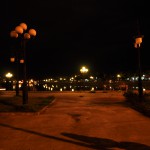
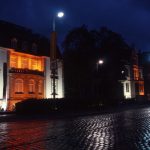
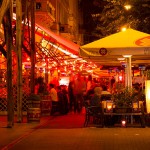
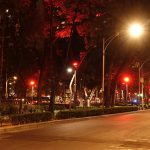
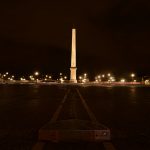
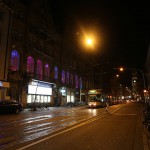
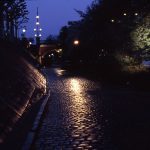
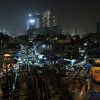
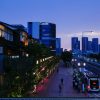
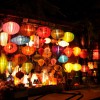
The streets of Moscow are mostly buried in shadows except for a few groups of lucent buildings, maybe an expression of authority. During the intense commercial time bawdy lights are lost, along with street activity, and stillness returns to the city. Now, towering lights dot the cold winter landscape. Looking towards Moskva University at dusk. The Bolshoi Theatre rebuilt in 1856. The upper lights set off the detail of this Greek-style Architecture. Christmas illumination at Tsum Department Store next to Bolshoi Theatre.
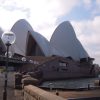
Sydney Lighting Survey: How Sydney CBD glows at night 2019.09.19 – 2019.09.21 Momoko Muraoka + Sunyoung Hwang Sydney, a capital city of New South Wales is famous for its beautiful beaches and iconic Opera House. It makes it to the most populous city of Australia with more than 5.2million population. The climate of Sydney is subtropical with no extreme seasonal differences. Highly saturated clear blue sky, lush greeneries, beautiful waterscape, and iconic Opera House – Sydney is the city that has it all. It is quite a lovely place to be and usually makes it to the top rankings for the most liveable cities in the world. This time, Lighting Detectives flew to Sydney to find out how it lights up at night as a famous tourist destination. The survey focuses on the Sydney CBD (Central Business District) area. When looked down from the Sydney Observatory, the city did not have much of the façade lighting. Many of the buildings were glowing with their interior lights. There were not much of RGB lights nor media facade light except few areas of Darling Harbour and Pitt Street, the shopping district. The shot taken from North Sydney to have an overall view of Sydney CBD with iconic Opera House and Harbour Bridge shows this more clearly. Sydney seemed rather classic with a warm tone of lighting on these iconic features and minimum architectural lights. Interview with the city of Sydney Interview with…
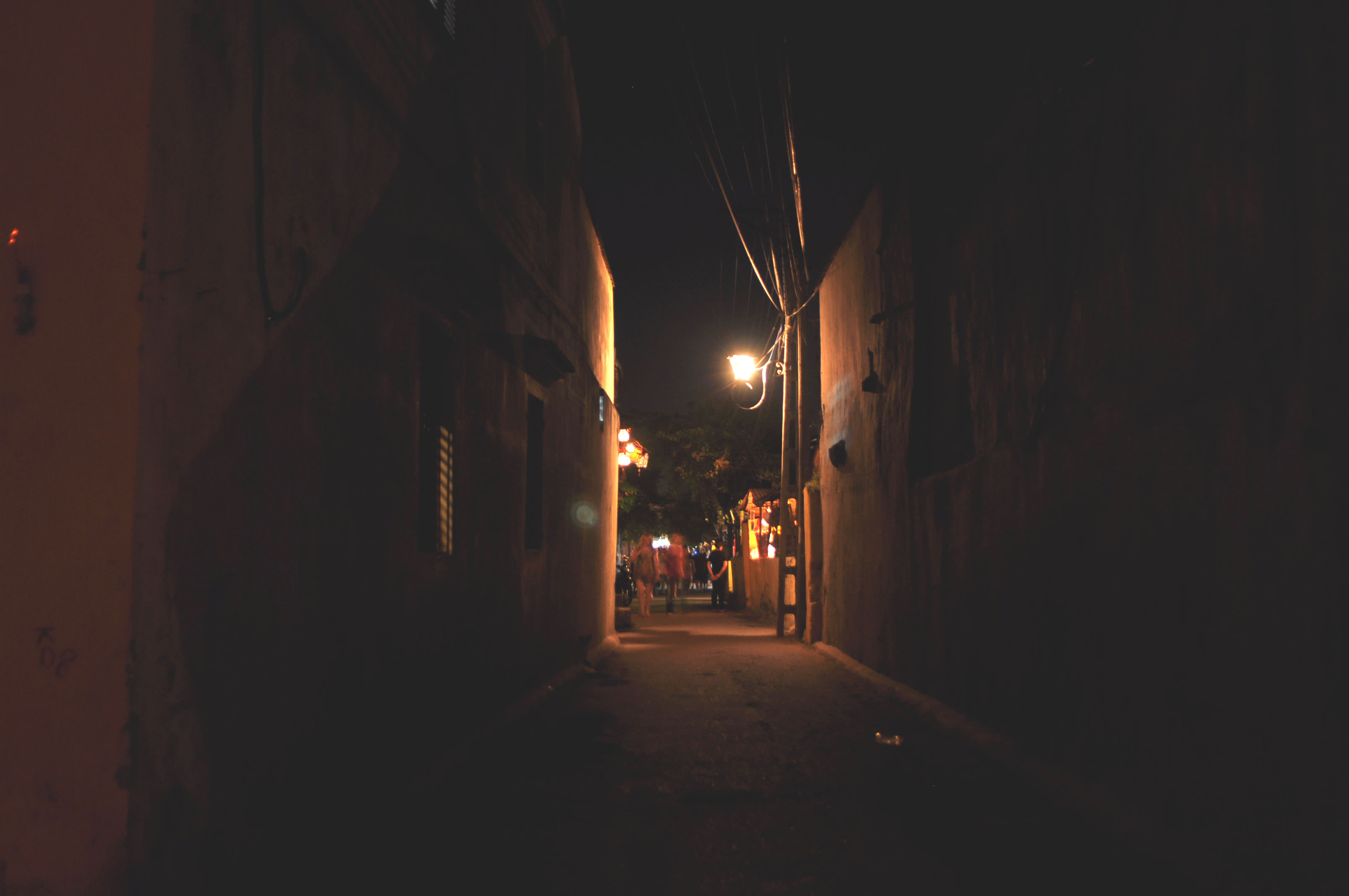
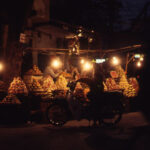
Hoi An was once a flourishing intermediate city of trade. Now, the city is trying to protect the traditional streetscape to appeal as a tourist destination. The nostalgic lantern festival, which was held every full moon, is being reintegrated, as they take on a “back to the basics” attitude towards modern city life. Compared to cities developing vigorously, but blindly economically, Hoi An growth is more diverse. Street vendors line alleyways with festive displays of lanterns. The fantastic atmosphere raises the mood and adds a functional amount of light to these dim side streets with out any street lighting. Built in the 16th century, the Japanese Covered Bridge is a focal point of the old streetscape. Many lanterns hang from the ceiling and spotlights mounted between the roof and bridge softly highlight its features. Inside, cafes are also filled the lanterns, great for creating a relaxing environment. At first glance candles or incandescent lamps seem fitting, but these lanterns are actually all fitted with fluorescent lamps.
2024.10.01-10.05 Atsushi Itakura & Genki Watanab When thinking of Mongolia, many people may imagine vast grasslands and nomadic gers, but therapidly developing capital city of Ulaanbaatar also deserves attention.Despite being only about five and a half hours from Japan, few people are familiar with its currentstate.This visit, conducted through an urban lighting survey of Ulaanbaatar, provided a valuableopportunity to discover an unexpected side of Mongolia. ■What Kind of Place Is Mongolia?When we think of Mongolia, the first image that often comes to mind is of vast grasslands stretching out endlessly, dotted with “gers”—the traditional dwellings of nomadic herders. For Japanese people, there’s also a sense of connection through cultural and historical ties, such as the shared heritage linked to the Mongolian spot (mongolian birthmark) and the many Mongolian sumo wrestlers who have found great success in Japan. Despite being only a five-and-a-half-hour flight away from Japan, Mongolia is a country that feels both near and distant—close in proximity, yet far in familiarity. Though we may feel an affinity toward Mongolia, the reality is that most people know very little about its present state. With this simple curiosity as our starting point, we embarked on a 5-day, 4-night survey of urban lighting in Ulaanbaatar, the capital of this rapidly developing nation. ■Topographical Characteristics of Ulaanbaatar Ulaanbaatar covers an area of approximately 4,700 square kilometers and is divided into nine districts. The city is flanked by hills to the north and south,…
2025.06.26 Yumi Honda +Qiaoxi Wang+ Momoe Nomura We observed and recorded the nighttime light environment of the newly developed commercial complex Senkyaku Banrai in the Tokyo Bay Area and its surrounding public spaces (green plaza, station area, and Gururi Park). We conducted a multifaceted analysis, including the placement of lighting fixtures, illuminance, and the impression of the space, to determine how light affects the atmosphere of the facility and the city in the Toyosu area, which is being developed as a tourist hub. The Toyosu area is a point of interest where the latest urban spaces and the lively atmosphere of shitamachi (old downtown) coexist due to redevelopment. We walked through the area around Toyosu Market Station, the green plaza, and Gururi Park, observing how light design impacts the impression, comfort, and safety of the town. ■Senkyaku Banrai Senkyaku Banrai is a commercial facility that opened in 2024 next to the Toyosu Market. It’s a spot where both tourists and local residents can enjoy the array of restaurants and souvenir shops. Through architecture and lighting design incorporating traditional Japanese motifs, it exudes a uniquely Japanese warmth and vitality, even within the contemporary urban nightscape. The lighting plan inside the facility is unified, as befitting a new commercial complex, and was designed with both aesthetic appeal and functionality in mind. The main path lighting uses warm, incandescent colors, creating a nostalgic atmosphere reminiscent of a Showa-era shopping street. This fosters a…