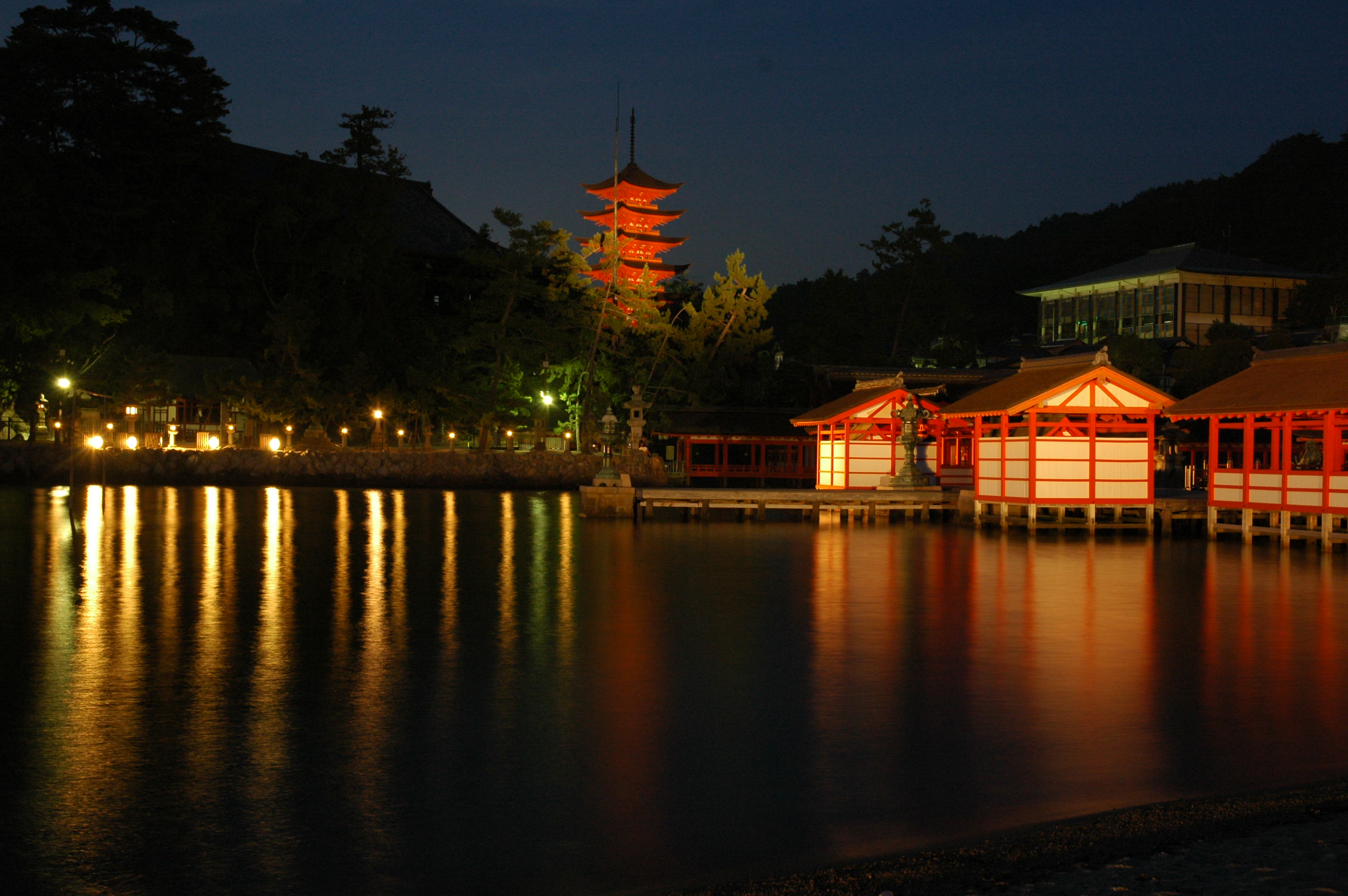
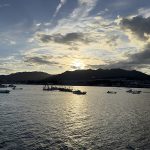
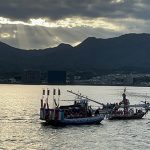
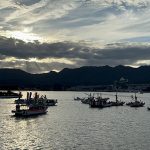
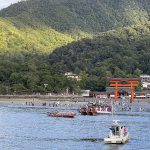
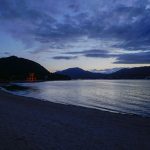
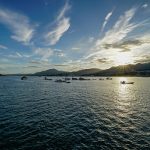
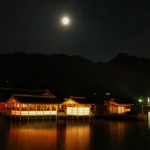
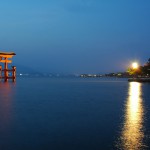
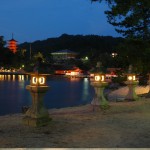
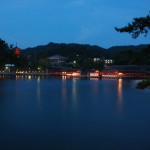
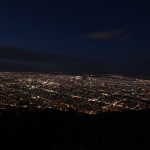
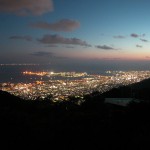
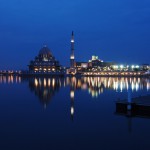
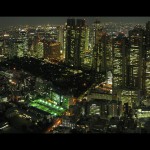
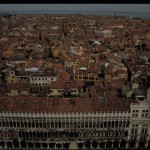
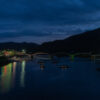
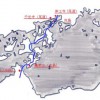
The archipelago, pristine nature, and human footprint all combine to create the highly valued landscape of the Seto Inland Sea. Depending on the season and time of day the inlet and small islands have a store of rich expressions from dusk to dawn. The lights of the villages and ships come on in the distance and fade with the morning light. Different from a larger city, we surveyed the charm of this aesthetic landscape and Inlet Sea. The survey course starts on the island of Shikoku in Imabari, Ehime Prefecture along the Shimanami Kaido Expressway. The 60-kilometer long highway skips through the islands, connected by 9 bridges and ends in Onomichi City, Hiroshima. If you look hard, from a mountain top lookout, the entire route is visible. By car and on foot, we aimed to discover the lighting identity of this area, including cities drowning in light and smaller villages that dot the sides of the highway. From the observation deck on top of Chikamiyama near, Imabari City, The Kurushima Channel Bridge is visible. A panoramic view from Senkoji Park.
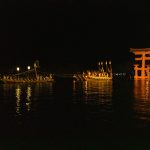
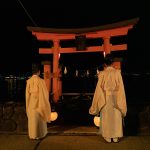
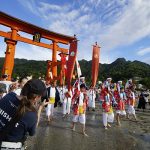
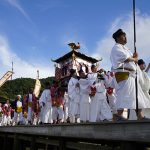
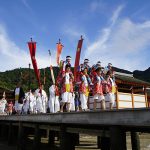
2023.08.02 – 2023.08.04 Yumi Honda+Sachiko Segawa The theme of this survey is “lighting on boats since ancient times”. Cormorant fishing on the Nishiki River in Iwakuni has been practiced for about 400 years. The Kangensai Festival at Miyajima Island has been held since the Heian period (794-1192). We investigated the relationship between water, light, and people in these two different areas. ■Iwakuni The Light of Cormorant Fishing, an Ancient Fishing MethodCormorant fishing has been practiced on the Nishiki River in Iwakuni City, Yamaguchi Prefecture, for about 400 years. The cormorant fishing is still enjoyed today by taking a pleasure boat ride from the foot of Kintai-kyo Bridge, one of the three most famous bridges in Japan. The day we visited was a weekday in mid-summer, and the daytime crowds were sparse, but in the evening, people began to gather along from somewhere the riverbank and board the cormorant fishing boats. In western Japan in summer, it is still light even at 18:00. Looking at the sightseeing boats from the bridge, I could see people enjoying a party on the boats with lanterns hanging down. As it gradually got darker and the lights of Kintai-kyo Bridge and lanterns along the river were lit up, we slowly waited for the cormorant fishing time to start. By the time the pleasure boat landed for a break, the sun had completely set and Iwakuni-jo Castle at the top of the mountain was lit up. Finally, it…
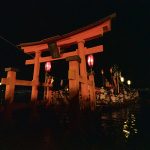
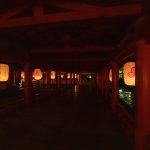
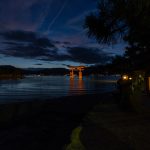
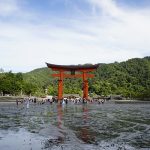
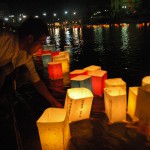
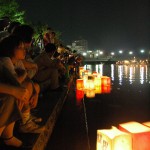
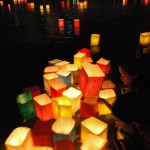
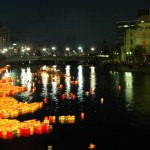
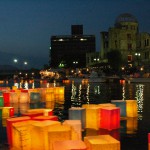
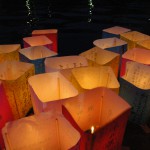
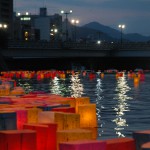
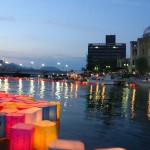
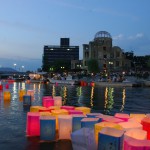
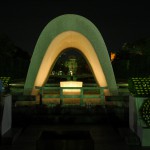
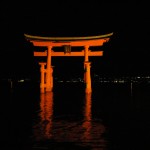
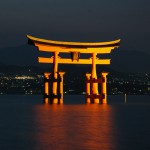
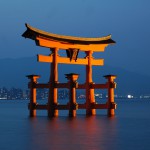
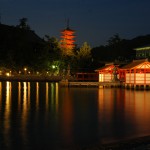
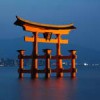
It was 8:15 on the morning of August 6, 1945 when the first of two bombs dropped on Hiroshima then Nagasaki. Sixty-one years have passed since this memorable day and every year victims are remembered in a peace memorial ceremony attended by 50,000 people. On this night thousands of lanterns are placed in the Motoyasu River near the Hiroshima Peace Memorial as part of the remembrance and prayer for peace. As the main part of our lighting survey we wanted to see how these lanterns changed the face of city on this one night. We also visited Itsukushima Shinto Shrine and downtown Hiroshima. One of the World Cultural Heritage sites, Itsukushima Shinto Shrine. Unfortunately, the lighting is not the most faltering and lacks punch that could emphasis great architectural detail. However, looking from the bow of a boat past the large shrine gate, the main hall floats elusively in the surrounding darkness. This is the angle for a truly spiritual approach. Hiroshima Peace Memorial, a World Cultural Heritage site and the remains of a symbol of sacrifice and crime committed against humanity. Nearly buried by the surrounding city lights, but this dim gloom cast over the rubble suits its history and expresses it in the present day for all to remember. Full of prayers for peace and a symbol of remembrance, softly lit lanterns were set afloat, creating a new river of light. The lightscape created by the lanterns floating…