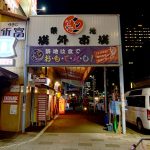
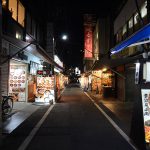
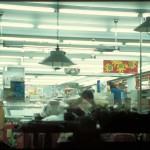
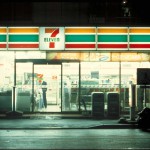
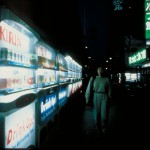
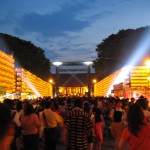
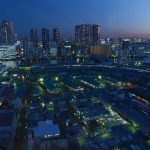
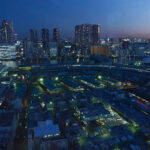
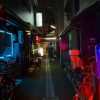
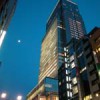
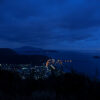
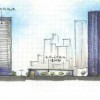
Shimokitazawa is a neighborhood of small shopping streets and alleyways, projecting a strange, but comfortable atmosphere, as people crowd the backstreets until late in the night. However, plans to replace this quaint neighborhood with arterial roads and high-rises are underway. The detectives took what maybe a last chance to survey this area before it is “defaced.” The top half and rooftops of most buildings do not have any luminous signage. As a result, a bird’s eye view of this neighborhood is actually fairly dark. The station front plaza is filled with people listening to music from sidewalk acts or looking at street art. The crowds of people naturally overflow into a nearby street. If an arterial road is planned for this area, this atmosphere will be lost forever. Two streets back-to-back, but built to two different scales and with two different demeanors. On the left is Shimokitazawa`s main south entrance shopping street. With many interior decor shops, the lighting is bright and color temperature is high. One street inside and the atmosphere and lighting are more relaxed. Low color temperature, incandescent lamps from restaurants, cafes, and bars are the main source of light.
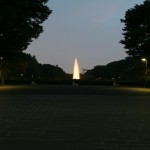
The Marunouchi district in the center of Tokyo has been transformed in recent years from a business and financial center to the latest redevelopment to intertwine commercial and office space. Our survey started in Marunouchi, as we closed in on the infamous Tokyo Tower to view the sprawling Tokyo nightscape. Marunouchi Central Street is enclosed on both sides by buildings all at the same height of 31 meters. Facade lighting and streetlights throw an even light over the street, creating a flat nightscape with no rhythm of light and shadow. Quite possibly occupying the staring role in the production of the Tokyo nightscape is the Tokyo Tower. The ironworks structure of this tower is illuminated from underneath, beautifully generating a glowing symbol for the city. At 250 meters, looking down on Tokyo from the tower is a beautiful site. Glare is blinding and there is no visible unified pattern to the lights of Tokyo, but lights twinkle all over the city and continue as far as the horizon. Things always look better from a distance and the Tokyo nightscape is one of them!
2023.01.20-01.22 Yuichi Anzai+ Chuanyi Liu ■Kozushima Village Kozushima is located about 180 kilometers south of central Tokyo with a population of about 1,800. The terrain is complex, with almost no flat land. The village is located in the center of the island at the foot of Mt. Tenjo. The impetus for the starry sky protection activities on Kozushima came from a comment made during a student internship program by the Tourism Foundation in 2016, that the night sky was as beautiful as a planetarium. The starry sky, a common sight on the island, has become a tourism resource. An island-wide effort to protect the sky began. Specific efforts include replacing streetlights and security lights with fixtures with 0% upward luminous flux and 2,700K color temperature, holding explanatory meetings for residents and regular workshops with experts to gain their understanding and cooperation in light pollution and starry sky protection activities, training islanders as guides, and holding star gazing events to protect the night sky from light pollution and communicate the appeal of the starry sky both on and off the island. The island is also working to protect the night sky from light pollution and convey the charm of the starry sky to the public. The “Light Pollution Prevention Ordinance to Protect the Beautiful Starry Sky of Kozushima Village,” which specifies the responsibilities of residents and businesses to prevent light pollution, will be enacted in 2019, and rules are being developed to…
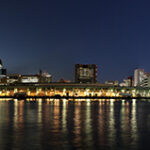
Shiodome Sio-Site was a joint public and private sector redevelopment project completed in 2006. In nearby Shinbashi, eateries and bars built under and into the brick structure of the elevated railway tracks during the Meiji era have become a famous cityscape of this area. We set out to discover what kind of lighting environment exists in this conflicting neighborhood of Tokyo. Red lanterns, single light bulbs hanging under the eaves, colorful luminous signage…All the lighting is warm and inviting. The lighting environment along the streets of Shinbashi is wide and varied, but somehow closes the distance between strangers. Lighting for an elevated pedestrian deck connecting high-rise buildings in the area. The warm colored lighting creates a comfortable atmosphere for a nighttime stroll. The Shiodome high-rise buildings are not showy, and along with the interior office lighting, only a few have facade lighting on the building crowns.
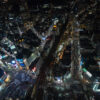
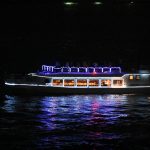
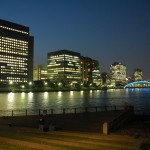
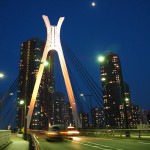
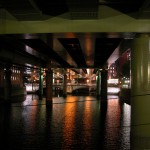
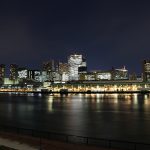
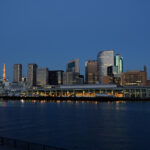
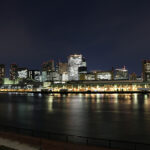
In the heart of Tokyo, Nihonbashi River lies hidden under a system of highway overpasses and the Sumida River is wide and commanding and it cuts through the city. With a variety of bridges, both rivers assert their own unique presence in the Tokyo cityscape. On our own river tour, we encountered the particular water and lightscapes surrounding the bridges and shores of each river. The newly built Nihonbashi Mitsui Tower next to the famous Nihonbashi Bridge. This is the first skyscraper in the Nihonbashi area and as the sun sets, the facade detail is elegantly illuminated. At the historical Nihonbashi District, a variety of lighting methods are on parade, but the highway overpasses keep most of the river hidden from view. Rumors of reconstructing the highway system underground would help revive the scenery along the Nihonbashi River. The main structure of the Chuo-Ohbashi Bridge is beautifully illuminated. The many bridges along the Sumida River compete with each other for top beauty marks, as each is illuminated in a multitude of colors.