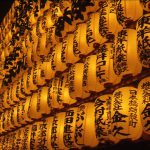
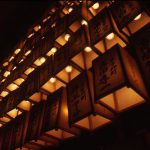
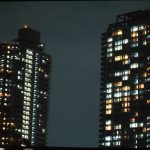
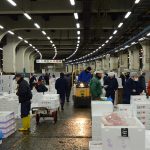
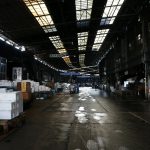
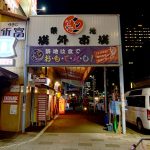
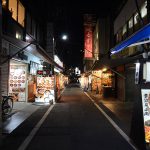
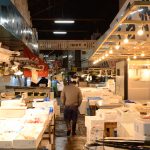
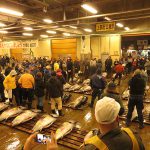
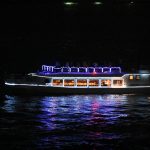
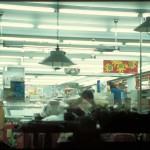
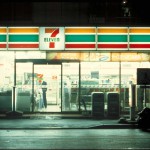
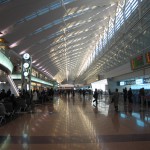
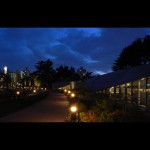
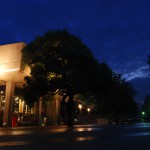
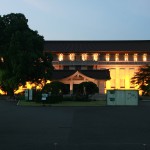
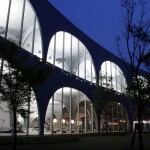
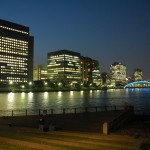
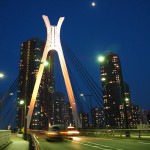
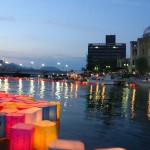
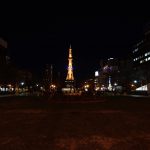
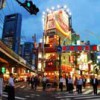
2025.06.26 Yumi Honda +Qiaoxi Wang+ Momoe Nomura We observed and recorded the nighttime light environment of the newly developed commercial complex Senkyaku Banrai in the Tokyo Bay Area and its surrounding public spaces (green plaza, station area, and Gururi Park). We conducted a multifaceted analysis, including the placement of lighting fixtures, illuminance, and the impression of the space, to determine how light affects the atmosphere of the facility and the city in the Toyosu area, which is being developed as a tourist hub. The Toyosu area is a point of interest where the latest urban spaces and the lively atmosphere of shitamachi (old downtown) coexist due to redevelopment. We walked through the area around Toyosu Market Station, the green plaza, and Gururi Park, observing how light design impacts the impression, comfort, and safety of the town. ■Senkyaku Banrai Senkyaku Banrai is a commercial facility that opened in 2024 next to the Toyosu Market. It’s a spot where both tourists and local residents can enjoy the array of restaurants and souvenir shops. Through architecture and lighting design incorporating traditional Japanese motifs, it exudes a uniquely Japanese warmth and vitality, even within the contemporary urban nightscape. The lighting plan inside the facility is unified, as befitting a new commercial complex, and was designed with both aesthetic appeal and functionality in mind. The main path lighting uses warm, incandescent colors, creating a nostalgic atmosphere reminiscent of a Showa-era shopping street. This fosters a…
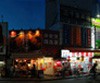
Shimokitazawa is a neighborhood of small shopping streets and alleyways, projecting a strange, but comfortable atmosphere, as people crowd the backstreets until late in the night. However, plans to replace this quaint neighborhood with arterial roads and high-rises are underway. The detectives took what maybe a last chance to survey this area before it is “defaced.” The top half and rooftops of most buildings do not have any luminous signage. As a result, a bird’s eye view of this neighborhood is actually fairly dark. The station front plaza is filled with people listening to music from sidewalk acts or looking at street art. The crowds of people naturally overflow into a nearby street. If an arterial road is planned for this area, this atmosphere will be lost forever. Two streets back-to-back, but built to two different scales and with two different demeanors. On the left is Shimokitazawa`s main south entrance shopping street. With many interior decor shops, the lighting is bright and color temperature is high. One street inside and the atmosphere and lighting are more relaxed. Low color temperature, incandescent lamps from restaurants, cafes, and bars are the main source of light.
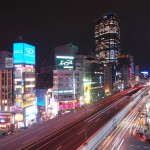
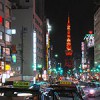
Under a rush of redevelopment, this is a huge period of transition for the area surrounding Shinjuku. On this survey, we were met by soft light filtering out of tall skyscraper windows, brilliant signage on facades and rooftops, and crowds of people along the streets and alleyways. Shinjuku Station South Entrance is in the middle of a redevelopment project scheduled to be complete in 5 years. A multitude of fluorescent lights line the pedestrian walkways with such an intense brightness that the surrounding scene is almost invisible. Six o`clock in the morning and waiting for the sun to come up on Yasukuni Street. Calm is finally starting to settle over Kabukicho, but still brightly lit signage are but glaring reminders of the nightlife. Brilliant advertising and signage along Yasukuni Street acts as an entrance gate to Kabukicyou. The bight lights entice many, who are aimlessly swallowed up by Kabukicho.
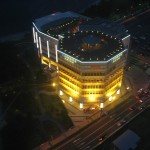
Bangkok, a city in a swirl of on-going change. In our previous survey of Tokyo’s Kanda River, we discover that the backs of buildings face the river creating and area of dark contrast in the middle of the city. But here along the Chaopraya River the opposite is true with the front facades lining the waterfront. Open-air restaurants and bars occupy the rooftops, as the spectacle of the city spreads out below. The Millennium Hilton, Bangkok, opened in May of 2006, is the first major hotel brand to open a hotel in the country in 20 years. The hotel boasts 543 riverfront rooms. With a UFO-like disk on top of the building, the cool-modern design stands tall among the neighboring structures. Along the riverfront, a private pier is provided for guests and dinners at the restaurant and bar. As river taxis come and go, the warm spots of light along the river reflect and shimmer on the water surface. Scirocco, one of many open-air restaurants, is approximately the same height as the special observation room at Tokyo Tower, 246 meters above ground, but without the glass barrier!. Without a glass window the lights of the city below seems so much more clear and real!! At the next table sat an older coupe that came to watch the sunset. The woman was surprised when presented with a big bouquet of flowers, undoubtedly a romantic gesture from her husband. A single candle…
Shiodome Sio-Site was a joint public and private sector redevelopment project completed in 2006. In nearby Shinbashi, eateries and bars built under and into the brick structure of the elevated railway tracks during the Meiji era have become a famous cityscape of this area. We set out to discover what kind of lighting environment exists in this conflicting neighborhood of Tokyo. Red lanterns, single light bulbs hanging under the eaves, colorful luminous signage…All the lighting is warm and inviting. The lighting environment along the streets of Shinbashi is wide and varied, but somehow closes the distance between strangers. Lighting for an elevated pedestrian deck connecting high-rise buildings in the area. The warm colored lighting creates a comfortable atmosphere for a nighttime stroll. The Shiodome high-rise buildings are not showy, and along with the interior office lighting, only a few have facade lighting on the building crowns.