2018/10/13-23 Mikine Yamamoto + Kouki Iwanaga This was our first South American survey in about 15 years. We tracked the light expression of Rio de Janeiro, a port city marked by both entertainment and poverty, which hosted the FIFA World Cup in 2014 and the Olympics in 2016 and has become increasingly international. While possessing famous coasts like Copacabana and Ipanema and being counted as one of the world’s three most beautiful harbors, it also has the “favela” slums covering its hillsides. Surrounded by magnificent nature, Santiago, Chile’s largest city, has annual rainfall of only about 360mm, meaning it is sunny for most of the year. We investigated the lighting situation of this city blessed with natural light. The nightscape from Pão de Açúcar: A beautiful contrast created by the rich topography Viewing Copacabana Beach from Pão de Açúcar Favelas built on the mountain slopes ■Rio de Janeiro / Brazil Rio de Janeiro is an international tourist city that hosted the Carnival and the Olympics in 2016. It is said to be a microcosm of the country, where light and darkness coexist: scenic areas with beautiful topography blending nature and culture are situated next to slums. We surveyed the light expressions of this city, which has various faces, including the glamorous light of tourist and resort areas, and the strangely glowing light of the favelas (slums) where poor communities gather, reflecting the lives of the people.The suburbs leading from the…
Muslim District within New Development Context2025.11.06-11.09 Quratuaini Jamil + Xu Sunny The survey aims to examine the Muslim Quarter District with a focus on its religious, cultural, and urban context, while assessing how it integrates with the emerging modern development within Xi’an. ■ Brief Summary of Lighting SurveyWith a vast metropolitan population of 12.9 million—of which 4.45% reside in the urban center—Xi’an is a renowned historical and cultural hub in China that pursues an urban planning strategy blending tradition with modernity. The city integrates its rich heritage with the demands of contemporary development while carefully safeguarding key cultural areas. A prime example is the Muslim Quarter, which plays a crucial role in preserving living heritage, ethnic diversity, and the traditional urban fabric. Xi’an’s planning approach emphasizes “development within preservation and preservation within development,” reflected in the harmonious coexistence of new growth and historic architecture. Accordingly, this research focuses on how the old and new parts of the city—particularly distinct areas like the Muslim Quarter—are effectively integrated. ■Xi’An Muslim QuarterOn the first day, we observed the Friday congregational prayer at the Great Mosque of Xi’an. This visit provided a valuable opportunity to study the mosque’s internal spatial organization and architectural characteristics. The Great Mosque of Xi’an is distinctive for its unique synthesis of traditional Chinese architectural language and Islamic religious functions. It differs markedly from the Middle Eastern style—characterized by prominent domes and tall minarets—commonly seen in places like Singapore. Instead,…
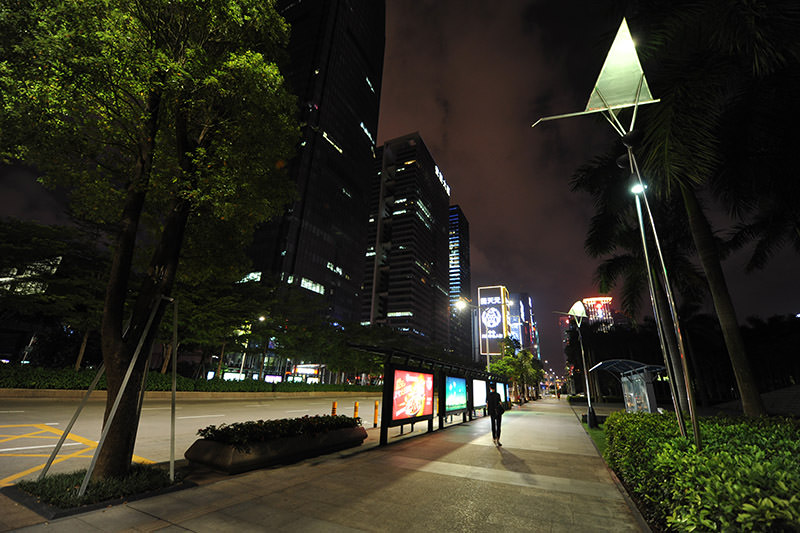
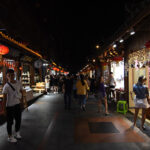
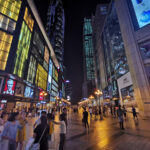
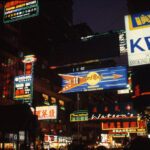
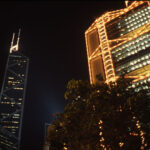
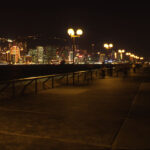
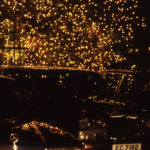
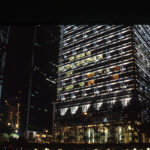
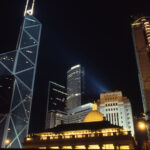
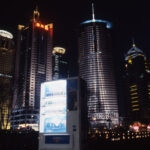
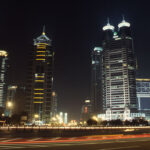
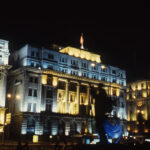
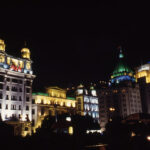
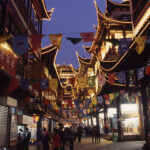
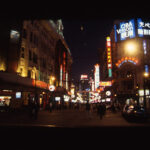
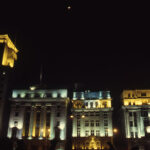
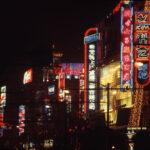
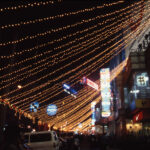
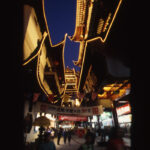
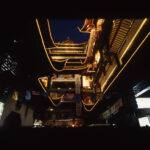
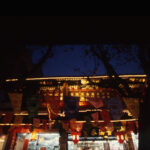
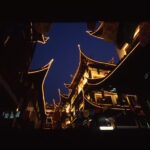
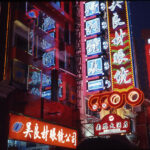
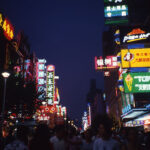
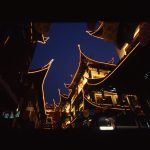
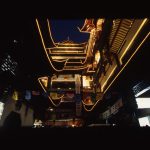
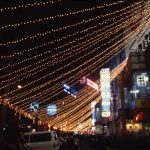
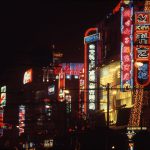
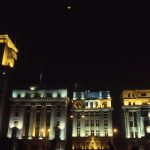
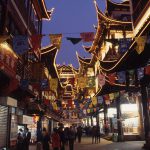
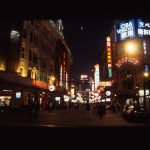
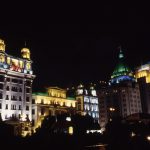
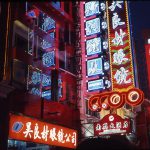
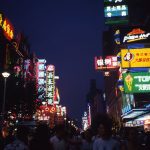
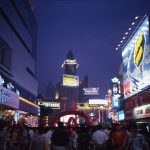
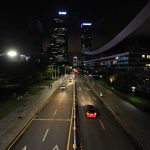
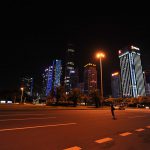
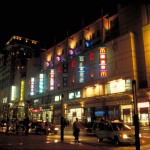
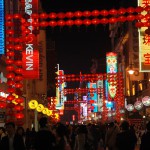
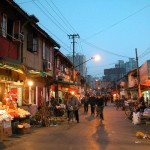
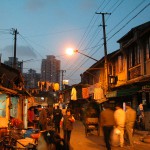
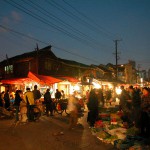
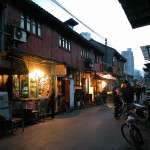
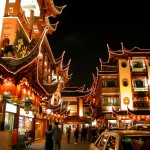
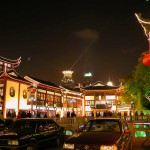
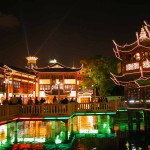
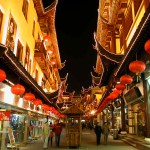
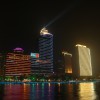
Developing Shanghai is propaganda for the world to see, as the streets of Shanghai seem to explode at night under the glitzy lights of this nightscape. One night the groups of row houses were removed, and the next, modern architecture appeared in their place. There was no time for theorizing about lighting culture, and the city became engulf in a flood of light. Shanghai is a gathering place for people from all over China. The bear light bulbs hanging in the streets cast skeptical glances over this developing city, but preserve the chaotic charm of the back streets. Daily development and innovation in the Pudong Xingqu District. Architecture from the colonial period is still standing in Bund, but the glitzy lights are more liable to catch one`s eye.
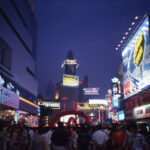
Tianjin is situated 150km east of Beijing and easily reached in a 30-minute high-speed train ride. Historically, foreign influence including the UK and Germany has shaped the western-style architecture and streetscape that this city is famed. Tianjin also poses the largest harbor in Northern China, a gateway for this economical and technical development zone. Upon exiting the main station, a panoramic view of the city awaits. The western architecture, remnants from the foreign settlements era, is illuminated in low-color temperature light and stands in contrast to the newly constructed skyscrapers. A historical western architectural structure is now used as a banking facility. At night, orange-colored fluorescent and high-pressure sodium lamps softly illuminate the facade. Downtown is also bustling with construction. During the day the area is swarming with shoppers and construction site workers. At night, mega size digital media, neon signage, and colorful lanterns are everywhere, with even more foreseeable in the future as the construction boom continues.
Worldwide City Lighting Report in Copenhagen / Stockholm December 2-9, 2017 | Written by: Hu Lin and Simeng Huang Located in high latitudes on the Northern Hemisphere, northern European countries including Norway, Sweden, Finland, and Denmark are known to be very unique in terms of the seasonal natural phenomena – the midnight sun during the summer, and the polar night during winter. In this December, we went to some of the cities experiencing the polar night during winter to research lighting environment. Considering extremely long night hours can affect circadian rhythm, are city lighting and residential lighting in those countries designed to eliminate the problem? In this trip we closely looked at the light environment that are unique to Northern Europe, gained through observation of public facilities and residential lighting. Here is the research results. Christiansborg Palace Pole lamps at bicycle parking outside the Danish Parliament Catenary lighting illuminating the roadway ■Copenhagen, Denmark In Copenhagen, the capital of Denmark, classic design and contemporary design co-exist, each divides the city into visually distinctive areas. An area across a canal is on a new development with various kinds of new buildings are being constructed. If you walk in this city, you will feel the history of Copenhagen and be convinced how this city takes creative culture so important. ■Classical Lighting Copenhagen is a city where you can feel its history reflected upon the classical architectural design and how they use light. The city is…