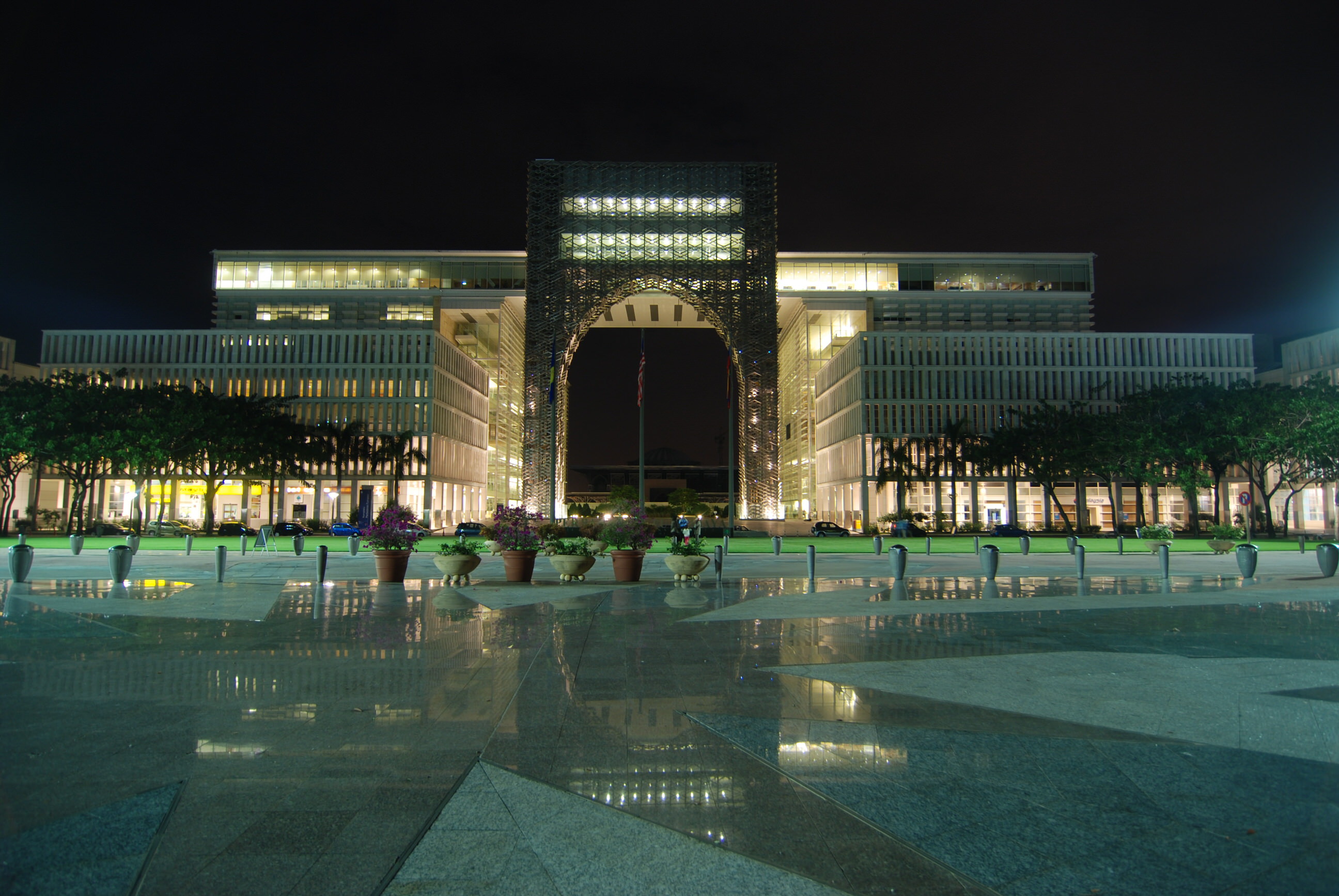
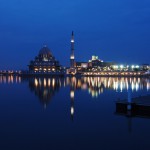
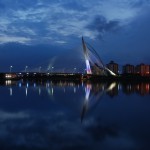
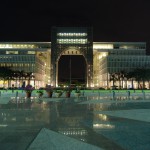
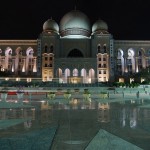
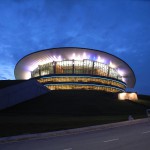
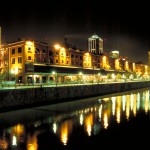
Putrajaya has been developed as the new center for government since its functional move from the former capital Kuala Lumpur. The city planning is very representative of the nation’s authority and symbolic in nature with a very elaborate lighting plan in progress. This main road is a prime example of the sense of authority this city invokes. Its symmetrical design and point of view are very important aspects. The lighting methods and luminance levels are also very detailed and divided by function. View of the office of the Prime Minister and Putra Mosque in the center of Putrajaya. The lighting for this Islamic style of architecture reflects in the water and tints it blue for a fantasy like nightscape. The center of Putrajaya is built around a man-made lake, making bridges an integrate part of city life. Many unique bridge designs are part of this urban landscape.
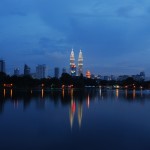
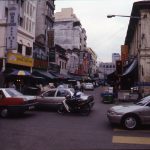
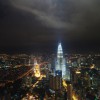
Kuala Lumpur is one of the major cities of Southeast Asia. Recent economic grow has transformed the city, with numerous skyscrapers now dotting the skyline. The outdoor market is a conglomeration of people who seem to naturally congregate here, creating a vibrant and energetic atmosphere. The Petronas Twin Towers, a world-famous symbol of Kuala Lumpur, are brightly illuminated, almost to a dangerously intense level. However since the surrounding cityscape is very dark, the sight of the glowing towers creates an almost beautiful nightscape. Bukit Bintang is the predominant entertainment district in Kuala Lumpur. The area is a showcase for many different lighting methods, but without uniformity. An assortment of lighting elements was my first impression on a walk down the street. Away from the center of the city, Titiwangsa Park is a popular nightscape viewing spot for young couples. Even at this distance the Twin Tower’s reflection on the surface of the lake is a powerful reminder of its overwhelming presence.