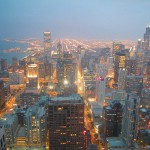
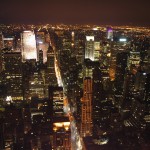
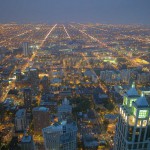
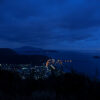
Urban Light and Natural light in Western Australia2025.10.28 – 11.01 Hongna Chen + Puyu Wu This lighting survey investigates the influence of Western Australia’s local culture and natural landscape on its lighting environment, exploring whether its relative remoteness has led to distinctive approaches in lighting design. For this purpose, field investigations were conducted in Perth and its surrounding natural areas. ■ Perth’s Geographic LocationPerth is a city in Western Australia and is often described as the world’s most isolated major city. This characterization stems from its extreme remoteness with the Indian Ocean to the west, vast outback deserts to the east, and long distances from other major cities—about 4,000 km from Darwin, 2,700 km from Adelaide, and over 3,000 km from eastern cities such as Sydney and Melbourne. The unique nightscape of such a “remote” city is the central focus of this survey. ■ Panoramic Night ViewTo take in the city’s nightscape from above, we chose King’s Park, the largest park in Perth. The park is a popular recreational spot for locals. On our way up, we saw many people hiking, picnicking, and sunbathing. We joined them at the hilltop to await nightfall. From Kings Park, Perth’s nighttime view clearly reveals the structure of the city’s lighting. The CBD skyline is defined by clusters of bright, cool-white light from office towers, while the streets below form a grid of warmer, yellow streetlights. The Swan River is faintly outlined by ambient…
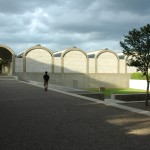
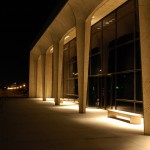
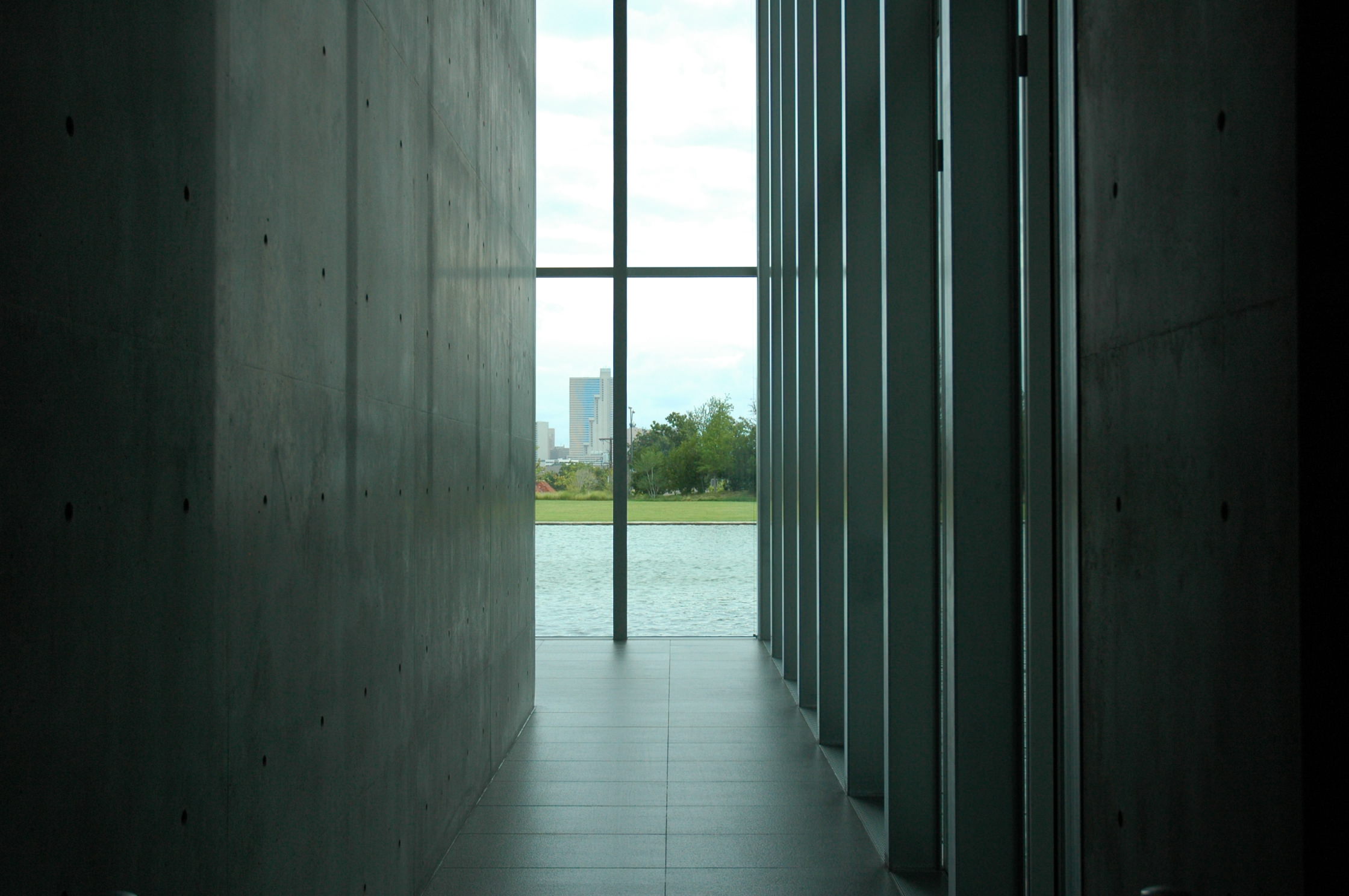
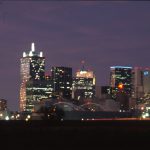
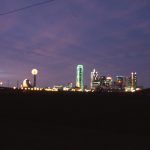
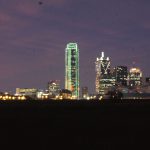
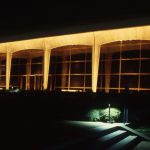
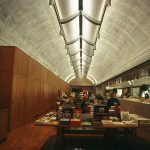
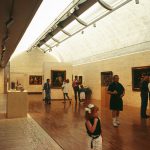
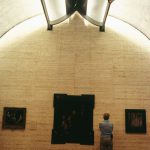
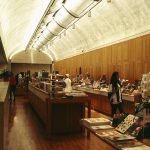
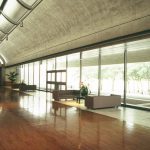
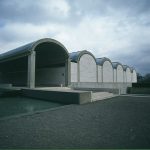
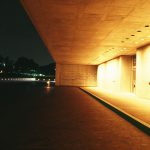
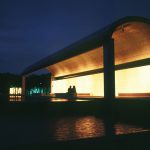
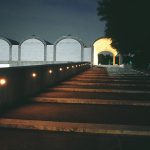
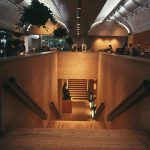
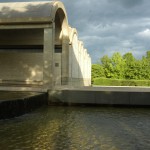
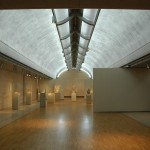
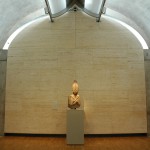
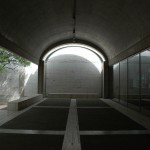
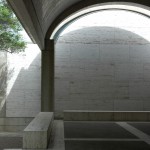
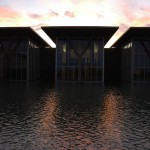
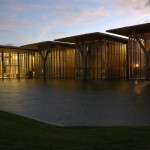
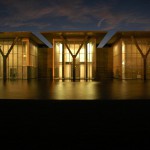
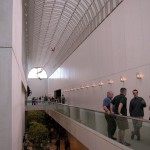
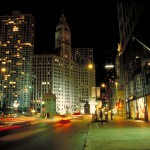
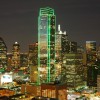
Dallas, the stage for the assassination of President Kennedy and Fort Worth, a city of culture that attracts architects and designers from around the world. However, both cities have to compete under the hot Texas sun, with most buildings fitted with walls of heat reflective glass. This building style leaves only the edge of buildings for accent lighting, which often reflects onto nearby buildings. From Reunion Tower, looking towards the glass skyscrapers in the west end of downtown Dallas. Strong accent light for other buildings is seen reflected in the facade. The interior of Louise Kahn’s Kimbell Art Museum, where his words “Light is the Theme” still echo. Natural light filters in through a slit opened at the top of the vault and reflects off of reflectors fitted into the architecture. The reflected light turns the vaulted ceilings brilliant silver. The Modern Art Museum of Fort Worth designed by Tadao Ando and completed in 2002. The main walls seen from the outside are lightly wall washed without intruding on the art pieces and exhibition space. The outer perimeter of the building reflects clear design intent in the careful composition of high-quality light. In the evening, reflections on the surface of the surrounding pond present another angle to this building.
2023.01.20-01.22 Yuichi Anzai+ Chuanyi Liu ■Kozushima Village Kozushima is located about 180 kilometers south of central Tokyo with a population of about 1,800. The terrain is complex, with almost no flat land. The village is located in the center of the island at the foot of Mt. Tenjo. The impetus for the starry sky protection activities on Kozushima came from a comment made during a student internship program by the Tourism Foundation in 2016, that the night sky was as beautiful as a planetarium. The starry sky, a common sight on the island, has become a tourism resource. An island-wide effort to protect the sky began. Specific efforts include replacing streetlights and security lights with fixtures with 0% upward luminous flux and 2,700K color temperature, holding explanatory meetings for residents and regular workshops with experts to gain their understanding and cooperation in light pollution and starry sky protection activities, training islanders as guides, and holding star gazing events to protect the night sky from light pollution and communicate the appeal of the starry sky both on and off the island. The island is also working to protect the night sky from light pollution and convey the charm of the starry sky to the public. The “Light Pollution Prevention Ordinance to Protect the Beautiful Starry Sky of Kozushima Village,” which specifies the responsibilities of residents and businesses to prevent light pollution, will be enacted in 2019, and rules are being developed to…