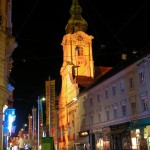
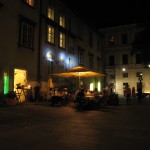
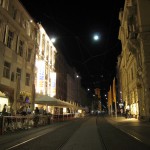
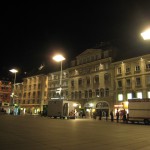
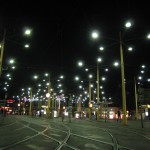
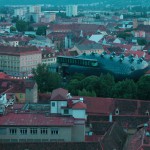
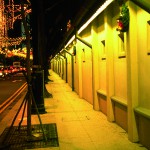
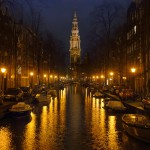
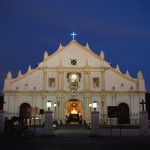
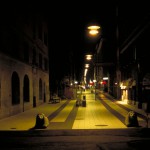
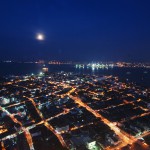
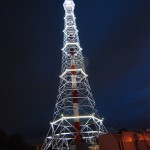
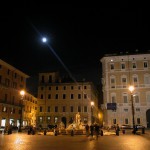
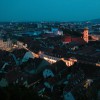
Graz is the second largest city in Austria. The Mor River runs through the center, with old cityscape and warm-colored street lighting giving the city a cozy feel. On the other hand, Kunst Haus and other newer architecture have added an element of the arts with a system of reflection streetlights also creating a new face for this city of culture. From the top of castle hill, with its large clock tower, Uhrturm, the City of Graz is in full view. Photo to the right, city hall offices in the city center. The building facades along Herrengasse Street are also up lit for a festive atmosphere as the sun goes down. The Kunst Haus, built along the Mor River and in the middle of the old cityscape, resembles a spaceship just blasting off. Fluorescent lights are mounted on the main facade and at night a program controls the fixtures, sometimes turning it blazing white. Reflection streetlights in the plaza before city hall. These streetlights are visible in many places throughout the city.
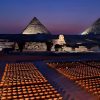
2024.10.31-11.3 Makalin Wongchinchai + Stell Li Egypt, land of secrets, a place full of history, mystery and amazing stories. We wanted to see not only thefamous pyramids, but also a lot of interesting cities and lightings in the night. To explore the lighting in Egyptian daily life, we chose to visit two main cities in Greater Cairo Area for four days. ■Introduction Egypt, one of the world’s oldest civilizations, is home to the pyramids, deserts, the Nile, and its vibrant capital, Cairo, where ancient and modern worlds meet.To explore this one of the most historical countries in the world, we chose to visit two main cities in Greater Cairo Area —Cairo (the captial city of Egypt) and Giza (with Memphis and its Necropolis – the Pyramid Fields from Giza to Dahshur ).As the sun sets over the city, Cairo & Giza transforms into a dazzling display of lights and enchantment. The bustling streets come alive with vibrant energy. As locals and visitors alike gather in cafes, shisha lounges, and bazaars, embracing the rich Egyptian culture that thrives well into the night, we surveyed lightings on Cairo & Giza’s daily life. ■Cairo The Khan el-Khalili market has always been a hub of trade and commerce since it was established in 14th century. Walking in this maze-like narrow streets was like taking a journey back in time.During the day, the sunlight was intense. When the sun shines through all kinds of awnings,…
Diriyah, KAFD and Metro stations Riyadh2025.11.16 – 11.18 Gita Listia The purpose of this Riyadh lighting survey is to explore the characteristics of old urban areas and new developments in KAFD Riyadh, with a particular focus on their metro stations. The study aims to understand how each area expresses its identity through public space lighting and how lighting strategies are applied in major infrastructure such as metro station. ■Diriyah Diriyah is a historic area on the north-west side of Riyadh and one of Saudi Arabia’s most important cultural heritage sites. Located along Wadi Hanifah, about 15 km from central Riyadh, it reflects the early history of the city. Today, Diriyah is being developed into a vibrant heritage, cultural, and lifestyle destination, where historic preservation is carefully combined with modern urban design. The lighting in Diriyah is designed to be subtle and heritage-sensitive. Very warm white tones are used to complement the Najdi mud-brick architecture, creating a calm and welcoming night-time atmosphere. Pole lights and bollards in Diriyah feature distinctive shapes, patterns, and warmer colour temperatures compared to typical street lighting in other parts of Riyadh. This traditional lighting character clearly signals that visitors are entering a cultural and heritage area. ■At-Turaif At-Turaif is the birthplace of Saudi history and represents the cultural core of Diriyah. It is recognized as a UNESCO World Heritage Site. Lighting at At-Turaif is highly restrained and conservation-focused. Soft grazing and wall-washing techniques are used to gently…
Urban Light and Natural light in Western Australia2025.10.28 – 11.01 Hongna Chen + Puyu Wu This lighting survey investigates the influence of Western Australia’s local culture and natural landscape on its lighting environment, exploring whether its relative remoteness has led to distinctive approaches in lighting design. For this purpose, field investigations were conducted in Perth and its surrounding natural areas. ■ Perth’s Geographic LocationPerth is a city in Western Australia and is often described as the world’s most isolated major city. This characterization stems from its extreme remoteness with the Indian Ocean to the west, vast outback deserts to the east, and long distances from other major cities—about 4,000 km from Darwin, 2,700 km from Adelaide, and over 3,000 km from eastern cities such as Sydney and Melbourne. The unique nightscape of such a “remote” city is the central focus of this survey. ■ Panoramic Night ViewTo take in the city’s nightscape from above, we chose King’s Park, the largest park in Perth. The park is a popular recreational spot for locals. On our way up, we saw many people hiking, picnicking, and sunbathing. We joined them at the hilltop to await nightfall. From Kings Park, Perth’s nighttime view clearly reveals the structure of the city’s lighting. The CBD skyline is defined by clusters of bright, cool-white light from office towers, while the streets below form a grid of warmer, yellow streetlights. The Swan River is faintly outlined by ambient…