A Free and Open Public Participation event! Date and Time:Nov 2012 (Sat), 6:30 – 8:30 pm Venue: Merlion Park, One Fullerton@ Marina Bay Organizer: The Lighting Detectives Singapore In collaboration with: The Fullerton Heritage Supported by: Japan Creative Centre Venue: Marina Bay Turn off the lights and take it slow. Candle Night @ Marina Bay, Singapore 2012 This year, we marked the 3rd Candle Night Event in Singapore. The Lighting Detectives and students from local schools created large-scale candle light installations around the Merlion Park and One Fullerton, while members of the public were invited to decorate lanterns to celebrate the Merlion`s 40th birthday. As Candle Night coincided with the Mid-Autumn Festival, visitors also paraded through the Merlion Park with their own lanterns and enjoyed candles in a peaceful and relaxing atmosphere.
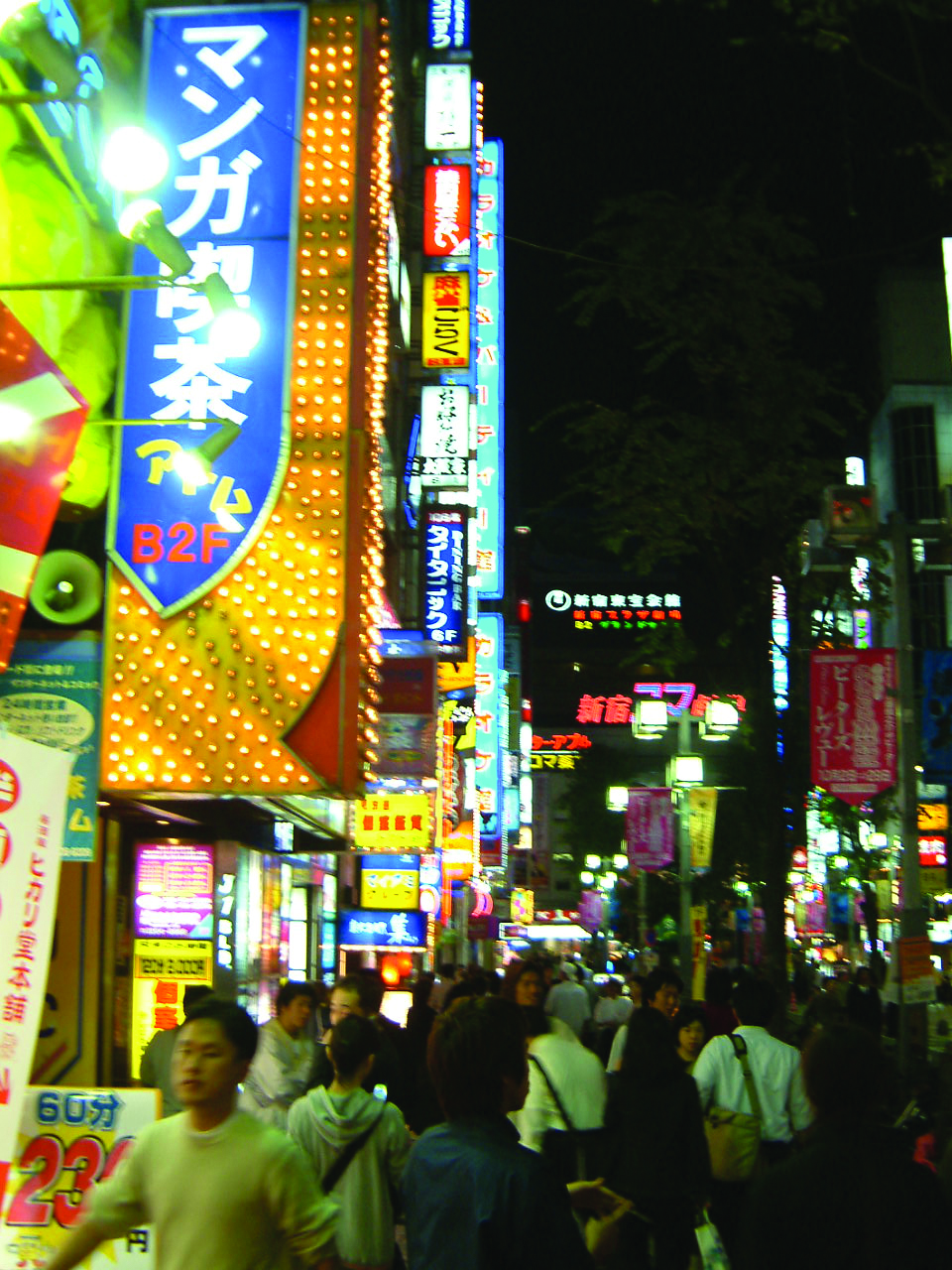
A city for the young and young at heart, Shibuya. The area is composed of a mess of streets all with a different atmosphere, including a few main streets connected by narrower alleyways. Each street has developed its own personality and role, including lighting conditions to create the Shibuya night. From the scramble intersection in front of Shibuya Station, 3 distinctive roads, Dogenzaka, Center Gai, and Koen Dori radiate. After dusk, the lights come on and the personality of each street is even more clearly defined. As the title implies, Center Gai is the center of Shibuya geographically and caters to the young as the center for shopping and entertainment. This street is full of light. Each shop seems to be competing for the brightest facade with infinite amounts of luminous signage and advertising, creating a 3-dimensional playground. Dogenzaka is a festive street with a steady flow of pedestrians, but turn down one of the narrow side streets and the atmosphere changes immensely. The facades of many love hotels packed into the area are saturated with color creating a seedy blend of light and young couples prowling the Maruyama-cho area.
Over a 13 year period I have written 76 Mende Notes. I tried, very diligently, to write one every month, but some things just don`t go as planned. So, now I donate this supposed “Note” writing time to a monthly hour and a half lunchtime chat with a LPA staff member. This new column, “Coffee Break with Mende and Me”, is an opportunity to talk frankly with my staff about lighting, design, architecture, or other worldly problems. Whatever they are interested in is the topic of the interview. So enjoy these monthly chats as I will too, over a cup of coffee with my staff.
The largest Chinatown in Japan has become an established feature of the Yokohama downtown area, but still an area with its own culture and identity. We surveyed Yokohama to discover the Chinese style of lighting environment alive within Japan. At night, there are many hanging lanterns with soft glowing light. This “Light with a Shape” or, through colorful shades, “Light with Color” is a staple of Chinatown and helps to create excitement and a sense of elation. Along the main street there is no specific street lighting, but shop lighting and luminous signage create a natural ambiance along the street. Most structures have columns painted red and use warm tone lighting, but the facade design and signage is all different. This unification of the streetscape through color temperature creates a balance and lasting impression of Chinatown.
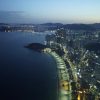
Date of Issue: 23 August, 2024 ・-Activity 1 / City Night Survey – Busan, South Korea(2024.05.16 – 05.19)・-Activity 2 / Children Workshop in Omishima Island(2024.07.13) City Night Survey: Busan, South Korea2024.05.16 – 05.19 Mari Kubota+ Noriko Higashi Busan, South Korea’s second-largest city, is one of the world’s major port cities. In recent years, it has also gained fame as a hub for tourism and film. We surveyed the lighting in Busan, which is also a member of LUCI (Lighting Urban Community International). South Korea is a close neighbor, just 1.5 hours from Tokyo by plane, making it a popular destination for quick and affordable trips. Busan, the second-largest city in South Korea, is not only a tourist destination but also a major port and an entertainment center, hosting film festivals. As a member of LUCI, Busan has been focusing on urban lighting as part of its urban planning. In 2015, the city developed an extensive overview of its nightscapes, resulting in the Busan Urban Light Policy for 2030. This policy has been updated several times, reflecting the city’s ongoing efforts in implementation and improvement. The guidelines divide Busan into several zones, each with lighting tailored to its specific characteristics.We traveled to Busan to assess whether the city’s lighting contributes to safety, beauty, attractiveness, and the local economy at night. ■Jagalchi Market Jagalchi Market is South Korea’s largest seafood market, selling both fresh and dried fish. After purchasing seafood on the first floor, visitors…
This website uses cookies to improve your experience. We'll assume you're ok with this, but you can opt-out if you wish. Cookie settingsACCEPT
Privacy & Cookies Policy
Privacy Overview
This website uses cookies to improve your experience while you navigate through the website. Out of these cookies, the cookies that are categorized as necessary are stored on your browser as they are essential for the working of basic functionalities of the website. We also use third-party cookies that help us analyze and understand how you use this website. These cookies will be stored in your browser only with your consent. You also have the option to opt-out of these cookies. But opting out of some of these cookies may have an effect on your browsing experience.
Necessary cookies are absolutely essential for the website to function properly. This category only includes cookies that ensures basic functionalities and security features of the website. These cookies do not store any personal information.