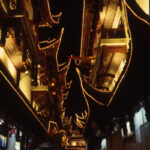
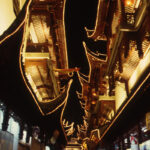
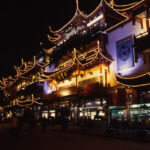
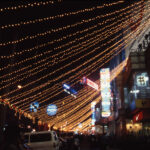
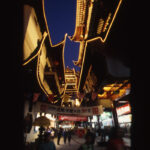
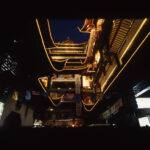
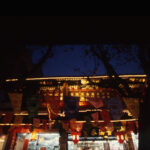
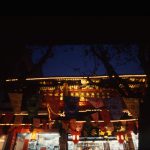
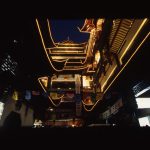
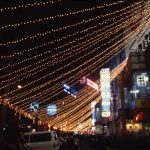
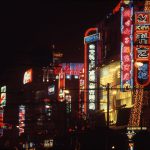
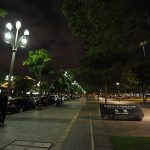
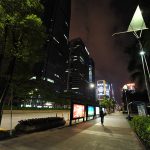
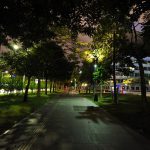
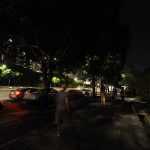
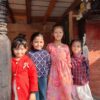
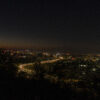
Nightscape in Jingmai Mountain2023.12.08 – 12.13 Kyoko Takubo + Hongna Chen Located on the southwest border of China, Jingmai Mountain is the birthplace of Pu’er tea, where the indigenous people have created an ancient tea forest cultural landscape, which was registered as a UNESCO World Heritage Site in September 2023.While working on the project, we became interested in the local culture. So we decided to survey the villages at night and to observe and report the impact of tourism development on the local nightscape. ■Introduction Visiting Jingmai Mountain isn’t easy. First, spend the night in Kunming, then leave early morning for the destination by plane or train.We had planned to fly from Langcang Jingmai airport, but our flight was suddenly cancelled. So we had to travel to Pu’er by train and grab a cab to Jingmai Mountain.During our stay, we were based in Huimin Town where our project TEA CELLAR is located. We visited Nuogang Village, Wengji Village, and Jingmai Village to observe the people’s daily life and the nightscape there. ■ Nuogang Village Nuogang Village is a historic village of the Dai tribe, where the villagers have maintained their traditional lifestyle. The first floor of the house, with its distinctive gabled roof, is used for tea production and for the teahouse. The second floor with a tiled roof is a living space.The owner of the teahouse told us that the first floor is open to guests and the family…
Lighting Survey: Nepal 2023.11.12 – 2023.11.14Mayumi Banno Xianyu Liu (Flower) Kathmandu Valley, a World Heritage Site encompassing Kathmandu, Patan, and Bhaktapur; how is the city faring now after the devastating earthquake of 2015? During Tihar, Nepal’s festival of lights, we visited the capital city of Kathmandu and the adjacent ancient city of Bhaktapur. ■IntroductionHow are Nepal’s cities faring after the 2015 earthquake? During Tihar, Nepal’s festival of lights, we visited the capital city of Kathmandu and the adjacent ancient city of Bhaktapur to explore the reconstruction and the lighting environment during the festival. From the plane overlooking the whole of Nepal, shocked by the twinkling lights of the stars. Nepal is a country with a high national happiness index, but it is also very poor. But when I saw this from the plane, I was surprised, I thought Nepal would have no lights, or very little lights. Later, I heard local people say that because it is the New Year, every family will prepare the colored lights, decoration, and create a lively atmosphere. (Flower) ■KathmanduKathmandu is located at an altitude of about 1,400 meters. In mid-November, when we visited, the days were hot and sunny, but the nights were cooler than 10 degrees Celsius. The city was filled with the hustle and bustle of the Hindu festival of Lakshmi, the goddess of wealth and happiness, to pray for wealth and health, and the New Year who live in this region….
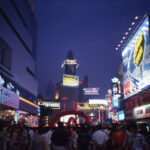
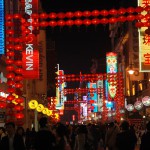
2023.09.22 – 2023.09.26 Ke Yonglin + Chuanyi Liu
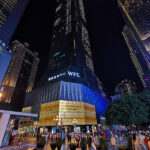
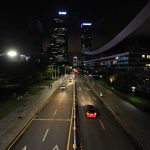
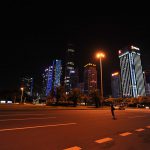
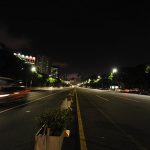
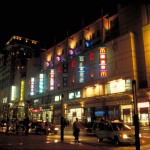
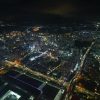
2025.09.12 & 09.18 Lin Hu + Jiang Kunzhi + Lin Huangyi Shenzhen evolved from a fringe town into a high-tech metropolis in about 45 years, and its bold, sustainable urban lighting planning stands out nationally. A two-day field study examined nightscape patterns in its three CBDs, media façades in Futian, and the functional lighting design of the new Gangxia North Metro Station. Unlike older, historically rich Chinese cities, Shenzhen started as a peripheral town and in just about 45 years has become a high-tech modern metropolis. Thanks to its local legislative autonomy, Shenzhen’s urban planning is highly experimental and often serves as a model for other Chinese and even international cities. In urban lighting planning, Shenzhen is a national frontrunner: its nightscape design is bold and innovative, yet the city has also enacted special regulations for ecological protection and light pollution control, showing a clear commitment to sustainability. However, some lighting projects still spark social debate over energy consumption, light pollution, and the use of public resources. To understand more of Shenzhen’s current nightscape, the Shenzhen office team conducted a two-day field study with Mende-san and Kasai-san, focusing on three themes: 1. Nightscape of the three main CBDsWe visited the observation deck at 540 m on the Ping An Finance Center in Futian to take in the scale and layout of the city at night. Looking east toward Luohu, the skyline shows a mix of old and new high-rises, reflecting Shenzhen’s…
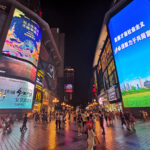
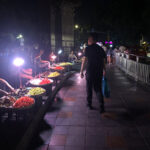
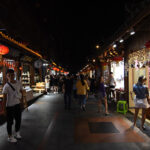
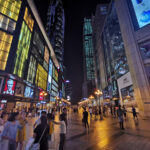
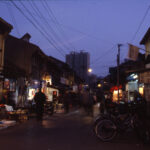
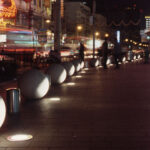
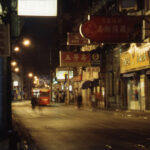
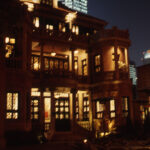
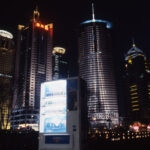
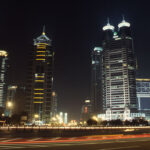
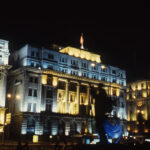
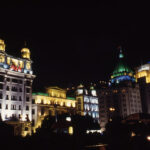
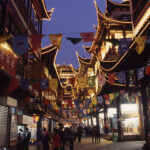
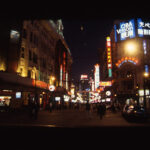
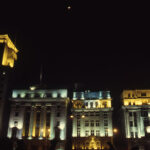
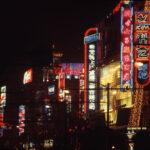
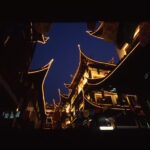
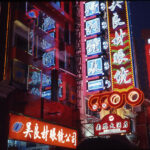
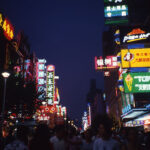
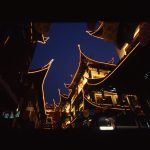
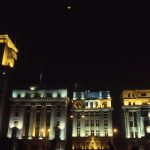
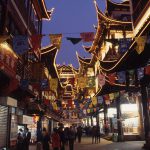
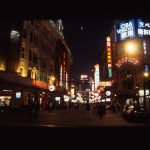
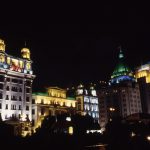
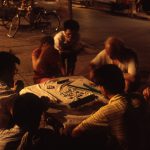
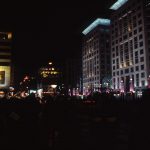
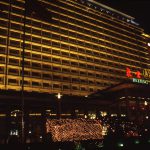
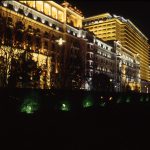
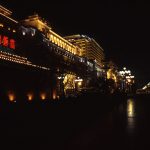
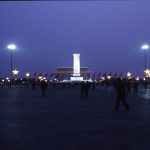
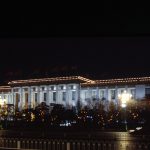
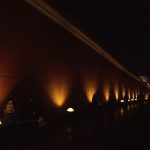
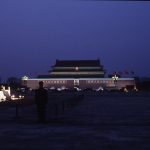
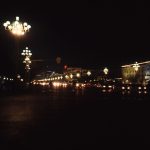
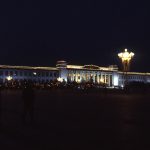
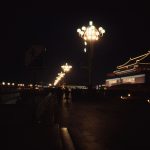
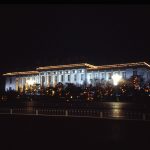
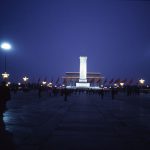
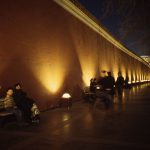
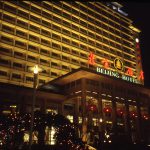
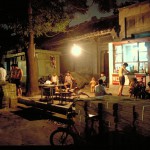
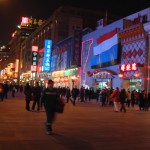
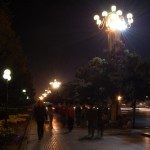
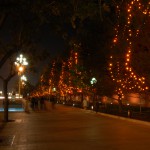
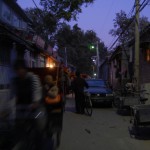
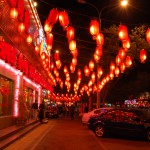
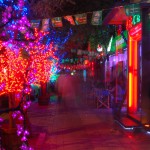
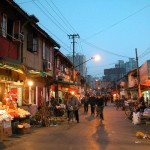
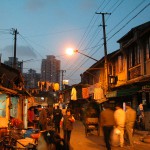
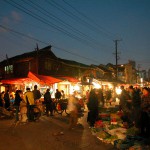
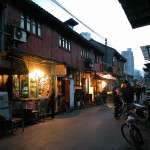
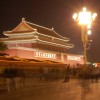
From post-Olympic pride to the celebration of the 60th Anniversary of China as a nation, China is a very vibrant place. In this country where government is central, we discovered elaborate, but regulated lighting, lighting embellished by economic development, and traditional lighting. The old and new intermingle along the streetscape of this constantly changing city. An air of excitement in Tiananmen Square, Beijing. One of the largest plazas in the world, it is brilliantly illuminated and crawling with tourists late into the night. The elaborately controlled lighting is overpowering, a possible symbol of the nation’s authority. A relic alleyway from the Ming Dynasty winds through a residential area. Traditional neighborhoods are built to the human scale with the glow of lantern light dispersed among the alleyways. People are drawn to the lit doorways and their energy spills out into the streets. After 10pm the facade lighting dims and the architectural structure of the National Stadium, or “Birds Nest” is highlighted. The icon seems to be wrapped in a silent kind of glory. Many of the high-rise buildings in the CBD are illuminated at night, a reflection of the recent economic boom.