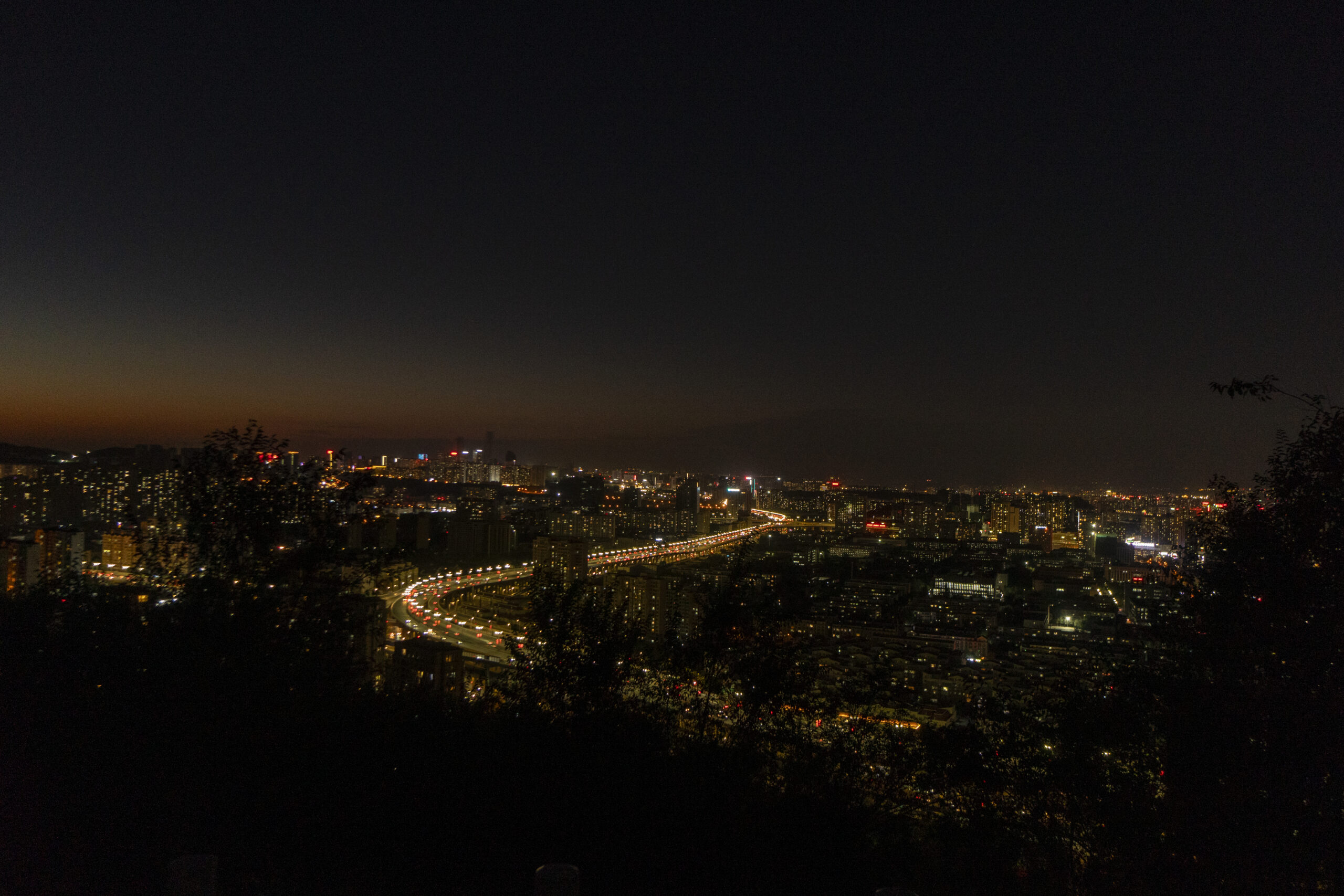
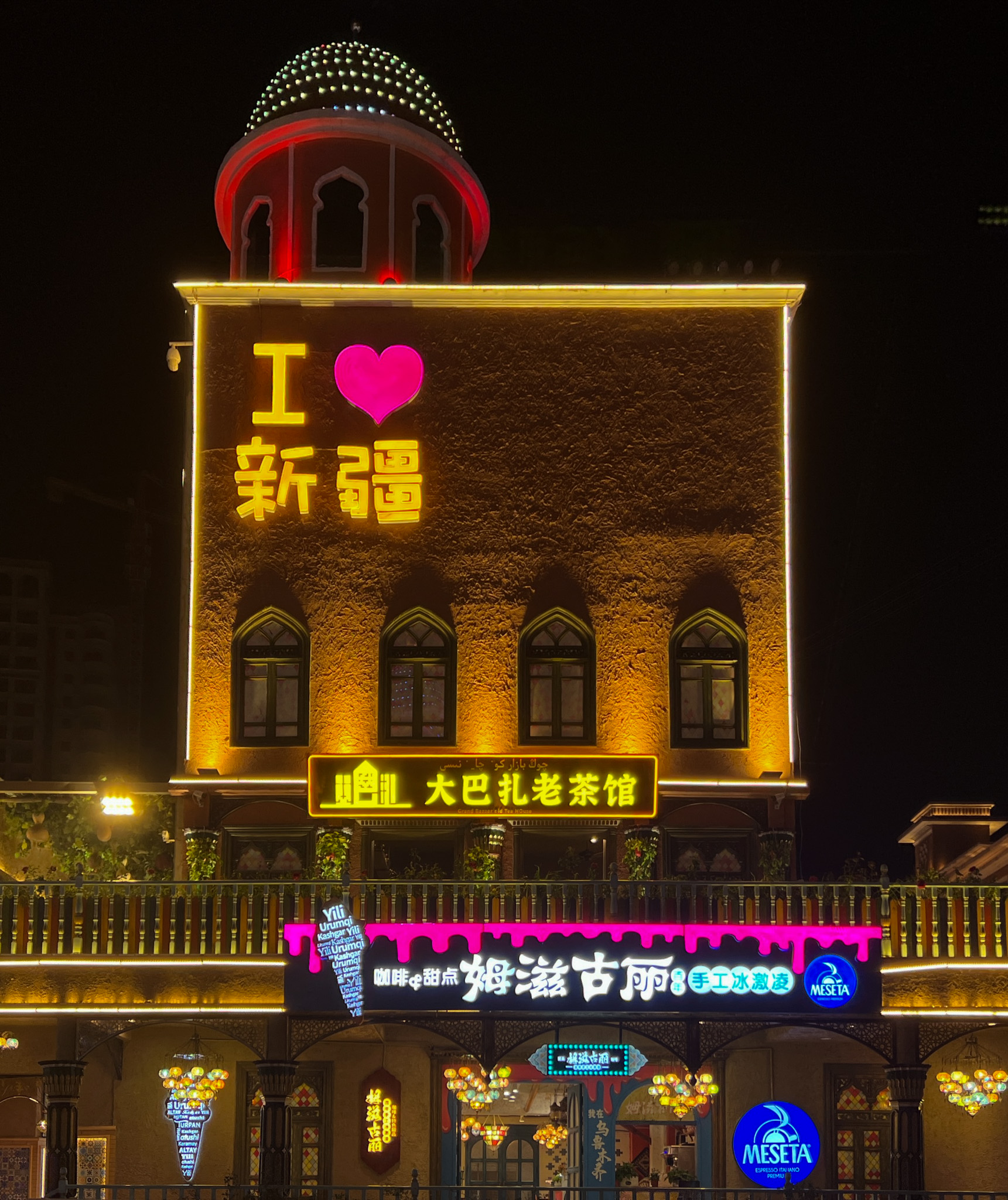
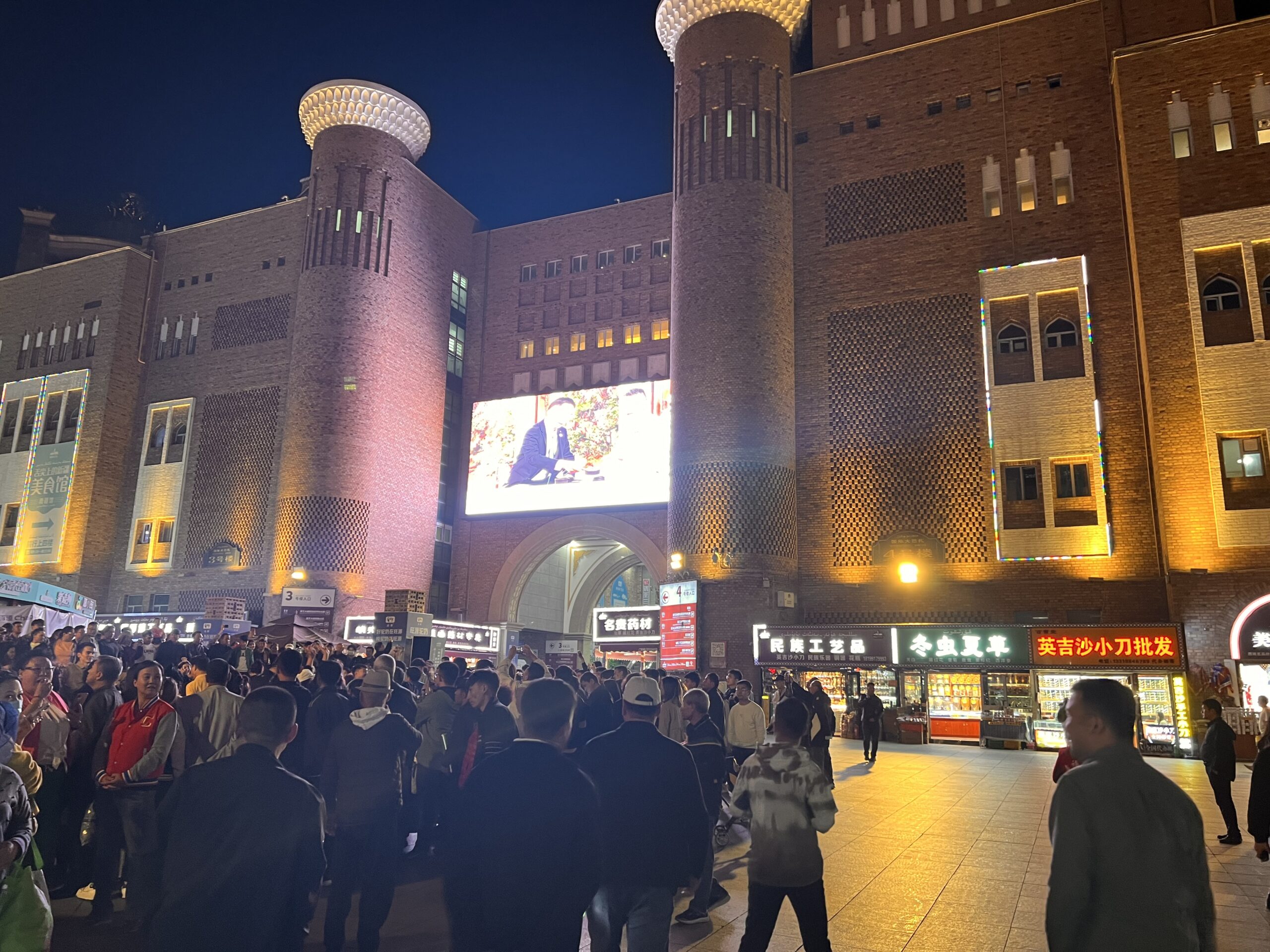
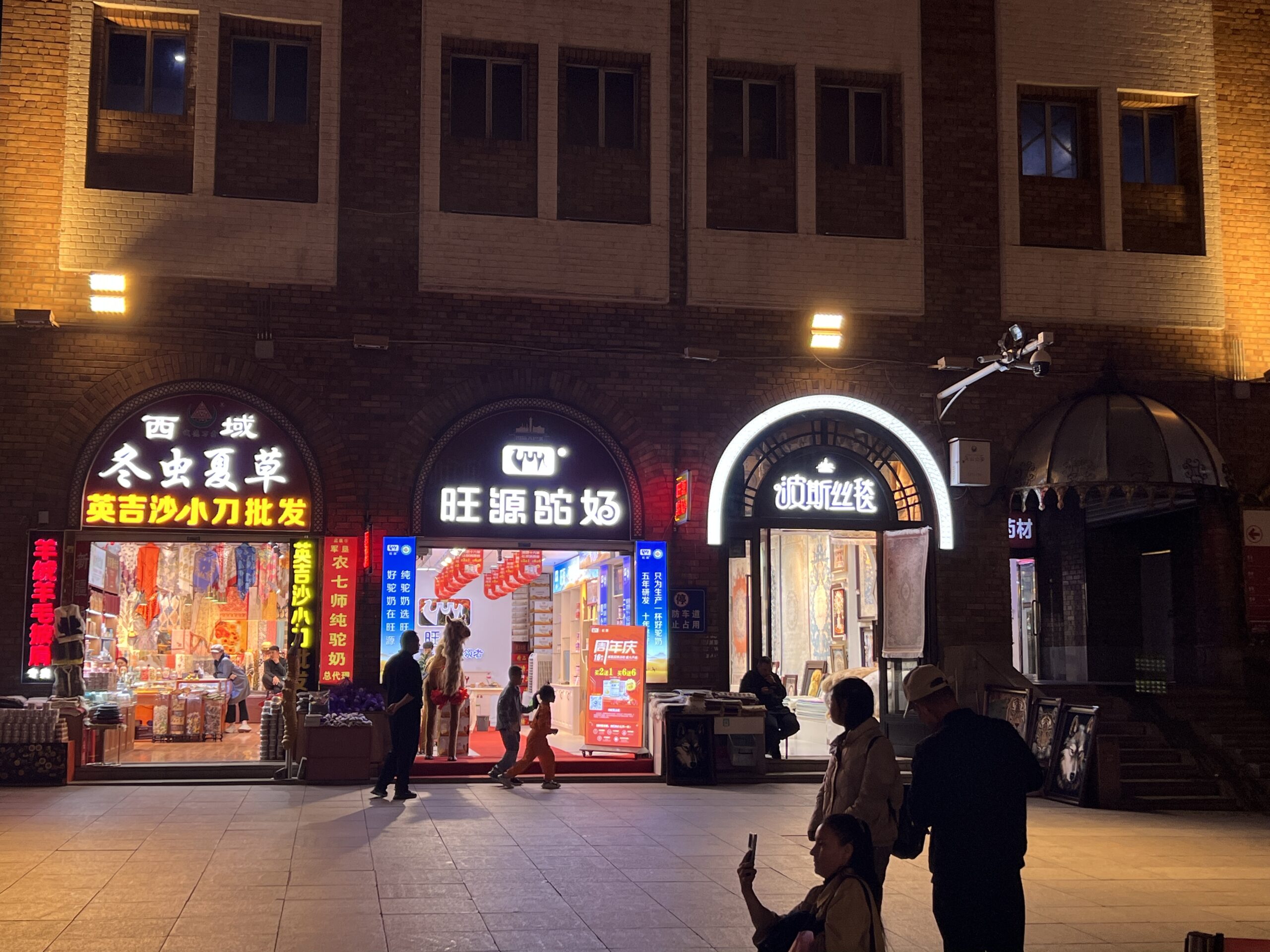
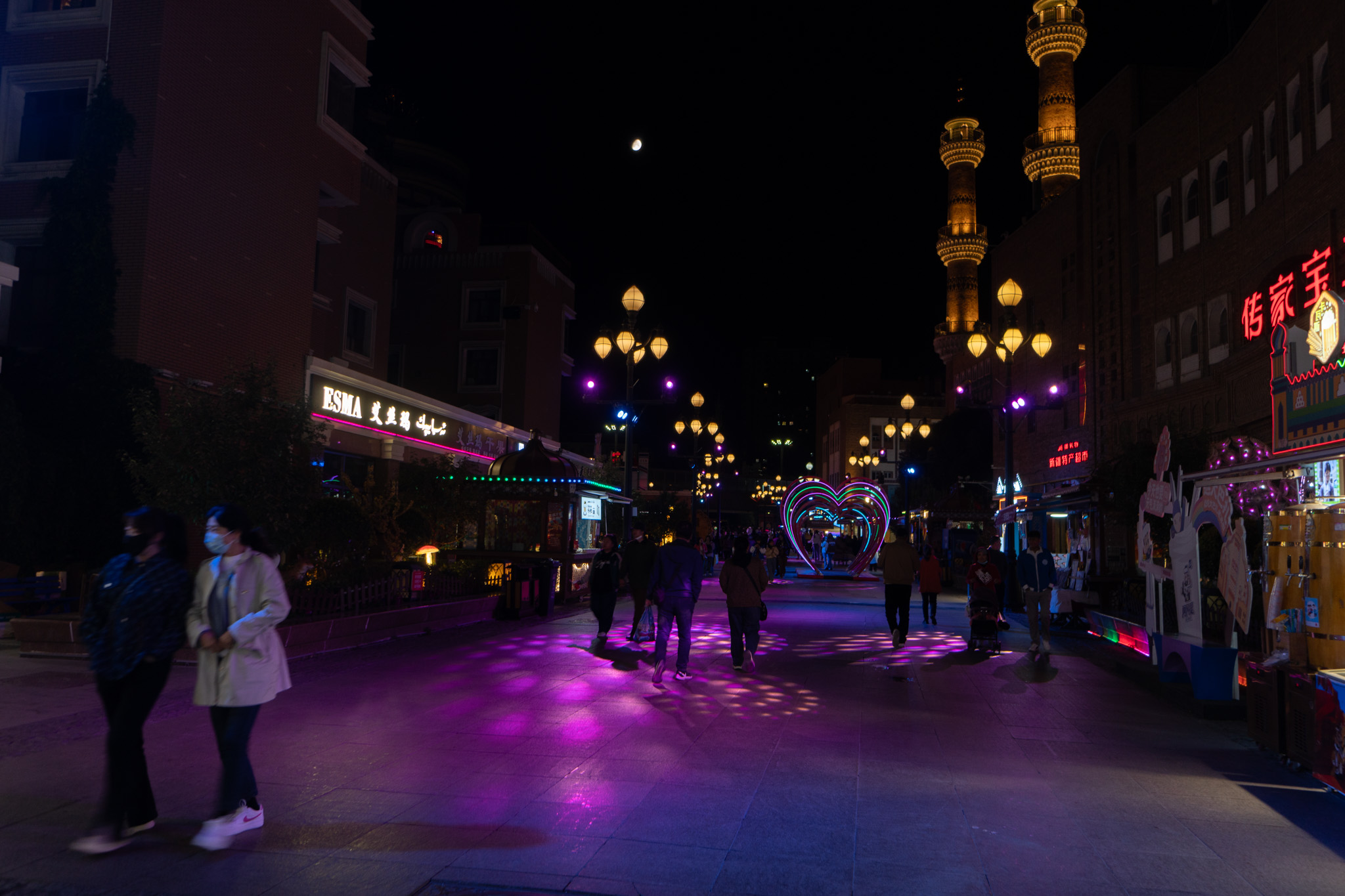
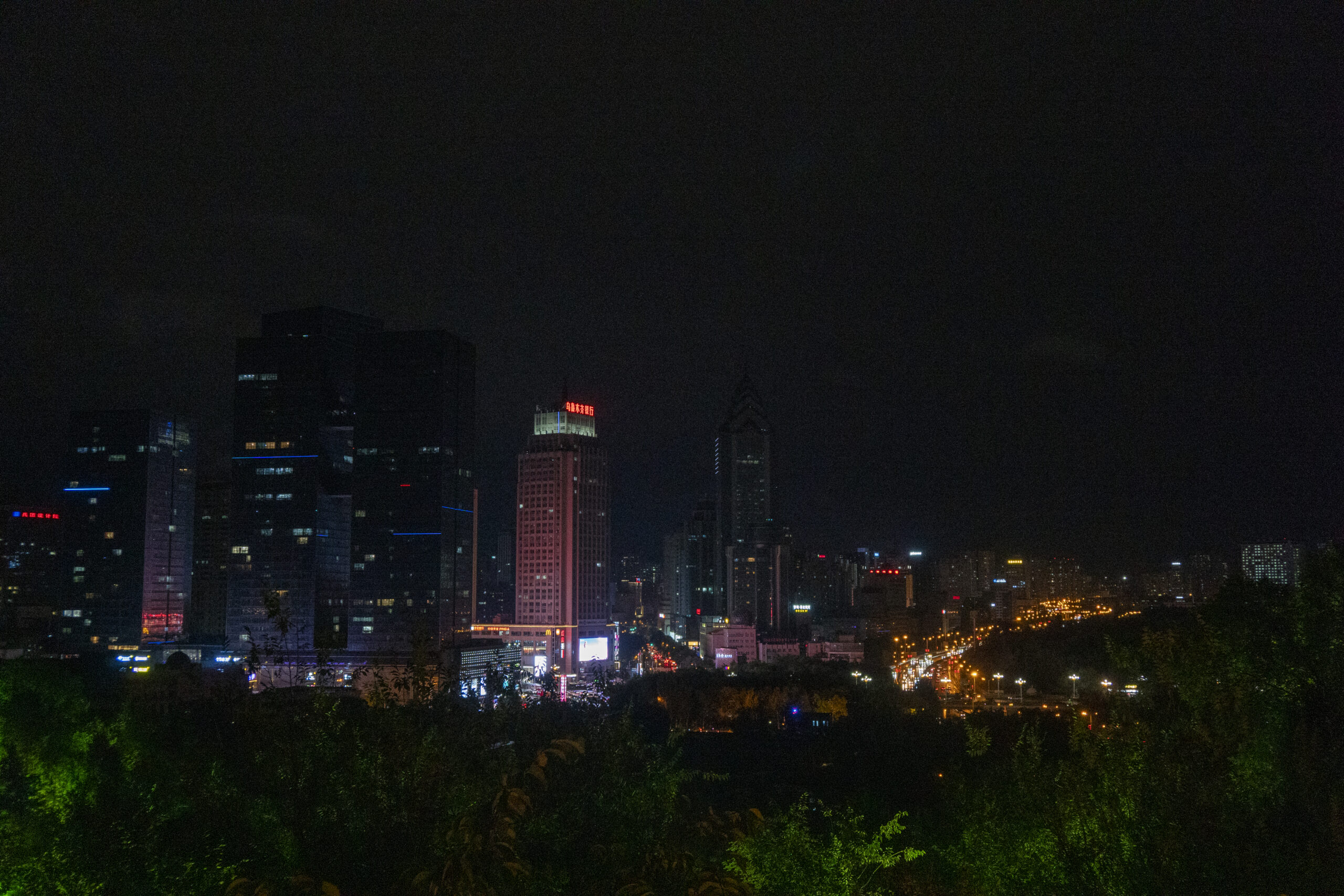
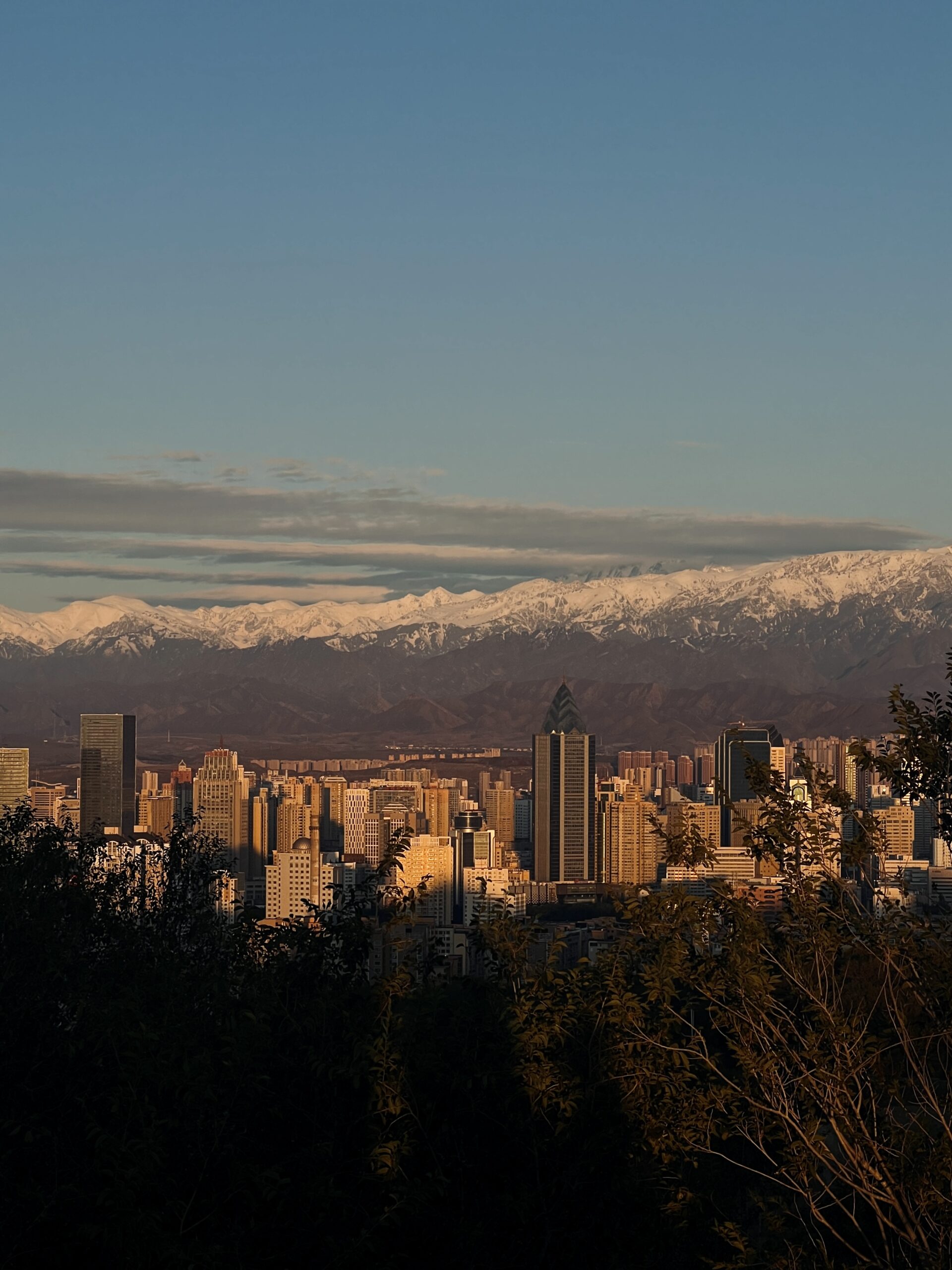
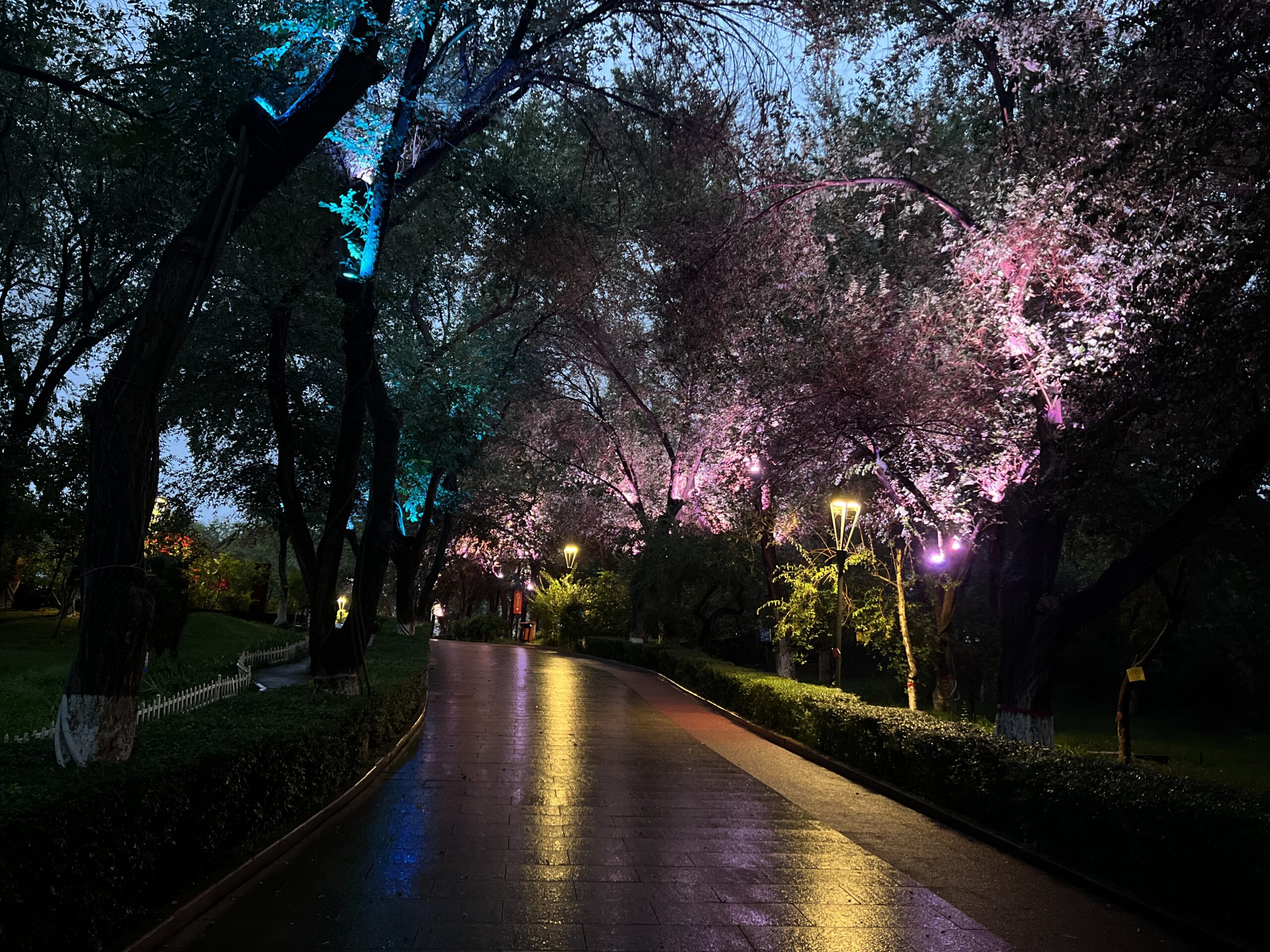
2023.09.22 – 2023.09.26 Ke Yonglin + Chuanyi Liu


A city for the young and young at heart, Shibuya. The area is composed of a mess of streets all with a different atmosphere, including a few main streets connected by narrower alleyways. Each street has developed its own personality and role, including lighting conditions to create the Shibuya night. From the scramble intersection in front of Shibuya Station, 3 distinctive roads, Dogenzaka, Center Gai, and Koen Dori radiate. After dusk, the lights come on and the personality of each street is even more clearly defined. As the title implies, Center Gai is the center of Shibuya geographically and caters to the young as the center for shopping and entertainment. This street is full of light. Each shop seems to be competing for the brightest facade with infinite amounts of luminous signage and advertising, creating a 3-dimensional playground. Dogenzaka is a festive street with a steady flow of pedestrians, but turn down one of the narrow side streets and the atmosphere changes immensely. The facades of many love hotels packed into the area are saturated with color creating a seedy blend of light and young couples prowling the Maruyama-cho area.
City Night Survey : Saitama-Shintoshin 2019.04.11 Lin Hu + Hikaru Kimura Saitama Shintoshin is a district established around the year 2000. Centered on JR Saitama-Shintoshin Station, it is an intensively structured urban area featuring a variety of functions, including large-scale commercial facilities, a major multi-purpose arena, government office complexes, and hospitals. This survey examined how this planned city has evolved from the perspective of lighting. Nightscape over the heliport from the Saitama Government Office Complex Light Linking Spaces A pedestrian walkway system is installed around Saitama-Shintoshin Station, utilizing an active pedestrian-vehicle separation plan that allows for smooth circulation from the second-floor station gates to various facilities. While the ground level is brightly illuminated by roadway pole lights, the pedestrian walkways feature lower-level lighting such as uplights and footlights—excluding some decorative pole lights in park areas—creating distinct expressions of light for each zone.Saitama-Shintoshin Station is connected to Kita-Yono Station by a walkway spanning approximately 600m. A continuous cantilevered glass canopy allows pedestrians to walk without getting wet in the rain or being stopped by traffic signals. Along this route, there is a straight path of about 100m running parallel to the railway tracks. Here, despite the cantilevered canopy structures being identical—likely due to differing construction phases—the lighting techniques varied across three distinct types. Although the architectural design is similar, the change in lighting methods results in varying levels of brightness depending on the location. While achieving uniformity may seem important, using different…
Date of Issue:September 04, 2019 ・Activity 1/City Night Survey Chongqing City (2019/07/04-07/05) ・Activity 2/City Night Walk Vol.64 : Skybus Tour(2019/07/26) ・Activity 3/Congraturation on Newsletter Vol.100 Lighting Detectives Report Vol.100 Download PDF City Night Survey Chongqing City 2019.07.04 – 2019.07.05 Nasahiro Iwata+Clement Lee We spent two days investigating Chongqing City in China on July 4th and 5th. We investigated life in the city, its culture, and history (that links back to the Song dynasty) and how those are changing and coexisting with the new developments there, focusing on the evolution of lighting and how that affects the people and the building development there. Chongqing’s Central Area Chongqing is famous for its spicy hot pot. For my first visit, I set off anticipating findings that were more thrilling than the spicy peppers in their local cuisine. The lives of those in Chongqing Our investigation is based in Chongqing Yuzhong District. Here it is around 6 km east to west and 2km north to south and was developed as an extremely compact city, surrounded by both the Jialing and Yangtze rivers, and is almost an island. It is supported by a man-made base made using the method of Jiajiaolou and floats as if it’s a mountain above the sea. Sometimes to go to the other side of the building, you have to take an elevator from underground to the 11th floor or take a detour. Chongqing is a city that is also known by the name of…
16 February 2007 As new condominiums keep popping up everywhere, the new area of focus is the Toyosu District. Large-scale commercial facilities and a university campus also complete this “model” for new urban planning. As the cold winds of February blew, we ventured out to see what all the talk was about. by: momoko muraoka Street Lighting As we began walk from Toyosu Station, we made a conscious effort to focus on street lighting, lighting that is experienced everyday, but largely overlooked. The height and design of the lightpoles, distance between, lamp wattage, and other statistics were digested and an idea of the lighting plan for this area was beginning to form. As we walked along, Chief Mende commented on problems such as glare, which caused members to scribble furiously in their notebooks. At 5:15 pm the street lights came on and we could further see that color temperatures were different according to area, which gave us all something to ponder since this is not a normal planning scheme. Condominiums, Offices, & Shibaura Institute of Technology Because of the ongoing redevelopment in the Toyosu area there is quite a bit of open space awaiting construction and gives a clear view of the high-rise offices and condominiums in the area. Many of the buildings under construction only have a minimal amount of lights on at night. All of the extra space and no glaring lights makes of a big wide-open night…
Interviewer: Yonglin Ke Mende:Are we talking about childhood play today? Ke:Yes. I have a sister, two years younger than me, and we used to play together all the time when we were younger. Mende:Did you play house? Ke:Yes. We also played house growing up in China. Mende:Girls usually play with dolls and such, but being a boy that is very rare. Ke:Yes. My father was a very busy man, so I only had my sister at home to play with. Mende:Didn’t you play outside? Ke:Before I started school we used to go to the park or amusement parks fairly often, but once I started elementary school I would invite my friends over and we would play video games. Mende: Yes, I thought this might come up in our talk today. That is your generation. Ke:How did you spend your childhood? Mende:I sometimes played by myself, but usually I played with several friends. This might sound a little dramatic, but play for children is like work and business for adults. So even during play communication between your friends is very important. How many friends did you play video games with? Ke:Maybe 2 or 3 friends and we would play Mario Kart, Contra, or other strategy games. Mende:Many people play against the computer now, right. When I was a kid, of course we didn’t have computers and television was still broadcast over “street televisions” in store windows. There was a TV in a…