RELATED POSTS
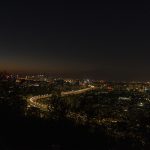
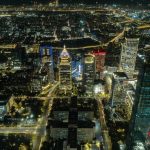
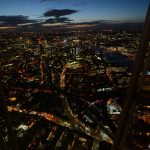
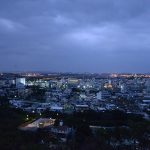
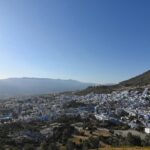
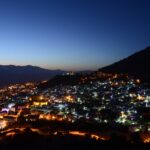
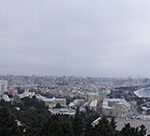
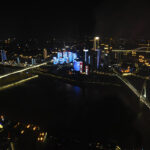
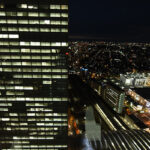
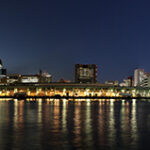
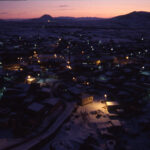
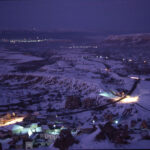
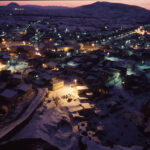
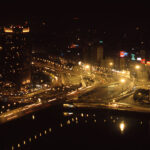
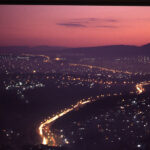
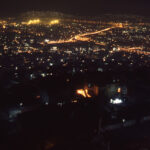
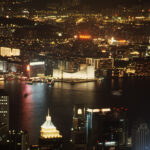
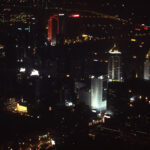
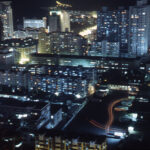
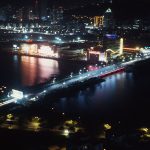
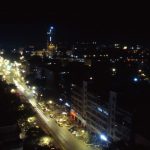
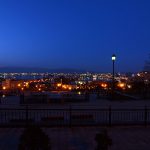
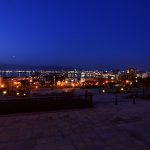
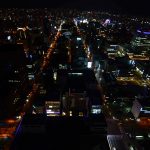
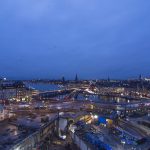
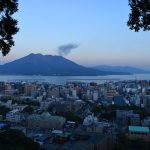
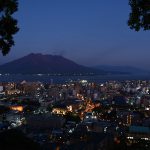
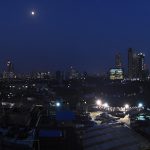
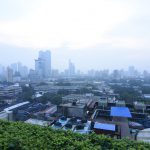
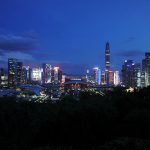
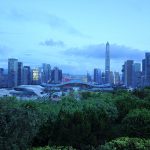
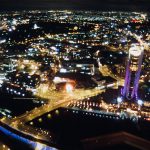
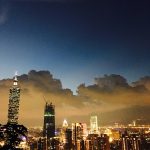
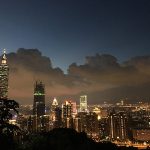
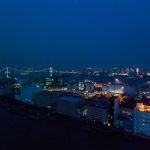
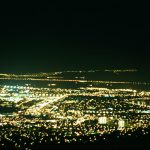
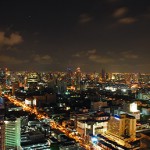
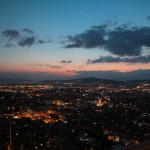
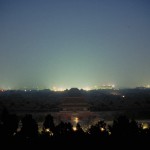
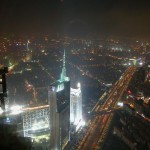
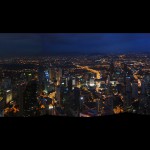
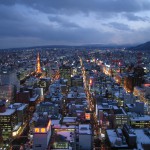
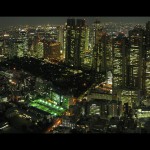
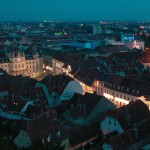
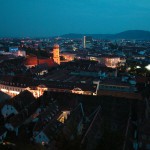
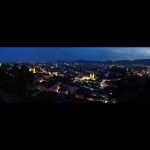
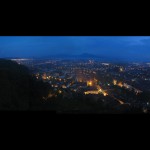
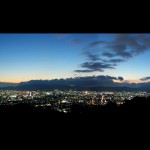
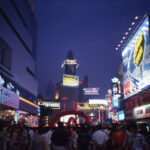
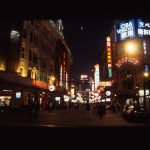
View of Shenzhen from Saige Paza
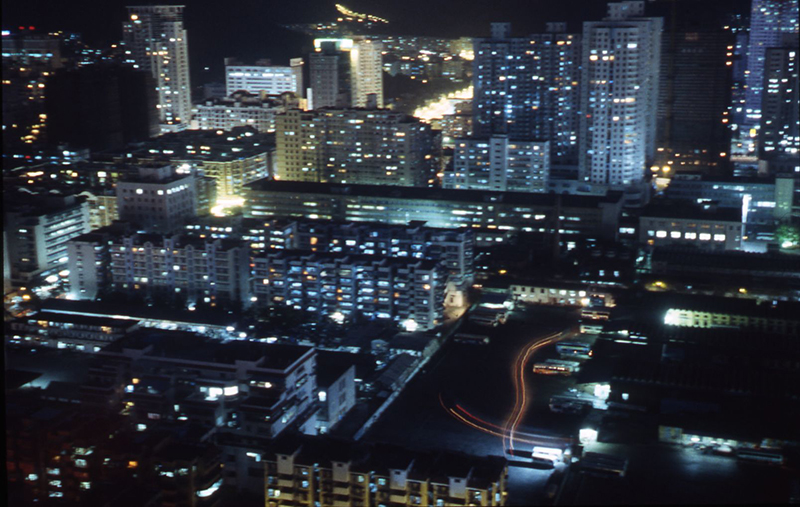
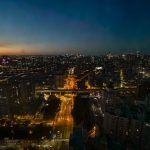
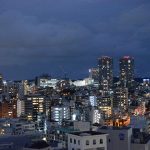
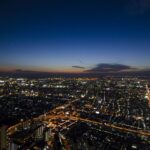
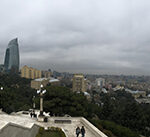
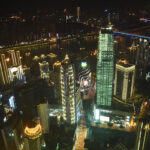
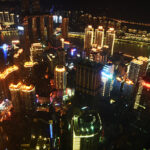
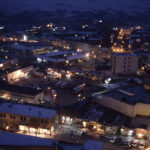
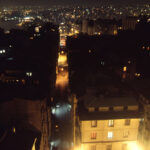
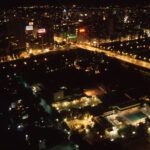
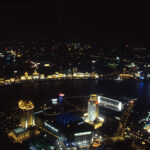
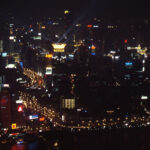
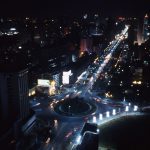
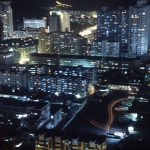
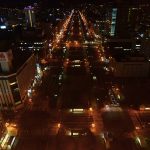
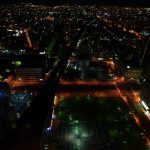
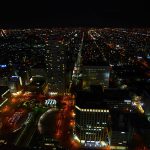
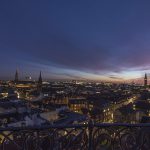
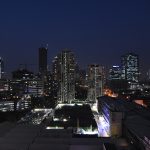
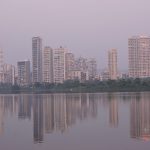
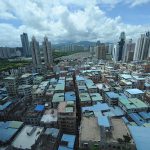
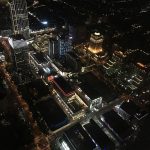
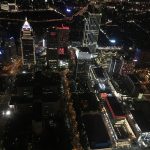
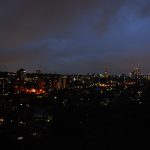
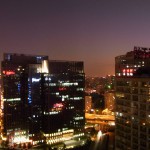
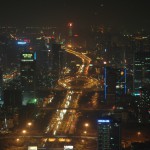
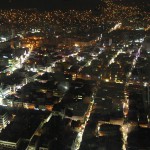
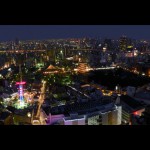
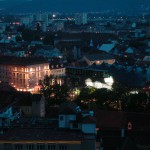
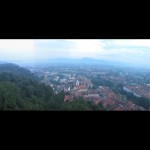
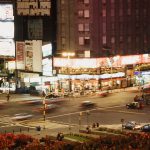
High-rise apartment buildings in Shenzhen
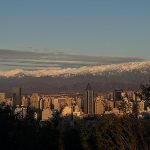
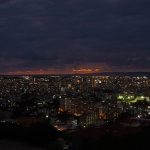
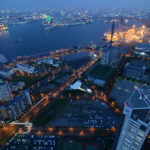
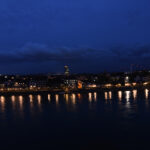
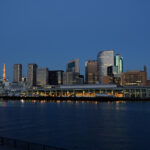
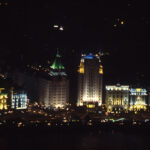
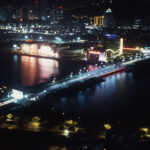
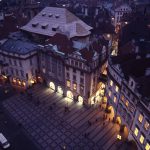
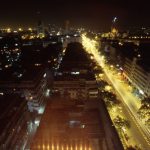
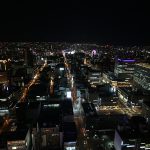
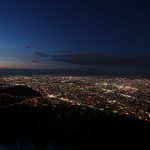
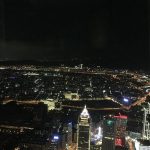
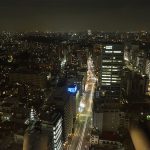
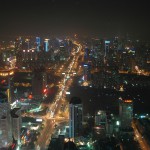
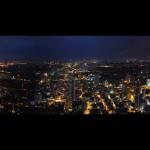
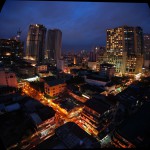
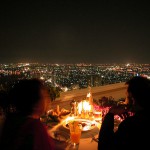
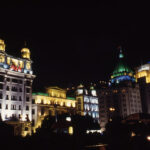
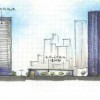
Architecture of Shanghai
YOU MIGHT ALSO LIKE
Summer Holiday Children`s Workshop @Zou-No-Hana Park, Yokohama
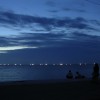
2013.08.02 Zou-No-Hana Park, Yokohama Summer Holiday Children`s Workshop @Zou-No-Hana Park, Yokohama Down by the Bay Seventeen children and their parents gathered at dusk at Yokohama`s Zou-No-Hana Park to observe, experience and draw the Yokohama skyline. The children and their parents spread out over the grassy area in full view of the Landmark Tower, World Porter`s Ferries Wheel, Queen`s Square, Red-brick Warehouse, and bay area with front row seats to the gradual shift from daytime to sunset to night. workshop contents 17:50~ Meet and brief orientation 18:10~20:00 draw before and after sunset scene with having lunch box 20:00~20:30 Presentation by each child Drawings in the Night The children had no problem starting their drawings! They each selected what they thought was the most interesting building and set to work. As the children worked drawing the skyline, some noticed the changes in the sky and a few lights here and there began to shine. Some children concentrated on the more concrete objects and buildings of the cityscape, but when pointed out they started to take notice of the changes in the sky and lights of the buildings, ferris wheel, boats, and reflections on the water. Light, natural or artificial, is an abstract concept and especially hard to express for the first time in a drawing. Each drawing turned out different as each child saw the city and its transformation from day to night in their own unique way. The children drew the sky in shades…
Melbourne
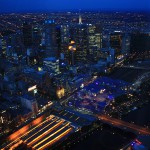
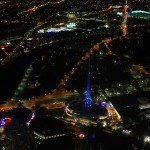
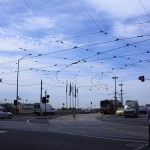
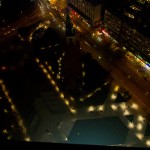
Global Nightscape survey in Melbourne 2014.11.11-11.15 Misuzu Nakamura+Haruka Sakoda For 4 years running, Melbourne has been chosen as the best place in the world to live. City planning has successfully focused on public space to build one of the world’s leading and charming cities. The cityscape is harmonious balance of old and new buildings. Main avenues lined with trees and lampposts are beautifully maintained, along with smaller alleyways, and even the waterfront along the river flowing through the middle of the city is carefully planned. We surveyed the Melbourne nightscape in search of the secret to its coziness. We can clearly feel the difference of lighting atmosphere between CBD area which is occupied with blacked-out buildings and surrounding local area which is covered by twinkling warm-colored street lights, when we look down from “Eureka Sky Deck”. The lighting plan of the city seems to have intent to differentiate business districts and cozy alleyways, using different color temperature as public lights. The waterfront area was well-maintained with designed pole lights and façade lighting from the surroundings, but some of tree lightings were by glaring spotlights. Many people were enjoying their walk along the river. We found a lot of “catenary downlights” in the city. Instead of pole lighting, catenaries covered large squares, wide intersections and narrow pathway between the building. When the night falls, the downlights looked like a starry sky. As we can see that so many people were gathering at…
Vol.032 – Drawing shadows on white paper. Drawing lighting on blue paper.
Drawing shadows on white paper. Drawing lighting on blue paper. Interviewer: Masahiro Iwata Iwata:Today I`d like to talk about the differences between painting and lighting design. From an early age I started painting with water colors. Now, I have a habit of seeing most visual spaces in terms of light and shadow. For example the intricate work of the eaves of an old temple reflecting light from the ground or light streaming into spaces of a building. When I first started at LPA you said that “lighting is similar to water colors.” That statement made an impression on me, but what did you actually mean by it? Mende:Did I really say that?! Well, in water color painting layer after layer of paint is used to complete a painting and in lighting design layer after layer of light is often used to complete a space. Maybe this idea of layering colors is similar. A lighting designer must use the beam of light coming from a fixture like a paintbrush to define a space. A large paintbrush might gently sweep a space and a small brush might highlight fine detail. I am always thinking “if I had this fixture in this space” and I can visualize and imagine the painting I would want to draw. Long ago I failed the entrance exam to an art university, but I spent a great deal of time painting and studying watercolors to past the exam the…
Newsletter vol.123
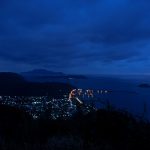
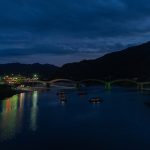
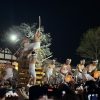
Date of Issue: 30 October, 2023-Activity 1 / City Night Survey : Iwakuni &Miyajima, Japan(2023.08.02-04) City Night Survey : Iwakuni &Miyajima, Japan 2023.08.02 – 2023.08.04 Yumi Honda+Sachiko Segawa The theme of this survey is “lighting on boats since ancient times”. Cormorant fishing on the Nishiki River in Iwakuni has been practiced for about 400 years. The Kangensai Festival at Miyajima Island has been held since the Heian period (794-1192). We investigated the relationship between water, light, and people in these two different areas. ■Iwakuni The Light of Cormorant Fishing, an Ancient Fishing MethodCormorant fishing has been practiced on the Nishiki River in Iwakuni City, Yamaguchi Prefecture, for about 400 years. The cormorant fishing is still enjoyed today by taking a pleasure boat ride from the foot of Kintai-kyo Bridge, one of the three most famous bridges in Japan. The day we visited was a weekday in mid-summer, and the daytime crowds were sparse, but in the evening, people began to gather along from somewhere the riverbank and board the cormorant fishing boats. In western Japan in summer, it is still light even at 18:00. Looking at the sightseeing boats from the bridge, I could see people enjoying a party on the boats with lanterns hanging down. As it gradually got darker and the lights of Kintai-kyo Bridge and lanterns along the river were lit up, we slowly waited for the cormorant fishing time to start. By the time the pleasure boat landed…
Vol.001 – Media Walls and Façade Lighting
Theme: Media Walls and facade Lighting Interviewer: Kyoko Takubo Issued on October 31, 2011 Kyoko:Mr. Mende, today I have a problem and, if you don`t mind, I would like to ask for your advice. On a recent project, the client has requested a media wall style façade. To me, it seems that the client is not just asking for simple signage, but something I never expected from this particular project. Instead of a media wall, I want to design façade lighting that is more artistic and stylish. What do you think? Can a media wall be artistically beautiful? Mende:Maybe, but the sole purpose of lighting design is not just designing beautiful nightscapes. If the client wants a design that draws in people, just beauty alone will not attract people. I don`t think we can call the project a success if nobody comes. Kyoko: So I should design a place people will want to come to? Mende: Commercial lighting design is not just about beauty. Rather because of the lighting design, the buying, selling and excitement of the area is what is demanded. It’s a delicate balance. Sometimes people are drawn to rather ugly places, however just because that is the case doesn`t mean that you should be able to design whatever you want. In commercial design sometimes the slightly wacky has just enough charm to draw in a crowd. However, as lighting designers, we can add fun and awe and make the…