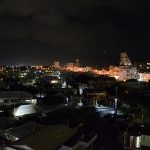
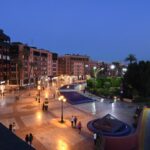
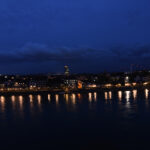
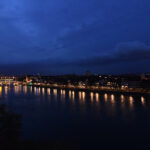
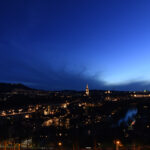
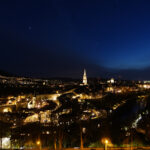
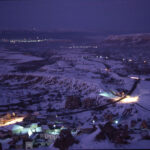
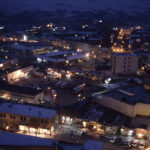
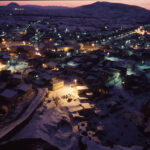
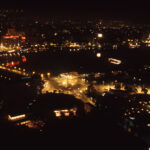
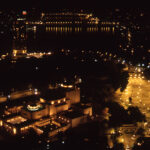
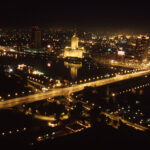
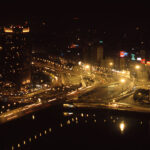
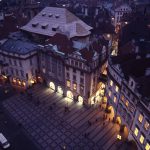
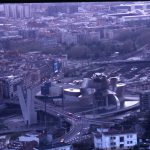
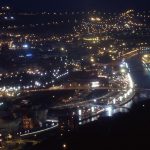
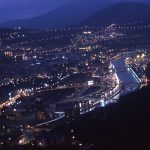
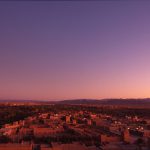
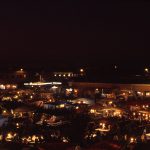
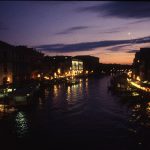
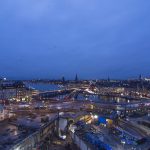
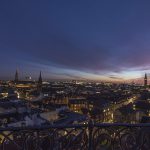
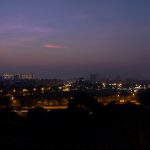
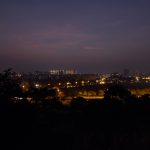
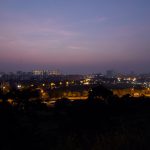
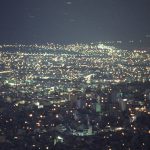
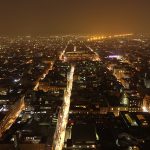
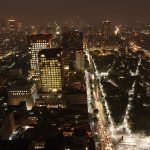
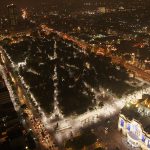
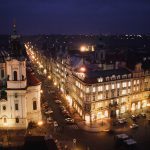
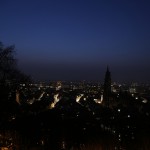
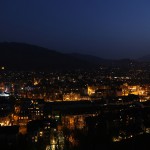
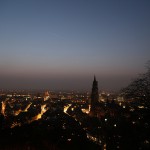
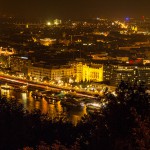
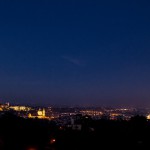
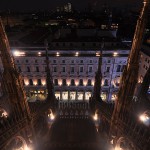
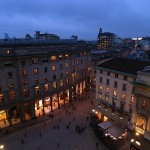
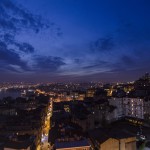
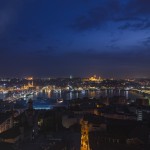
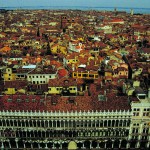
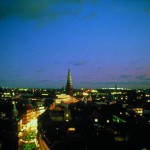
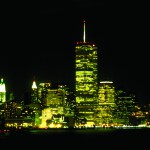
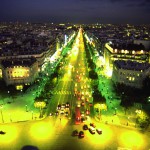
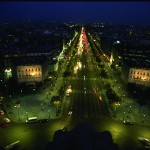
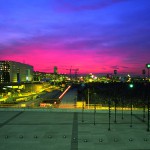
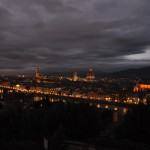
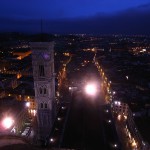
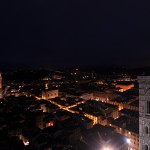
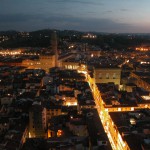
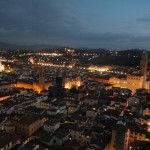
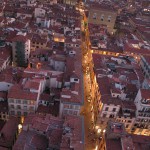
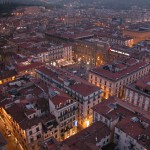
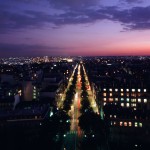
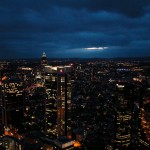
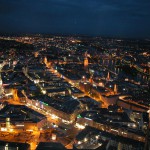
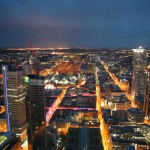
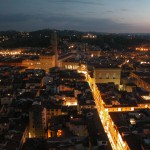
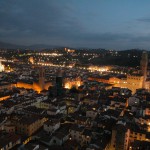
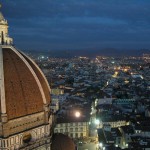
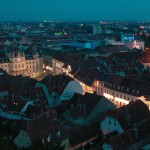
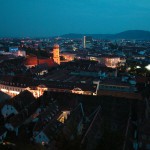
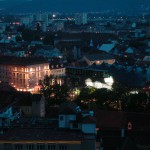
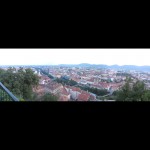
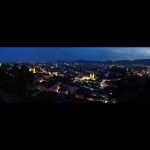
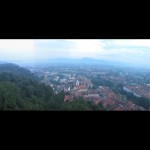
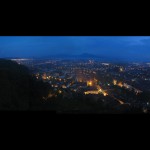
2014.02.01-02.11 Kanon Hujimoto + Mayumi Banno Italy is an irresistible destination to travellers from all over the world, including the Lighting Detectives. We toured three big cities, Rome, Milan, and Firenze, and two smaller cities, Bergamo and Siena, to discover the nightscape and compare the illumination of historical buildings and more modern structures. For most of the historical architecture we visited the light source and color temperature used depended on the building material and color, with a slight shift to the use of LED fixtures. In many churches and museums, the effective use of daylight incorporated into the structures was overwhelming. Piazza della Repubblica Lighting for Colosseum Papal Basilica of Saint Peter MAXXI Museo Nazionale delle Arti XXI Secolo, Completion: 2010 Galería Víctor Manuel II (left) and Duomo di Milan(Right) Compared to the galleria, duomo is roughly illuminated by flood light which makes details of architecture looks bit too flat. People are enjoying window‐shopping in the corridor inside of Galeria. Wall sconces give elegant vibrancy in the context of the last natural light of the day from the top light. Basilica di Santa Maria Maggiore, in Bergamo Collaboration of natural light and artificial light softly melt in the Basilica di Santa Maria Maggiore, in Bergamo. We felt the solid relationship between the light and the religion. Cattedrale di Sant’Alessandro and the Basilica di Santa Maria Maggiore in Bergamo enveloped by fog.
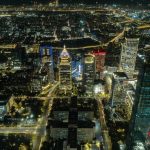
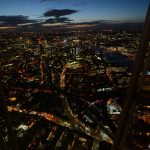
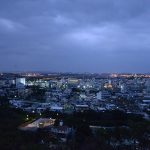
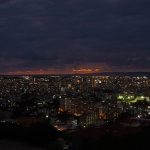
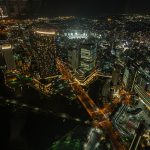
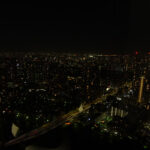
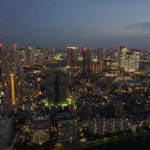
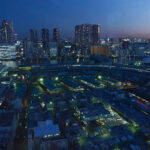
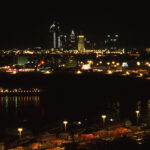
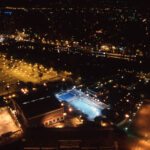
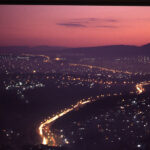
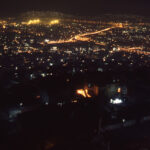
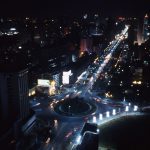
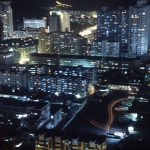
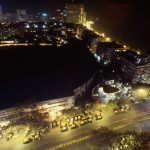
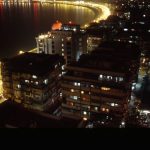
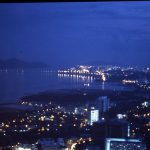
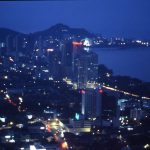
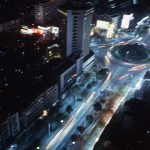
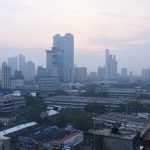
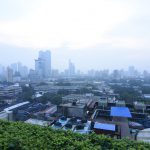
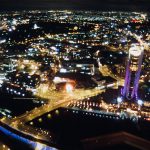
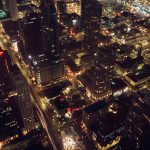
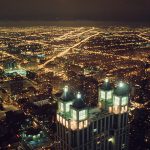
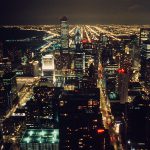
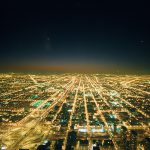
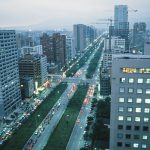
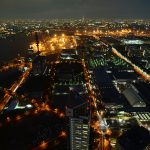
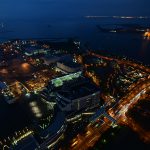
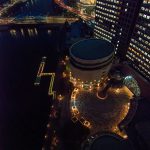
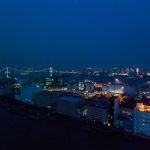
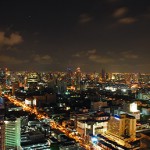
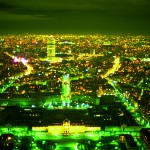
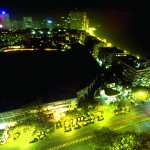
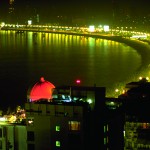
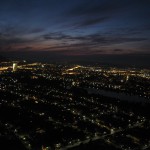
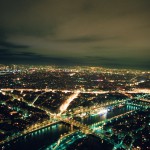
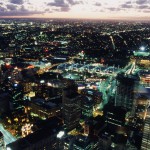
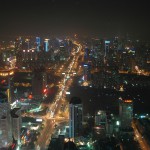
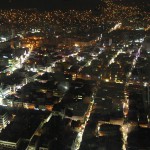
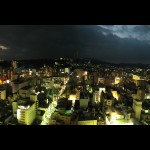
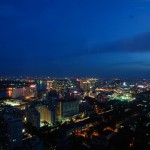
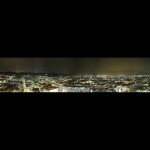
The largest city in Vietnam, Ho Chi Minh, has developed into the center of economic activity for the country. The city is in the mists of a huge transformation with new building wherever you turn. We will have to wait and see how the streetscape and lighting environment will be altered. Birds-eye view from the tallest building in the city at the time of survey. Lights from construction sites all over the city are an undeniable element of the nightscape, but it won’t be long before several skyscrapers begin to dot the skyline of Ho Chi Minh. The principal user of the streets of Ho Chi Minh is the constant stream of motorbikes. Street lighting consists mainly of functional roadway pole lighting and the headlights of these motorbikes. They seem to have forgotten the sidewalks and pedestrian traffic. From restaurants along a main street to the night market and department stores, fluorescent lighting is everywhere. This is Asia before the introduction of LED`s.
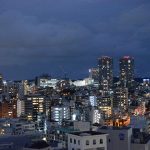
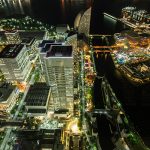
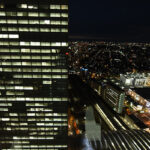
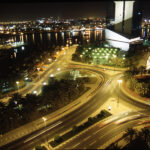
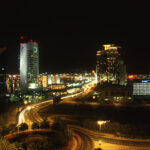
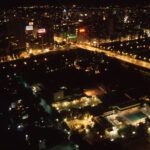
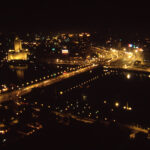
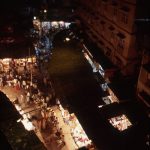
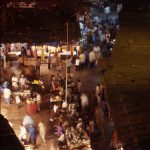
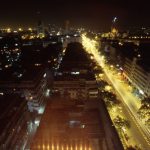
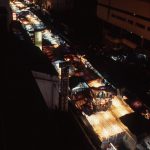
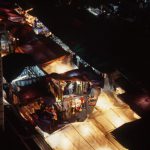
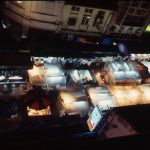
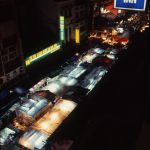
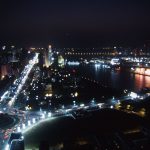
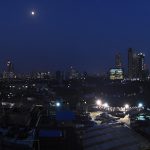
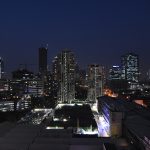
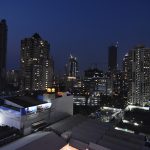
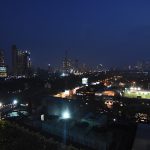
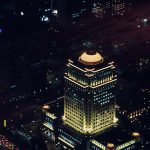
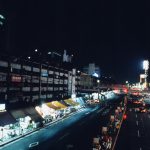
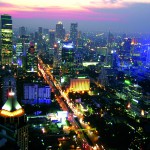
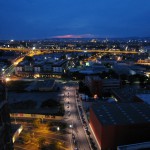
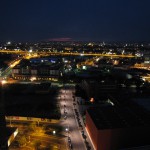
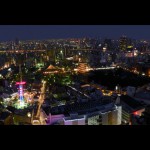
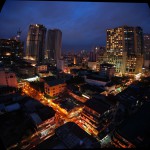
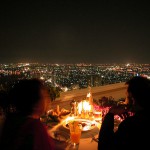
Bangkok is a center of on-going development in Southeast Asia. Solemn Buddhism culture and lively night markets have developed side-by-side to create a modern, but chaotic city full of energy. Amongst the harmonious charm of the old and new along the streets of Bangkok we survived the lighting environment. Open-air restaurants on the top floors of high-rise buildings are very popular nightspots. From the 55 floor the energetic and chaotic atmosphere of the city is absent. Amongst the rows of tall buildings sodium lamps flood the streets with light creating the impression of a sprawling modern city. Street vendors line the sidewalks. Moving deeper into the night market, the booths are covered with various lamps and neon arranged without much thought other than to show off the merchandise. At one booth warm colored lamps were used to showcase warmer tones of accessories and whitish light reflected off the spangled jewelry. An hour’s drive outside of Bangkok is the town of Amphawa, famous for the Amphawa Floating Market. Along the narrow river are many lights that reflect of the surface of the water. The reflections create depth along the Chao Phraya River and a lively buzz along the riverbanks and streets of the town.
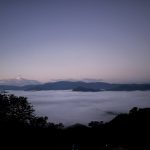
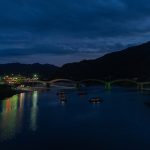
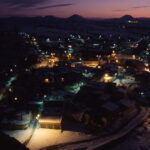
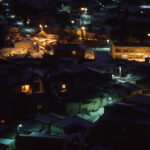
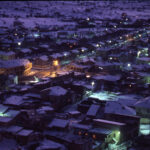
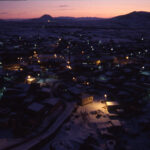
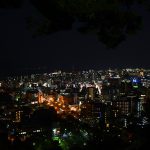
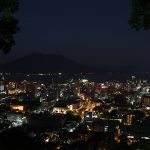
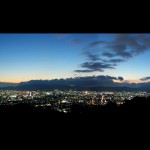
2022.11.10-12 Mari Kubota + Noriko Higashi In July 2020, Hitoyoshi City in Kumamoto Prefecture was devastated by catastrophic flooding caused by heavy rainfall. Since the disaster, the city has made steady efforts toward recovery— efforts in which lighting has played a significant role. To understand how lighting has contributed to the city’s revitalization, we conducted interviews with local stakeholders, including hot spring inn owners and city officials, and followed up with an on-site investigation of the actual lighting projects. From July 3 to 4, 2020, torrential rains caused the Kuma River to overflow, resulting in catastrophic flooding in Hitoyoshi City, Kumamoto Prefecture. Known for its scenic beauty, hot springs, and hospitality centered around local shochu, this tourism-driven city suffered devastating damage—not only from the flooding but also from the impact of the COVID-19 pandemic. In response to the disaster, a local inn owner launched the Hitoyoshi Hikari no Fukkō Project (Hitoyoshi Light Recovery Project), using light as a tool for recovery. In 2021, Hitoyoshi was selected as a model city for Japan’s Cabinet Office-led Super City (SC) initiative, proposing a future-oriented recovery plan. This plan placed lighting as a key component, aiming to promote both disaster resilience and tourism attraction through thoughtful illumination. This survey included interviews with stakeholders such as hot spring inn owners, city officials, and lighting designers involved in the project, examining how “light” became a central theme in the recovery process and evaluating the impact it has…
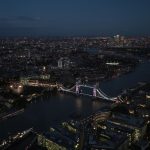
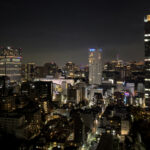
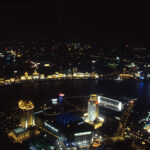
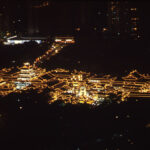
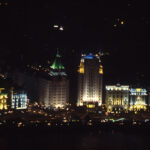
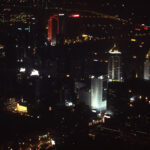
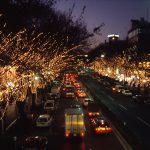
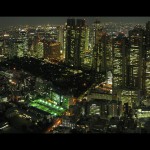
From post-Olympic pride to the celebration of the 60th Anniversary of China as a nation, China is a very vibrant place. In this country where government is central, we discovered elaborate, but regulated lighting, lighting embellished by economic development, and traditional lighting. The old and new intermingle along the streetscape of this constantly changing city. An air of excitement in Tiananmen Square, Beijing. One of the largest plazas in the world, it is brilliantly illuminated and crawling with tourists late into the night. The elaborately controlled lighting is overpowering, a possible symbol of the nation’s authority. A relic alleyway from the Ming Dynasty winds through a residential area. Traditional neighborhoods are built to the human scale with the glow of lantern light dispersed among the alleyways. People are drawn to the lit doorways and their energy spills out into the streets. After 10pm the facade lighting dims and the architectural structure of the National Stadium, or “Birds Nest” is highlighted. The icon seems to be wrapped in a silent kind of glory. Many of the high-rise buildings in the CBD are illuminated at night, a reflection of the recent economic boom.