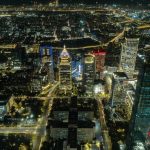
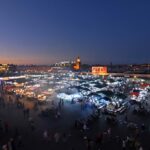
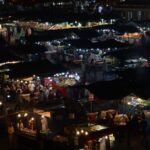
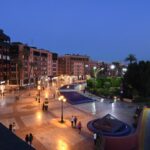
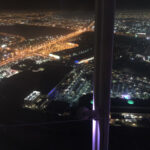
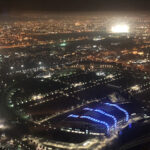
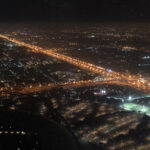
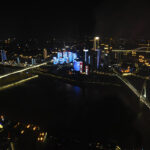
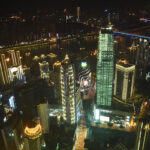
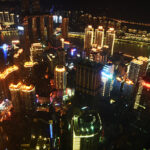
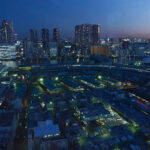
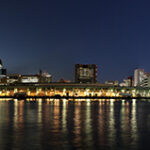
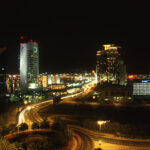
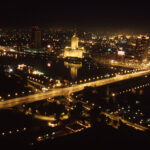
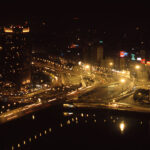
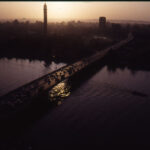
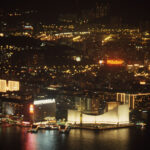
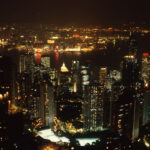
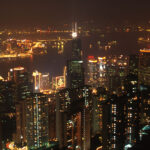
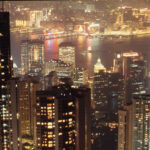
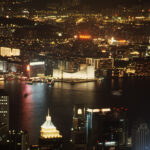
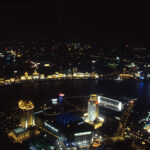
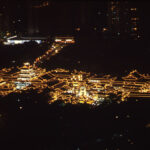
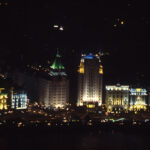
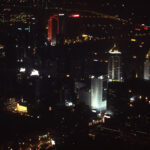
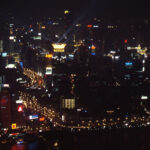
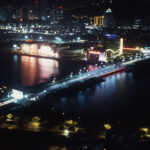
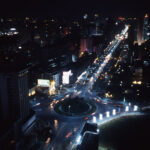
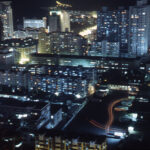
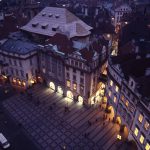
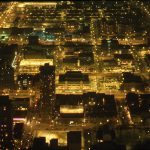
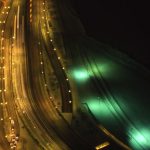
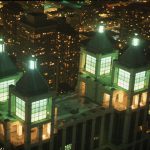
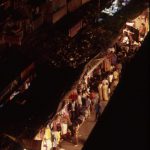
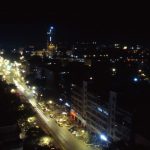
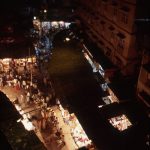
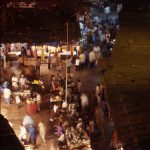
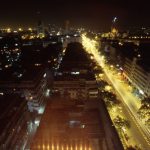
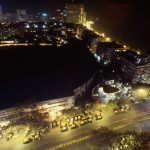
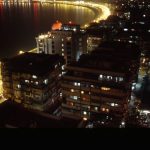
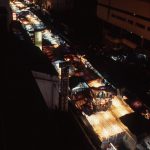
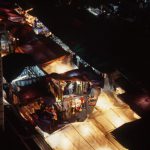
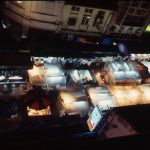
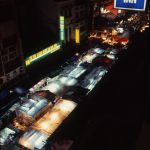
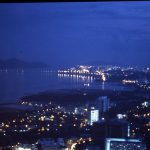
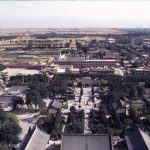
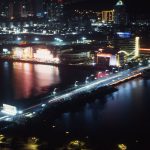
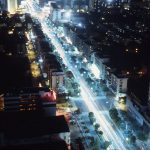
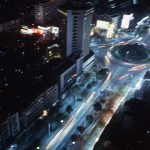
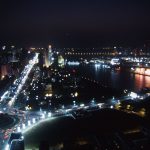
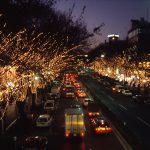
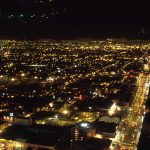
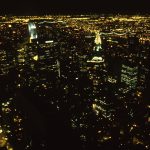
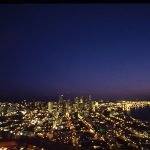
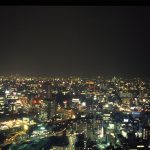
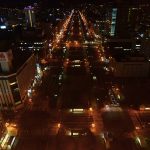
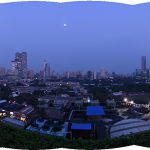
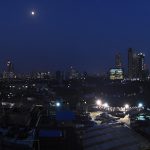
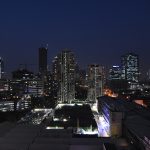
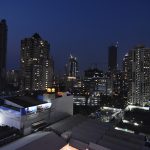
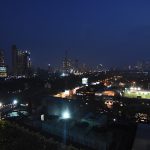
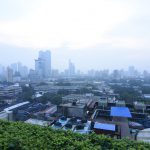
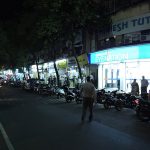
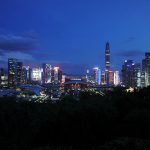
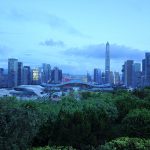
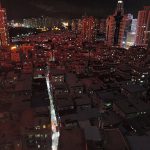
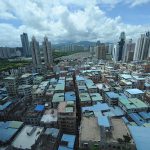
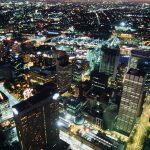
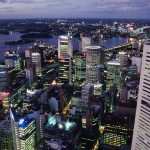
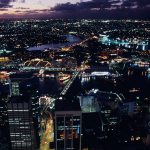
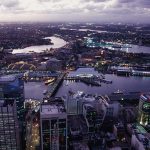
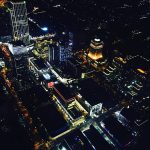
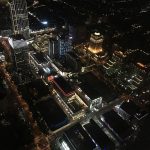
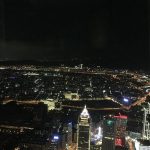
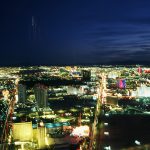
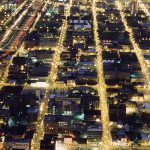
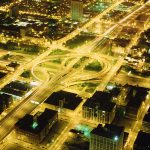
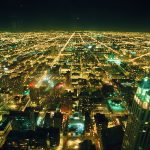
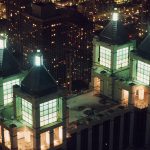
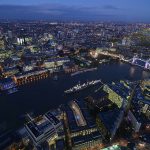
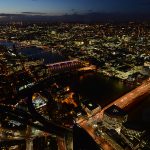
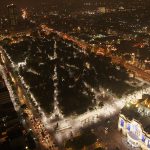
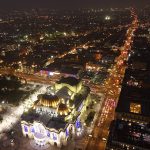
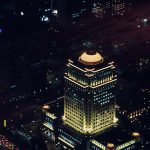
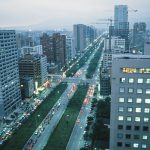
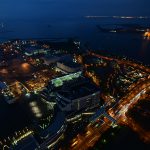
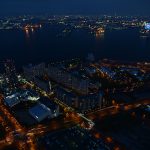
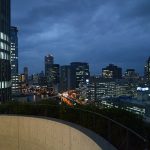
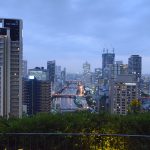
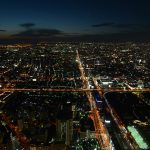
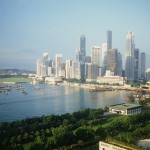
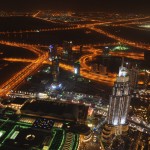
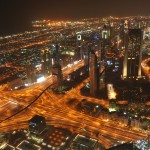
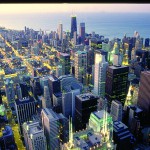
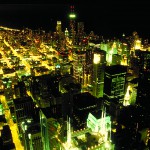
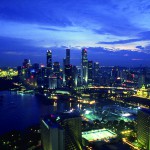
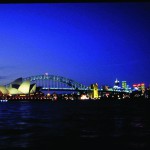
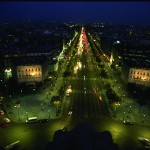
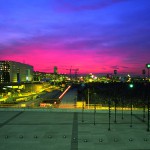
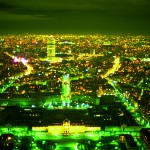
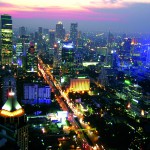
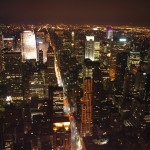
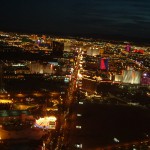
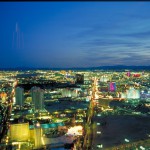
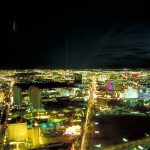
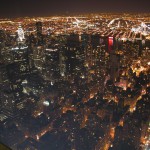
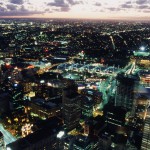
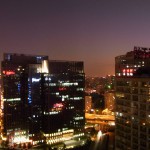
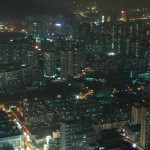
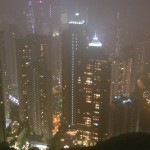
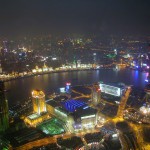
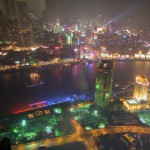
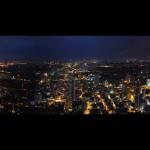
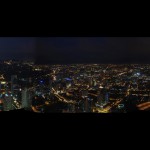
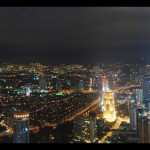
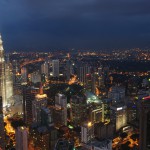
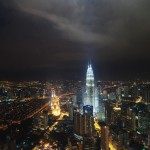
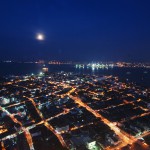
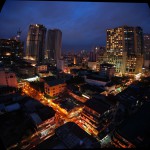
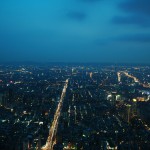
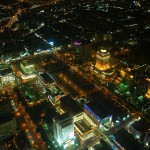
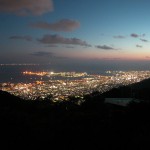
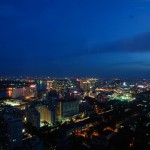
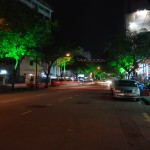
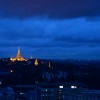
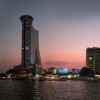
Developing Shanghai is propaganda for the world to see, as the streets of Shanghai seem to explode at night under the glitzy lights of this nightscape. One night the groups of row houses were removed, and the next, modern architecture appeared in their place. There was no time for theorizing about lighting culture, and the city became engulf in a flood of light. Shanghai is a gathering place for people from all over China. The bear light bulbs hanging in the streets cast skeptical glances over this developing city, but preserve the chaotic charm of the back streets. Daily development and innovation in the Pudong Xingqu District. Architecture from the colonial period is still standing in Bund, but the glitzy lights are more liable to catch one`s eye.
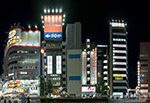
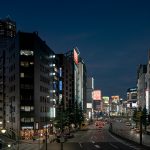
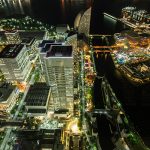
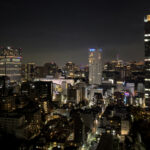
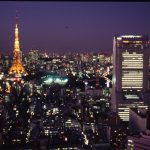
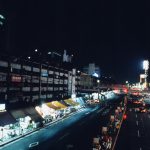
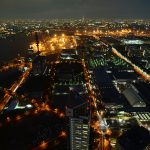
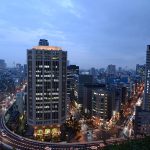
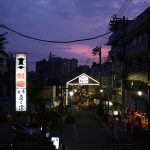
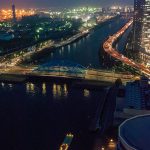
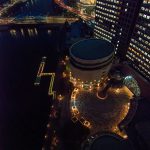
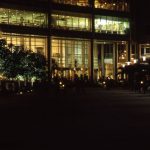
Shiodome Sio-Site was a joint public and private sector redevelopment project completed in 2006. In nearby Shinbashi, eateries and bars built under and into the brick structure of the elevated railway tracks during the Meiji era have become a famous cityscape of this area. We set out to discover what kind of lighting environment exists in this conflicting neighborhood of Tokyo. Red lanterns, single light bulbs hanging under the eaves, colorful luminous signage…All the lighting is warm and inviting. The lighting environment along the streets of Shinbashi is wide and varied, but somehow closes the distance between strangers. Lighting for an elevated pedestrian deck connecting high-rise buildings in the area. The warm colored lighting creates a comfortable atmosphere for a nighttime stroll. The Shiodome high-rise buildings are not showy, and along with the interior office lighting, only a few have facade lighting on the building crowns.
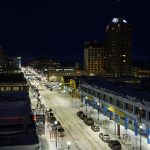
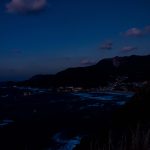
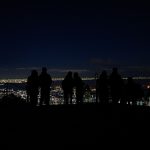
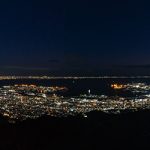
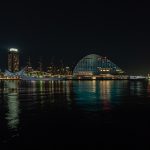
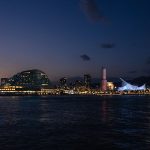
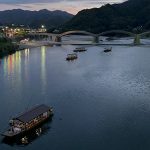
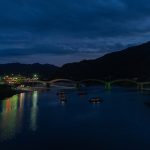
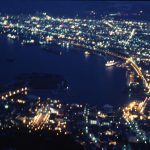
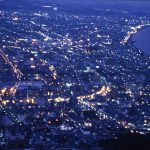
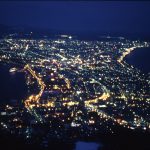
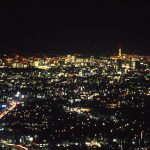
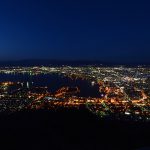
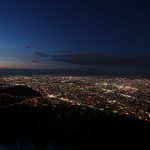
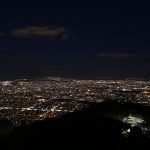
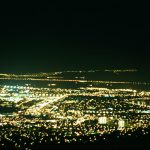
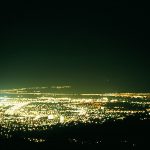
2025.01.08-01.11 Misuzu Nakamura + Sachiko Segawa Kitakyushu City was finally ranked No.1 in the latest “New Three Great Nightscapes of Japan” by the Night View Tourism Convention Bureau. The city has actively utilized its local assets—such as the industrial landscapes developed from the Yahata Steel Works, historic streetscapes, and a terrain of hills and bays—to enhance its nightscape. Surprisingly, this city had not yet been surveyed by the Lighting Detectives, so we set out to rediscover its unique allure. ■Learning What Makes a Compelling Nightscape Before beginning our survey, we visited Ms. Miki Matsushita, a lighting designer who has long been involved in Kitakyushu city’s nightscape—from formulating the nightscape guidelines for the Kokura city center to planning lighting for various facilities both in and outside the city. We visited her lighting design office in Fukuoka City, which felt as comfortable and refined as an art museum. There, we had the opportunity to hear a wide range of storie—from the time she spent developing the guidelines to her mindset as a lighting designer. One thing that left a lasting impression was her comment that guidelines shouldn’t become manuals, but rather serve as guidebooks. It became clear that her approach, rooted in deep empathy for the local community, allowed her to foster unique charm through the application of the guidelines in ways that reflect the distinct character of each area. (Misuzu Nakamura) ■Kokura Station Area: The Gateway to Kitakyushu and a Hub…
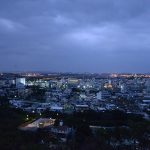
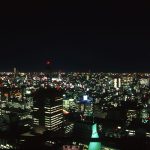
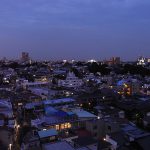
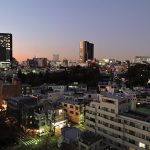
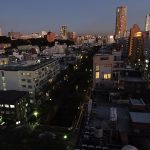
The Diversity of Condominium Lighting in the Tokyo Area Condominiums play a leading role in housing for the Tokyo Area. As the city grew, busy shopping, business, and entertainment districts are supported by the residences, which live in densely populated residential areas. As the population density increased so did the proportion of condominiums for housing. According to reality statistics, condominiums account for 70% of the housing within the 23 wards of Tokyo. For this survey we stepped away from the bustle of the big city and investigated 3 relatively large, densely populated condominium complexes. The three areas all have a different history and commuting distances from the center of Tokyo. What can we discover about the lighting environment of these three totally different condominiums and the surrounding residential area? Toyosu Once an industrial area built on reclaimed land, housing redevelopment started in 2003 and the first of several residential blocks was completed in 2006. Toyosu is a “new city”, built from scratch and popular with younger families and couples. The number of condominiums is astounding, but the development is not just large, but a luxurious residential area as well. Color temperature viewed from the condominium windows: Orange: 80% White: 16% Bluish: 4% The tower condominiums are immediately visible upon leaving the station. Relatively close to the center of Tokyo, these tower condominiums were built during a boom in condominium real estate. Each tower has a luxurious entrance lobby and…
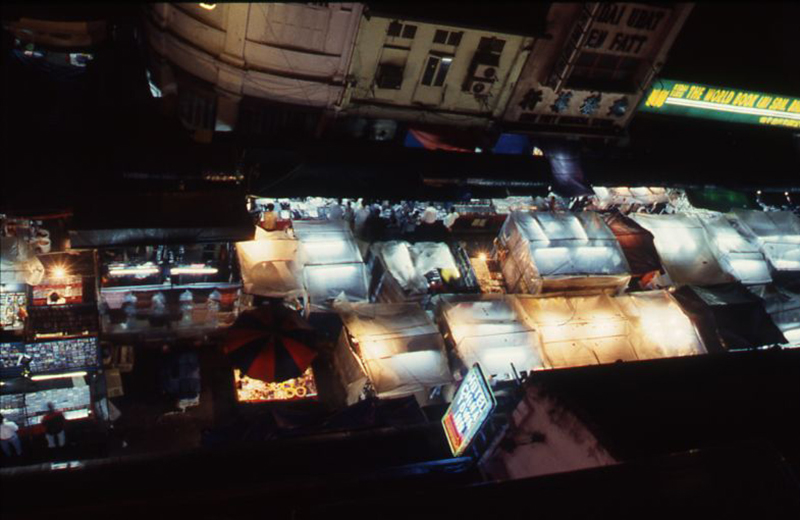
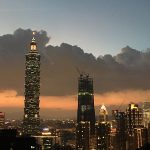
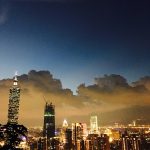
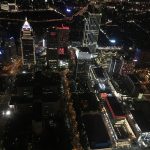
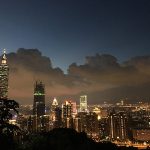
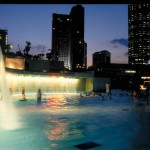
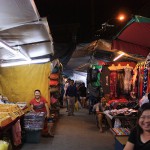
The east end of Taipei is really growing and developing with many modern structures like the Taipei 101, the world’s tallest building, looming over the area. But off the main streets and in the back alleys, life is as usual as old buildings line the side streets of these unique little neighborhoods. The streets are alive with daily activity and residents come and go; a some what nostalgic picture. Looking west from the top of Taipei 101, the world’s tallest building, as the last of the day’s orange light breaks through the space between the buildings. From this view point you can really see how the old part of the city spreads out in the west as the streets get narrower and twist and turn. Jungshan North Road, one of the main thoroughfares of Taipei. Mounted on the streetlights lining the sidewalks are fixtures to illuminate the trees and small LED nodes programmed with different scenes of color lighting. Although the trees are big and imposing, the lighting has helped to create a pleasant pedestrian area. Every night is like a festival at the Shilin Night Market in Taipei. Many of unique smells、wares, and activity to go along with the jimble-jamble of lighting.