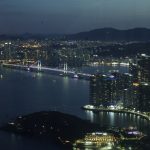
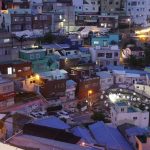
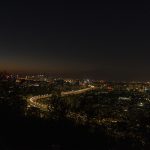
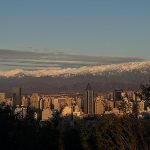
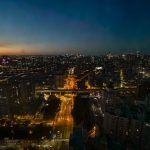
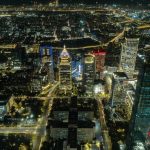
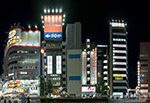
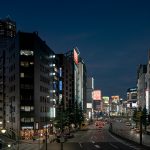
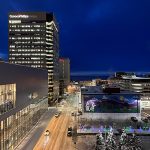
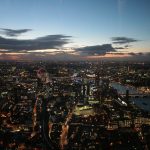
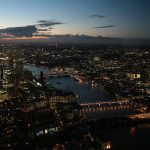
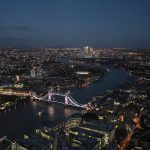
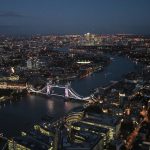
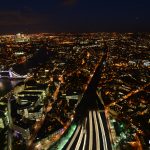
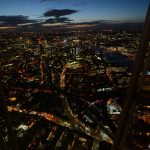
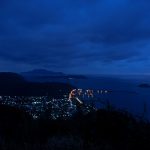
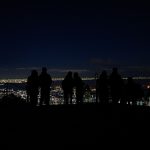
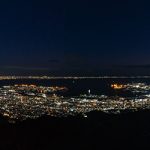
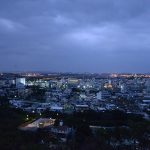
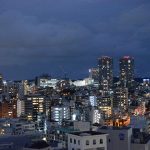
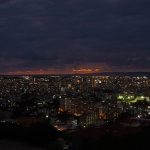
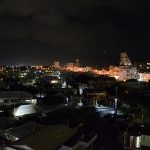
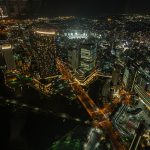
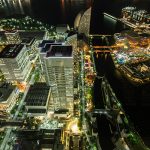
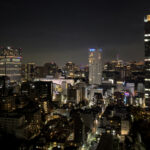
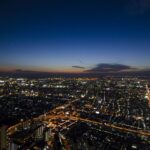
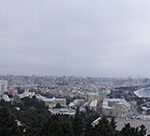
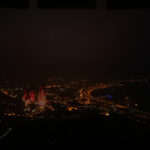
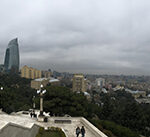
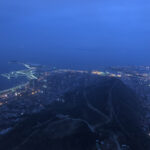
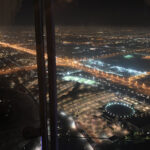
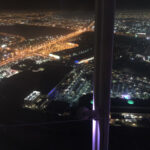
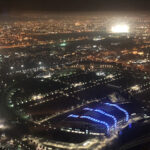
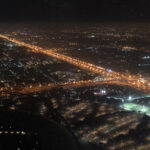
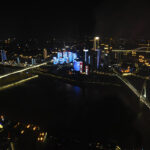
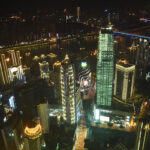
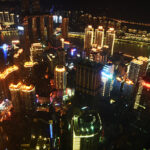
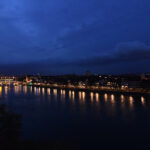
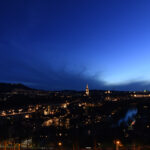
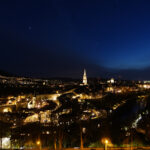
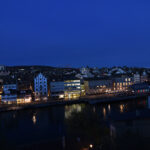
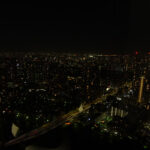
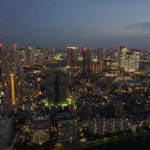
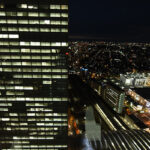
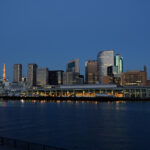
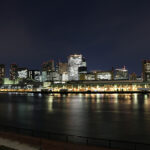
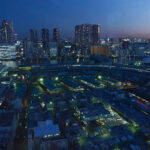
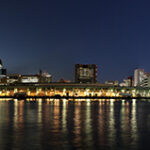
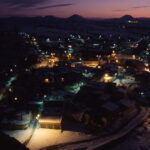
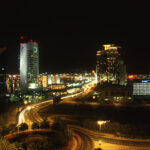
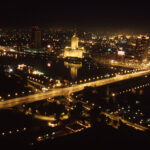
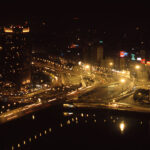
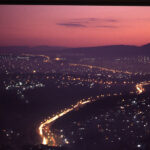
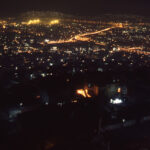
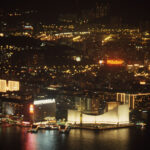
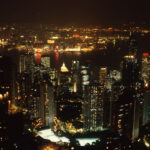
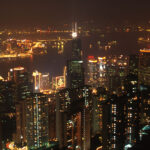
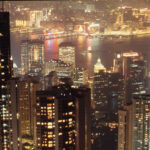
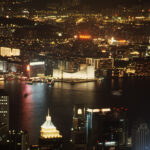
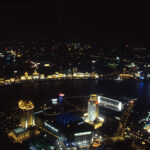
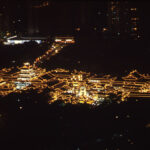
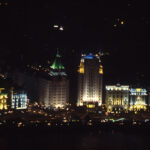
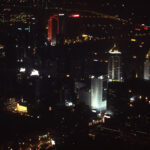
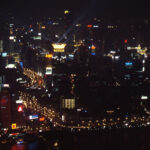
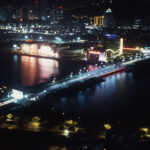
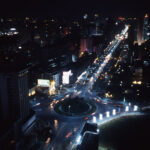
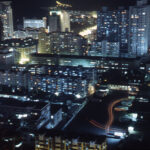
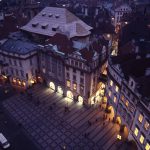
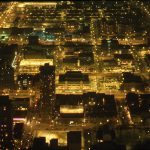
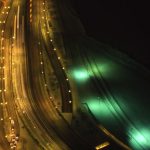
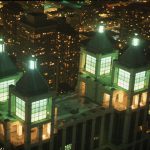
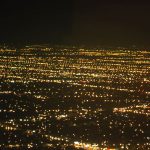
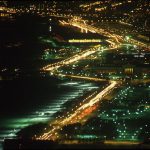
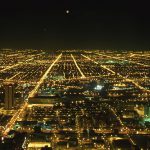
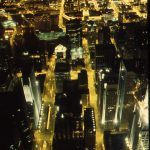
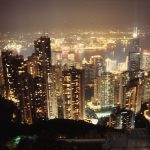
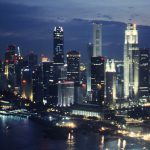
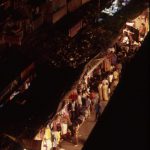
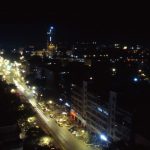
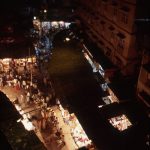
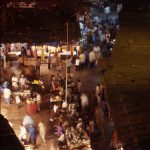
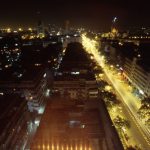
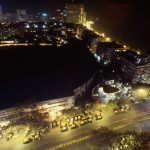
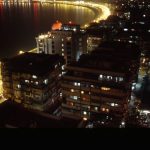
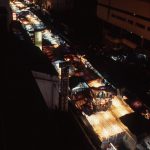
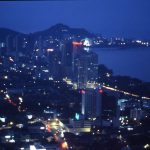
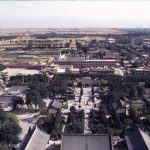
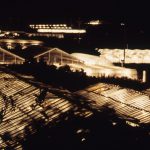
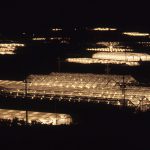
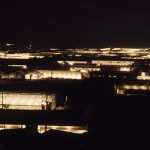
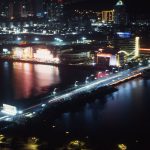
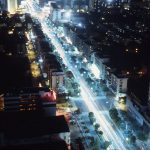
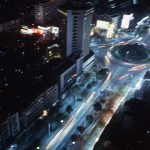
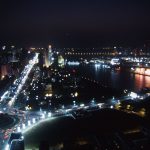
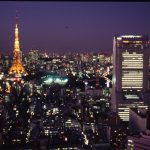
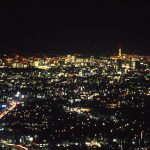
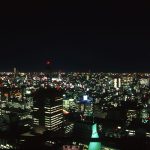
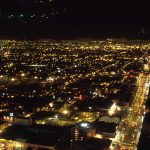
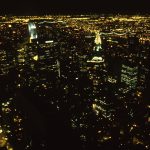
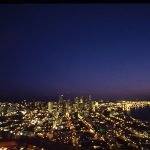
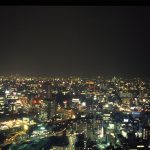
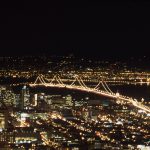
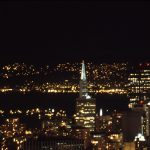
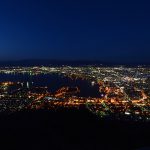
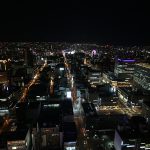
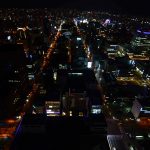
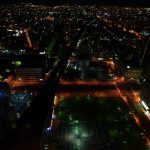
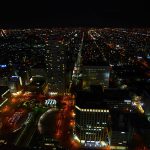
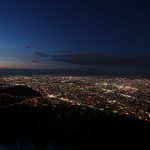
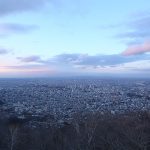
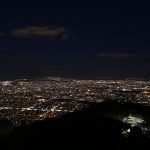
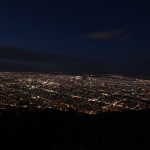
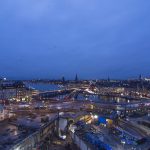
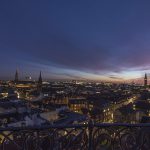
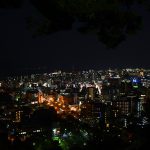
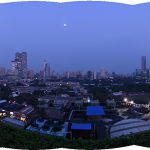
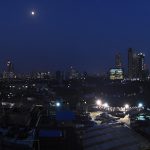
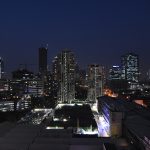
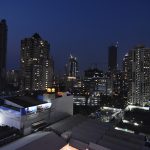
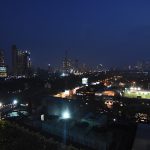
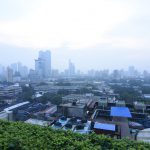
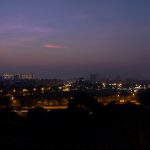
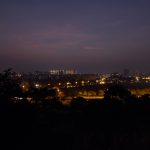
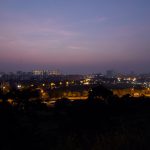
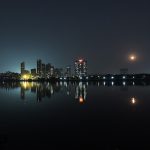
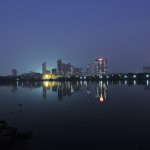
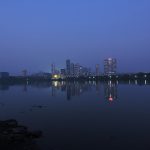
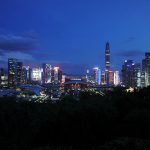
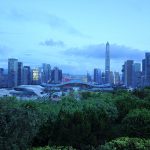
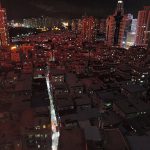
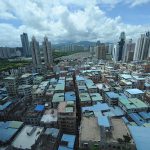
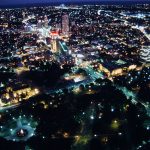
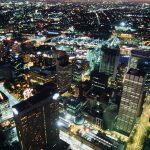
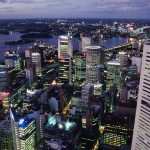
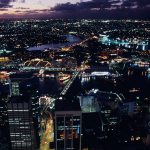
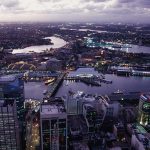
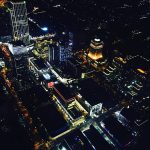
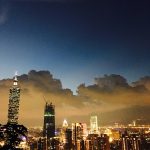
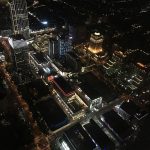
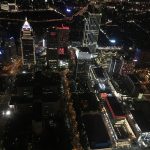
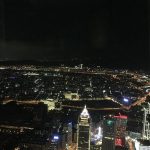
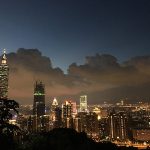
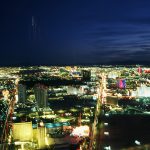
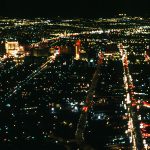
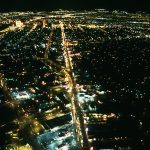
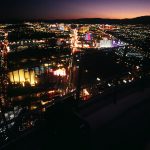
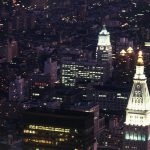
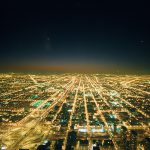
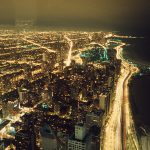
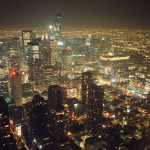
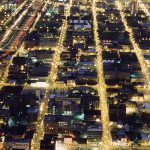
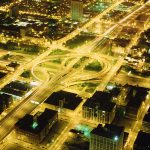
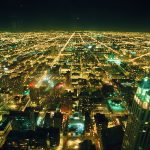
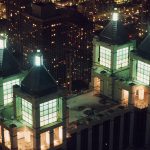
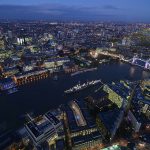
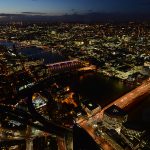
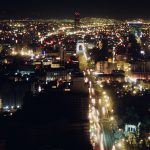
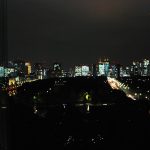
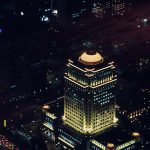
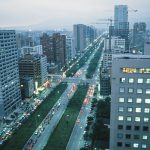
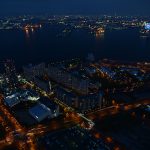
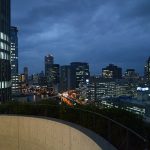
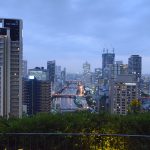
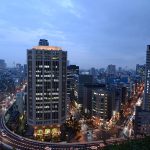
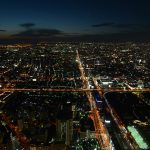
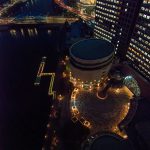
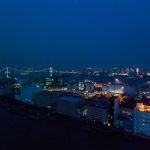
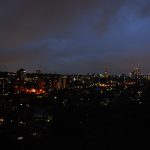
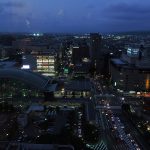
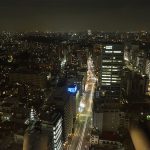
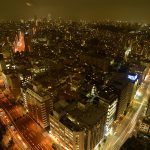
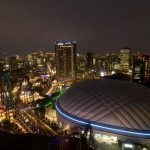
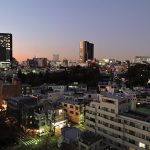
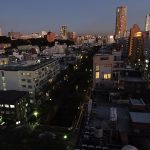
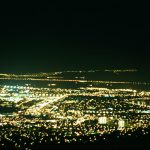
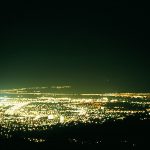
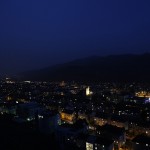
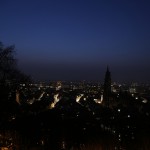
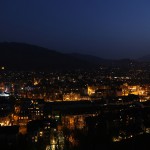
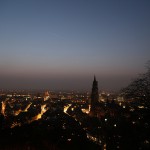
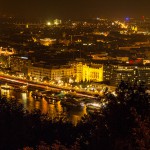
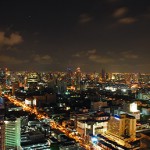
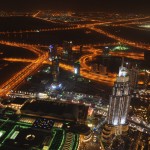
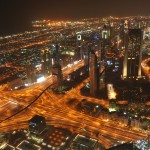
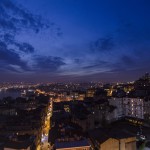
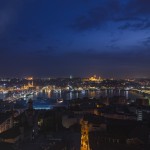
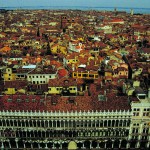
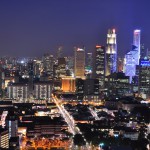
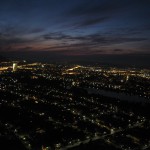
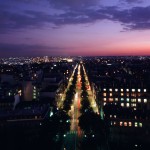
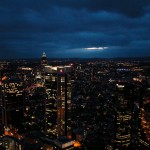
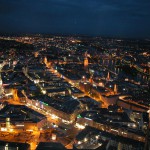
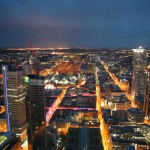
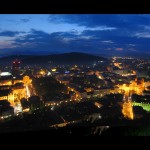
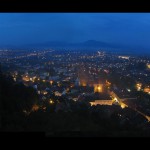
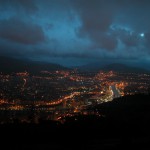
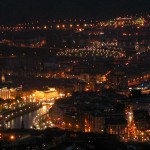
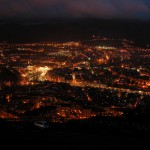
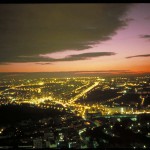
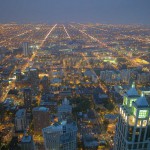
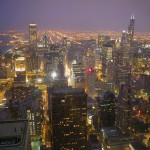
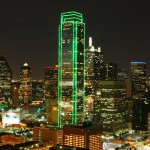
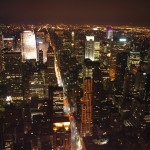
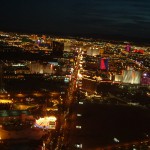
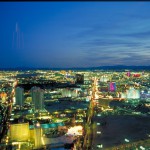
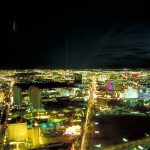
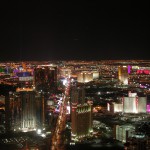
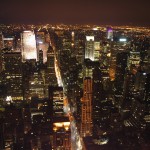
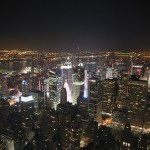
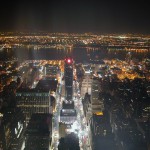
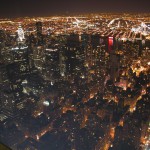
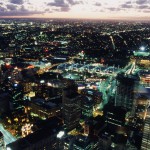
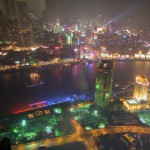
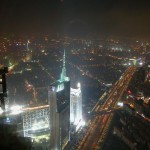
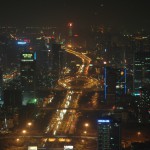
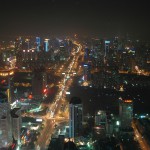
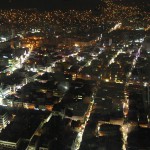
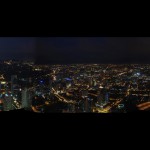
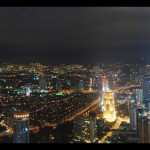
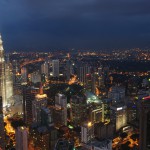
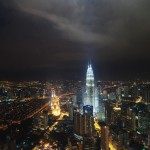
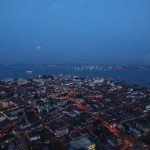
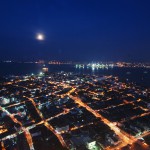
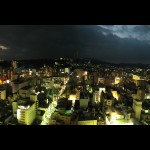
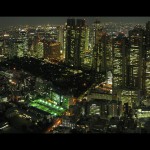
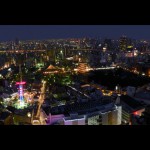
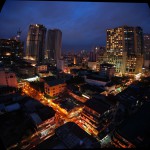
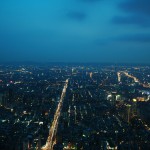
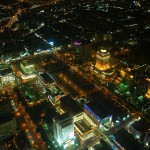
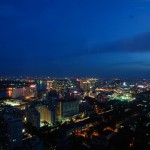
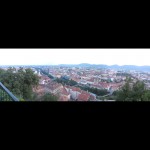
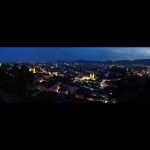
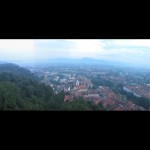
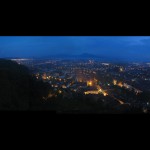
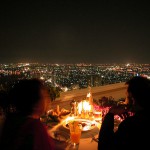
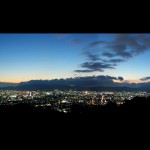
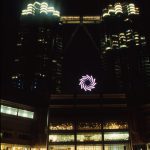
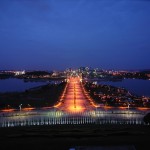
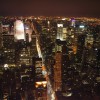
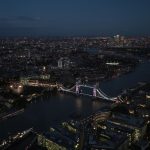
2025.09.12 & 09.18 Lin Hu + Jiang Kunzhi + Lin Huangyi Shenzhen evolved from a fringe town into a high-tech metropolis in about 45 years, and its bold, sustainable urban lighting planning stands out nationally. A two-day field study examined nightscape patterns in its three CBDs, media façades in Futian, and the functional lighting design of the new Gangxia North Metro Station. Unlike older, historically rich Chinese cities, Shenzhen started as a peripheral town and in just about 45 years has become a high-tech modern metropolis. Thanks to its local legislative autonomy, Shenzhen’s urban planning is highly experimental and often serves as a model for other Chinese and even international cities. In urban lighting planning, Shenzhen is a national frontrunner: its nightscape design is bold and innovative, yet the city has also enacted special regulations for ecological protection and light pollution control, showing a clear commitment to sustainability. However, some lighting projects still spark social debate over energy consumption, light pollution, and the use of public resources. To understand more of Shenzhen’s current nightscape, the Shenzhen office team conducted a two-day field study with Mende-san and Kasai-san, focusing on three themes: 1. Nightscape of the three main CBDsWe visited the observation deck at 540 m on the Ping An Finance Center in Futian to take in the scale and layout of the city at night. Looking east toward Luohu, the skyline shows a mix of old and new high-rises, reflecting Shenzhen’s…
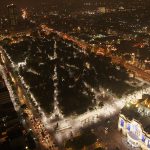
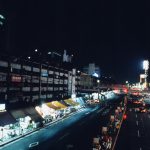
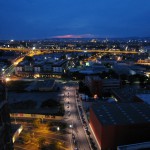
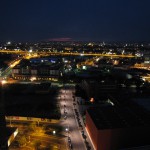
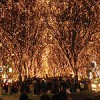
The new cityscape in Potsdamer Platz is a symbol for the new Berlin. Like light, the shadow from the wall that separated the east and west has dwindled to nothing, but some things still stay the same. The light along Ku-Damm Street still creates a gentle axis of light, providing a welcoming atmosphere for the bustle of people. The Sony Center, with its impressive rooftop called the Fujiyama. The Siegassaule, a symbol of east and west division and unification, stands out in illumination. The showcases along Ku-Damm Street continue for 2km. This street transforms by night into a sidewalk light by large lantern-like show windows.
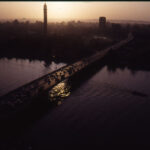
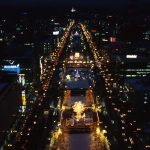
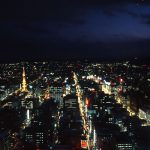
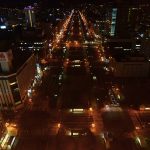
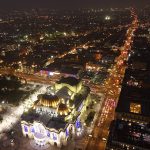
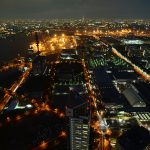
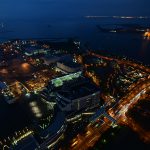
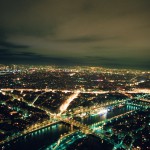
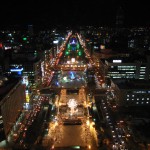
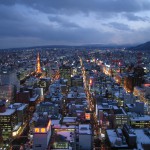
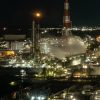
Looking over the Nagoya nightscape from the symbolic Television Broadcasting Tower, Hisaya Boulevard stands out in the center and orange sodium lamps dominate the park below. The new trendy spot in Nagoya, Oasis 21, along Hisaya Boulevard. We climbed up the Television Broadcasting Tower before dusk so we could sit back and watch nature’s light show over the city with Oasis 21 in the foreground. Various mechanisms of light are incorporated into the design of Oasis 21, a former LPA project and winner of IESNA 2003 Award of Merit. One characteristic of Hisaya Boulevard nightscape is that the scenery always includes the Television Broadcasting Tower. Whether from the illuminated water fountain, Central Bridge, Central Park, or Oasis 21 all are framed just like a picture postcard with the Tower in the background.
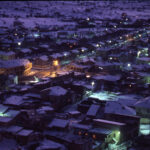
2022.11.4-5 Sachiko Segawa Surprisingly, this survey of the Sawara district marks the first time the Lighting Detectives have conducted an investigation within Chiba Prefecture. The team focused on an area designated both as an Important Preservation District for Groups of Traditional Buildings and as a Landscape Formation District. Here, the townscape of merchant houses, which flourished from the Edo period thanks to river transport on the Tone River, still remains. Located about 70 km from Tokyo Station and slightly inland from the Tone River, the Sawara district of Katori City once thrived as a merchant town, to the point it was said to rival Edo itself. However, the town declined during Japan’s period of rapid economic growth. Following a townscape survey in 1974, the value of its historic scenery was reappraised. Today, leveraging its convenient location—just two hours from Tokyo and one hour by train from Narita Airport—the area is being redeveloped as a tourist destination. For this survey, the team limited their scope to the townscape along the Ono River and conducted a nightscape survey. ■Uniquely Designed Lighting Fixtures From JR Narita Line Sawara Station, as we walked toward the Ono River, we were greeted by a bollard topped with a monkey. “Why a monkey…?” we wondered, but as we continued upstream along the river, we encountered bollards adorned with all sorts of figures: rabbits, carp, children, frogs, Ebisu, and more—each one different, with no two alike. These uniquely…
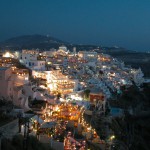
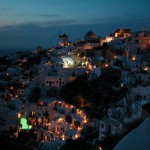
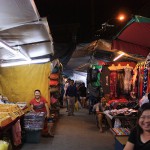
Santorini, one of the many island of Greece, is a crescent-shaped island in the Aegean Sea. The chalk-white townscape on top of the steep bluffs of this island constantly changes with the natural light, like a painter’s canvas, and one is reminded that artificial light does not compare to the beauty of natural light. One of the many Greek Orthodox Churches in Oia Village of Santorini Island. The strong afternoon sunrays reflected off the white walls and blue roof of the church as the ocean and sky sink into the background. Lights come on slowly as the evening approaches Oia. Everyday tourists gather on the tip of the cape to view the sunset that is said to be the one of the best in the world. Five hundred and eighty stairs take one up 300m from the waters edge to the top of the bluff. Along this narrow path, light from souvenir shops is the only illumination in the night.