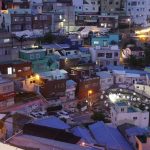
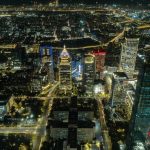
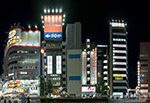
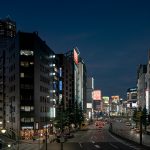
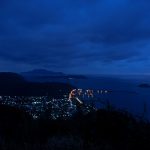
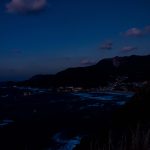
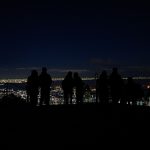
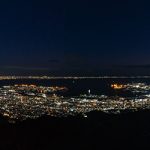
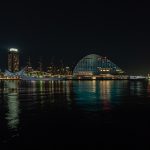
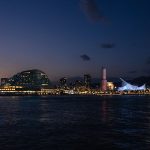
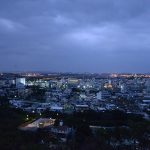
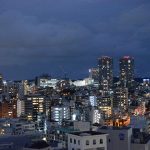
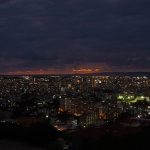
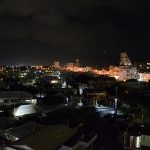
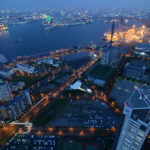
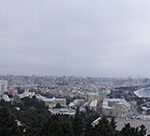
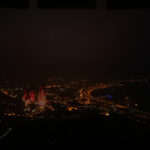
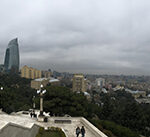
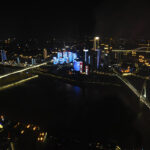
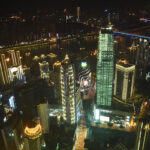
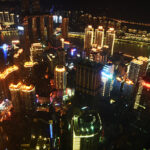
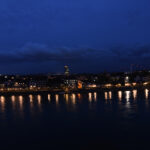
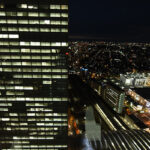
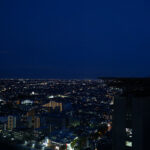
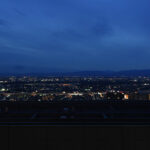
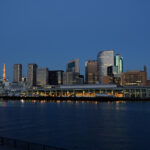
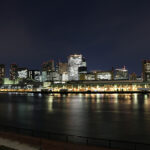
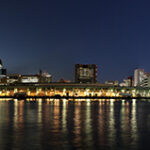
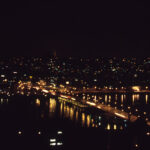
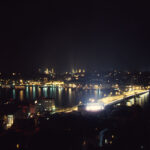
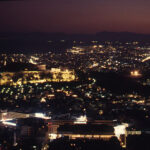
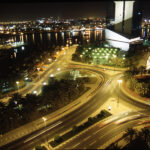
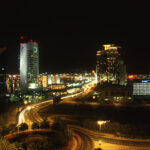
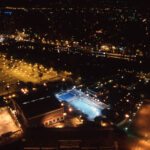
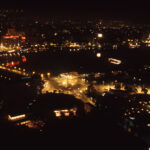
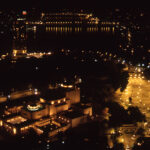
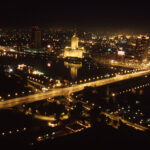
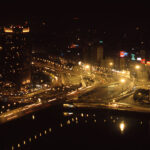
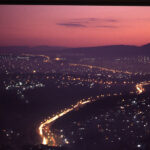
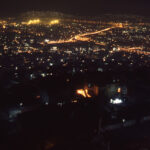
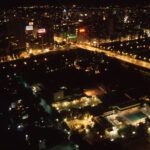
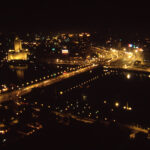
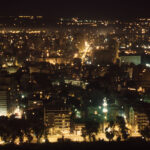
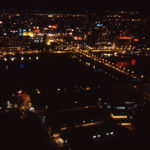
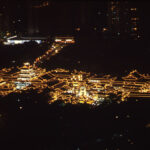
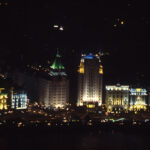
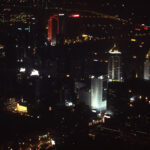
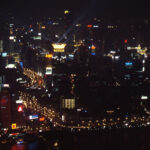
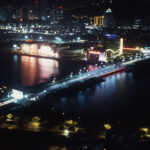
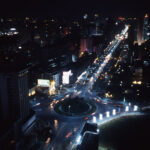
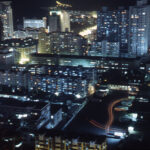
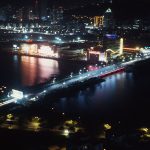
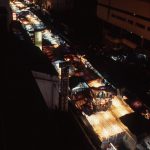
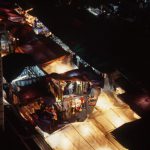
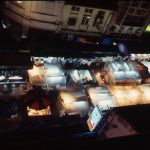
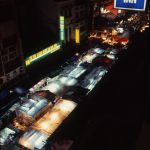
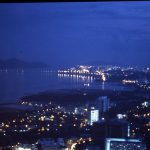
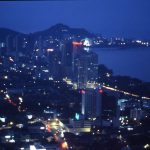
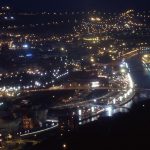
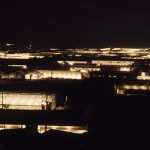
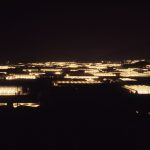
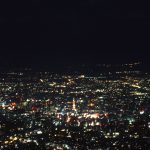
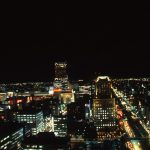
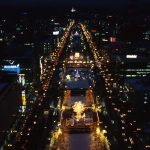
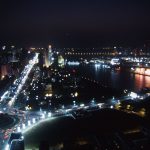
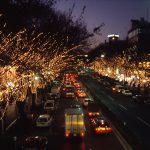
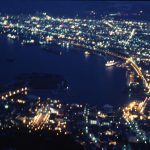
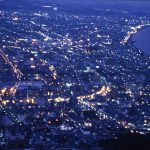
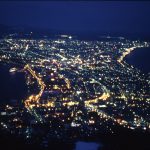
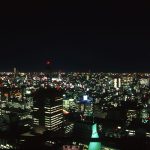
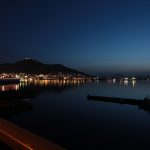
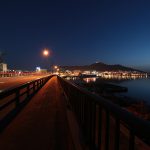
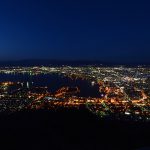
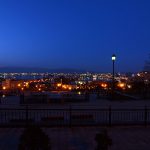
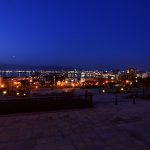
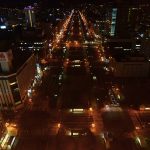
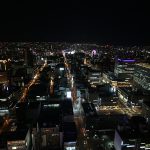
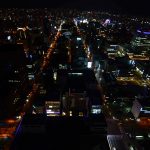
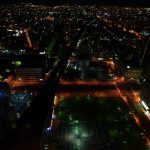
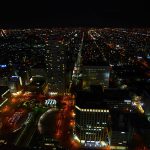
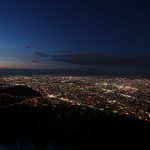
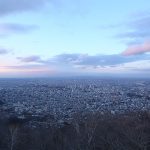
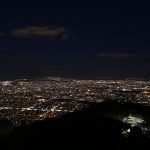
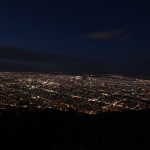
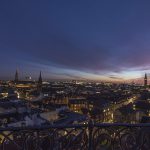
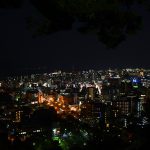
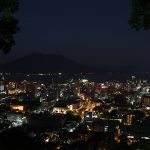
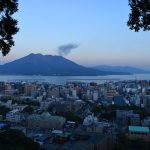
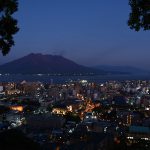
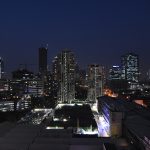
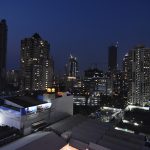
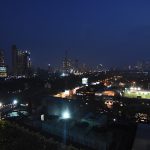
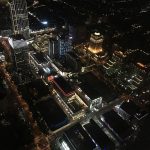
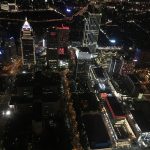
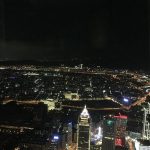
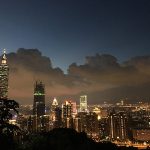
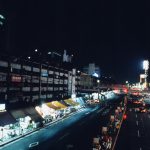
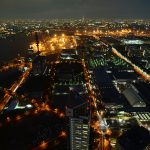
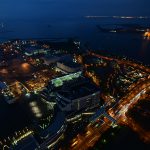
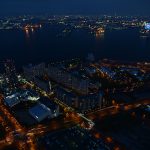
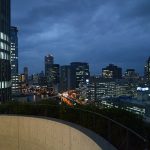
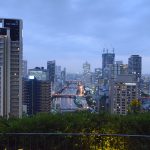
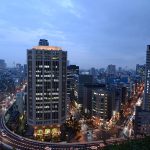
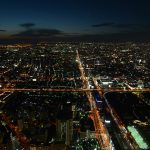
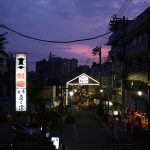
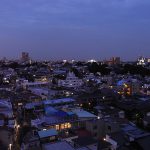
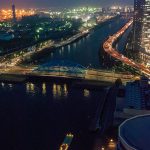
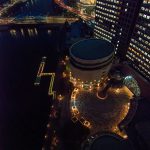
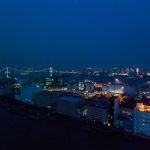
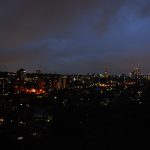
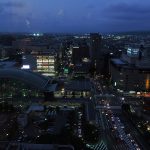
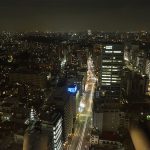
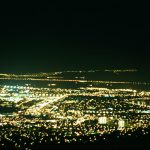
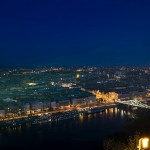
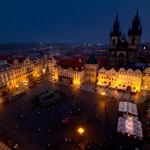
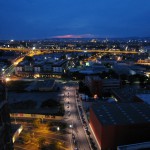
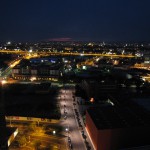
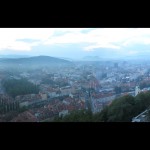
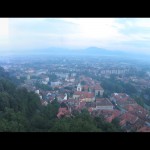
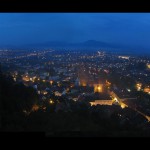
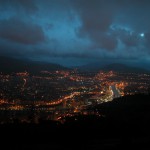
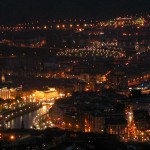
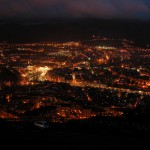
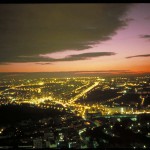
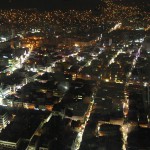
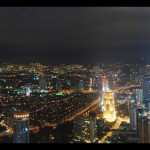
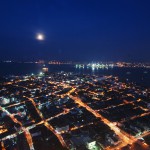
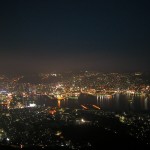
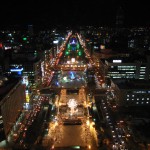
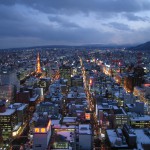
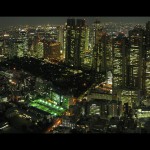
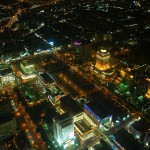
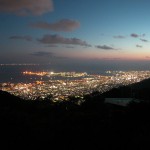
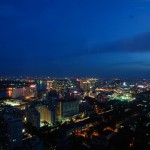
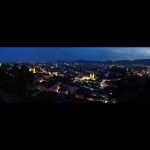
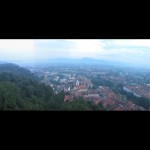
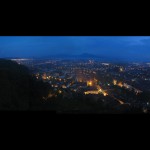
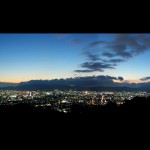
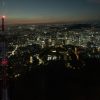
2025.01.08-01.11 Misuzu Nakamura + Sachiko Segawa Kitakyushu City was finally ranked No.1 in the latest “New Three Great Nightscapes of Japan” by the Night View Tourism Convention Bureau. The city has actively utilized its local assets—such as the industrial landscapes developed from the Yahata Steel Works, historic streetscapes, and a terrain of hills and bays—to enhance its nightscape. Surprisingly, this city had not yet been surveyed by the Lighting Detectives, so we set out to rediscover its unique allure. ■Learning What Makes a Compelling Nightscape Before beginning our survey, we visited Ms. Miki Matsushita, a lighting designer who has long been involved in Kitakyushu city’s nightscape—from formulating the nightscape guidelines for the Kokura city center to planning lighting for various facilities both in and outside the city. We visited her lighting design office in Fukuoka City, which felt as comfortable and refined as an art museum. There, we had the opportunity to hear a wide range of storie—from the time she spent developing the guidelines to her mindset as a lighting designer. One thing that left a lasting impression was her comment that guidelines shouldn’t become manuals, but rather serve as guidebooks. It became clear that her approach, rooted in deep empathy for the local community, allowed her to foster unique charm through the application of the guidelines in ways that reflect the distinct character of each area. (Misuzu Nakamura) ■Kokura Station Area: The Gateway to Kitakyushu and a Hub…
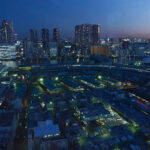
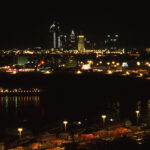
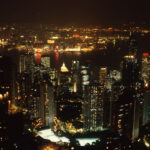
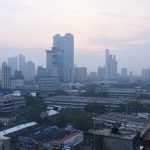
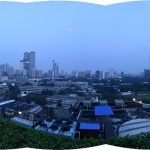
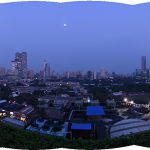
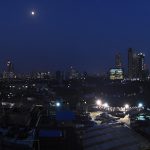
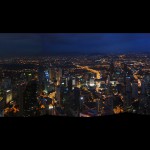
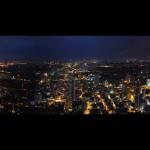
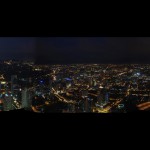
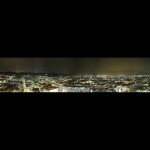
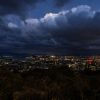
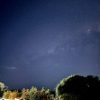
Urban Light and Natural light in Western Australia2025.10.28 – 11.01 Hongna Chen + Puyu Wu This lighting survey investigates the influence of Western Australia’s local culture and natural landscape on its lighting environment, exploring whether its relative remoteness has led to distinctive approaches in lighting design. For this purpose, field investigations were conducted in Perth and its surrounding natural areas. ■ Perth’s Geographic LocationPerth is a city in Western Australia and is often described as the world’s most isolated major city. This characterization stems from its extreme remoteness with the Indian Ocean to the west, vast outback deserts to the east, and long distances from other major cities—about 4,000 km from Darwin, 2,700 km from Adelaide, and over 3,000 km from eastern cities such as Sydney and Melbourne. The unique nightscape of such a “remote” city is the central focus of this survey. ■ Panoramic Night ViewTo take in the city’s nightscape from above, we chose King’s Park, the largest park in Perth. The park is a popular recreational spot for locals. On our way up, we saw many people hiking, picnicking, and sunbathing. We joined them at the hilltop to await nightfall. From Kings Park, Perth’s nighttime view clearly reveals the structure of the city’s lighting. The CBD skyline is defined by clusters of bright, cool-white light from office towers, while the streets below form a grid of warmer, yellow streetlights. The Swan River is faintly outlined by ambient…
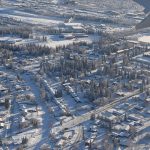
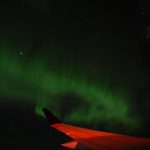
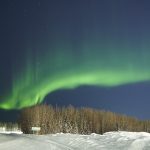
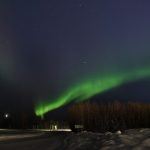
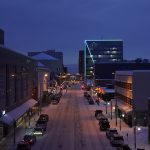
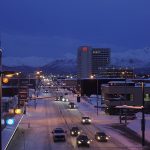
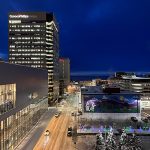
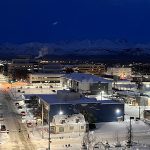
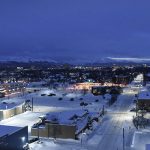
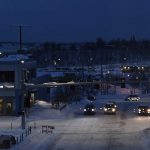
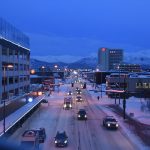
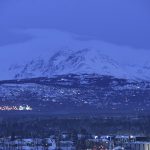
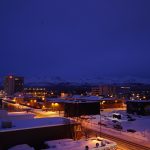
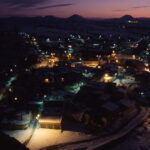
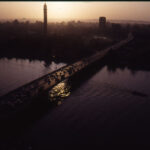
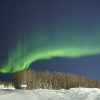
2024.02.06-02.12 Masafumi Yamamoto + Yuki Ito We visited Alaska at the beginning of February. The purpose was to investigate the light environment in the Arctic under the theme of ‘Mother Nature’, focusing on urban areas, living environments, Eskimo life, and the wilderness. In this study, we stayed in Anchorage, the largest city in Alaska, and Fairbanks, a citysurrounded by nature. In Fairbanks, we stayed at a lodge in the mountains and observed the northern lights. ■Arctic City After noon in Fairbanks, a city as close to the Arctic Circle as you can reach. The weather is clear. The sun has risen close to the horizon and is about to set. Houses and trees cast long shadows on the ground. It is a beautiful scene, as if I had dipped the tip of my paintbrush in dark blue watercolor paint and carefully traced a stroke on a white canvas covered with snow. The temperature here is minus 20°C (68°F). Still, I can feel the warmth of the sun on my skin. The temperature can reach minus 40°C (-40°F) during the harshest season, while the four seasons are rich in variety. The temperature drops even further when the wind blows. This is the kind of Alaska I wanted to visit. The flora and fauna live in such a harsh natural environment. Human life right next to them. We would like to investigate the lighting culture while unraveling the reasons for this. ■Closing…
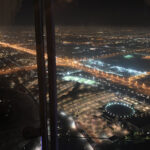
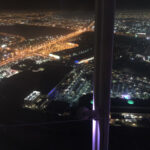
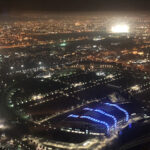
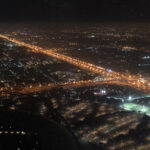
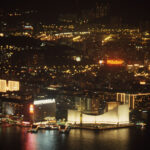
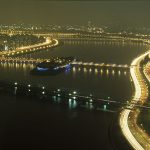
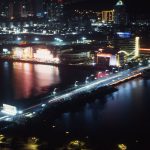
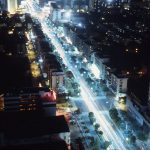
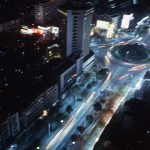
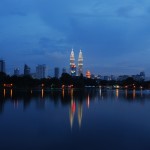
Songdo newcity, Inchon and Seoul city2025.10.22- 2025.10.25 Karen Huang + Xueying Piao + Xianyu Liu The purpose of this Seoul lighting survey is to explore how lighting shapes the city’s identity and cultural expression of the urban landscape in the multiple layers of Seoul.With this purpose in mind, we went to Songdo, Incheon and Seoul for the servey. ■ Songdo InchonOn the first day of our site survey, we visited Songdo International Business District in Incheon. As a flagship planned development in Yeonsu-gu, this new town represents a remarkable urban planning achievement, constructed entirely on reclaimed land – essentially a future-city built from the ground up. The district demonstrates excellent connectivity, with the core area accessible within approximately 90 minutes via bus from Incheon International Airport. By around 8:00 PM, few people are on the street. Our survey focused on the central park area of Songdo. At street level, building facades demonstrated minimal use of decorative flood lighting, relying primarily on internal illumination to create a subdued atmosphere, while the commercial districts utilized abundant illuminated signage to inject vibrancy into the urban landscape. The most critical insight emerged from the view at G Tower: the urban planning framework is distinctly articulated through strategic color temperature zoning, with residential areas at 2700K transitioning to over 5000K for landmark structures, constituting a macro-level “light planning” methodology. Simultaneously, the concentrated application of architectural lighting to tower crowns effectively reinforces skyline identity while minimizing…
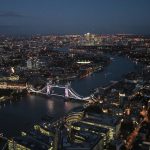
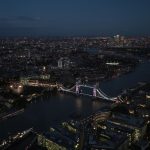
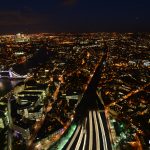
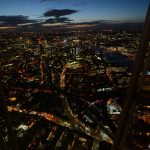
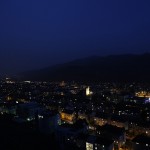
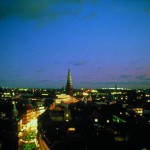
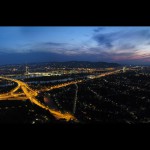
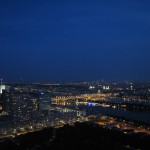
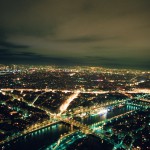
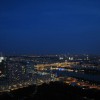
Wien is a city of artistic culture built upon the glory of the Habsburg Family Rein. Floodlights illuminate the heavy, stone architecture along the old streets, but just across the way is newer architecture with systems of LED`s that illuminate shear glass facades. The clash between the old empire and new culture is clearly visible in this city. viView of the City of Wien from Donauturm Observatory. The city, clustered around the Danubian River as it winds through the urban landscape, is beautiful at dusk. Nineteenth-century buildings used to store gasoline, Gasometer, have been transformed in to apartment buildings, shopping malls, and other facilities in 2001. Lights from the new living quarters spill out over the redeveloped area. Stephans Plaza at night. All the shops are closed, but store windows are aglow with soft light. Neon lights and other illuminated signage are also more visible along this street.