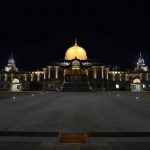
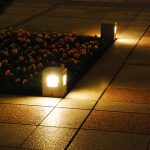
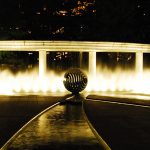
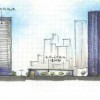
2025.09.04-09.08 Yonglin Ke + Masashi Kurobe The nights in Honolulu are a diverse blend of resort illumination, residential lights, torches, and night market glows. However, as the city develops, the starry sky is fading, raising concerns about the impact on the local ecosystem. Balancing urban growth with light pollution countermeasures remains a significant challenge. We conducted an on-site night walk survey to explore the balance between the city and nature and to evaluate the current lighting environment. ■Honolulu Honolulu, the capital of the U.S. state of Hawaii, is a prominent tourist destination in the heart of the Pacific Ocean. Simultaneously, it serves as the political and economic hub of the state. In this land where the sea, mountains, and urban areas sit in close proximity, the nightscape reveals a variety of expressions depending on the time and location—blending the glow of resort hotels, the soft lights of residences, traditional fire torches, and the vibrant lights of night markets. Furthermore, the combination of intense sunlight and a tropical climate creates a unique character within the city’s lighting environment. On the other hand, urban development and the growth of the tourism industry have negatively impacted the visibility of the starry sky and affected local ecosystems, such as migratory birds and sea turtles. While the state and city have begun implementing measures to reduce light pollution, finding a balance with the tourism industry remains a challenge. During this night walk survey, we investigated…
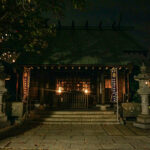
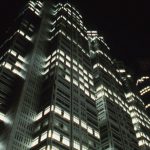
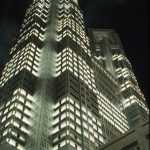
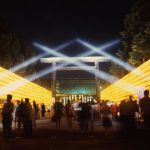
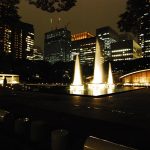
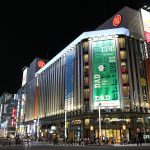
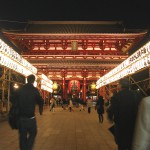
Shiodome Sio-Site was a joint public and private sector redevelopment project completed in 2006. In nearby Shinbashi, eateries and bars built under and into the brick structure of the elevated railway tracks during the Meiji era have become a famous cityscape of this area. We set out to discover what kind of lighting environment exists in this conflicting neighborhood of Tokyo. Red lanterns, single light bulbs hanging under the eaves, colorful luminous signage…All the lighting is warm and inviting. The lighting environment along the streets of Shinbashi is wide and varied, but somehow closes the distance between strangers. Lighting for an elevated pedestrian deck connecting high-rise buildings in the area. The warm colored lighting creates a comfortable atmosphere for a nighttime stroll. The Shiodome high-rise buildings are not showy, and along with the interior office lighting, only a few have facade lighting on the building crowns.
The Television Broadcasting Tower looks down on the orange sodium lamps overflowing from the grid patterned streets of Sapporo. While on assignment in December we were able to view the multi-colored White Illumination set up along Ohdori Park and Sappore Eki Mae Street. Looking towards Ohdori Promenade from the JR Tower. Sapporo is a beautiful city at twilight with orange light from the streets to set off the blue-tinted snow-topped roofs. The tree-lined street, Sapporo Ekimae Avenue is a sight to see with its unique style of looping lights over tree branches. Visitors with cameras and mobile phones converge on the decorated Ohdori Promenade. Sapporo Television Tower, similar to Tokyo Tower and Nagoya Tower, and all designed by the same architect, is also illuminated with the same type of sodium lamp.
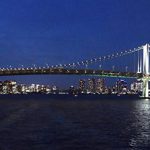
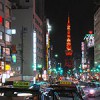
From up above Tokyo looks like an overturn jewelry box, the night streets glitter with lights and it a fairly beautiful sight. Once back on ground, the glitter has turned harsh. It is an economically advanced nightscape, an efficient nightscape with needless light and light pollution. An aerial view of Tokyo at night. The dark area in the center of Tokyo, the Emperor`s Palace, is surrounded by clusters of lights that resemble precious stones. From this view it is unclear where Tokyo begins or ends. The Tokyo nightscape is illuminated in bright white light. Mercury lamps and florescent lights in the background of Tokyo Tower control the nightscape of this city. Old-fashioned houseboats gather in the foreground of the Odaiba District and the Rainbow Bridge.
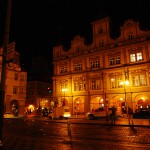
Bangkok, a city in a swirl of on-going change. In our previous survey of Tokyo’s Kanda River, we discover that the backs of buildings face the river creating and area of dark contrast in the middle of the city. But here along the Chaopraya River the opposite is true with the front facades lining the waterfront. Open-air restaurants and bars occupy the rooftops, as the spectacle of the city spreads out below. The Millennium Hilton, Bangkok, opened in May of 2006, is the first major hotel brand to open a hotel in the country in 20 years. The hotel boasts 543 riverfront rooms. With a UFO-like disk on top of the building, the cool-modern design stands tall among the neighboring structures. Along the riverfront, a private pier is provided for guests and dinners at the restaurant and bar. As river taxis come and go, the warm spots of light along the river reflect and shimmer on the water surface. Scirocco, one of many open-air restaurants, is approximately the same height as the special observation room at Tokyo Tower, 246 meters above ground, but without the glass barrier!. Without a glass window the lights of the city below seems so much more clear and real!! At the next table sat an older coupe that came to watch the sunset. The woman was surprised when presented with a big bouquet of flowers, undoubtedly a romantic gesture from her husband. A single candle…