Annual Forum

8th Annual TN Forum: 2009 / Beijing Enjoy Eco Lighting

More

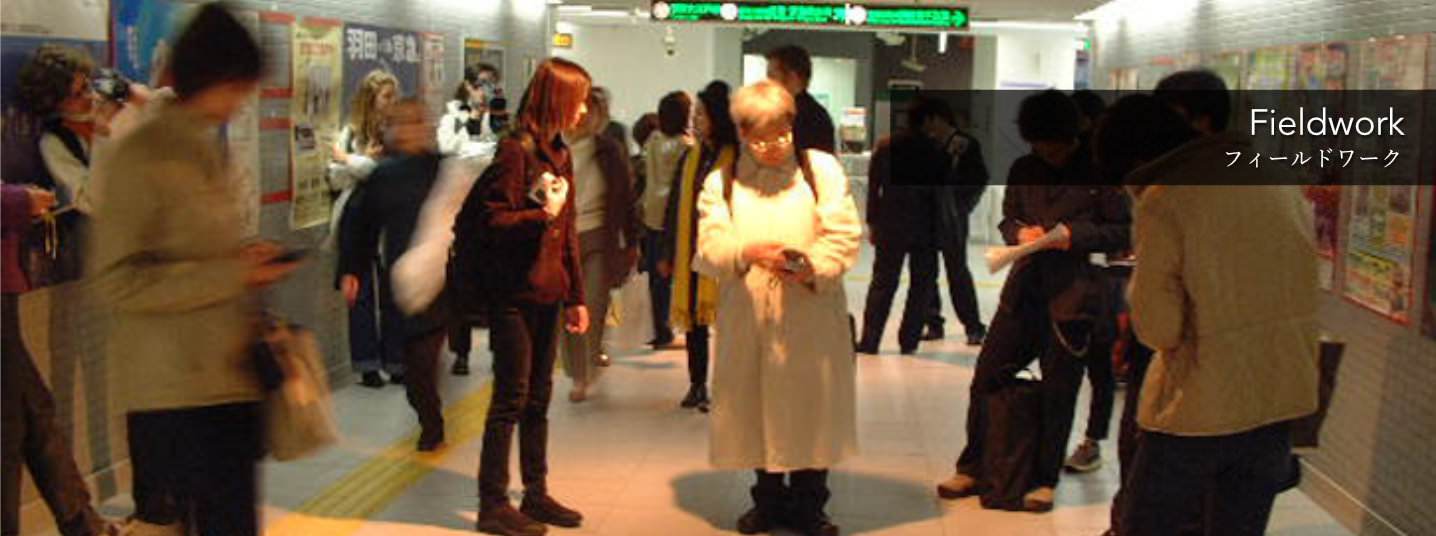
Date: October 13-16, 2009 Program: Workshop, City Survey, Symposium Venue: Central Acadamy of Art, Gouzijian 8th Annual Transnational Tanteidan Forum Beijing 2009 Workshop: 2009.10.13-15 Central Academy of Art No.8, HuaJiaDi Nanjie, Chaoyang District, Beijing Forum: 2009.10.16 GuoZiJian (The Imperial College during the Yuan, Ming, and Qing Dynasties) The 8th annual Transnational Forum was held in Beijing in October 2009, a year after Olympic hype! The theme for the workshop and forum: “Enjoy Eco Lighting.” TN Tanteidan Forum Under Reconstruction The Transnational Tanteidan Forum tour of core member cities ended in the autumn of 2008 with the Belgrade Forum and a new chapter in forum history began. A year before the start and in the midst of Olympic enthusiasm, the lighting detectives were searching for new and exciting ideas for the 2009 Beijing Forum. Guidelines for the Beijing Forum include: 1. Joint theme for workshop and forum 2. Workshop: a city walking tour in the form of “Lighting Heroes and Villains” 3. Forum: Instead of core member presentations a more improvisational discussion Core members from Japan and Europe were slightly concerned about irregular mishaps or events in China, but the new Beijing Chapter offered passionate and dedicated local support for a very productive workshop and forum. Workshop: Light and Shadow Search in Beijing WS Day 1: Out on the Streets of Beijing 87 students from Tokyo, Stockholm, and all over China gathered for a 2-day workshop. Under the joint workshop-forum theme,…

City Walks and Salon

Enjoy Green Lighting Salon 1: Residential Lighting / Eco Ideas for Fun Residential Lighting

More

Presentation of earth-friendly lighting ideas. 13 November, 2009 The theme for the fourth Lighting Detective Salon featured residential fieldwork with ideas for fun eco lighting. Guest speaker, architect, Kazuhiko Namba presented his own ideas on sustainable housing. What is environmental-friendly, people-friendly lighting? Even using low wattage lamps, attaching a net cloth to a cieling fixture creates enough brightness on the table top. Ambient light reflected off the ceiling for plenty of brightness while sitting at the table. Simple lanterns Dialog between Mr. Namba and Chief Mende. Reception Keywords such as CO2 reduction, green, earthy are now very common in our daily lives. However, how many people actually incorporate environmentally-friendly practices into their lives. As Lighting Detectives, we asked ourselves if there is something we can do to incorporate green ideas into the lighting environment. Something easy and fun, nothing laboring or painful, that could be started right away? Hmmmmm?!?! Trendy Lighting Beginning with ordinary residential lighting, we experimented with different tricks and light simulations at the Koizumi showroom. First of all, the easiest way to increase brightness is by color. The color of a tablecloth, the color of curtains, even the color of a brown room compared to a white room effects brightness. As an element of the interior, changing the color of a tablecloth to suit different scenes will not only affect the lighting, you may even achieve haute interior! small light, BIG LIGHT Sometimes it might be fun…

Nightscape Watching Tour

Tour No 7: Singapore River Boat and Talk Tour

More

October 30, 2009 As part of the events held during ArchiFest2009 in Singapore, the Lighting Detectives took a boat ride to observe Singapore waterfront lighting. How does waterfront lighting contribute in creating a space for a pleasant evening stroll along the river? What attracts us towards the waterfront, and how can light help enhance this atmosphere? The ride started from the busy commercial part of the river winding down to a very quiet residential stretch where the Lighting Detectives put up lighting installations. The idea was to highlight derelict zones of the riverscape with the intention to attracting the residents and passersby. Pedestrian bridge was chosen for this. The water edge was also highlighted by using floating lights, handrail lighting and even changing the colour of the street lights from an orange to a blue to complement the surrounding waterscape. Prior to the boat ride, there was a talk on waterscapes and lighting by Mr. Kaoru Mende who showed innovative projects involving waterscape lighting, and Ms. Diane Chua who explained the history and evolution of Singapore River. The talk was moderated by Mr. Siew Man Kok of MKPL Architects. Mr. Siew Man Kok of MKPL Architects moderated the talk between Kaoru Mende and historian Ms. Diane Chua. As an authority on the history of Singapore River, Ms. Chua and Mr. Mende discussed the riverfront and lighting. Lighting instillations were set up along the darker residential section of the river. Aluminum…

City Walks and Salon

Tokyo City Keiba: Twinkle Race

More

23 October, 2009 TV commercials featuring famous teenage heartthrobs are dissolving the trashy image of horseracing and making it more accessible to the public. For a change of pace, the Lighting Detectives gathered at Tokyo City Keiba for the Twinkle Race. Galloping full speed around the track or walking gracefully in the paddock, lights blazed down on the thoroughbreds during race operation hours and the Lighting Detectives were there to capture and record it all. Enormous Lights Illuminated the Racetrack Metal halide floodlights are crammed together in a perfectly straight line to brightly illuminate the racetrack. Club members were caught with gaping mouths, as they turned away from the racetrack towards the stands and immediately were blinded by the lethal amount of light. Without thinking, Chief dug in his bag for his luxmeter. Without much effort, trackside vertical luminance was over 1000 lux. With that many fixtures there has to be excessive light shining on the track and also going every which way, but taking a look around only the track seems to be brightly lit. Hmmmmmm… Moving away from the track the glare seems to be minimal. Aha, the lamps must be super narrow beam lamps! 2009 Illumination: Shogo Kariyazaki x Fantastic Canvas When racing is not in progress, images under the theme “The subtle changing and colorful show of seasonally blooming trees and flowers,” created in collaboration with flower artist, Shogo Kariyazaki, are projected on a HUGE 8m…

Global Research

TIANJIN, China

More

Tianjin is situated 150km east of Beijing and easily reached in a 30-minute high-speed train ride. Historically, foreign influence including the UK and Germany has shaped the western-style architecture and streetscape that this city is famed. Tianjin also poses the largest harbor in Northern China, a gateway for this economical and technical development zone. Upon exiting the main station, a panoramic view of the city awaits. The western architecture, remnants from the foreign settlements era, is illuminated in low-color temperature light and stands in contrast to the newly constructed skyscrapers. A historical western architectural structure is now used as a banking facility. At night, orange-colored fluorescent and high-pressure sodium lamps softly illuminate the facade. Downtown is also bustling with construction. During the day the area is swarming with shoppers and construction site workers. At night, mega size digital media, neon signage, and colorful lanterns are everywhere, with even more foreseeable in the future as the construction boom continues.

Global Research

BEIJING, China

More

From post-Olympic pride to the celebration of the 60th Anniversary of China as a nation, China is a very vibrant place. In this country where government is central, we discovered elaborate, but regulated lighting, lighting embellished by economic development, and traditional lighting. The old and new intermingle along the streetscape of this constantly changing city. An air of excitement in Tiananmen Square, Beijing. One of the largest plazas in the world, it is brilliantly illuminated and crawling with tourists late into the night. The elaborately controlled lighting is overpowering, a possible symbol of the nation’s authority. A relic alleyway from the Ming Dynasty winds through a residential area. Traditional neighborhoods are built to the human scale with the glow of lantern light dispersed among the alleyways. People are drawn to the lit doorways and their energy spills out into the streets. After 10pm the facade lighting dims and the architectural structure of the National Stadium, or “Birds Nest” is highlighted. The icon seems to be wrapped in a silent kind of glory. Many of the high-rise buildings in the CBD are illuminated at night, a reflection of the recent economic boom.

Global Research

TOKYO : SHIMOKITAZAWA

More

Shimokitazawa is a neighborhood of small shopping streets and alleyways, projecting a strange, but comfortable atmosphere, as people crowd the backstreets until late in the night. However, plans to replace this quaint neighborhood with arterial roads and high-rises are underway. The detectives took what maybe a last chance to survey this area before it is “defaced.” The top half and rooftops of most buildings do not have any luminous signage. As a result, a bird’s eye view of this neighborhood is actually fairly dark. The station front plaza is filled with people listening to music from sidewalk acts or looking at street art. The crowds of people naturally overflow into a nearby street. If an arterial road is planned for this area, this atmosphere will be lost forever. Two streets back-to-back, but built to two different scales and with two different demeanors. On the left is Shimokitazawa`s main south entrance shopping street. With many interior decor shops, the lighting is bright and color temperature is high. One street inside and the atmosphere and lighting are more relaxed. Low color temperature, incandescent lamps from restaurants, cafes, and bars are the main source of light.

Candle Night

Candle Night Summer Solstice 2009 @ Omotesando – Eco Avenue

More

2009年6月19日 夏至 今年も20:00をまたいだカウントダウン映像でcandlenight@OMOTESANDO – Eco Avenueがスタート! 佐藤卓さんには楽しみながら講評をしていただきました。 捨てられる運命の空き缶にいのちが吹き込まれ、もう一度輝き出す。 テントウムシがロウで出来たキャベツにとまっている?!と思ったら、ロウで出来たテントウムシだ! コトリキャンドルを抱えて表参道を行進 ごみを否定しながら作品の一部に取り入れたオススメの一品。ごみで埋もれて光が見えなくなっていなければいいけれど… 4人組で出没したキャンドルナイトPRガール、キャンドルの妖精さんのひとり。 今年は合計400人弱のスタッフが集まり、ますます成長を見せるキャンドルナイト。 「でんきを消して、スローな夜を」をスローガンに、キャンドルを灯していつもと違った時間の過ごし方をしてみよう…という2003年の夏至から始まった環境NPOによるこのムーブメントは、今や日本全国で夏至と冬至の一大イベントとして様々な場所で行われています。 Candlenight@OMOTESANDO -Eco Avenue 2009年6月19日(金)夜8時から10時の2時間、表参道でキャンドルナイトが行われました。2005年の夏至から始まったこのイベントは今回で6回目を迎えます。 今年のテーマは「グリーン」です。優しさの代名詞、地球環境や自然環境をいとおしく思う時のキーワードとして掲げています。今年からはキャンドルのデザインだけでなく、LED(発光ダイオード)の使用を解禁し、東京近郊の美大生を中心とした総勢500名弱のスタッフが、表参道をあたたかなキャンドルとLEDの共存するあかりでケヤキ道を彩りました。 4つの柱 「キャンドルインスタレーション」「キャンドルカフェネットワーク」「子供たちのキャンドルパレード」「オリジナル行灯」。これら4つのイベントを柱に表参道ではキャンドルナイトが行われます。 キャンドルインスタレーションとは、表参道沿道にあるビルや店舗の軒先にあるスペースをお借りしてさまざまな展示を行うものです。空間をダイナミックに使うグループ。様々な形のキャンドルを使用して繊細な作品を作るグループ。来街者参加型のインスタレーションを行うグループなど、どれも凝っていて、表参道を歩いているだけでも目を楽しませてくれました。 キャンドルカフェネットワークとは、表参道周辺のカフェのテーブルや庭などをお借りして、そのお店のイメージに合わせたキャンドルを置かせていただくものです。キャベツの形をしたキャンドルにロウで作ったテントウムシをとまらせたり、季節をモチーフとして色とりどりの紫陽花のシェードを作ってみたり、カラフルなLEDとキャンドルを組み合わせたハイブリッドな作品が置かれるなど、面白いデザインがたくさんありました。 子供たちのキャンドルパレードとは、神宮前小学校の子供たちが放課後に作ったコトリの形をした行灯を持って表参道の街を行進するものです。最後はキャンドルナイトの本部がある交番横の広場へと向かい、既に設置されている森をイメージしたインスタレーションの思い思いの場所に子供たちがコトリを飾り、作品とコラボレーションしました。 オリジナル行灯とは、グリーンというテーマに沿って制作された一つ一つデザインの異なる趣向を凝らした行灯を手に、60人の行灯デザイナーが200人以上のスタッフを引き連れ、表参道中に散らばってキャンドルナイトを盛り上げるものです。原宿駅から表参道駅までの、およそ1kmもある表参道の沿道に点在する約30箇所のインスタレーションやカフェを、柔らかなあかりを纏うたくさんの行灯が繋ぎ、一つの空間にする役割を果たしていました。 これらのほかにも周辺で同時開催されるイベントがたくさんありましたが、それらのいくつかはWEBで告知をさせて頂いたり、当日はキャンドルナイトのアイコンを印刷したLEDキャンドルで光るバッグを配り、イベント場所に置いて頂くなど、昨年以上に表参道の街と一緒になって盛り上がった感があります。今年はラジオにも出演するなど、広報活動にも力をいれましたが、キャンドルナイトをきっかけにさまざまな企業と繋がることが出来たのは貴重な経験です。 嵐のように過ぎさったキャンドルナイトは、準備期間5ヶ月、参加大学・専門学校・団体数8、総スタッフ数482人、参加カフェ数23、インスタレーション数9、協賛企業数15、協力企業数8、消灯減灯協力店舗数33、と、これだけたくさんの方々に支えられて無事成功を収めることが出来ました。ご協力頂きました関係者の皆様には大変感謝しております。 まだまだ成長を続けるcandlenight@OMOTESANDO – Eco Avenue。来年もどうぞご期待ください! (矢野大輔)

Global Research

TOKYO : ASAKUSA

More

In front of the main gate to Senso-ji Shrine lies the neighborhood of Asakusa. One of Tokyo’s most popular entertainment districts, Asakusa flourished with kabuki, opera, and comic storytelling from the Meiji Era to the end of WWII. The Lighting Detectives discovered a variety of decorative streetlights and a lighting atmosphere fitting for this lively cultural destination. Upon entering the famous Kaminarimon, the Nakamise approach proceeds towards the shrine with bright-white, fluorescent-tube illuminated signage lining both sides. After navigating this corridor, walls of softly glowing lanterns come into view. The lanterns once lit with fire were replaced with incandescent bulbs and now fluorescent lamps. In popular neighborhoods like Shibuya or Roppongi, architectural facade lighting or neon signage fills the vertical space and “street lighting” is virtually non-existent. However, a variety of decorative streetlights festively illuminate the streets of Asakusa for a very fitting lighting environment. Pub signage and lanterns dispersed along the dark streets of Asakusa create an uncanny charm in this neighborhood. Roadway lux levels are a fairly dim 10-16 lx, but the red lanterns hanging from the eaves of establishments dig up affection for this old town.

Global Research

HOI AN, Vietnam

More

Hoi An was once a flourishing intermediate city of trade. Now, the city is trying to protect the traditional streetscape to appeal as a tourist destination. The nostalgic lantern festival, which was held every full moon, is being reintegrated, as they take on a “back to the basics” attitude towards modern city life. Compared to cities developing vigorously, but blindly economically, Hoi An growth is more diverse. Street vendors line alleyways with festive displays of lanterns. The fantastic atmosphere raises the mood and adds a functional amount of light to these dim side streets with out any street lighting. Built in the 16th century, the Japanese Covered Bridge is a focal point of the old streetscape. Many lanterns hang from the ceiling and spotlights mounted between the roof and bridge softly highlight its features. Inside, cafes are also filled the lanterns, great for creating a relaxing environment. At first glance candles or incandescent lamps seem fitting, but these lanterns are actually all fitted with fluorescent lamps.

Global Research

HO CHI MINH, Vietnam

More

The largest city in Vietnam, Ho Chi Minh, has developed into the center of economic activity for the country. The city is in the mists of a huge transformation with new building wherever you turn. We will have to wait and see how the streetscape and lighting environment will be altered. Birds-eye view from the tallest building in the city at the time of survey. Lights from construction sites all over the city are an undeniable element of the nightscape, but it won’t be long before several skyscrapers begin to dot the skyline of Ho Chi Minh. The principal user of the streets of Ho Chi Minh is the constant stream of motorbikes. Street lighting consists mainly of functional roadway pole lighting and the headlights of these motorbikes. They seem to have forgotten the sidewalks and pedestrian traffic. From restaurants along a main street to the night market and department stores, fluorescent lighting is everywhere. This is Asia before the introduction of LED`s.

City Walks and Salon

Residential Lighting: Past, Present, Future “Looking Forward into the Future of Residential Lighting”

More

16 January, 2009 During the year 2008-2009 the Lighting Detectives hosted a three-part salon series focused on “Residential Lighting: Past, Present, and Future.” Part 3 of the series was titled: “Looking Forward into the Future of Residential Lighting.” The Lighting Detectives, who through fieldwork, continue to investigate the subject of lighting by using our own eyes and bodies to experience light, prepared to discuss the future of residential lighting from not just from a visionary and dreamy perspective, but by reflecting on current residential lighting and realistic possibilities for the future. by: misa fuji Report from the Lighting Detectives: “Lighting for Tomorrow and Our Lifestyle’s of the Future.” The Lighting Detectives decided to tackle this subject from the three following directions. 1. Light Source: LED 2. Light Fixture: The Home 3. Light Recipients: Occupants of the Home In the future, LED`s and Organic EL technology will most likely become mainstream items making available various options for luminous furniture, other luminous products, and opportunities to incorporate colored lighting into our living spaces. As for the home, the technology to use daylight more efficiently is developing fast; along with systems that couple more elaborate motion sensors with lighting are a possibility. With all of the lighting possibilities present now and being developed for future use, people will be able to pick and choose a lighting environment most suitable for their individual homes. In the near future, increasingly unique lighting will, most likely,…

Annual Forum

7th Annual TN Forum: 2008 / Belgrade Lighting Idenitity of Cities

More

Date: September 19th, 2008 Program: City tour, Lecture, Workshop, City Survey, Exhibition, Symposium Venue: B.C. Usce 7th Annual Transnational Tanteidan Forum in Belgrade Once a year the Lighting Detectives hold their annual Transnational Tanteidan Forum, this year being the 7th year. Using the Lighting Detective network that has spread throughout the world, members from different countries wanted the opportunity to discuss different lighting cultures and so the first Forum was held in Tokyo in 2002. From there it was been hosted by Stockholm, Hamburg, New York City, Singapore, and Copenhagen. This year the forum was hosted by Belgrade, Serbia, the former capital of Yugoslavia. This is the hometown of Transnational Tanteidan core member and artist, Alexandria, currently living in Stockholm, who insisted on hosting this year’s form in the growing capital. The forum was held in conjunction with a local event “Belgrade of Light,” receiving extensive PR time from local TV stations, newspapers, and magazines. Searching for Heroes and Villains of Light! Regarded as a crash course to the Lighting Detective, “Searching for Heroes and Villains,” is an easy introduction to the activities of the Lighting Detectives. In conjunction with the 2008 forum we also held a Heroes and Villains Workshop, with about 50 students in attendance from Stockholm, Belgrade, and Tokyo. This activity is very simple. Groups of students go out into the city at night, look for examples of good lighting, heroes, and bad lighting, villains. Afterwards, the…

Global Research

PUTRAJAYA, Malaysia

More

Putrajaya has been developed as the new center for government since its functional move from the former capital Kuala Lumpur. The city planning is very representative of the nation’s authority and symbolic in nature with a very elaborate lighting plan in progress. This main road is a prime example of the sense of authority this city invokes. Its symmetrical design and point of view are very important aspects. The lighting methods and luminance levels are also very detailed and divided by function. View of the office of the Prime Minister and Putra Mosque in the center of Putrajaya. The lighting for this Islamic style of architecture reflects in the water and tints it blue for a fantasy like nightscape. The center of Putrajaya is built around a man-made lake, making bridges an integrate part of city life. Many unique bridge designs are part of this urban landscape.

Global Research

PENANG, Malaysia

More

Georgetown is a town with a very colonial atmosphere. The entire city still has many surviving historical landmarks from its period of British rule and a collective colonial feel to its cityscape. However, it is very different then the beauty displayed in a European city, with a more lived-in feel. A panoramic view of Georgetown from the observation tower in the city center. From above, light spills out from dark city blocks of buildings to highlight the few roadways. From this location both the city and bay are visible, making it a prime viewing spot and a chance to slow down and take in the view. Green spotlights up lighting rows of trees were visible in several places around the city. It’s a little eerie at first, but the foliage seems very vivid and is a unique characteristic of this quiet city. During the day this is not a heavily traveled area, but when the sun goes down food booths line the sidewalks and festive lanterns hang overhead, a typical reminder of Asian inspired lighting.

Global Research

KUALA LUMPUR, Malaysia

More

Kuala Lumpur is one of the major cities of Southeast Asia. Recent economic grow has transformed the city, with numerous skyscrapers now dotting the skyline. The outdoor market is a conglomeration of people who seem to naturally congregate here, creating a vibrant and energetic atmosphere. The Petronas Twin Towers, a world-famous symbol of Kuala Lumpur, are brightly illuminated, almost to a dangerously intense level. However since the surrounding cityscape is very dark, the sight of the glowing towers creates an almost beautiful nightscape. Bukit Bintang is the predominant entertainment district in Kuala Lumpur. The area is a showcase for many different lighting methods, but without uniformity. An assortment of lighting elements was my first impression on a walk down the street. Away from the center of the city, Titiwangsa Park is a popular nightscape viewing spot for young couples. Even at this distance the Twin Tower’s reflection on the surface of the lake is a powerful reminder of its overwhelming presence.

Light Up NINJA

7th Light Up Ninja @ Yokohama

More

Kisyamichi Promonade, Yokohama 14 November 2008 Light Up Ninja Yokohama Team on initial survey fieldwork trip. Voluteers and staff hard at work on the day of the event. Underwater lighting revealed pretty clear Yokohama Bay waters! Lanterns placed over existing bollards along the promenade were a little too delicate for the surrounding lighting environment. Three different features of the Light Up Ninja experiment. LED luminaries fit inside the bridge trusses illuminate the metal framework. Using different colored lighting, the bridge structure has been turned into a work of art. Group Photo. Good Work, everyone! Yokohama is a city blessed with a rich waterfront. The interwoven contrast of water and urbanscape creates a unique charm that attracts many visitors. However, Yokohama at night is in complete contrast with the dark waters creating a barrier in the lightscape. In cooperation with the City of Yokohama Department of Urban Design, Light Up Ninja focused on the relationship of water-people-light to create appeal in the Yokohama waterfront. Light Up Ninja Project Go! The three-man team of Yamamoto, Yano, and I, Itakura, were in charge of this Light Up Ninja project and we decided to move our feet, early, with some initial fieldwork in May. We had no idea what kind of undiscovered charm could be found in the city, but rented bicycles to cover as much area as possible. (and paid for it the next day!!) Exploring Yokohama The journey took us under the…

Global Research

TOKYO NIGHT DRIVE

More

Taking a drive along the Tokyo Metropolitan Expressway is a great experience in the sequence of Tokyo light. In one drive you can catch glimpses of Tokyo Tower in between buildings, awe at the endless Ginza neon signage, and hide in the dark shadows surrounding the emperor’s palace and Tokyo Bay. Close up lights zoom by, but in the distance light is scattered everywhere, creating a complex sequence of overlapping elements. Such a variety of light exists in Tokyo! Rainbow Bridge and Tokyo Tower, Dual Features of the Tokyo Night (Ariake JCT~Shibaura JCT) At night the Rainbow bridge is a bridge of light connecting the Bayshore Route and Tokyo mainland. As we drove across the bridge, the Tokyo Tower that seemed to twinkling in the far distance became a dominating presence. However, all of the distance lights of Tokyo were swallowed by the cluster of buildings waiting for us on the Shibaura side of the bridge. The Lights of the Tokyo Nightscape (Ohi JCT ~ Shibaura JCT) Working from Haneda towards the center of Tokyo, among the rough and tumble lighting for warehouses and factories, is warm light spilling from offices and condominiums. The expressway takes a dive under the Tokyo Monorail for a real peak at Tokyo-style building light and luminous signage. The Expressway in the Ginza Sky (Tokyo Expressway) The Tokyo Expressway is elevated in midair as it cuts through Ginza. Officially, it is not part of the…

City Walks and Salon

Residential Lighting: Past, Present, and Future “Is the Incandescent Lamp being Phased Out?”

More

17 October During the year 2008-2009 the Lighting Detectives are hosting a three-part Salon Series focused on “Residential Lighting: Past, Present, and Future.” Part 2 of the series titled: “Is the Incandescent Lamp being Phased Out?” picked apart this current event from many different angles, including the environment, technology, psychological, physiological, design, and cultural implications. by: hiroyuki miyake Discontinuation of the Incandescent Lamp! On May 14th, 2008 Toshiba used a two-page spread advertisement in a major newspaper to announce the discontinuation of incandescent lamp production. I think this is the first time that a light bulb has had this much press attention! Several years ago the government and different organizations started a campaign to replace incandescent bulbs with compact fluorescent lamps and now their production is in jeopardy. This is a revolutionary change for the lighting industry. Should the incandescent lamp be phased out? Electronic stores, mass media, and Internet users are voicing their discontent with the incandescent lamp with statements on how switching light bulbs is so ecological. However, the Lighting Detectives are not ready to throw away the incandescent lamp that easily. So we decided to investigate the reality of the incandescent lamp and then use actual homes in an incandescent lamp experiment to help validate our concerns and conclusions for salon part 2 of 3 in our residential lighting salon series. Special Guest from the Lighting Manufacturing Industry Guest speaker, Panasonic Electric Works Central Lighting Engineer, Mr….

Light Up NINJA

6th Light Up Ninja Junior @ Singapore

More

Jacob Ballas Children`s Garden of the Singapore Botanic Gardens, Singapore 11 October 2008 Archifest08 + Light Up Ninja Junior In conjunction with ‘Archifest 08’ event sponsored by the Singapore Institute of Architects (SIA), the Lighting Detective Singapore Chapter held a new version of an old event, “Light Up Ninja Junior.” The last Light Up Ninja event was three years previous, but this Junior event is tailored towards children. We didn`t really know what to expect for young Lighting Detectives, but we did our best to prepare! Jacob Ballas Children`s Garden This was the first ever Lighting Detectives workshop tailored towards children, and if all goes smoothly, maybe a platform for other events to come. The first challenge was to agree upon a venue. Out of many possibilities, and with support from NParks, the Jacob Ballas Children`s Garden inside the Singapore Botanic Gardens was chosen. Light Up Ninja Junior Planning: Playing and Learning from Light Next, what kind of lighting event would be most intriguing for 30 children ages 4 to 10 years old? We tried to prepare an interesting, but simple event that would make light fun. The event came to center on hand-made lanterns by the children. After completion, the lanterns would be set around the garden for the children to experience the softly growing light in a dark environment. We also planned to use flashlights to light up different trees on a night stroll through the garden. Planning…