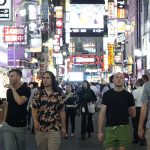
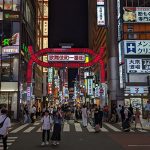
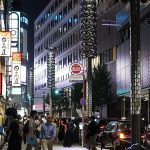
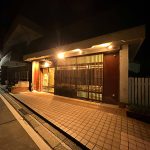
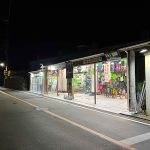
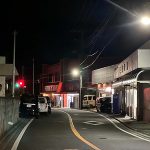
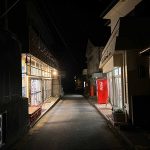
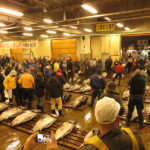
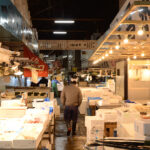
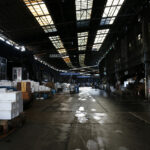
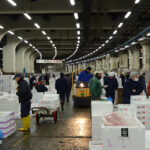
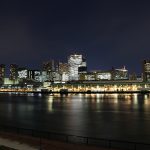
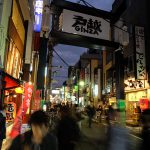
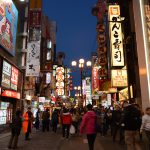
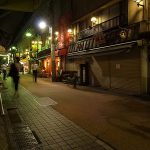
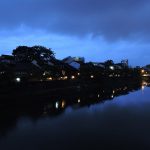
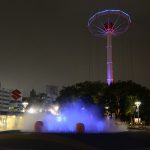
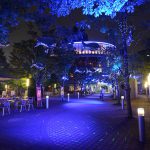
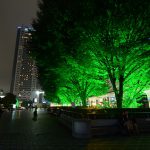
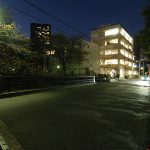
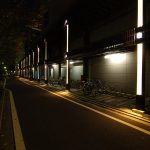
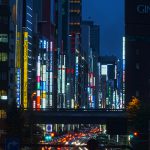
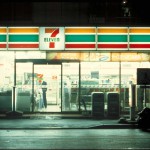
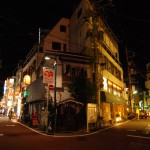
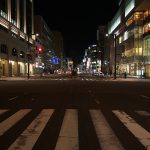
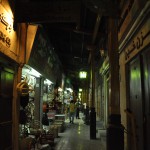
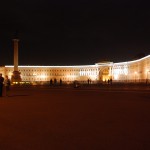
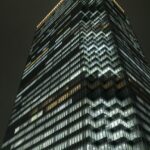
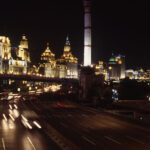
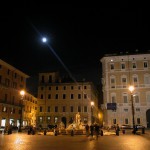
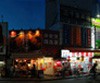
2024.05.16 – 05.19 Mari Kubota+ Noriko Higashi Busan, South Korea’s second-largest city, is one of the world’s major port cities. In recent years, it has also gained fame as a hub for tourism and film. We surveyed the lighting in Busan, which is also a member of LUCI (Lighting Urban Community International). South Korea is a close neighbor, just 1.5 hours from Tokyo by plane, making it a popular destination for quick and affordable trips. Busan, the second-largest city in South Korea, is not only a tourist destination but also a major port and an entertainment center, hosting film festivals. As a member of LUCI, Busan has been focusing on urban lighting as part of its urban planning. In 2015, the city developed an extensive overview of its nightscapes, resulting in the Busan Urban Light Policy for 2030. This policy has been updated several times, reflecting the city’s ongoing efforts in implementation and improvement. The guidelines divide Busan into several zones, each with lighting tailored to its specific characteristics.We traveled to Busan to assess whether the city’s lighting contributes to safety, beauty, attractiveness, and the local economy at night. ■Jagalchi Market Jagalchi Market is South Korea’s largest seafood market, selling both fresh and dried fish. After purchasing seafood on the first floor, visitors can have it cooked and served on the second floor. The market attracts many tourists. White lights are used to illuminate the seafood, making it look as…
2023.01.20-01.22 Yuichi Anzai+ Chuanyi Liu ■Kozushima Village Kozushima is located about 180 kilometers south of central Tokyo with a population of about 1,800. The terrain is complex, with almost no flat land. The village is located in the center of the island at the foot of Mt. Tenjo. The impetus for the starry sky protection activities on Kozushima came from a comment made during a student internship program by the Tourism Foundation in 2016, that the night sky was as beautiful as a planetarium. The starry sky, a common sight on the island, has become a tourism resource. An island-wide effort to protect the sky began. Specific efforts include replacing streetlights and security lights with fixtures with 0% upward luminous flux and 2,700K color temperature, holding explanatory meetings for residents and regular workshops with experts to gain their understanding and cooperation in light pollution and starry sky protection activities, training islanders as guides, and holding star gazing events to protect the night sky from light pollution and communicate the appeal of the starry sky both on and off the island. The island is also working to protect the night sky from light pollution and convey the charm of the starry sky to the public. The “Light Pollution Prevention Ordinance to Protect the Beautiful Starry Sky of Kozushima Village,” which specifies the responsibilities of residents and businesses to prevent light pollution, will be enacted in 2019, and rules are being developed to…
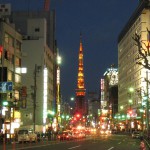
Roppongi has many faces including, an entertainment district with a foreign twist, new offices for daily business, and is developing as a center for the Tokyo art scene. The Lighting Detectives sped around on their bikes in April to discover what kind of light exists in this multi-functional area. The presence of the entertainment district is strongly felt at Roppongi intersection. Most people recognize this intersection as the center of Roppongi, but in recent years new development has created two new areas of focus, leaving the center of Roppongi very ambiguous. Points of reference include Mori Tower, Midtown Tower, Tokyo Tower and the metropolitan expressway, that cuts through, dividing this area of Tokyo. Large-scale luminous signage and a collage of other miscellaneous lighting dominate the view. Looking toward Roppongi from Aoyama Cemetery. The 3 towers that stand pronounced over Roppongi are a product of power and force, but appear alien in this setting. The towers look close and, yet, far off, as this scene can play tricks on your eyes.
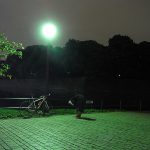
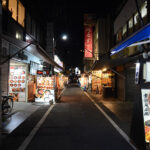
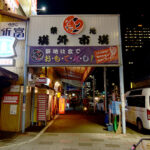
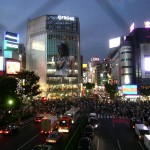
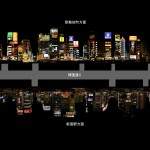
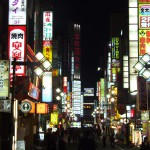
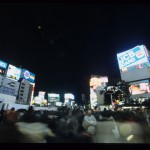
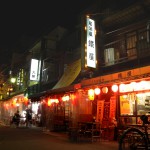
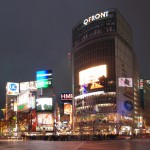
2022.07.11 Hikaru Kimura + Yonglin Ke + Xueying Piao Shibuya, known as a youth hub, began redevelopment in 2012, transforming into a business district with a cluster of new office buildings and commercial facilities. While many new restaurants have emerged, traditional drinking alleys remain intact. This survey investigates the contrasting night scenes of the new and old Shibuya. ■Overlooking Nightscape of ShibuyaFrom the Shibuya Scramble Square, the rooftop of Miyashita Park stands out prominently to the east of the central railway tracks. The warm glow along the podium belongs to Shibuya Yokocho (alley). Nestled beside the pitch-black railway tracks and appearing as a dotted red line is Nonbei Yokocho. Viewed from above, Nonbei Yokocho exuded a soft, flickering light, resembling candles, in contrast to the lively and vibrant atmosphere of Shibuya Yokocho.The overall nightscape, divided by the Yamanote Line tracks, presents a striking contrast: the western side is dominated by tall buildings, densely packed with billboards and advertisements, exuding the lively energy of a traditional entertainment district. The eastern side, on the other hand, has fewer billboards and subdued signage, giving it a unified and calm appearance.I wonder if Shibuya will eventually become a more standardized urban landscape, much like its eastern side. Personally, I felt the bustling, nostalgic charm of the western side embodies the true spirit of Shibuya, and it’s something worth preserving. (Yonglin Ke) ■Shibuya YokochoRAYARD MIYASHITA PARK, a new landmark in Shibuya, features Shibuya Yokocho, a 100-meter-long…
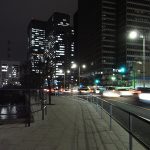
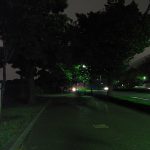
2025.09.04-09.08 Yonglin Ke + Masashi Kurobe The nights in Honolulu are a diverse blend of resort illumination, residential lights, torches, and night market glows. However, as the city develops, the starry sky is fading, raising concerns about the impact on the local ecosystem. Balancing urban growth with light pollution countermeasures remains a significant challenge. We conducted an on-site night walk survey to explore the balance between the city and nature and to evaluate the current lighting environment. ■Honolulu Honolulu, the capital of the U.S. state of Hawaii, is a prominent tourist destination in the heart of the Pacific Ocean. Simultaneously, it serves as the political and economic hub of the state. In this land where the sea, mountains, and urban areas sit in close proximity, the nightscape reveals a variety of expressions depending on the time and location—blending the glow of resort hotels, the soft lights of residences, traditional fire torches, and the vibrant lights of night markets. Furthermore, the combination of intense sunlight and a tropical climate creates a unique character within the city’s lighting environment. On the other hand, urban development and the growth of the tourism industry have negatively impacted the visibility of the starry sky and affected local ecosystems, such as migratory birds and sea turtles. While the state and city have begun implementing measures to reduce light pollution, finding a balance with the tourism industry remains a challenge. During this night walk survey, we investigated…