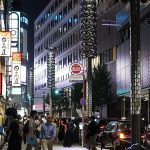
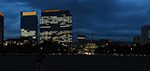
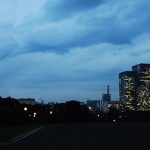
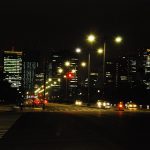
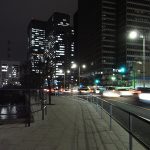
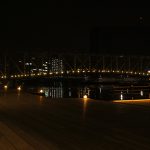
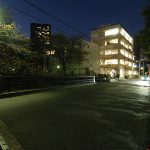
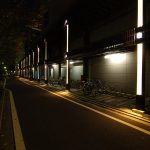
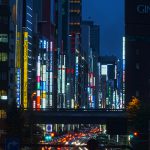
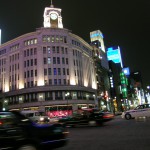
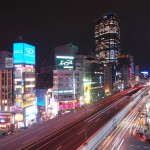
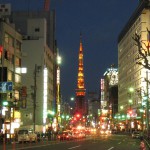
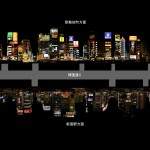
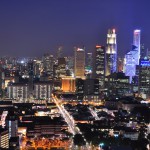
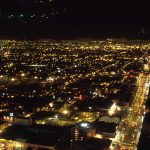
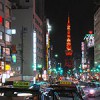
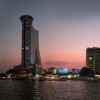
Taking a drive along the Tokyo Metropolitan Expressway is a great experience in the sequence of Tokyo light. In one drive you can catch glimpses of Tokyo Tower in between buildings, awe at the endless Ginza neon signage, and hide in the dark shadows surrounding the emperor’s palace and Tokyo Bay. Close up lights zoom by, but in the distance light is scattered everywhere, creating a complex sequence of overlapping elements. Such a variety of light exists in Tokyo! Rainbow Bridge and Tokyo Tower, Dual Features of the Tokyo Night (Ariake JCT~Shibaura JCT) At night the Rainbow bridge is a bridge of light connecting the Bayshore Route and Tokyo mainland. As we drove across the bridge, the Tokyo Tower that seemed to twinkling in the far distance became a dominating presence. However, all of the distance lights of Tokyo were swallowed by the cluster of buildings waiting for us on the Shibaura side of the bridge. The Lights of the Tokyo Nightscape (Ohi JCT ~ Shibaura JCT) Working from Haneda towards the center of Tokyo, among the rough and tumble lighting for warehouses and factories, is warm light spilling from offices and condominiums. The expressway takes a dive under the Tokyo Monorail for a real peak at Tokyo-style building light and luminous signage. The Expressway in the Ginza Sky (Tokyo Expressway) The Tokyo Expressway is elevated in midair as it cuts through Ginza. Officially, it is not part of the…
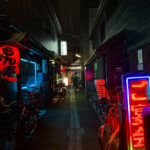
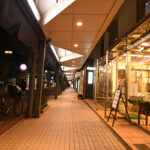
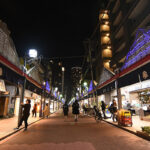
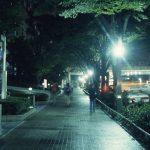
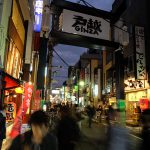
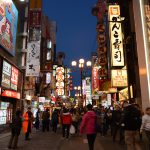
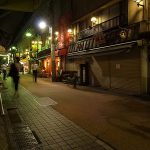
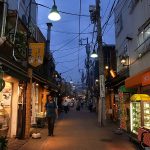
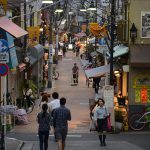
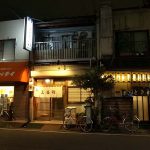
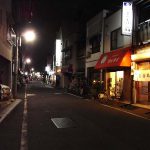
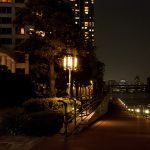
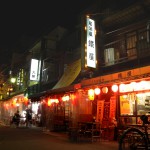
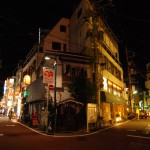
Shiodome Sio-Site was a joint public and private sector redevelopment project completed in 2006. In nearby Shinbashi, eateries and bars built under and into the brick structure of the elevated railway tracks during the Meiji era have become a famous cityscape of this area. We set out to discover what kind of lighting environment exists in this conflicting neighborhood of Tokyo. Red lanterns, single light bulbs hanging under the eaves, colorful luminous signage…All the lighting is warm and inviting. The lighting environment along the streets of Shinbashi is wide and varied, but somehow closes the distance between strangers. Lighting for an elevated pedestrian deck connecting high-rise buildings in the area. The warm colored lighting creates a comfortable atmosphere for a nighttime stroll. The Shiodome high-rise buildings are not showy, and along with the interior office lighting, only a few have facade lighting on the building crowns.
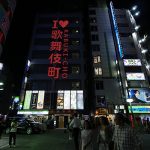
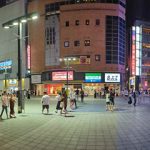
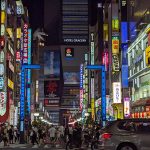
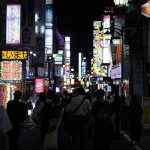
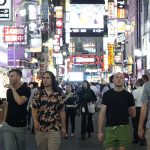
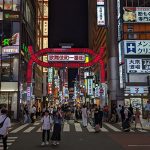
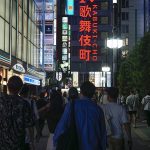
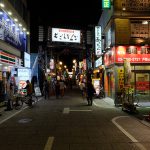
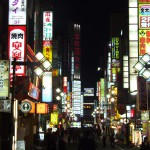
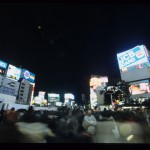
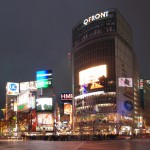
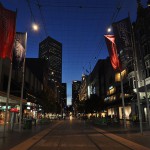
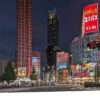
Under a rush of redevelopment, this is a huge period of transition for the area surrounding Shinjuku. On this survey, we were met by soft light filtering out of tall skyscraper windows, brilliant signage on facades and rooftops, and crowds of people along the streets and alleyways. Shinjuku Station South Entrance is in the middle of a redevelopment project scheduled to be complete in 5 years. A multitude of fluorescent lights line the pedestrian walkways with such an intense brightness that the surrounding scene is almost invisible. Six o`clock in the morning and waiting for the sun to come up on Yasukuni Street. Calm is finally starting to settle over Kabukicho, but still brightly lit signage are but glaring reminders of the nightlife. Brilliant advertising and signage along Yasukuni Street acts as an entrance gate to Kabukicyou. The bight lights entice many, who are aimlessly swallowed up by Kabukicho.
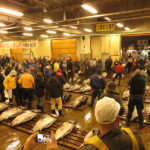
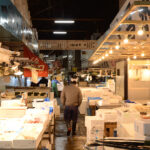
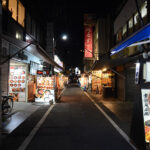
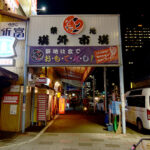
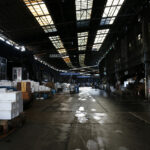
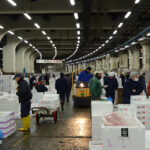
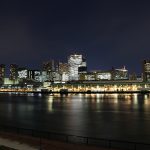
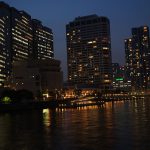
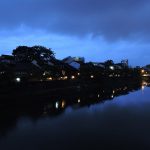
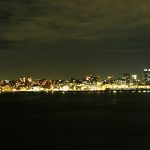
City Survey: Tsukiji, Tokyo 2017/12/14,2018/01/12 Nemoto Isao + Masafumi Yamamoto Night view from the opposite shore of Tsukiji, across the Sumida River. Tsukiji Market on the middle, Tokyo Tower and Tsukiji Bridge on the left, and Kachidoki Bridge on the right. In this Tsukiji survey, we visited the inner market, where mainly wholesale is taking place, the outer market, where visitors can shop and eat, and also the Tsukiji Honganji temple and the Kachidoki Bridge which are popular spots for tourists. ■Luminous Environment around Tukiji Fish Market From the Kachidoki area on the opposite side of the Tsukiji fish market, you can overlook the entire view of the market, buildings such as Kachidoki Bridge and Tokyo Tower across the Sumida River. While we notice white light that comes from the market and surrounded buildings, the warm-colored light of incandescent lamps emitted from the fish handling facility facing the Sumida River on the opposite shore. This view is quite impressive, and creates an emotional and beautiful view during the night.This warm light from the market brings the sense of the history of Tsukiji rooted in this area for a long time. In contrast, the white light emitted from the group of high-rise buildings in the background seems to symbolize the momentum of the rapidly evolving city. Outside the market, there are more than 400 shops, and many shops still remain open after evening.Various light sources and lighting fixtures are used in each…
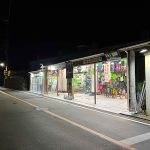
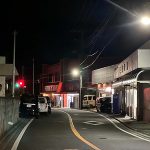
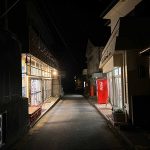
2023.01.20-01.22 Yuichi Anzai+ Chuanyi Liu ■Kozushima Village Kozushima is located about 180 kilometers south of central Tokyo with a population of about 1,800. The terrain is complex, with almost no flat land. The village is located in the center of the island at the foot of Mt. Tenjo. The impetus for the starry sky protection activities on Kozushima came from a comment made during a student internship program by the Tourism Foundation in 2016, that the night sky was as beautiful as a planetarium. The starry sky, a common sight on the island, has become a tourism resource. An island-wide effort to protect the sky began. Specific efforts include replacing streetlights and security lights with fixtures with 0% upward luminous flux and 2,700K color temperature, holding explanatory meetings for residents and regular workshops with experts to gain their understanding and cooperation in light pollution and starry sky protection activities, training islanders as guides, and holding star gazing events to protect the night sky from light pollution and communicate the appeal of the starry sky both on and off the island. The island is also working to protect the night sky from light pollution and convey the charm of the starry sky to the public. The “Light Pollution Prevention Ordinance to Protect the Beautiful Starry Sky of Kozushima Village,” which specifies the responsibilities of residents and businesses to prevent light pollution, will be enacted in 2019, and rules are being developed to…