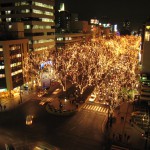
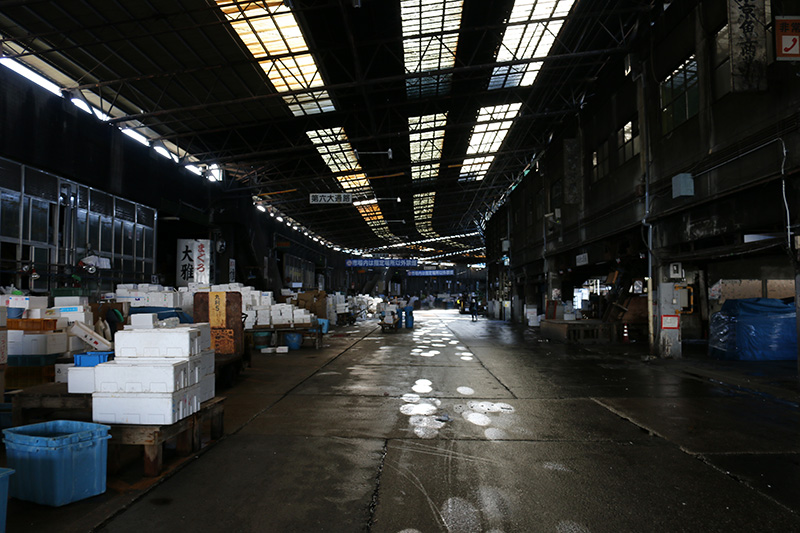
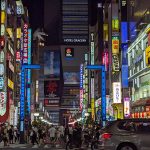
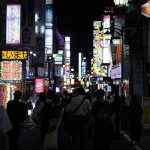
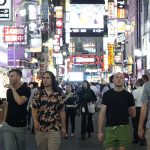
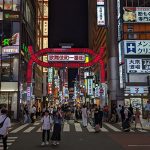
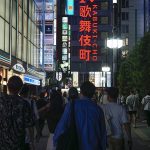
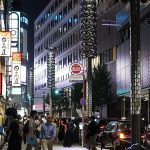
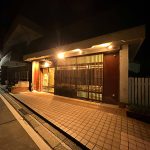
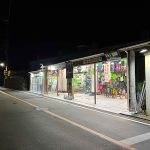
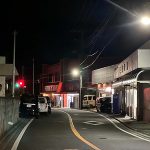
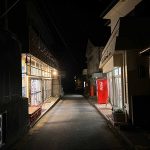
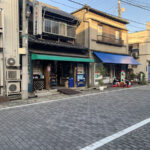
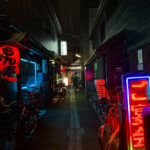
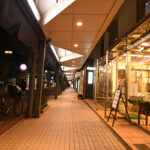
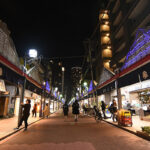
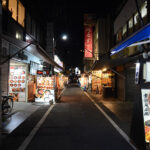
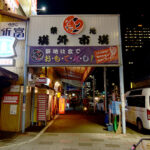
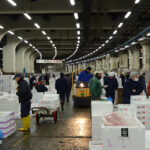
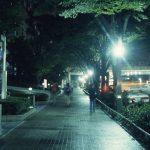
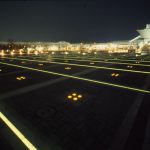
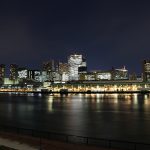
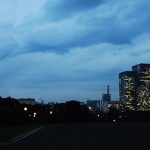
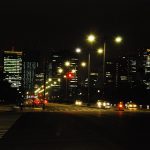
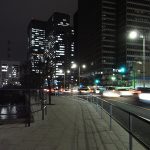
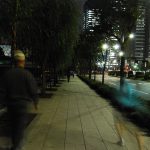
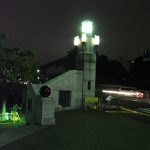
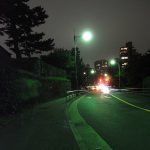
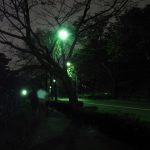
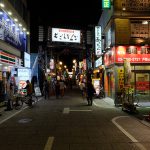
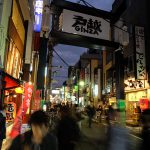
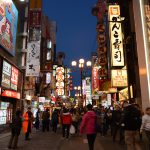
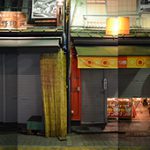
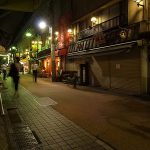
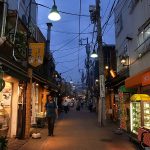
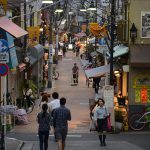
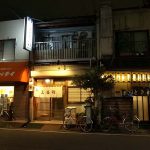
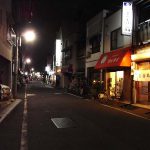
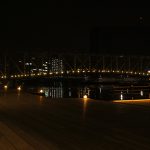
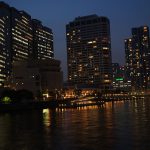
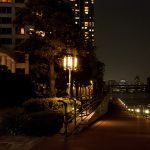
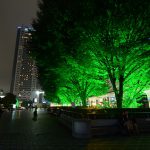
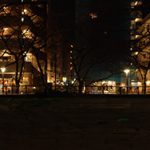
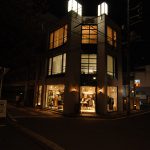
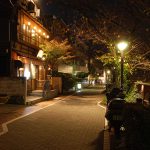
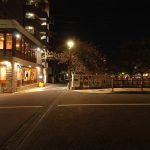
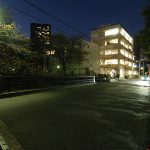
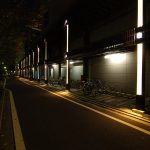
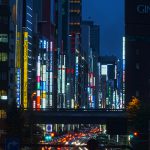
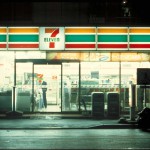
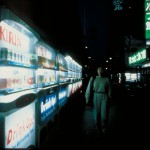
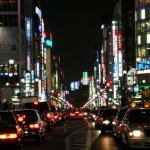
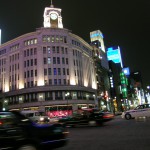
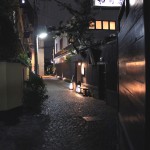
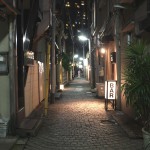
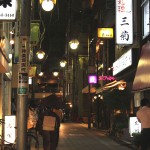
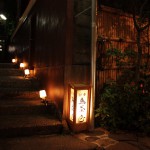
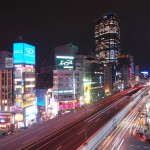
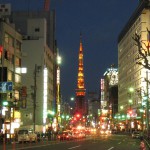
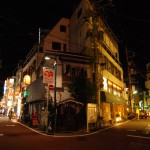
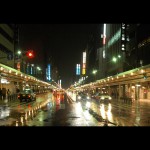
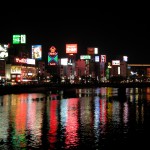
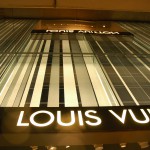
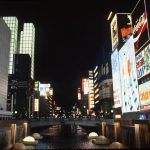
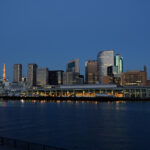
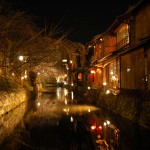
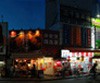
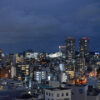
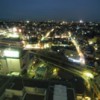
Shiodome Sio-Site was a joint public and private sector redevelopment project completed in 2006. In nearby Shinbashi, eateries and bars built under and into the brick structure of the elevated railway tracks during the Meiji era have become a famous cityscape of this area. We set out to discover what kind of lighting environment exists in this conflicting neighborhood of Tokyo. Red lanterns, single light bulbs hanging under the eaves, colorful luminous signage…All the lighting is warm and inviting. The lighting environment along the streets of Shinbashi is wide and varied, but somehow closes the distance between strangers. Lighting for an elevated pedestrian deck connecting high-rise buildings in the area. The warm colored lighting creates a comfortable atmosphere for a nighttime stroll. The Shiodome high-rise buildings are not showy, and along with the interior office lighting, only a few have facade lighting on the building crowns.
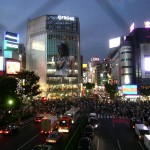
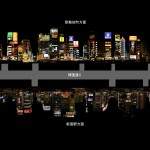
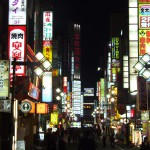
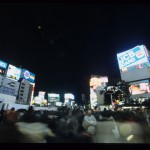
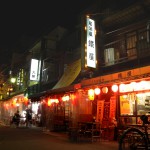
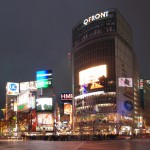
2022.07.11 Hikaru Kimura + Yonglin Ke + Xueying Piao Shibuya, known as a youth hub, began redevelopment in 2012, transforming into a business district with a cluster of new office buildings and commercial facilities. While many new restaurants have emerged, traditional drinking alleys remain intact. This survey investigates the contrasting night scenes of the new and old Shibuya. ■Overlooking Nightscape of ShibuyaFrom the Shibuya Scramble Square, the rooftop of Miyashita Park stands out prominently to the east of the central railway tracks. The warm glow along the podium belongs to Shibuya Yokocho (alley). Nestled beside the pitch-black railway tracks and appearing as a dotted red line is Nonbei Yokocho. Viewed from above, Nonbei Yokocho exuded a soft, flickering light, resembling candles, in contrast to the lively and vibrant atmosphere of Shibuya Yokocho.The overall nightscape, divided by the Yamanote Line tracks, presents a striking contrast: the western side is dominated by tall buildings, densely packed with billboards and advertisements, exuding the lively energy of a traditional entertainment district. The eastern side, on the other hand, has fewer billboards and subdued signage, giving it a unified and calm appearance.I wonder if Shibuya will eventually become a more standardized urban landscape, much like its eastern side. Personally, I felt the bustling, nostalgic charm of the western side embodies the true spirit of Shibuya, and it’s something worth preserving. (Yonglin Ke) ■Shibuya YokochoRAYARD MIYASHITA PARK, a new landmark in Shibuya, features Shibuya Yokocho, a 100-meter-long…
2018/09/30-10/08 Shosaku Takahashi + Masafumi Yamamoto Morocco is located on the African continent but retains a strong influence from European countries such as neighboring Spain and France. It can be said that the cities have been formed under the influence of various cultures. This survey started in the major city of Marrakech, crossed the Atlas Mountains to visit the vast Sahara Desert inland, and then continued for ten hours and another 600 kilometers across the continent to reach the blue city of Chefchaouen. We experienced the climate, culture, and lifestyle of this country, which shines on the shores of the Mediterranean Sea while benefiting from the sun, and investigated the relationship between lighting and people’s lives. Djemaa el-Fna Square Many of the Old Town’s paths are covered with sunscreens The souk is bustling with people at night People watching street performers ■Arrival in MarrakechAfter driving four hours from Casablanca Airport, we saw the reddish-clay streetscape of the major city of Marrakech pop up in the middle of the wilderness. The moment we got out of the car in the old town, swarms of flies started hitting our bodies. The smell of rotting fruit and raw fish stung our noses. Crowds of people moved through the narrow alleyways, as motorcycles sped past, honking their horns. The air was thick with dust and exhaust fumes. Flies immediately swarmed the tuna sandwich we bought from a nearby stand for a late lunch. ■Old…
Rich in local history and cultural facilities, Ueno Park covers a large area in the middle of Tokyo. Even though located in an urban setting, we anticipated a lighting environment completely different than the lights of downtown. Between the trees and darkness of the park there are patches of Tokyo`s bright night sky, but the hushed silence is isolated from the city`s hustle and bustle. Ueno Park`s quiet presence gently sleeps next to Tokyo`s vibrant downtown. Approaching Ueno Park from the JR train station. The large overhang of the Tokyo Bunka Kaikan is brightly illuminated in contrast to the surrounding darkness of the park. A view o f northern Tokyo over the Shinobazu Pond from an elevated Ueno terrace. The bright lights of a vibrant downtown are seen in the distance beyond the dark trees of the park. However, through the darkness a bright, orange, sodium lamp illuminates the Benten Shrine near the pond. Looking towards the water fountain plaza from the Tokyo National Museum. A slightly bright night sky, characteristic of most metropolitan areas, opens over head with a dark belt of trees and tiny dots of light below. Young couples seeking a quiet spot away from the lights, snuggle up together on near benches.
2023.01.26-01.29 Masafumi Yamamoto + Yuki Ito Okinawa is a place where diverse cultures and histories are intertwined. In Okinawa, each region has its own unique streetscape, and this is due to the fact that each region has a completely different historical background. The following is a simplified explanation of the historical background of each area. The Naha area was severely damaged in the war and was rebuilt; the Koza area was influenced by the U.S. military base and retains a strong American culture; and the Bise and Imadomari areas retain the traditional streets of the Ryukyu Islands. By comparing the light environment of each area, this survey sought to determine what kind of lifestyle culture and light features each area has, and what kind of light is unique to Okinawa. ■Sakae-machi MarketSakae-machi Market, located in Naha City, is a shopping street that was established during the postwar reconstruction period and has remained almost unchanged since then. Today, the market is a lively place where locals gather during the daytime, but at night it transforms into a more local haunt, drinking district that is quite different from the impression it gives during the daytime. The only light at night is from the taverns and the faint fluorescent lights in the upper part of the shopping street. (Floor illumination: approx. 20 lx) The illuminance alone gives the impression of dimness, but the actual atmosphere was not as dark as the impression given by…