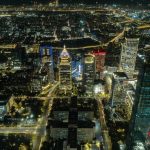
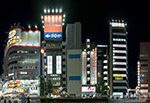
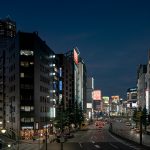
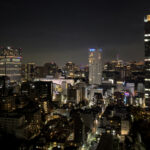
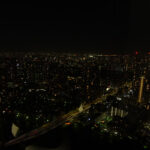
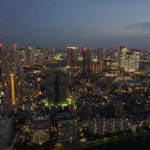
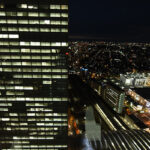
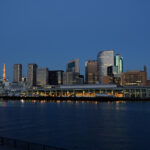
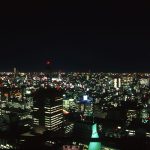
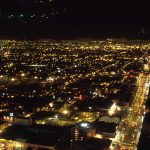
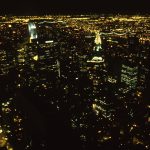
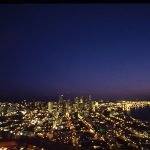
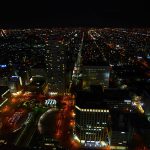
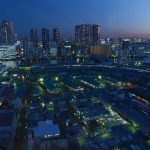
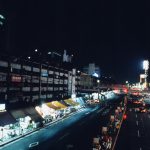
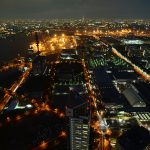
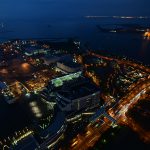
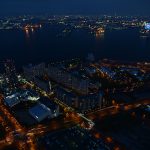
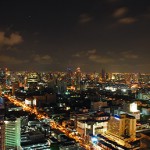
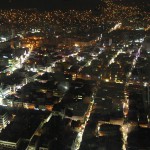
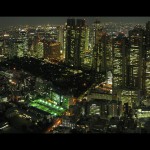
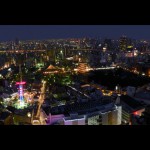
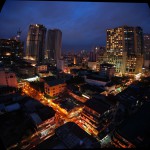
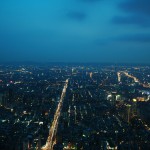
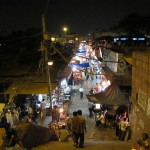
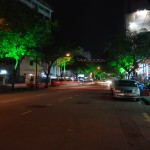
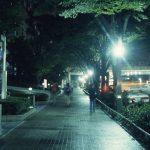
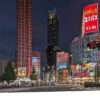
2023.07.19 Shunichi Ikeda + Masashi Kurobe + Yuta Shibata Shinjuku Kabukicho, Japan’s largest entertainment district, is a dazzling neon-lit labyrinth filled with restaurants, movie theaters, and amusement facilities. Its streets are teeming with people all night long. In recent years, however, the district has faced challenges, such as the growing presence of “Toyoko Kids” congregating in Cine City Square and engaging in criminal activities. Despite these issues, the opening of the new iconic Tokyu Kabukicho Tower has brought renewed attention to the area. As lighting detectives, we delve into the current state of Kabuki-cho, examining its lighting environment and cultural significance. ■Kabuki-cho Reborn: A Post-COVID Entertainment DistrictSeventeen years after our lighting survey in Shinjuku in 2006, Kabuki-cho has evolved from large-scale development into a global tourist hotspot. Though deserted during the 2020 state of emergency, the area is now vibrant again with the opening of Tokyu Kabuki-cho Tower. This survey revisits Kabuki-cho, comparing it with the previous survey and analyzing its changing lighting environment. ■Tokyu Kabuki-cho Tower: An All-Out Entertainment ComplexThe Tokyu Kabuki-cho Tower, a 48-story, approximately 225-meter-tall, super high-rise entertainment complex comprising a hotel, movie theater, theater, and more, opened in April 2023.Upon entering the building, I was overwhelmed by the countless glittering lights that filled the space. The small shops and narrow corridors were adorned with an excessive number of paper lanterns, creating an atmosphere reminiscent of an Asian festival. Outside, the building’s digital signage, facade indirect lighting, reflected…
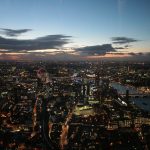
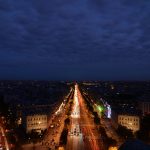
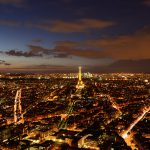
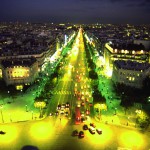
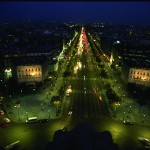
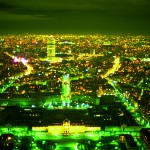
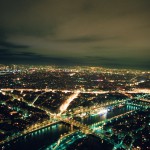
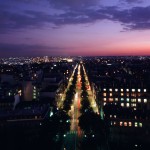
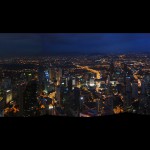
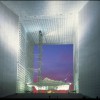
The Paris nightscape has become a model for nightscapes around the world. Appreciation for the streets of Paris has helped to preserve and restore them to places of beauty during the day and at night. At night, the streets emerge as distinct axes of light and one wonders how far urban light planning will progress. Illuminated in white light, the La Grande Arche, gives the impression of a modern-day city. Set against a dark background, the lofty figure of the Eiffel Tower glows impressively. Looking towards Montparnasse from the top of the Eiffel Tower. The bright building in the center is Montparnasse Tower.
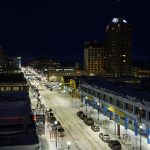
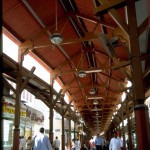
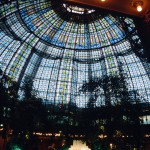
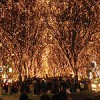
After WW II, Sendai was rebuilt into a modern city with streets perfectly aligned in a gridiron pattern, but mixed with covered arcades. We surveyed the covered arcades and their daily activity along with the annual lighting event Sendai Hikari Pageant. Whole boulevards are just covered in little lights. The overwhelming brilliance is impressive and takes your breath away. When standing in the middle of the road between the rows of illuminated trees, there is no end in sight. The lighting “tunnel” is endless and for a little while we forgot to blink or even breathe. One characteristic of Sendai, the covered arcade, is shown in the middle of the picture to the right. The milky-glass dome running down the center of the arcade reveals the nonuniformity of lamp color temperature and intensity of light. We found excessive amounts of light fixtures in a number of places around the city, a characteristic of the lighting environment that create the nightscape for this city.
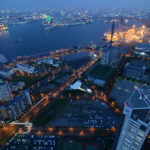
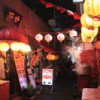
The largest Chinatown in Japan has become an established feature of the Yokohama downtown area, but still an area with its own culture and identity. We surveyed Yokohama to discover the Chinese style of lighting environment alive within Japan. At night, there are many hanging lanterns with soft glowing light. This “Light with a Shape” or, through colorful shades, “Light with Color” is a staple of Chinatown and helps to create excitement and a sense of elation. Along the main street there is no specific street lighting, but shop lighting and luminous signage create a natural ambiance along the street. Most structures have columns painted red and use warm tone lighting, but the facade design and signage is all different. This unification of the streetscape through color temperature creates a balance and lasting impression of Chinatown.
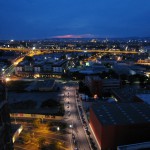
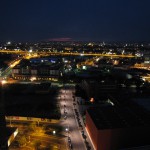
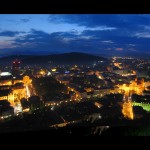
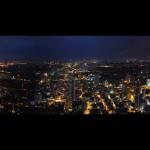
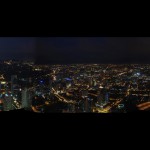
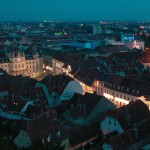
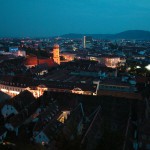
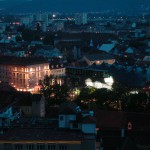
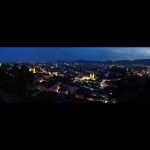
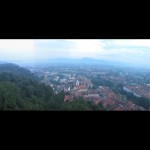
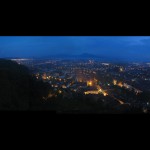
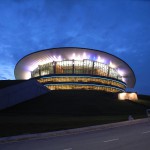
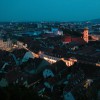
Graz is the second largest city in Austria. The Mor River runs through the center, with old cityscape and warm-colored street lighting giving the city a cozy feel. On the other hand, Kunst Haus and other newer architecture have added an element of the arts with a system of reflection streetlights also creating a new face for this city of culture. From the top of castle hill, with its large clock tower, Uhrturm, the City of Graz is in full view. Photo to the right, city hall offices in the city center. The building facades along Herrengasse Street are also up lit for a festive atmosphere as the sun goes down. The Kunst Haus, built along the Mor River and in the middle of the old cityscape, resembles a spaceship just blasting off. Fluorescent lights are mounted on the main facade and at night a program controls the fixtures, sometimes turning it blazing white. Reflection streetlights in the plaza before city hall. These streetlights are visible in many places throughout the city.