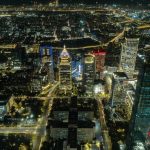
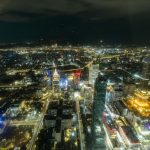
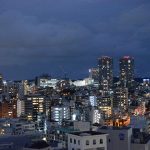
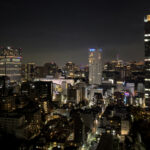
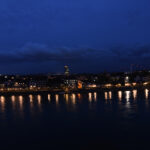
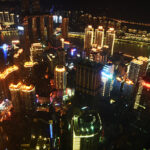
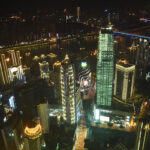
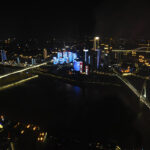
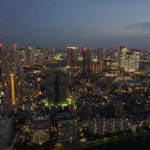
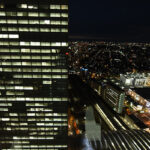
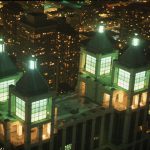
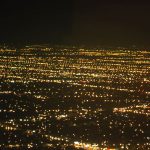
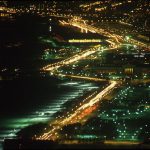
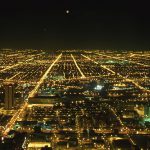
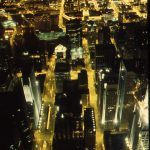
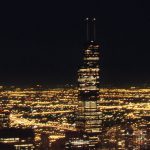
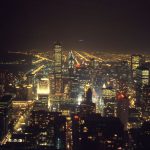
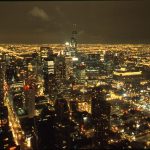
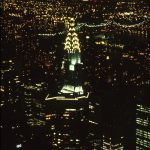
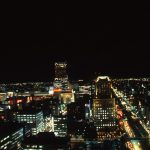
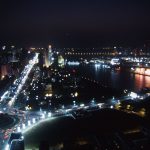
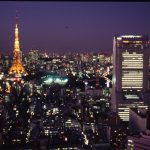
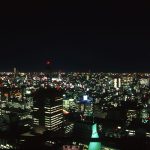
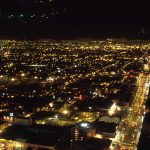
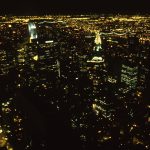
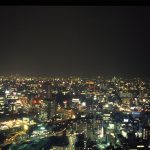
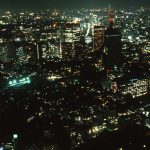
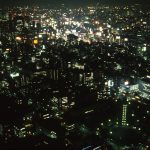
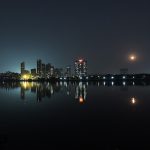
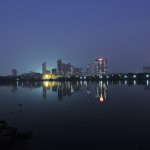
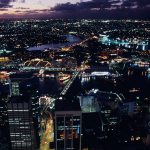
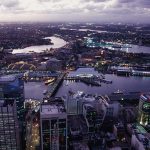
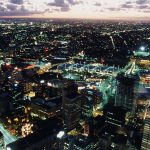
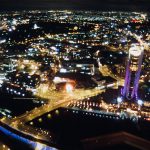
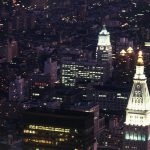
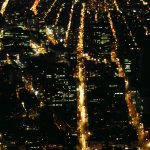
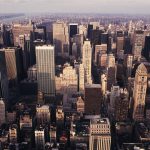
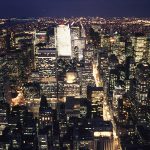
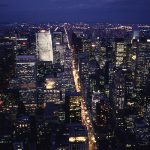
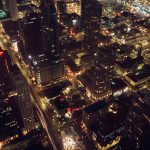
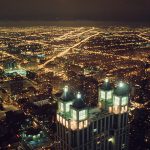
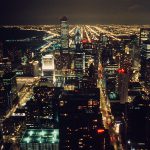
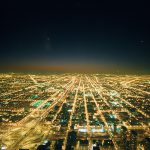
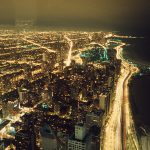
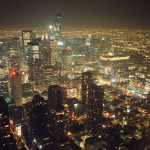
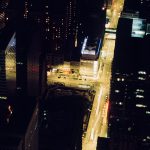
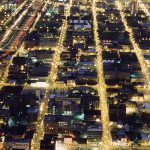
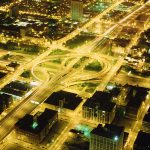
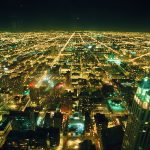
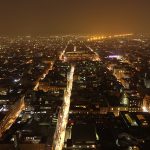
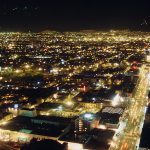
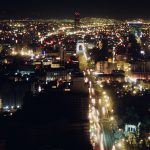
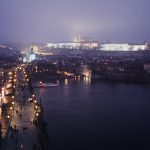
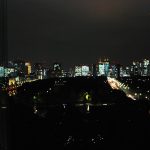
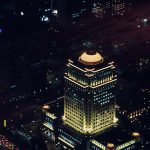
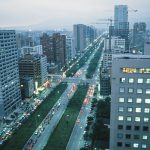
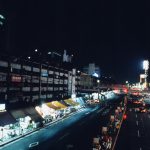
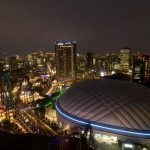
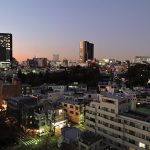
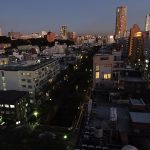
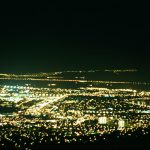
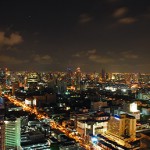
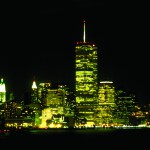
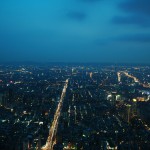
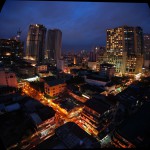
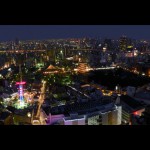
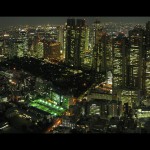
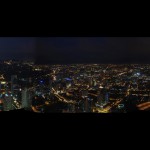
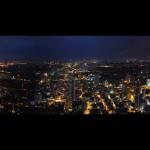
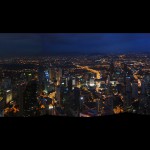
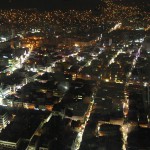
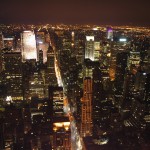
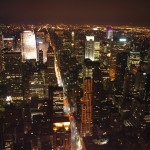
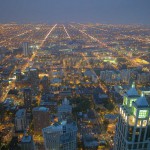
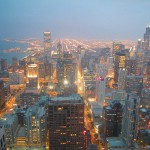
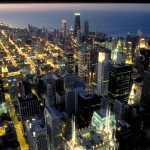
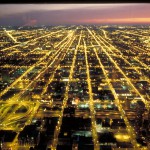
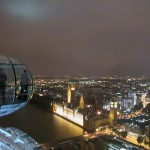
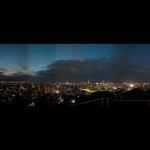
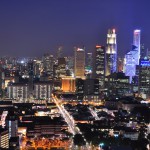
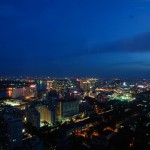
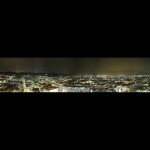
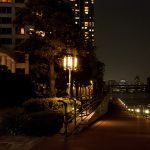
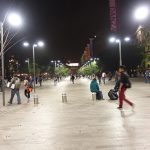
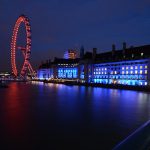
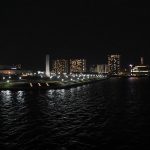
New York is a modern city to beat all modern cities. Streets are lined with skyscrapers and the lighting adds to the excitement of the city. On the other hand, in neighborhoods like Chelsea, the lighting is minimal, creating a quiet and comfortable residential area. However, city street lighting has not advanced to support LED fixtures, along with businesses and public facilities which still use older lighting methods. New York is a city sensitive to crazes and fads, but the city doesn`t seem to have any interest in lighting trends. Office lighting is usually a cooler, whitish tone, but office lighting in NYC seems to hover around 3000k, adding a touch of warmth to this concrete and steel jungle. Colored LED lighting is used periodically throughout the city, but full-on flood lighting seems to be on the way out, creating a very refined NYC nightscape. A view of Manhattan from across the river. No lighting displays really stand out and there is no real facade lighting, either. Interior light escaping from windows is the main element of this famous nightscape. At dusk most windows are bright with light and help to outline each building, but as the interior lighting fades, the nightscape changes for a very dynamic view of the city. Memories of 911 are still fresh in NYC. The victims` names and a cascade of water are dimly lit at the memorial, still blanketed in a solemn atmosphere. Depending…
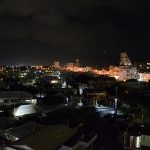
Barcelona is a city of monuments, whether driving or walking, these unforgett- able symbols of Barcelona are everywhere. At night, the lights of the city further jog one’s memory and create distinctive perspective projections. Streaks from xenon lamps radiate from the top of the Nacional Palace leaving a graphical pattern in the sky. A symbol of Barcelona, the unfinished Sagrada Familia. Shadows at night, further increase the impact of this cathedral. Approaching Place Espanyla from Nacional Palace .
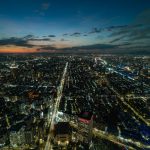
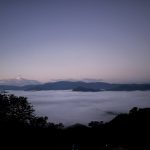
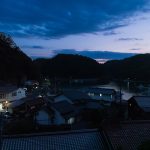
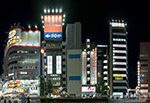
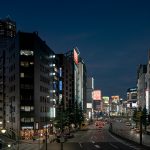
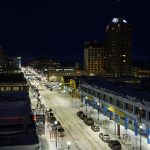
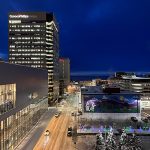
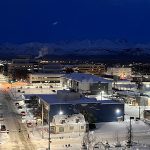
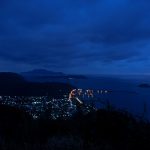
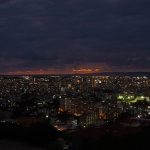
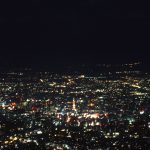
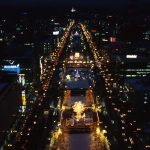
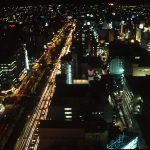
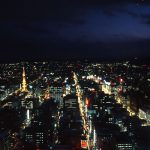
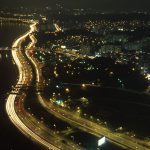
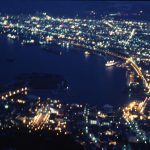
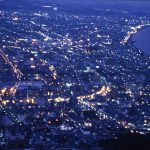
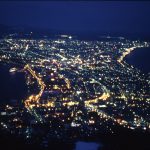
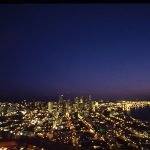
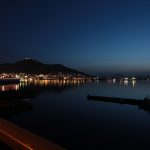
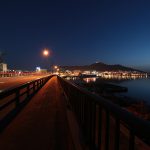
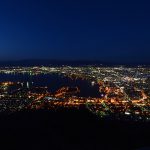
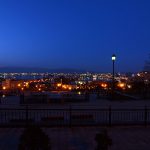
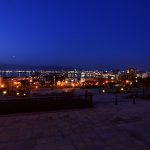
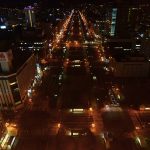
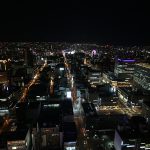
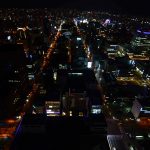
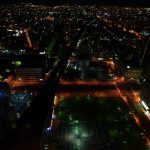
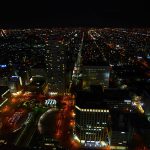
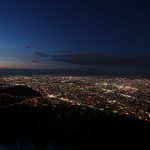
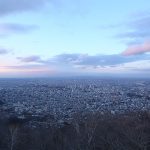
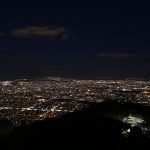
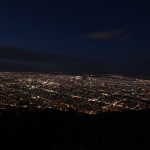
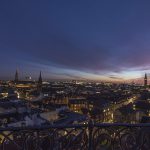
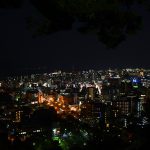
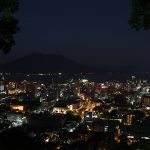
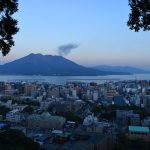
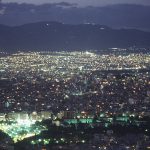
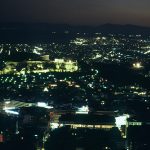
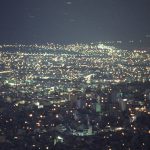
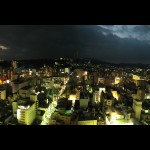
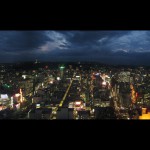
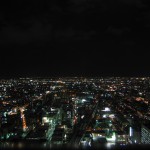
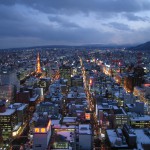
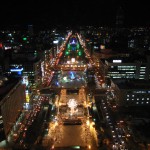
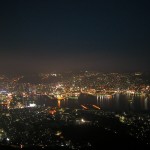
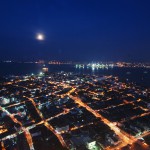
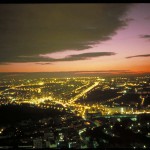
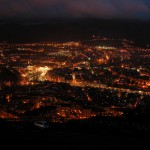
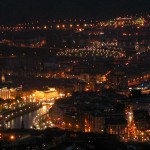
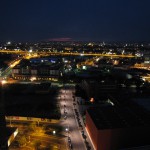
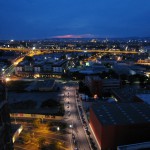
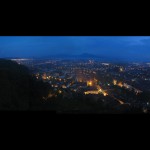
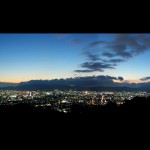
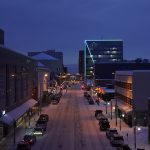
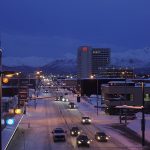
2018/04/16-19 Misuzu Nakamura + Sherri Goh It was interesting for me to juxtapose the two cities and their evident priorities with the implementation of lighting masterplan. In Hokkaido for the first time, I felt that the two cities were greatly different for their appeal to tourists. Even though Hakodate’s night view was greatly famed and did not disappoint, Sapporo seemed to be the more popular place to be at night and for its nightlife. City view of Sapporo City view of Hakodate Hakodate streets at night Sapporo streets at night Well illuminated pathway to Sapporo TV tower Dim pathways towards Hakodate Old Public Hall of Hakodate Ward despite many fixtures This survey of both cities suggests that there might be a compromise between the balance of two objectives; planning for a potential attraction and planning for functional use. As Sapporo is the larger and denser city, it makes sense to cater to comfort of the people that roam the streets after working hours. From the junction pictures, you can see that there is more lighting on the floor level in Sapporo in comparison to Hakodate. Despite the numerous dotted light fixtures, we felt that the pedestrian pathways and roads were generally darker in Hakodate.And for Hakodate, turning the nightscape into an economic tool could also be the better solution as most of the streets were empty after 1900h, with major attractions closing by then. It was also strange that Mt…
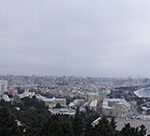
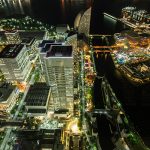
The design of the Lyon nightscape is a joint venture between the government and the citizens. Various lighting materials are used by trail and error throughout the city to create its lightscape. Standing on a street corner one gets the impression that paint materials were thrown onto a canvas, as the artist decided what kind of city and nightscape to paint. The striking blue florescent lights and sodium lamps illuminate the National Institute of Music along the River Saone. The view from La Colline de Fourviere across the City of Lyon is beautiful, with no glaring lights in sight. The Justice Suspension Bridge over the River Saone is just 4.2 meters wide.
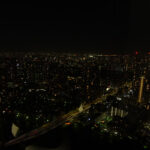
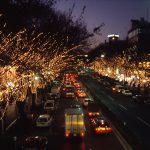
The streets of Moscow are mostly buried in shadows except for a few groups of lucent buildings, maybe an expression of authority. During the intense commercial time bawdy lights are lost, along with street activity, and stillness returns to the city. Now, towering lights dot the cold winter landscape. Looking towards Moskva University at dusk. The Bolshoi Theatre rebuilt in 1856. The upper lights set off the detail of this Greek-style Architecture. Christmas illumination at Tsum Department Store next to Bolshoi Theatre.