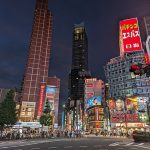
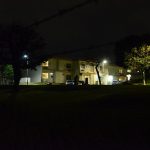
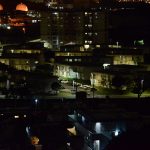
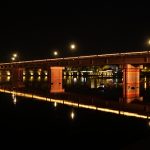
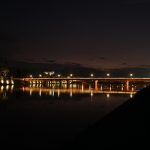
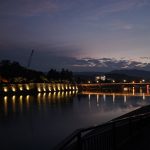
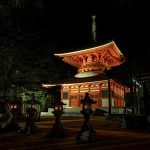
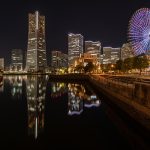
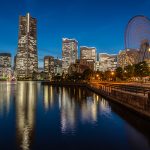
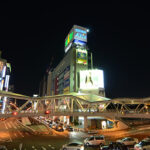
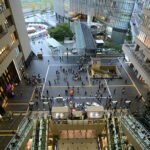
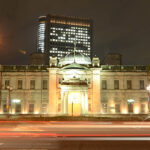
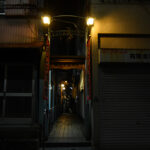
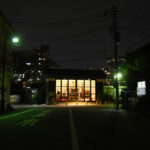
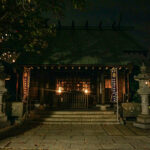
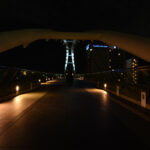
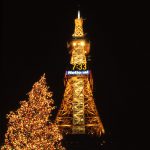
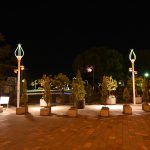
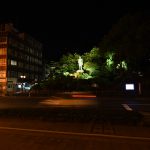
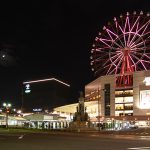
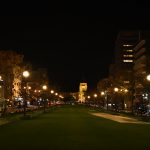
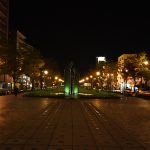
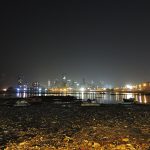
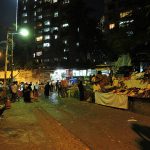
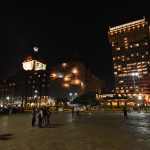
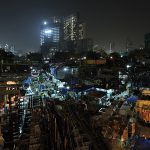
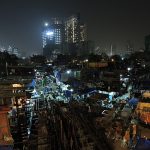
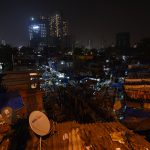
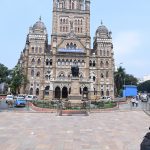
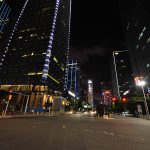
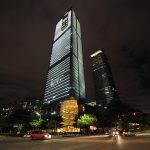
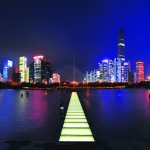
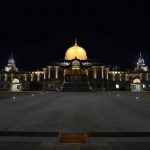
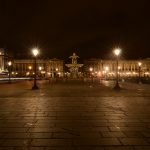
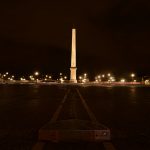
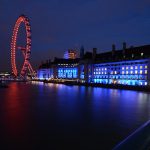
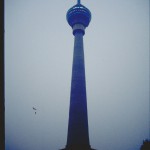
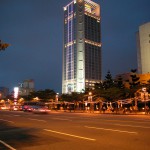
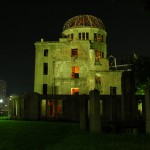
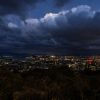
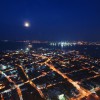
2018/04/16-19 Misuzu Nakamura + Sherri Goh It was interesting for me to juxtapose the two cities and their evident priorities with the implementation of lighting masterplan. In Hokkaido for the first time, I felt that the two cities were greatly different for their appeal to tourists. Even though Hakodate’s night view was greatly famed and did not disappoint, Sapporo seemed to be the more popular place to be at night and for its nightlife. City view of Sapporo City view of Hakodate Hakodate streets at night Sapporo streets at night Well illuminated pathway to Sapporo TV tower Dim pathways towards Hakodate Old Public Hall of Hakodate Ward despite many fixtures This survey of both cities suggests that there might be a compromise between the balance of two objectives; planning for a potential attraction and planning for functional use. As Sapporo is the larger and denser city, it makes sense to cater to comfort of the people that roam the streets after working hours. From the junction pictures, you can see that there is more lighting on the floor level in Sapporo in comparison to Hakodate. Despite the numerous dotted light fixtures, we felt that the pedestrian pathways and roads were generally darker in Hakodate.And for Hakodate, turning the nightscape into an economic tool could also be the better solution as most of the streets were empty after 1900h, with major attractions closing by then. It was also strange that Mt…
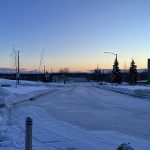
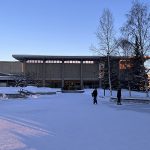
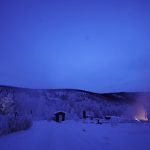
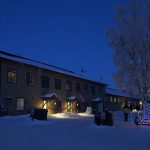
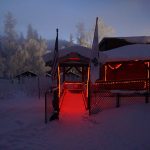
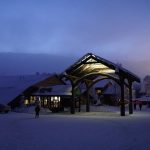
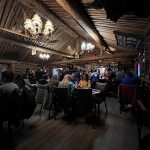
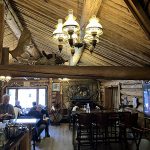
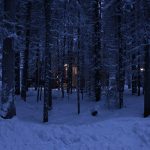
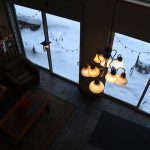
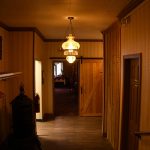
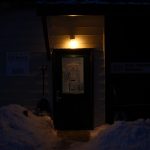
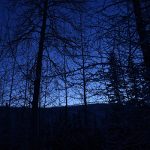
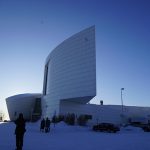
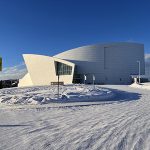
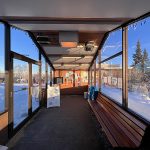
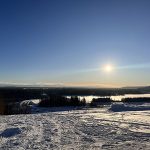
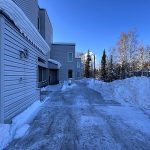
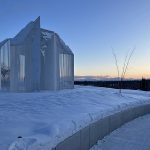
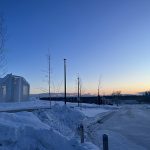
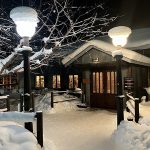
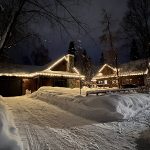
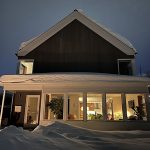
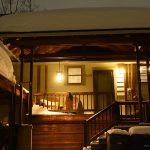
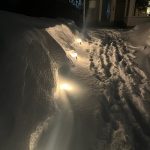
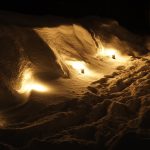
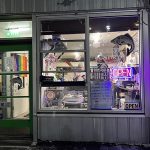
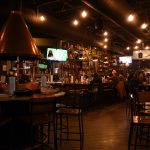
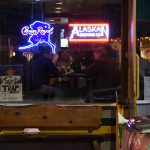
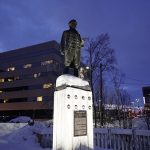
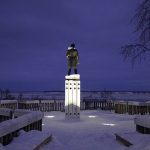
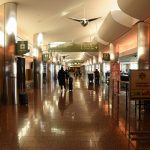
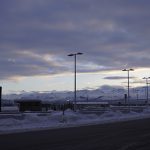
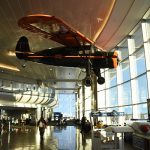
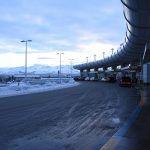
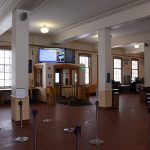
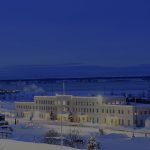
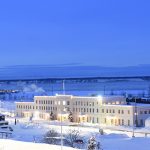
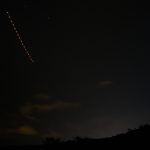
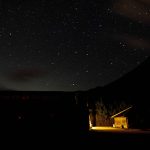
2024.02.06-02.12 Masafumi Yamamoto + Yuki Ito We visited Alaska at the beginning of February. The purpose was to investigate the light environment in the Arctic under the theme of ‘Mother Nature’, focusing on urban areas, living environments, Eskimo life, and the wilderness. In this study, we stayed in Anchorage, the largest city in Alaska, and Fairbanks, a citysurrounded by nature. In Fairbanks, we stayed at a lodge in the mountains and observed the northern lights. ■Arctic City After noon in Fairbanks, a city as close to the Arctic Circle as you can reach. The weather is clear. The sun has risen close to the horizon and is about to set. Houses and trees cast long shadows on the ground. It is a beautiful scene, as if I had dipped the tip of my paintbrush in dark blue watercolor paint and carefully traced a stroke on a white canvas covered with snow. The temperature here is minus 20°C (68°F). Still, I can feel the warmth of the sun on my skin. The temperature can reach minus 40°C (-40°F) during the harshest season, while the four seasons are rich in variety. The temperature drops even further when the wind blows. This is the kind of Alaska I wanted to visit. The flora and fauna live in such a harsh natural environment. Human life right next to them. We would like to investigate the lighting culture while unraveling the reasons for this. ■Closing…
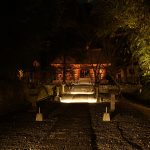
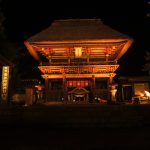
2022.11.10-12 Mari Kubota + Noriko Higashi In July 2020, Hitoyoshi City in Kumamoto Prefecture was devastated by catastrophic flooding caused by heavy rainfall. Since the disaster, the city has made steady efforts toward recovery— efforts in which lighting has played a significant role. To understand how lighting has contributed to the city’s revitalization, we conducted interviews with local stakeholders, including hot spring inn owners and city officials, and followed up with an on-site investigation of the actual lighting projects. From July 3 to 4, 2020, torrential rains caused the Kuma River to overflow, resulting in catastrophic flooding in Hitoyoshi City, Kumamoto Prefecture. Known for its scenic beauty, hot springs, and hospitality centered around local shochu, this tourism-driven city suffered devastating damage—not only from the flooding but also from the impact of the COVID-19 pandemic. In response to the disaster, a local inn owner launched the Hitoyoshi Hikari no Fukkō Project (Hitoyoshi Light Recovery Project), using light as a tool for recovery. In 2021, Hitoyoshi was selected as a model city for Japan’s Cabinet Office-led Super City (SC) initiative, proposing a future-oriented recovery plan. This plan placed lighting as a key component, aiming to promote both disaster resilience and tourism attraction through thoughtful illumination. This survey included interviews with stakeholders such as hot spring inn owners, city officials, and lighting designers involved in the project, examining how “light” became a central theme in the recovery process and evaluating the impact it has…
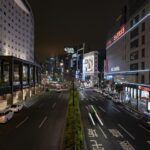
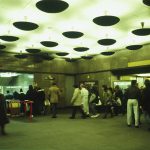
While the streetscape and lighting environment are very individualistic, an overall unity exists throughout Fukuoka. Throughout the city, a skilled balance between lighting for public and private areas is implemented. The lighting in the underground shopping center of Tenjin is composed of intense incandescent lamps, creating a unique atmosphere of warm light for shoppers. The neon lights of the Nakasu District reflect in the Naka River creating a dramatic perspective image of the streetscape. The street vendors are a place for people to relax and a trap for tourists, but they also create a unique nightscape in the city.
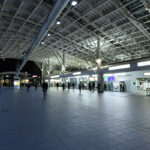
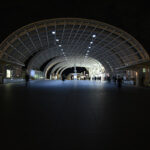
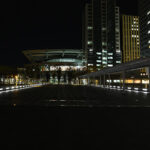
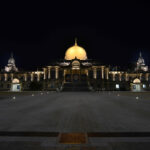
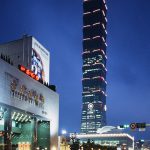
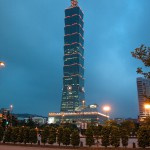
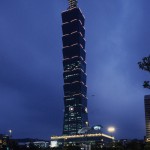
City Night Survey – Taipei & Taichung, Taiwan 2023.10.30 – 11.04 Genki Watanabe+Hikaru Kimura Office of the Governor-General Taiwan is geographically close to Japan and has deep historical ties. It is famous for its skyscrapers such as Taipei 101 and, more recently, for buildings designed by Japanese architects. Renovations of old buildings are also being actively undertaken. We investigated how the mixture of old and new influences the light and human activity in the cities of Taipei and Taichung. Taipei and Taichung The capital of Taiwan, “Taipei” is characterized by world-class skyscrapers such as Taipei 101 and streetscapes that retain historical architecture. In addition to new buildings, there are also many renovations of existing buildings, creating a city with a mixture of old and new architecture. Taichung has become the second largest city in Taiwan in terms of population in 2017 as a result of government-led urban development efforts in recent years to disperse the over concentration of the metropolis in Taipei.We investigated how Taichung, planned as a compact city, affects the city’s light and human activity, and how it differs from Taipei’s light. The nightscape of Old City (west side) from Taipei 101 Taipei’s Urban Area Taipei’s urban area can be roughly divided into two areas. The west side of the city is the Old City, where historical buildings still remain. Many important political centers are still located on the west side, and historical buildings are still used as administrative…