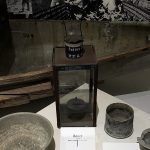
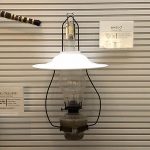
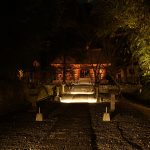
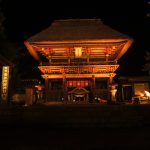
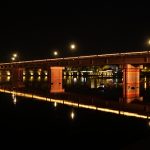
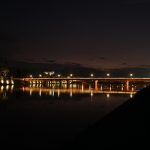
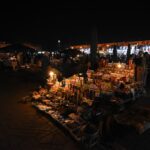
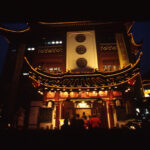
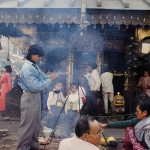
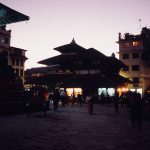
Hoi An was once a flourishing intermediate city of trade. Now, the city is trying to protect the traditional streetscape to appeal as a tourist destination. The nostalgic lantern festival, which was held every full moon, is being reintegrated, as they take on a “back to the basics” attitude towards modern city life. Compared to cities developing vigorously, but blindly economically, Hoi An growth is more diverse. Street vendors line alleyways with festive displays of lanterns. The fantastic atmosphere raises the mood and adds a functional amount of light to these dim side streets with out any street lighting. Built in the 16th century, the Japanese Covered Bridge is a focal point of the old streetscape. Many lanterns hang from the ceiling and spotlights mounted between the roof and bridge softly highlight its features. Inside, cafes are also filled the lanterns, great for creating a relaxing environment. At first glance candles or incandescent lamps seem fitting, but these lanterns are actually all fitted with fluorescent lamps.

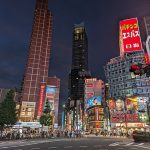
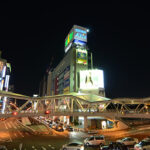
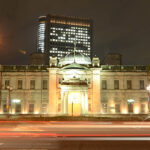
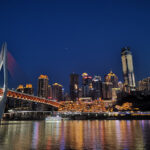
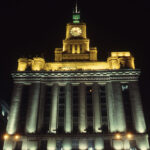
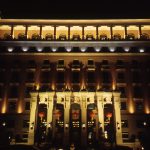
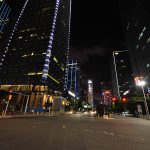
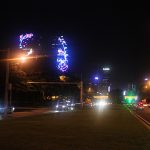
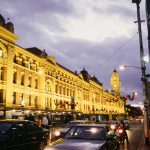
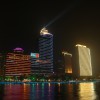
Tianjin is situated 150km east of Beijing and easily reached in a 30-minute high-speed train ride. Historically, foreign influence including the UK and Germany has shaped the western-style architecture and streetscape that this city is famed. Tianjin also poses the largest harbor in Northern China, a gateway for this economical and technical development zone. Upon exiting the main station, a panoramic view of the city awaits. The western architecture, remnants from the foreign settlements era, is illuminated in low-color temperature light and stands in contrast to the newly constructed skyscrapers. A historical western architectural structure is now used as a banking facility. At night, orange-colored fluorescent and high-pressure sodium lamps softly illuminate the facade. Downtown is also bustling with construction. During the day the area is swarming with shoppers and construction site workers. At night, mega size digital media, neon signage, and colorful lanterns are everywhere, with even more foreseeable in the future as the construction boom continues.
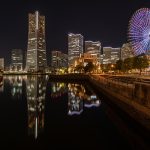
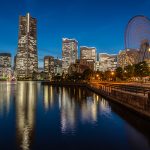
2022.06.28 Kouki Iwanaga+ Xiaoyi Dong+ Hikaru Kawata Yokohama Minato Mirai, which has seen rapid development in recent years with projects such as Japan’s first urban circulation ropeway “YOKOHAMA AIR CABIN” launched last spring, the cruise ship terminal “Yokohama Hammerhead,” and the prestigious Hawaiian luxury resort “The Kahala Hotel & Resort Yokohama.” The purpose was supposed to be to investigate whether the “nightscape of Minato Mirai,” which could be considered a tourism resource in itself, has been well preserved… but. ■Relationship Between Zoning and Street Lighting The Minato Mirai area, which was developed on reclaimed land around Yokohama Port, can be broadly divided into three zones: the “Central District,” the “Shinko District,” and the “Yokohama Station East Exit District.” Among these, our survey focused on the Central District—with its high-rise buildings such as Landmark Tower and Queen’s Square Towers—and the Shinko District, which features many commercial and cultural facilities such as the Red Brick Warehouse and Yokohama Hammerhead. When examining the street lighting in these two districts, it was found that the streets running parallel to the Rinko trunk road and the Metropolitan Expressway were lit with sodium-colored lamps, while the streets leading toward the port, such as Icho Street and Keyaki Street, were illuminated with streetlights at a color temperature of 4000–5000K. At first glance, this color temperature plan, which changes according to the direction of the streets, appears well-organized. However, according to the building color scheme guidelines for the Minato…
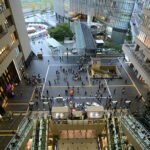
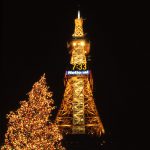
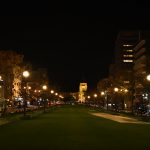
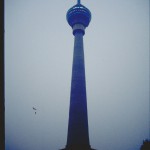
Looking over the Nagoya nightscape from the symbolic Television Broadcasting Tower, Hisaya Boulevard stands out in the center and orange sodium lamps dominate the park below. The new trendy spot in Nagoya, Oasis 21, along Hisaya Boulevard. We climbed up the Television Broadcasting Tower before dusk so we could sit back and watch nature’s light show over the city with Oasis 21 in the foreground. Various mechanisms of light are incorporated into the design of Oasis 21, a former LPA project and winner of IESNA 2003 Award of Merit. One characteristic of Hisaya Boulevard nightscape is that the scenery always includes the Television Broadcasting Tower. Whether from the illuminated water fountain, Central Bridge, Central Park, or Oasis 21 all are framed just like a picture postcard with the Tower in the background.
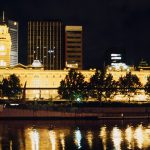
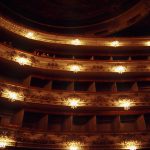
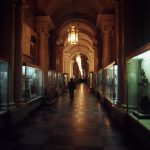
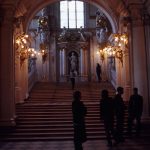
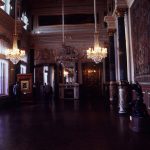
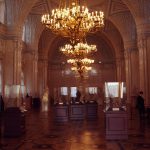
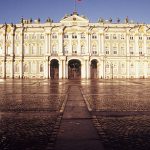
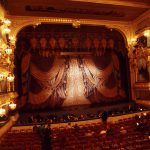
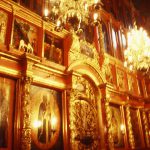
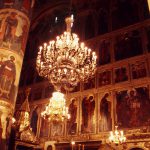
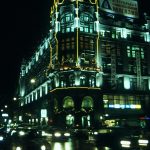
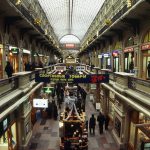
Saint Petersburg is a city of deep imperial and artistic culture. As the city was once the capital of the Russian Empire, many impressive palaces and cathedrals convey this great history. Although, there are not many newly constructed buildings in the city and it doesn’t seem that the economic growth of recent years has improved the lighting environment of the city. Once a secret hide-a-way of the empress this building is now the State Hermitage Museum. As a former private art museum to royalty and aristocracy, the luxuriousness of the interior is a little overwhelming, but the lighting environment is absolutely beautiful. Pleasure boats run tours on the Neva Heba River at night to view the river nightscape cutting though the middle of the city. The shimmer of lights on the water’s surface is awe-inspiring. The fancily decorated palaces and cathedrals are symbols of this once imperial culture. At night most are light up to emphasis their beauty. However, the city also has many waterways and the nightscape along these canals is a lonelier story.