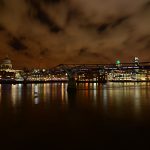
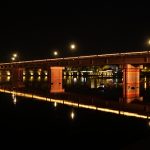
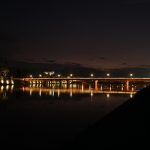
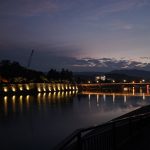
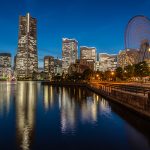
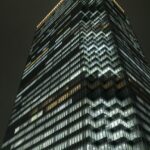
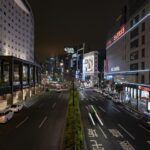
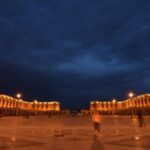
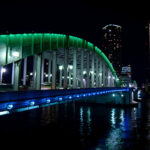
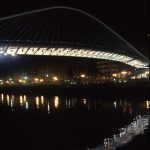
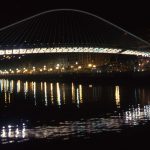
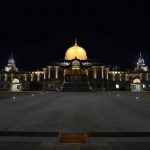
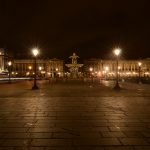
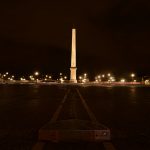
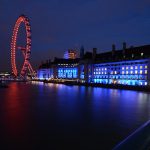
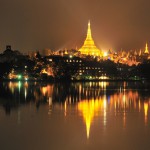
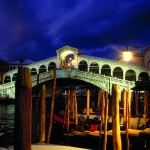
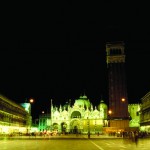
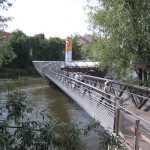
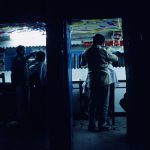
The spirit of light and water reside in Venice. In every corner of the small maze-like alleyways, light and water dance together. During the day it is the sunlight and shadows shining on the water’s surface, at night the small street lamps cast a reflection in the water, Venice creates not only a city of water, but also a city of light. A typical scene along the streets of Venice, a bridge illuminated above the dimly lit canal. Looking from the Ponte di Rialto , the sunset on the Canal Grande unfolds. The people of Venice prefer the waters edge, a boundary between light and shadows along the canals.


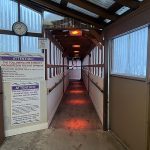
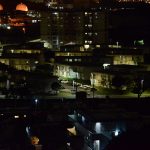
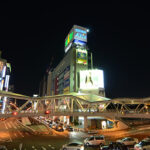
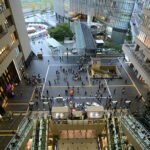
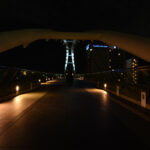
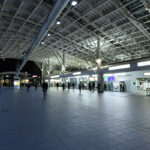
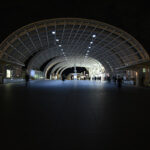
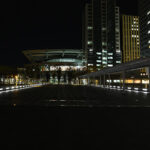
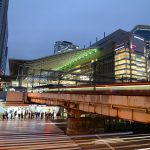
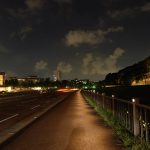
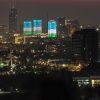
City Night Survey : Saitama-Shintoshin 2019.04.11 Lin Hu + Hikaru Kimura Saitama Shintoshin is a district established around the year 2000. Centered on JR Saitama-Shintoshin Station, it is an intensively structured urban area featuring a variety of functions, including large-scale commercial facilities, a major multi-purpose arena, government office complexes, and hospitals. This survey examined how this planned city has evolved from the perspective of lighting. Nightscape over the heliport from the Saitama Government Office Complex Light Linking Spaces A pedestrian walkway system is installed around Saitama-Shintoshin Station, utilizing an active pedestrian-vehicle separation plan that allows for smooth circulation from the second-floor station gates to various facilities. While the ground level is brightly illuminated by roadway pole lights, the pedestrian walkways feature lower-level lighting such as uplights and footlights—excluding some decorative pole lights in park areas—creating distinct expressions of light for each zone.Saitama-Shintoshin Station is connected to Kita-Yono Station by a walkway spanning approximately 600m. A continuous cantilevered glass canopy allows pedestrians to walk without getting wet in the rain or being stopped by traffic signals. Along this route, there is a straight path of about 100m running parallel to the railway tracks. Here, despite the cantilevered canopy structures being identical—likely due to differing construction phases—the lighting techniques varied across three distinct types. Although the architectural design is similar, the change in lighting methods results in varying levels of brightness depending on the location. While achieving uniformity may seem important, using different…
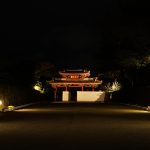
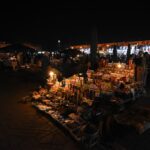
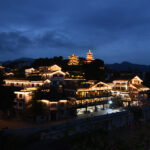
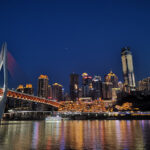
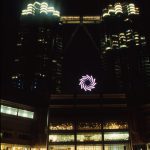
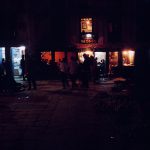
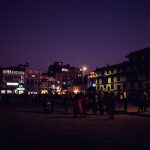
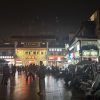
2024.11.21-24 Chuanyi Liu + Jiang Kunzhi Hanoi, the capital of Vietnam where history and modernity blend seamlessly. Thanks to its rich cultural heritage, it has established itself as one of Southeast Asia’s premier tourist destinations. In this city where the Old Quarter, St. Joseph’s Cathedral, and Lotte Tower coexist, we explore Hanoi’s nightscape culture through the lens of light. Vietnam, a populous nation of 100 million people, has Hanoi as its capital serving as the political, cultural, and economic center as well as a key transportation hub. In July 2020, the Vietnamese government issued Decision No. 1129, promoting the development of the night economy and designating Hanoi as the pilot city for this initiative. The city’s rich heritage and unique cultural arts provide favorable conditions for the growth of Hanoi’s night tourism. Hanoi’s urban lighting exhibits distinct characteristics depending on the area and function. In the Old Quarter, narrow alleys and historic buildings create a lively atmosphere with bustling night markets. The nighttime lighting here mainly consists of creatively designed decorative lights at individual shops, which enhance the vibrant energy. Around Hoan Kiem Lake, soft lights reflected on the water’s surface and the illumination of the Turtle Tower standing in the lake harmonize to create a calm and serene nightscape. In the new urban area, modern building facades and bright LED lighting present a contemporary and sophisticated city image. Dynamic light displays further emphasize the lively spirit of the area….
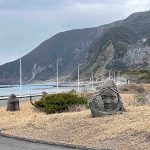
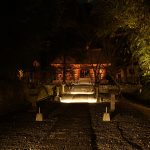
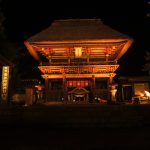
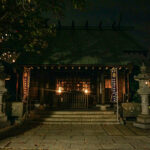
2022.11.4-5 Sachiko Segawa Surprisingly, this survey of the Sawara district marks the first time the Lighting Detectives have conducted an investigation within Chiba Prefecture. The team focused on an area designated both as an Important Preservation District for Groups of Traditional Buildings and as a Landscape Formation District. Here, the townscape of merchant houses, which flourished from the Edo period thanks to river transport on the Tone River, still remains. Located about 70 km from Tokyo Station and slightly inland from the Tone River, the Sawara district of Katori City once thrived as a merchant town, to the point it was said to rival Edo itself. However, the town declined during Japan’s period of rapid economic growth. Following a townscape survey in 1974, the value of its historic scenery was reappraised. Today, leveraging its convenient location—just two hours from Tokyo and one hour by train from Narita Airport—the area is being redeveloped as a tourist destination. For this survey, the team limited their scope to the townscape along the Ono River and conducted a nightscape survey. ■Uniquely Designed Lighting Fixtures From JR Narita Line Sawara Station, as we walked toward the Ono River, we were greeted by a bollard topped with a monkey. “Why a monkey…?” we wondered, but as we continued upstream along the river, we encountered bollards adorned with all sorts of figures: rabbits, carp, children, frogs, Ebisu, and more—each one different, with no two alike. These uniquely…
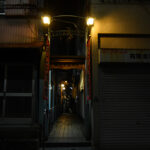
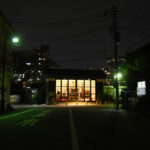
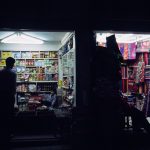
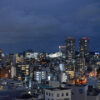
Tokyo Survey: Tsukuda / Tsukishima 2019.11.18 Kyoko Takubo+Yuichi Anzai+Namiko Watanabe An overview of Tsukishima. In contrast to the bright large city buildings, the small alleys and storefronts don’t leak much light Tsukuda is an fisherman island made in Edo-period. Tsukishima was landfilled in Meiji era and now there are still many row houses and small alleys. While the port area of Tokyo is going through mass redevelopment, we investigated the lighting environment of this area filled with intermingling old town houses and large city buildings. Tsukuda Tsukuda 1Chome Mainstreet. Children playing outside the old candy store Tsukuda 1 Chome Mainstreet is mainly lit with mercury lamps Tsukuda Machikado Museum. Its lit with LED3000K with about 134lx. Our investigation started by taking an overview photo from a tall building from the other side of the river. With the hustle and bustle bright lights from the Central area’s cityscape, there was one part that was dark- that is our target of this investigation, Tsukuda・Tsukishima. The dark patch from this area is even more pronounced as it is surrounded by the bright city lights all around. As we get back on the ground, we headed towards Tsukuda 1 chome (Old Tsukuda Island) Mainstreet. On our way we saw the mercury lamp streetlights (4500K) emitting some green tinted white light. The average brightness was around 11lx. In the day you could still see a nostalgic scene with children playing outside the old candy store…