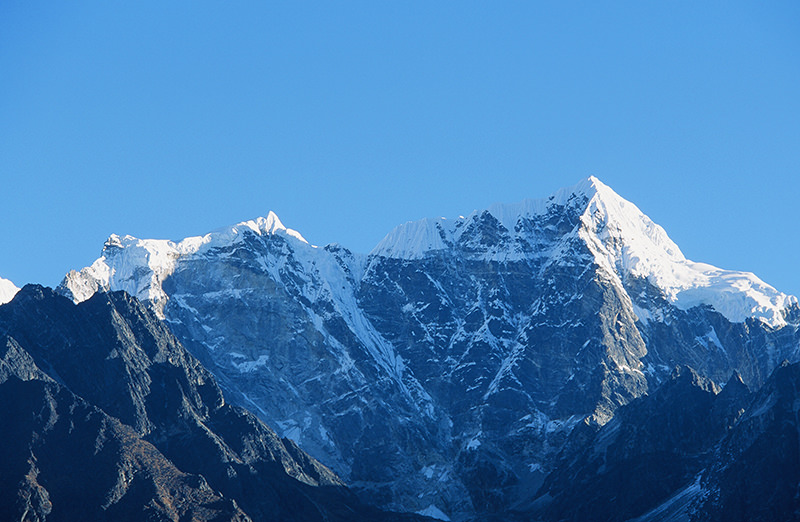
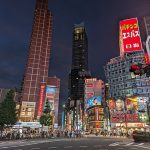
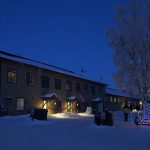
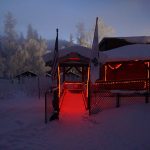
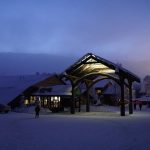
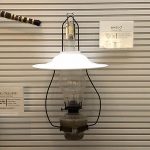
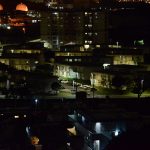
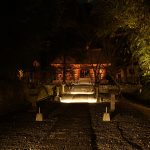
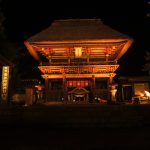
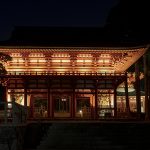
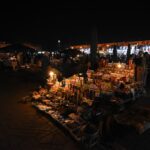
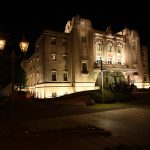
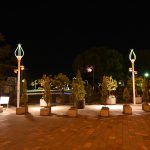
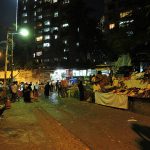
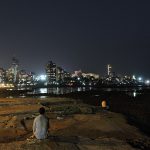
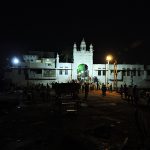
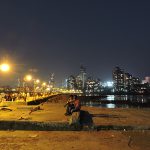
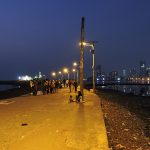
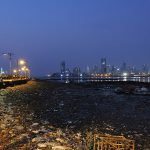
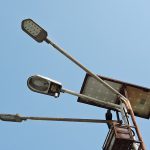
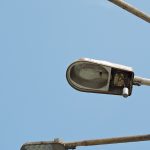
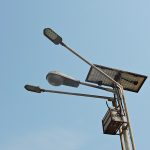
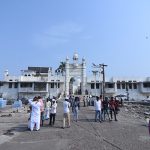
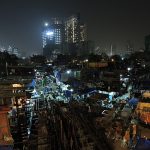
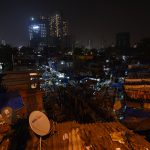
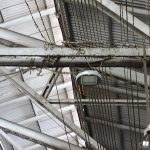
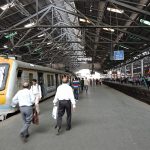
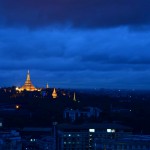
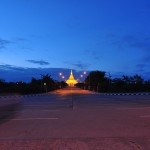
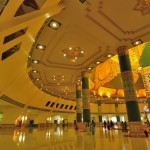
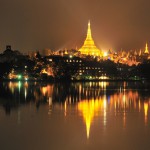
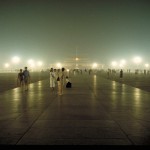
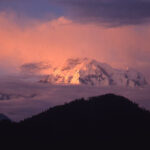
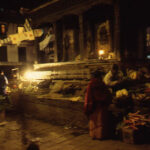
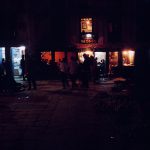
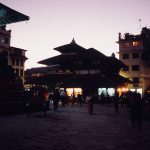
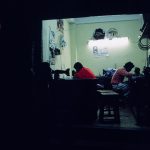
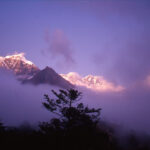
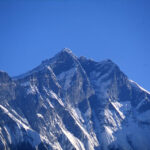
Lighting Survey: Nepal 2023.11.12 – 2023.11.14Mayumi Banno Xianyu Liu (Flower) Kathmandu Valley, a World Heritage Site encompassing Kathmandu, Patan, and Bhaktapur; how is the city faring now after the devastating earthquake of 2015? During Tihar, Nepal’s festival of lights, we visited the capital city of Kathmandu and the adjacent ancient city of Bhaktapur. ■IntroductionHow are Nepal’s cities faring after the 2015 earthquake? During Tihar, Nepal’s festival of lights, we visited the capital city of Kathmandu and the adjacent ancient city of Bhaktapur to explore the reconstruction and the lighting environment during the festival. From the plane overlooking the whole of Nepal, shocked by the twinkling lights of the stars. Nepal is a country with a high national happiness index, but it is also very poor. But when I saw this from the plane, I was surprised, I thought Nepal would have no lights, or very little lights. Later, I heard local people say that because it is the New Year, every family will prepare the colored lights, decoration, and create a lively atmosphere. (Flower) ■KathmanduKathmandu is located at an altitude of about 1,400 meters. In mid-November, when we visited, the days were hot and sunny, but the nights were cooler than 10 degrees Celsius. The city was filled with the hustle and bustle of the Hindu festival of Lakshmi, the goddess of wealth and happiness, to pray for wealth and health, and the New Year who live in this region….

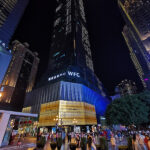
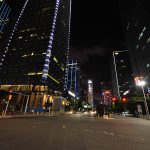
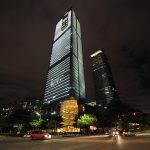
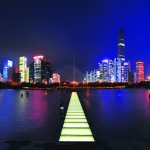
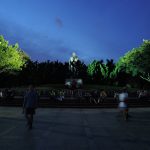
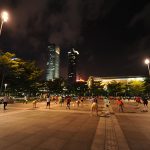
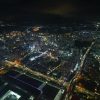
2025.09.12 & 09.18 Lin Hu + Jiang Kunzhi + Lin Huangyi Shenzhen evolved from a fringe town into a high-tech metropolis in about 45 years, and its bold, sustainable urban lighting planning stands out nationally. A two-day field study examined nightscape patterns in its three CBDs, media façades in Futian, and the functional lighting design of the new Gangxia North Metro Station. Unlike older, historically rich Chinese cities, Shenzhen started as a peripheral town and in just about 45 years has become a high-tech modern metropolis. Thanks to its local legislative autonomy, Shenzhen’s urban planning is highly experimental and often serves as a model for other Chinese and even international cities. In urban lighting planning, Shenzhen is a national frontrunner: its nightscape design is bold and innovative, yet the city has also enacted special regulations for ecological protection and light pollution control, showing a clear commitment to sustainability. However, some lighting projects still spark social debate over energy consumption, light pollution, and the use of public resources. To understand more of Shenzhen’s current nightscape, the Shenzhen office team conducted a two-day field study with Mende-san and Kasai-san, focusing on three themes: 1. Nightscape of the three main CBDsWe visited the observation deck at 540 m on the Ping An Finance Center in Futian to take in the scale and layout of the city at night. Looking east toward Luohu, the skyline shows a mix of old and new high-rises, reflecting Shenzhen’s…

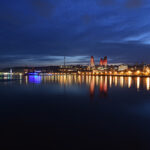
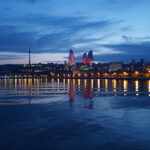
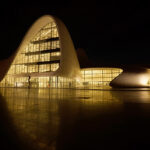
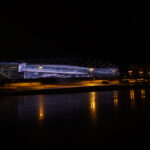
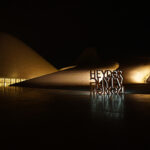
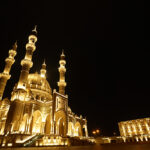
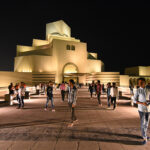
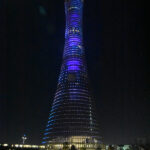
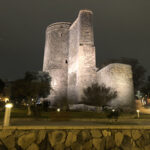
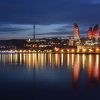
City Survey in Qatar/Azerbaijan 2018/02/12-02/17 Masahiro Iwata + Hikaru Kimura We went to Qatar and Azerbaijan from 12th to 17th February for 6 days for lighting survey. Both of countries are oil producers, and have been developed with oil money. Qatar and Azerbaijan are located on similar longitude, however each urban landscape has been developed in different ways according to their history. Qatar is an emergent country, which benefits from oil money. High-rise buildings has been built on vacant huge desert, and the gulf coast has been developed for attracting wealthy class in around the world. On the other hand, Azerbaijan still faces a problem which a lots of refugees by the past war have hard lives, even it is in bubble boom and it benefits from oil money as much as Qatar. They have redeveloped the old town, which is world heritage. We surveyed lighting in these two countries, where electricity expenses are free by benefit of oil money. Sketch of the road lighting ■Qatar, Capital city Doha Doha used to be described as “the most boring city in the world”, where there were no accommodation and entertainment facilities according to its closed policy. Today luxury hotels and huge shopping malls has been built, and it has become a bustling city. There are lots of buildings painted the current president’s face on the façade. These buildings are by pocket money of president or owned by the government. The buildings along…
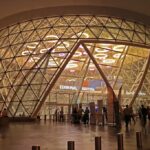
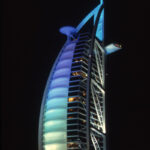
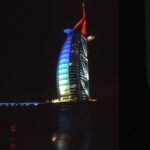
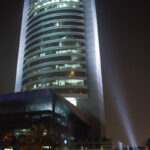
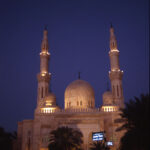
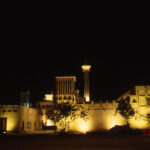
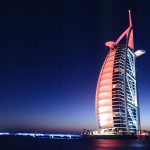
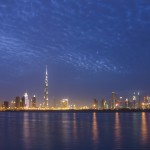
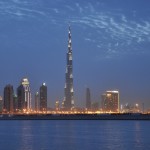
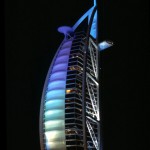
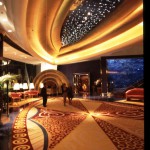
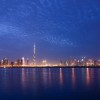
2014.03.31-04.06 Genki Watanabe + Hu Lin Dubai which becomes a hub in the Middle East. Since 2003 decade, sustained economic development of urban construction at the same time, decoration, lighting, etc also has a very significant change. This time, we investigated the city lights and light of life. View from the Burj Khalifa Dubai is separated by an old town from new town. From the birth of the new urban area in the desert, about the lights of the messy no uniformity, glare is very much also. Is old town which is driven by the local way of life, have a certain order of light in the evolution of the light environment. Too light or too dark in the space is more, the overall light environment in a state of disharmony. In a city there are two completely different forms of development order, and are looking forward to Dubai in future how to plan more mature light environment. The Dubai Mall Dubai’s sunshine time is long, many architectural practice break hot also consider natural lighting. In the Dubai mall every space has a unique Islamic architecture design, Ceiling. Interior lighting and day lighting harmonious blend in together. Day lighting is a good example. Deira Gold Souq Deira Old Souq (Spice Souq) Signboard light in old town
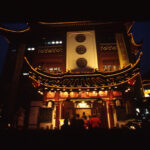
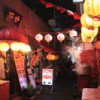
The largest Chinatown in Japan has become an established feature of the Yokohama downtown area, but still an area with its own culture and identity. We surveyed Yokohama to discover the Chinese style of lighting environment alive within Japan. At night, there are many hanging lanterns with soft glowing light. This “Light with a Shape” or, through colorful shades, “Light with Color” is a staple of Chinatown and helps to create excitement and a sense of elation. Along the main street there is no specific street lighting, but shop lighting and luminous signage create a natural ambiance along the street. Most structures have columns painted red and use warm tone lighting, but the facade design and signage is all different. This unification of the streetscape through color temperature creates a balance and lasting impression of Chinatown.