RELATED POSTS
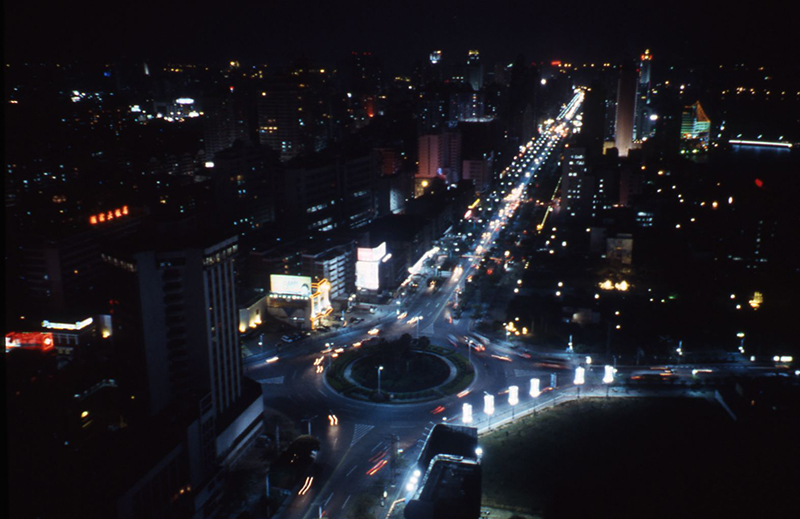
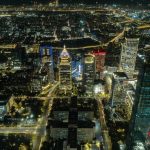
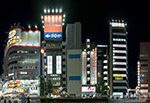
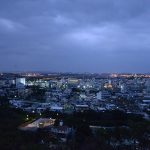
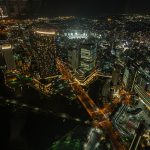
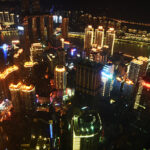
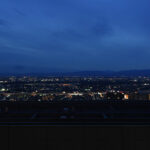
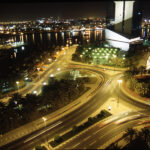
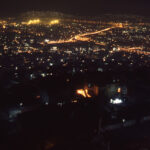
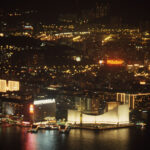
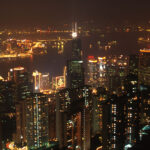
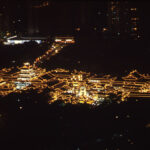
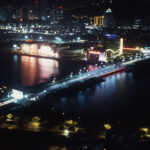
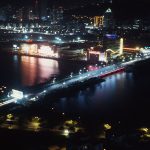
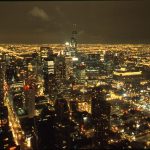
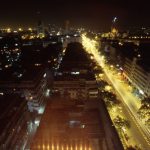
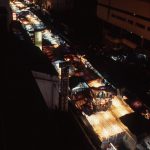
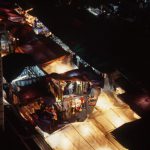
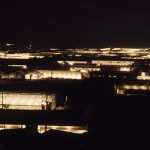
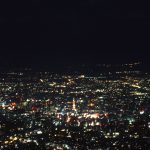
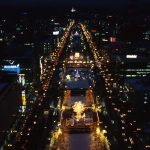
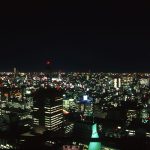
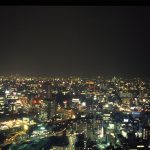
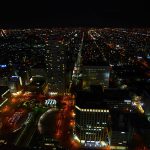
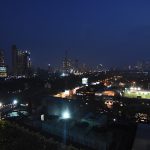
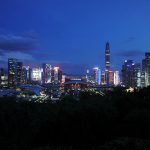
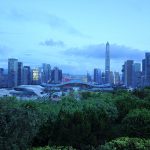
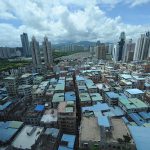
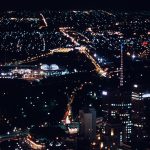
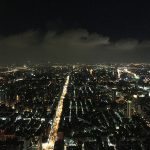
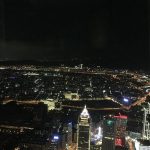
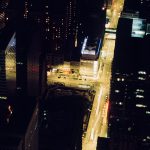
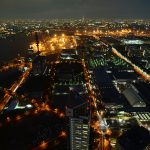
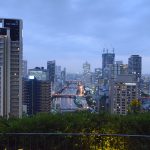
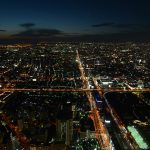
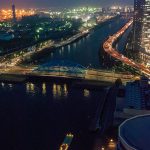
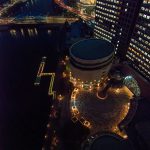
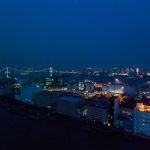
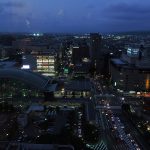
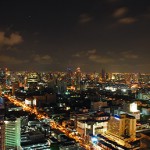
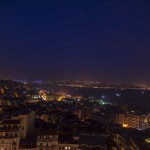
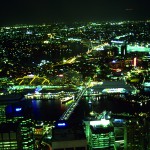
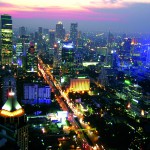
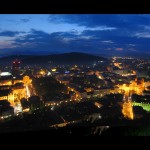
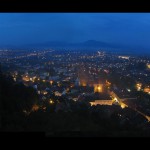
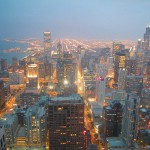
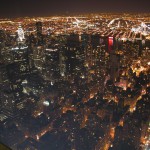
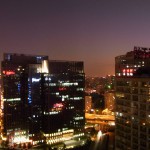
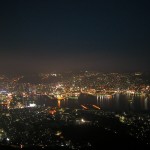
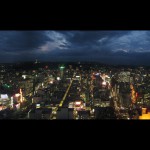
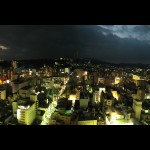
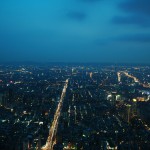
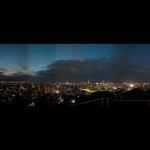
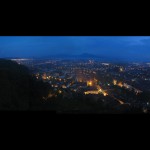
View of Shenzhen from Saige Paza
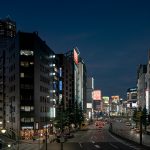
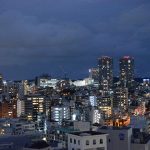
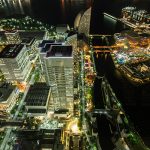
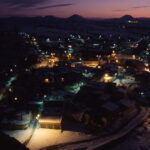
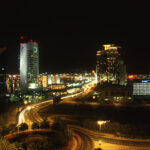
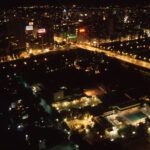
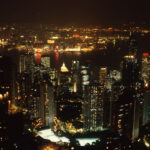
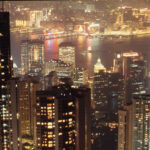
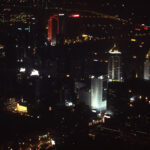
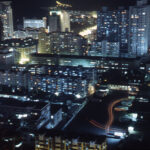
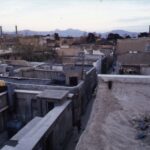
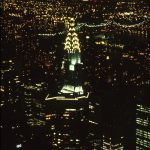
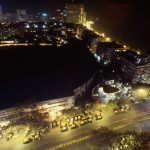
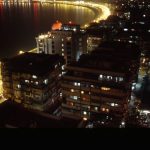
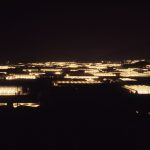
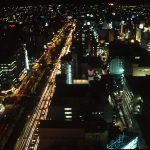
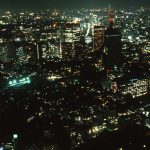
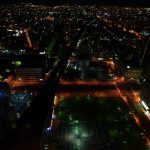
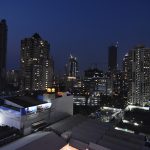
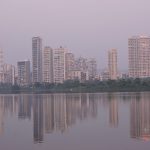
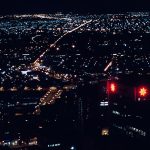
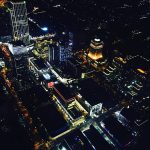
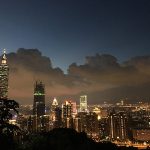
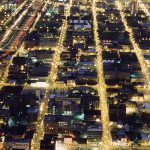
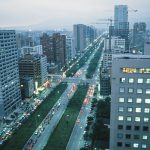
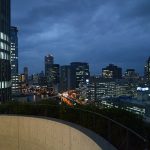
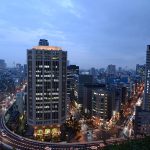
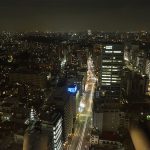
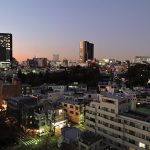
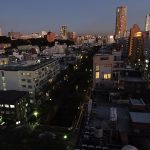
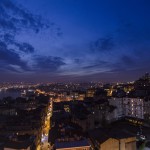
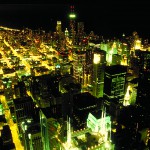
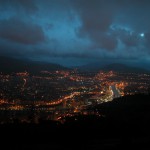
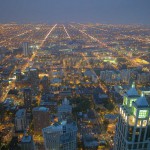
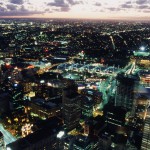
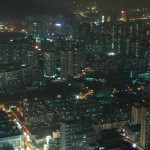
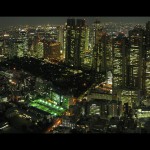
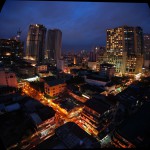
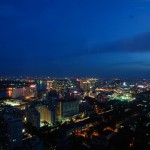
High-rise apartment buildings in Shenzhen
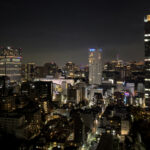
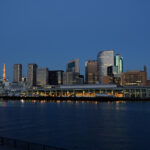
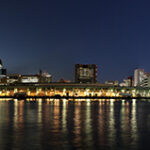
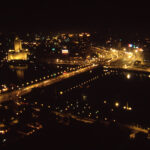
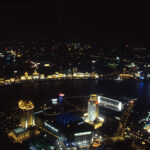
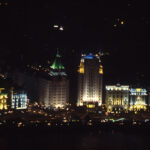
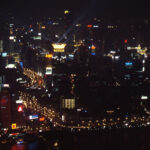
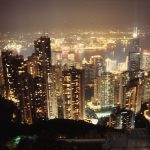
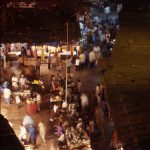
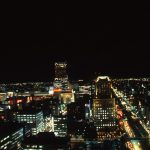
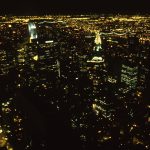
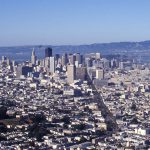
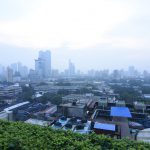
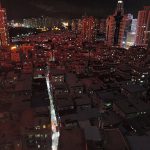
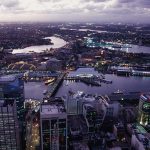
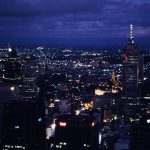
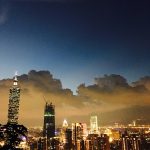
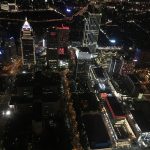
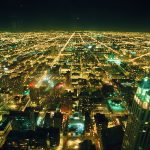
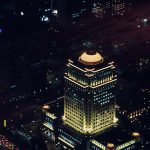
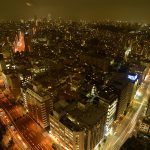
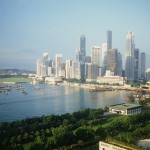
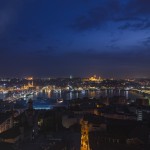
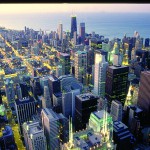
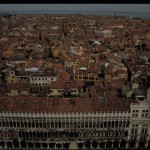
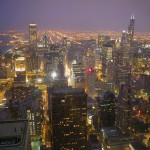
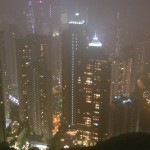
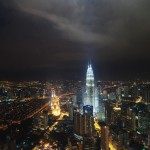
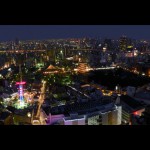
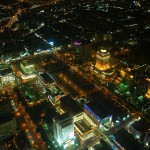
Architecture of Shanghai
YOU MIGHT ALSO LIKE
Myanmar
2014.06.24-06.29 Ai Sohara+ Mami Ichida With the population of 60 million and the 2nd largest country in South East Asia, Myanmar has not yet been well-known to the world because of its isolated policy for over a half century. Reforming as a democratic nation in recent years, Myanmar is now developing very rapidly and its cities are witnessing fast urban growth. The survey was made to “unveil” the role of light in three different cities. Sulepaya, View from the Surepaya As darkness falls over Yangon, the former capital of Myanmar, golden pagodas enhance its majestic presence in contrast to the modest living environment. These brilliant pagodas symbolize the faith of the local people. Street light at Naypyidaw Nay Phi Taw, the vast but empty new capital, seems the only city without electrical problems. Unlike other cities, road and public facilities are built with lighting technology and are well maintained. View from the Shwesandaw Pagoda The winning light in Old Bagan, where almost no artificial light can be seen, is absolutely during dusk. Watching thousands of pagodas turning into silhouettes and eventually merging into darkness creates the impression as if you are traveling back to ancient times.
2nd Annual TN Forum: 2003 / Stockholm Residential Neighborhood Lighting
Date: August 29th, 2003 Program: Symposium Venue: Haninge Centrum The Transnational Tanteidan Forum 2003 was held in Stockholm on August 29th, 2003 at the Kulturhuset Haninge, approximately 30 minutes by train from the city center. The forum was a great success. To our delight, the number of attendees exceeded our expectations and a change of site was necessary in the preceding days. Almost 200 people attended and enjoyed the afternoon forum. The forum’s theme was “Residential Neighborhood Lighting.” Core members from Tokyo, Hamburg, Copenhagen, Singapore, Washington and Stockholm reported results of their research into Residential Lighting. The difference between the international cities is very interesting and offers a unique window on the life of each nation. Most spend daily life without any notice of the lighting around us. But think one minute to change your life with lighting at your home. It might be very interesting to investigate lighting around you once again in order to create something special.
Vol.014 – Lighting for Lighting Design Office
Interviewer: Shunichi Ikeda Theme:Lighting for Lighting Design Office Ikeda Today I`d like to discuss the lighting in a lighting design office. I have always wondered about architects and interior designers who design their own offices based on their own style preferences. I find it kind of interesting. So, I was also wondering about a lighting designer`s office? Is it a place to test elaborate lighting design methods? If you don`t mind, I`d like to pick apart the LPA office. When I first came to LPA I noticed that all of the lighting is a warm color temperature. If it was a restaurant or place of leisure I would understand, but as an office not many places are equipped with all warm color temperature lighting. Also, the ceiling indirect lighting, non-glare desk lights, 2F studio lighting controls were all impressive and dramatic. When you are designing office lighting, what things do you care about most? Stuio at party Working Space Task & ambient lighting with incandescent lamp color Mende It is all a presentation for guests. I want them to think, “Hey, I really liked that lighting style at LPA, so I`ll try to copy it.” I want to design lighting that makes guests think this. This is the place to display our theories and logic. What is good and what is bad. And it is absolutely unacceptable if the light sources are directly visible. Ikeda The 2F studio is used for visitor reception and…
VOl.080 -Cinema Lighting
Interviewer: Kunzhi Jiang Jiang: Today I’d like to talk about “Cinema Lighting.” I think cinema lighting is very important. For example, I recently watched “The Godfather,” and felt that light and shadow in cinema can really reveal various conditions of human psychology. Especially senses with intense contrast, light and shadow help create a very tense situation. Mende: Yes, there are many dark scenes in this film. It is an impressive example of using light to symbolize human emotion. Jiang: Yes. I was really impressed with how light is focused on the left side of the screen and the right side gradually becomes dark. I felt this represents the two-sided nature and internal turmoil of the characters. What kind of movies do you like? Mende: I like films of various genres, but I was really moved by the French movie “Diva.” The use of natural light is beautiful. The softness and warmth of natural light really dictates the atmosphere of this film. Jiang: This sounds like a film with many great scenes. I am curious about the balance of light and shadow. By the way, films by the Taiwanese director, Edward Yang, are also very impressive. Lighting melts into the quiet everyday scenes of his films in a way that is very easy. Mende: Taiwanese films certainly have a unique charm. Particularly, natural light is skillfully used to create detailed scenes and atmospheres, unable to be reproduced with artificial lighting. Jiang: “A Brighter Summer…
City Night Survey: Yokkaichi, Mie
2024.11.21-11.22 Shunichi Ikeda + Yuta Shibata Yokkaichi has developed as an industrial city. The striking contrast between its dazzling factory nightscape and the increasingly organized city center stands out. We conducted a survey of the urban lighting where industry and daily life coexist. ■About Yokkaichi Yokkaichi has a long history, having developed as a port town facing Ise Bay. During the Edo period, it prospered as a post station along the Tokaido route. The city’s name originates from the markets that were held on days ending in “4.”After World War II, Yokkaichi grew as an industrial city with the construction of a petrochemical complex during Japan’s period of rapid economic growth. However, air pollutants emitted from the complex caused a serious pollution-related illness known as Yokkaichi asthma.Today, the city has regained a comfortable living environment. Residential areas, shopping streets, and everyday life now extend right alongside the industrial zones. ■3D Factory Nightscape Yokkaichi, with its history of industrial development, began drawing attention during the early 2000s factory nightscape boom. The expansive factory nightscape of the Yokkaichi petrochemical complex, which stretches about 10 kilometers north to south, is counted among Japan’s five greatest factory nightscapes. What makes it especially unique is that the nightscape can be viewed from the sky, land, and sea—earning it the nickname “3D Nightscape.” Particularly photogenic views of the factory nightscape have gained significant popularity. From the perspective of the Lighting Detectives, we conducted a survey of…