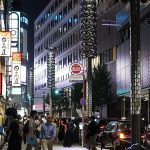
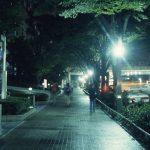
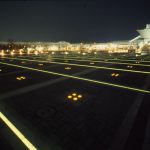
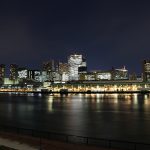
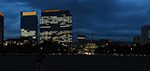
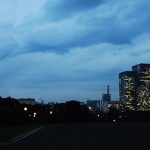
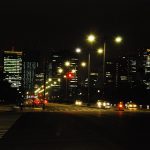
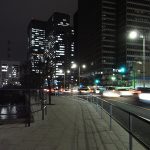
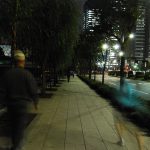
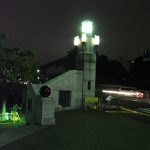
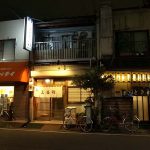
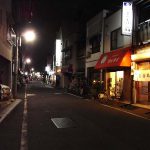
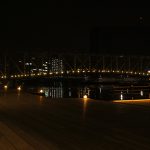
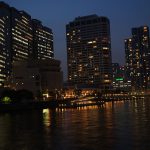
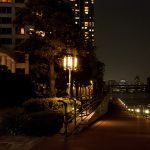
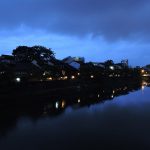
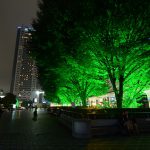
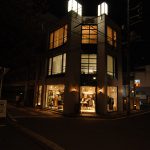
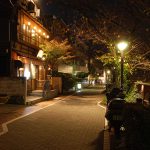
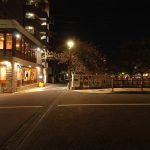
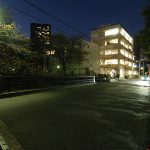
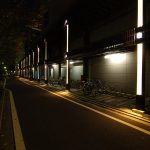
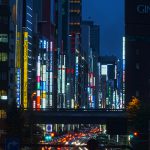
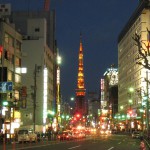
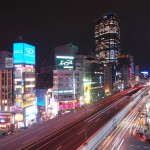
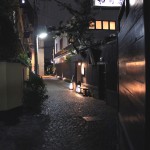
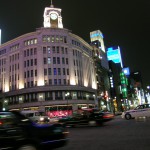
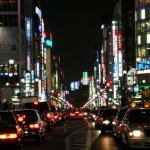
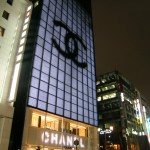
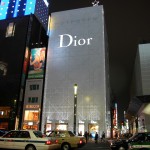
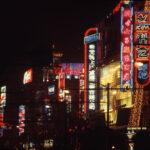
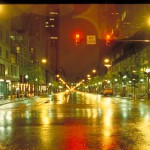
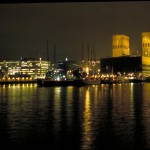
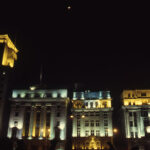
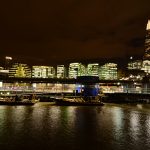
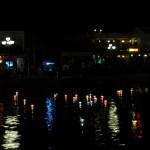
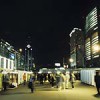
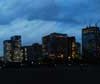
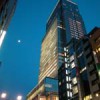
In the heart of Tokyo, Nihonbashi River lies hidden under a system of highway overpasses and the Sumida River is wide and commanding and it cuts through the city. With a variety of bridges, both rivers assert their own unique presence in the Tokyo cityscape. On our own river tour, we encountered the particular water and lightscapes surrounding the bridges and shores of each river. The newly built Nihonbashi Mitsui Tower next to the famous Nihonbashi Bridge. This is the first skyscraper in the Nihonbashi area and as the sun sets, the facade detail is elegantly illuminated. At the historical Nihonbashi District, a variety of lighting methods are on parade, but the highway overpasses keep most of the river hidden from view. Rumors of reconstructing the highway system underground would help revive the scenery along the Nihonbashi River. The main structure of the Chuo-Ohbashi Bridge is beautifully illuminated. The many bridges along the Sumida River compete with each other for top beauty marks, as each is illuminated in a multitude of colors.
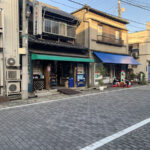
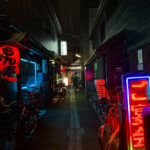
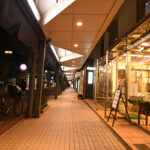
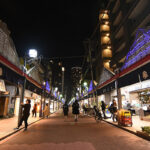
2023.01.26-01.29 Masafumi Yamamoto + Yuki Ito Okinawa is a place where diverse cultures and histories are intertwined. In Okinawa, each region has its own unique streetscape, and this is due to the fact that each region has a completely different historical background. The following is a simplified explanation of the historical background of each area. The Naha area was severely damaged in the war and was rebuilt; the Koza area was influenced by the U.S. military base and retains a strong American culture; and the Bise and Imadomari areas retain the traditional streets of the Ryukyu Islands. By comparing the light environment of each area, this survey sought to determine what kind of lifestyle culture and light features each area has, and what kind of light is unique to Okinawa. ■Sakae-machi MarketSakae-machi Market, located in Naha City, is a shopping street that was established during the postwar reconstruction period and has remained almost unchanged since then. Today, the market is a lively place where locals gather during the daytime, but at night it transforms into a more local haunt, drinking district that is quite different from the impression it gives during the daytime. The only light at night is from the taverns and the faint fluorescent lights in the upper part of the shopping street. (Floor illumination: approx. 20 lx) The illuminance alone gives the impression of dimness, but the actual atmosphere was not as dark as the impression given by…
The Television Broadcasting Tower looks down on the orange sodium lamps overflowing from the grid patterned streets of Sapporo. While on assignment in December we were able to view the multi-colored White Illumination set up along Ohdori Park and Sappore Eki Mae Street. Looking towards Ohdori Promenade from the JR Tower. Sapporo is a beautiful city at twilight with orange light from the streets to set off the blue-tinted snow-topped roofs. The tree-lined street, Sapporo Ekimae Avenue is a sight to see with its unique style of looping lights over tree branches. Visitors with cameras and mobile phones converge on the decorated Ohdori Promenade. Sapporo Television Tower, similar to Tokyo Tower and Nagoya Tower, and all designed by the same architect, is also illuminated with the same type of sodium lamp.
2024.05.16 – 05.19 Mari Kubota+ Noriko Higashi Busan, South Korea’s second-largest city, is one of the world’s major port cities. In recent years, it has also gained fame as a hub for tourism and film. We surveyed the lighting in Busan, which is also a member of LUCI (Lighting Urban Community International). South Korea is a close neighbor, just 1.5 hours from Tokyo by plane, making it a popular destination for quick and affordable trips. Busan, the second-largest city in South Korea, is not only a tourist destination but also a major port and an entertainment center, hosting film festivals. As a member of LUCI, Busan has been focusing on urban lighting as part of its urban planning. In 2015, the city developed an extensive overview of its nightscapes, resulting in the Busan Urban Light Policy for 2030. This policy has been updated several times, reflecting the city’s ongoing efforts in implementation and improvement. The guidelines divide Busan into several zones, each with lighting tailored to its specific characteristics.We traveled to Busan to assess whether the city’s lighting contributes to safety, beauty, attractiveness, and the local economy at night. ■Jagalchi Market Jagalchi Market is South Korea’s largest seafood market, selling both fresh and dried fish. After purchasing seafood on the first floor, visitors can have it cooked and served on the second floor. The market attracts many tourists. White lights are used to illuminate the seafood, making it look as…
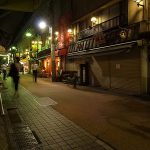
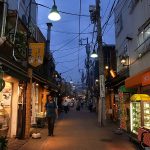
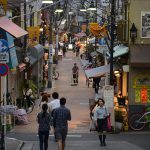
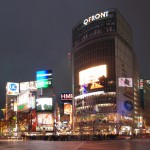
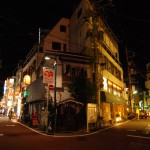
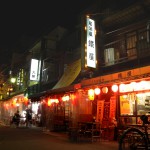
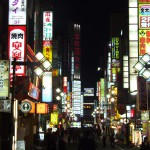
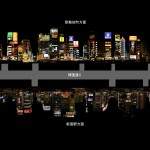
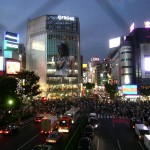
2022.07.11 Hikaru Kimura + Yonglin Ke + Xueying Piao Shibuya, known as a youth hub, began redevelopment in 2012, transforming into a business district with a cluster of new office buildings and commercial facilities. While many new restaurants have emerged, traditional drinking alleys remain intact. This survey investigates the contrasting night scenes of the new and old Shibuya. ■Overlooking Nightscape of ShibuyaFrom the Shibuya Scramble Square, the rooftop of Miyashita Park stands out prominently to the east of the central railway tracks. The warm glow along the podium belongs to Shibuya Yokocho (alley). Nestled beside the pitch-black railway tracks and appearing as a dotted red line is Nonbei Yokocho. Viewed from above, Nonbei Yokocho exuded a soft, flickering light, resembling candles, in contrast to the lively and vibrant atmosphere of Shibuya Yokocho.The overall nightscape, divided by the Yamanote Line tracks, presents a striking contrast: the western side is dominated by tall buildings, densely packed with billboards and advertisements, exuding the lively energy of a traditional entertainment district. The eastern side, on the other hand, has fewer billboards and subdued signage, giving it a unified and calm appearance.I wonder if Shibuya will eventually become a more standardized urban landscape, much like its eastern side. Personally, I felt the bustling, nostalgic charm of the western side embodies the true spirit of Shibuya, and it’s something worth preserving. (Yonglin Ke) ■Shibuya YokochoRAYARD MIYASHITA PARK, a new landmark in Shibuya, features Shibuya Yokocho, a 100-meter-long…