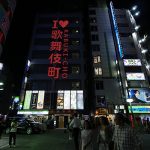
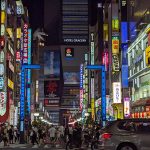
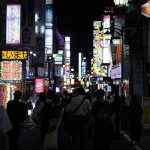
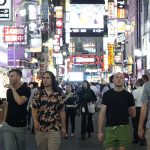
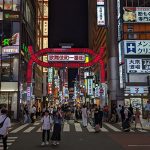
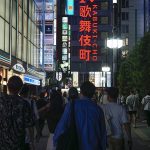
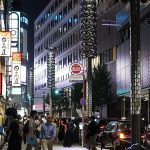
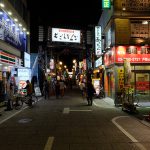
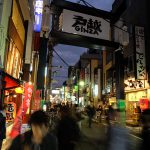
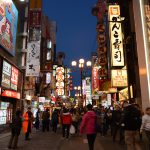
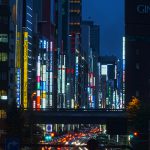
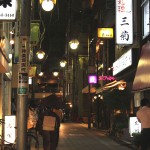
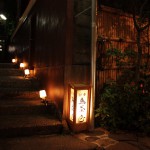
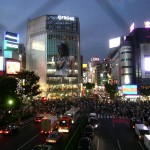
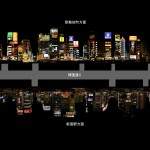
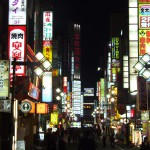
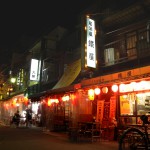
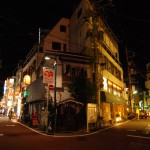
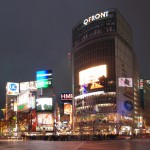
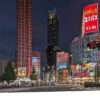
2023.07.19 Shunichi Ikeda + Masashi Kurobe + Yuta Shibata Shinjuku Kabukicho, Japan’s largest entertainment district, is a dazzling neon-lit labyrinth filled with restaurants, movie theaters, and amusement facilities. Its streets are teeming with people all night long. In recent years, however, the district has faced challenges, such as the growing presence of “Toyoko Kids” congregating in Cine City Square and engaging in criminal activities. Despite these issues, the opening of the new iconic Tokyu Kabukicho Tower has brought renewed attention to the area. As lighting detectives, we delve into the current state of Kabuki-cho, examining its lighting environment and cultural significance. ■Kabuki-cho Reborn: A Post-COVID Entertainment DistrictSeventeen years after our lighting survey in Shinjuku in 2006, Kabuki-cho has evolved from large-scale development into a global tourist hotspot. Though deserted during the 2020 state of emergency, the area is now vibrant again with the opening of Tokyu Kabuki-cho Tower. This survey revisits Kabuki-cho, comparing it with the previous survey and analyzing its changing lighting environment. ■Tokyu Kabuki-cho Tower: An All-Out Entertainment ComplexThe Tokyu Kabuki-cho Tower, a 48-story, approximately 225-meter-tall, super high-rise entertainment complex comprising a hotel, movie theater, theater, and more, opened in April 2023.Upon entering the building, I was overwhelmed by the countless glittering lights that filled the space. The small shops and narrow corridors were adorned with an excessive number of paper lanterns, creating an atmosphere reminiscent of an Asian festival. Outside, the building’s digital signage, facade indirect lighting, reflected…
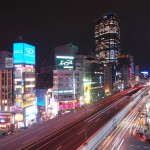
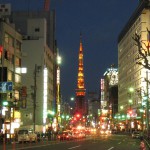
Taking a drive along the Tokyo Metropolitan Expressway is a great experience in the sequence of Tokyo light. In one drive you can catch glimpses of Tokyo Tower in between buildings, awe at the endless Ginza neon signage, and hide in the dark shadows surrounding the emperor’s palace and Tokyo Bay. Close up lights zoom by, but in the distance light is scattered everywhere, creating a complex sequence of overlapping elements. Such a variety of light exists in Tokyo! Rainbow Bridge and Tokyo Tower, Dual Features of the Tokyo Night (Ariake JCT~Shibaura JCT) At night the Rainbow bridge is a bridge of light connecting the Bayshore Route and Tokyo mainland. As we drove across the bridge, the Tokyo Tower that seemed to twinkling in the far distance became a dominating presence. However, all of the distance lights of Tokyo were swallowed by the cluster of buildings waiting for us on the Shibaura side of the bridge. The Lights of the Tokyo Nightscape (Ohi JCT ~ Shibaura JCT) Working from Haneda towards the center of Tokyo, among the rough and tumble lighting for warehouses and factories, is warm light spilling from offices and condominiums. The expressway takes a dive under the Tokyo Monorail for a real peak at Tokyo-style building light and luminous signage. The Expressway in the Ginza Sky (Tokyo Expressway) The Tokyo Expressway is elevated in midair as it cuts through Ginza. Officially, it is not part of the…
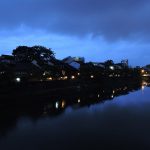
Bangkok, a city in a swirl of on-going change. In our previous survey of Tokyo’s Kanda River, we discover that the backs of buildings face the river creating and area of dark contrast in the middle of the city. But here along the Chaopraya River the opposite is true with the front facades lining the waterfront. Open-air restaurants and bars occupy the rooftops, as the spectacle of the city spreads out below. The Millennium Hilton, Bangkok, opened in May of 2006, is the first major hotel brand to open a hotel in the country in 20 years. The hotel boasts 543 riverfront rooms. With a UFO-like disk on top of the building, the cool-modern design stands tall among the neighboring structures. Along the riverfront, a private pier is provided for guests and dinners at the restaurant and bar. As river taxis come and go, the warm spots of light along the river reflect and shimmer on the water surface. Scirocco, one of many open-air restaurants, is approximately the same height as the special observation room at Tokyo Tower, 246 meters above ground, but without the glass barrier!. Without a glass window the lights of the city below seems so much more clear and real!! At the next table sat an older coupe that came to watch the sunset. The woman was surprised when presented with a big bouquet of flowers, undoubtedly a romantic gesture from her husband. A single candle…
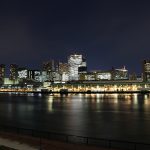
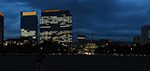
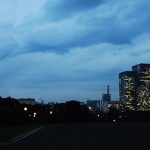
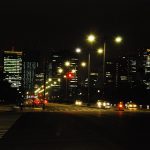
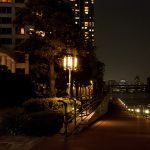
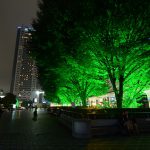
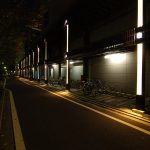
In the middle of Tokyo is the Imperial Palace, a haven for runners and tourists, alike. The lighting in the palace outer garden and nearby Wadakura Fountain Park has been renewed and replaced with environmentally conscious LED fixtures. We surveyed the unique pocket of darkness that surrounds the Imperial Palace along with lighting environment of nearby parks and roads. Imperial Palace Outer Garden. The fancy pole lights in the outer garden are originally gas lamps, but the light source has been changed to high-pressure sodium lamps and now upgraded to LEDs. The average lux level is only 1-2lux along the paths lined with these LED fixtures, but inside the fixtures are 6, 26watt LED modules all pointed in different directions. This application helps to spread the light around without making a too bright, but comfortably dim atmosphere. Daikancho Street Daikancho Street runs along the north side of the palace grounds, is a much narrower street and pedestrian sidewalk compared with the rest of the facilities surrounding the palace. Along the tidy, hedged sidewalk, streetlights are placed at 3-meter intervals. Mostly for crime prevention, the lights are very bright and glaring. Ohtemachi Entrance The Ohtemachi Entrance area leads to an inner palace garden and is surrounded by a main arterial road on the outside, for a very open and accessible area. Most lighting is road lighting, mounted on 10-meter tall poles arranged down the middle of the street, but plenty bright…
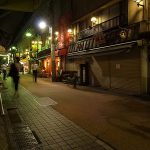
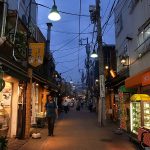
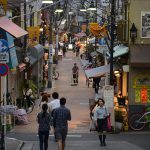
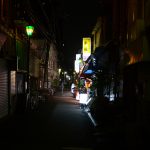
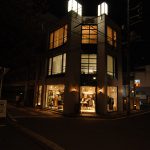
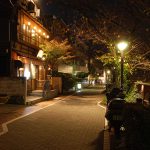
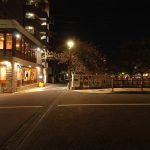
Kichijoji is an area of Tokyo where a variety of elements are compressed together to create this unique neighborhood. However, even though it seems to be a mixture of “stuff” the area is well planned and organized. Public and private organizations have aggressively worked together in city planning and we surveyed the area to discover what kind of lighting environment or rules they have advised. Starting on the north side of the station, a commercial area, we then moved to the south side of the station and Inogashira Park and the alleyways that connect the park and station. North Side of the Station The lighting along the covered arcade shopping streets, Sun Road and Diamond Street, are LEDs, creating a modern atmosphere, but down some of the narrower alleyways, like Harmonic Alley, the lighting is retro for an exciting nightly stroll. Park Street The main street from the station to Inogashira Park is a narrow 3-meter wide street lined with small cafes, bars, and recycled clothing and nick-nack shops. Restaurant and shop lighting is a warm 3000k for a comfortable atmosphere, but most street lighting spills out from the entrance to these restaurants and shops. Once they are closed for the night the street is very dark. Inogashira Park Equip with solor panels, tall metal halide streetlights record 331lx inside the park. However, the average lux level inside the park is about 30lx. The streetlights are too bright, and ruin…