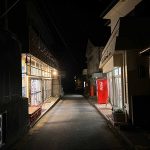
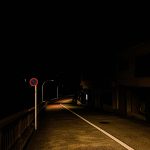
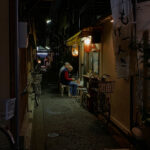
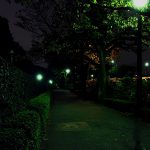
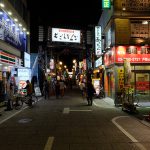
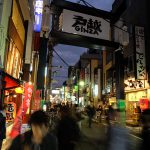
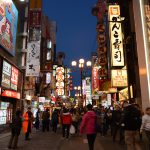
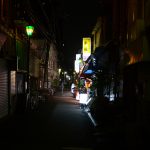
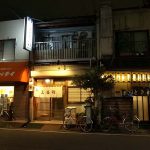
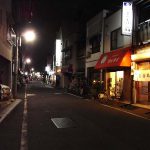
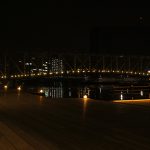
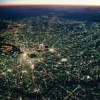
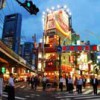
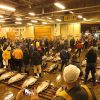
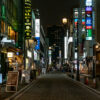
2025.09.04-09.08 Yonglin Ke + Masashi Kurobe The nights in Honolulu are a diverse blend of resort illumination, residential lights, torches, and night market glows. However, as the city develops, the starry sky is fading, raising concerns about the impact on the local ecosystem. Balancing urban growth with light pollution countermeasures remains a significant challenge. We conducted an on-site night walk survey to explore the balance between the city and nature and to evaluate the current lighting environment. ■Honolulu Honolulu, the capital of the U.S. state of Hawaii, is a prominent tourist destination in the heart of the Pacific Ocean. Simultaneously, it serves as the political and economic hub of the state. In this land where the sea, mountains, and urban areas sit in close proximity, the nightscape reveals a variety of expressions depending on the time and location—blending the glow of resort hotels, the soft lights of residences, traditional fire torches, and the vibrant lights of night markets. Furthermore, the combination of intense sunlight and a tropical climate creates a unique character within the city’s lighting environment. On the other hand, urban development and the growth of the tourism industry have negatively impacted the visibility of the starry sky and affected local ecosystems, such as migratory birds and sea turtles. While the state and city have begun implementing measures to reduce light pollution, finding a balance with the tourism industry remains a challenge. During this night walk survey, we investigated…
In the middle of Tokyo is the Imperial Palace, a haven for runners and tourists, alike. The lighting in the palace outer garden and nearby Wadakura Fountain Park has been renewed and replaced with environmentally conscious LED fixtures. We surveyed the unique pocket of darkness that surrounds the Imperial Palace along with lighting environment of nearby parks and roads. Imperial Palace Outer Garden. The fancy pole lights in the outer garden are originally gas lamps, but the light source has been changed to high-pressure sodium lamps and now upgraded to LEDs. The average lux level is only 1-2lux along the paths lined with these LED fixtures, but inside the fixtures are 6, 26watt LED modules all pointed in different directions. This application helps to spread the light around without making a too bright, but comfortably dim atmosphere. Daikancho Street Daikancho Street runs along the north side of the palace grounds, is a much narrower street and pedestrian sidewalk compared with the rest of the facilities surrounding the palace. Along the tidy, hedged sidewalk, streetlights are placed at 3-meter intervals. Mostly for crime prevention, the lights are very bright and glaring. Ohtemachi Entrance The Ohtemachi Entrance area leads to an inner palace garden and is surrounded by a main arterial road on the outside, for a very open and accessible area. Most lighting is road lighting, mounted on 10-meter tall poles arranged down the middle of the street, but plenty bright…
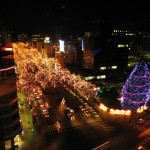
The Television Broadcasting Tower looks down on the orange sodium lamps overflowing from the grid patterned streets of Sapporo. While on assignment in December we were able to view the multi-colored White Illumination set up along Ohdori Park and Sappore Eki Mae Street. Looking towards Ohdori Promenade from the JR Tower. Sapporo is a beautiful city at twilight with orange light from the streets to set off the blue-tinted snow-topped roofs. The tree-lined street, Sapporo Ekimae Avenue is a sight to see with its unique style of looping lights over tree branches. Visitors with cameras and mobile phones converge on the decorated Ohdori Promenade. Sapporo Television Tower, similar to Tokyo Tower and Nagoya Tower, and all designed by the same architect, is also illuminated with the same type of sodium lamp.
2018/09/30-10/08 Shosaku Takahashi + Masafumi Yamamoto Morocco is located on the African continent but retains a strong influence from European countries such as neighboring Spain and France. It can be said that the cities have been formed under the influence of various cultures. This survey started in the major city of Marrakech, crossed the Atlas Mountains to visit the vast Sahara Desert inland, and then continued for ten hours and another 600 kilometers across the continent to reach the blue city of Chefchaouen. We experienced the climate, culture, and lifestyle of this country, which shines on the shores of the Mediterranean Sea while benefiting from the sun, and investigated the relationship between lighting and people’s lives. Djemaa el-Fna Square Many of the Old Town’s paths are covered with sunscreens The souk is bustling with people at night People watching street performers ■Arrival in MarrakechAfter driving four hours from Casablanca Airport, we saw the reddish-clay streetscape of the major city of Marrakech pop up in the middle of the wilderness. The moment we got out of the car in the old town, swarms of flies started hitting our bodies. The smell of rotting fruit and raw fish stung our noses. Crowds of people moved through the narrow alleyways, as motorcycles sped past, honking their horns. The air was thick with dust and exhaust fumes. Flies immediately swarmed the tuna sandwich we bought from a nearby stand for a late lunch. ■Old…
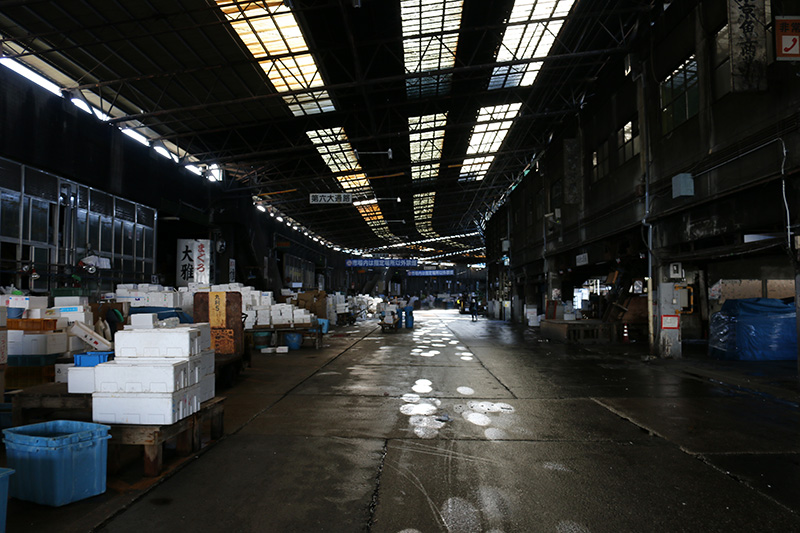
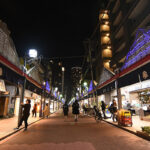
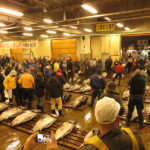
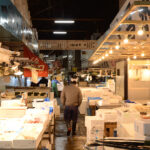
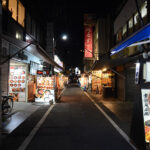
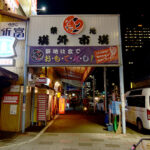
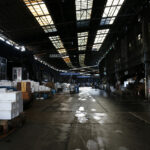
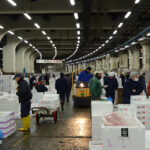
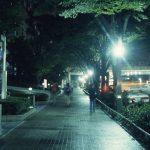
2025.06.26 Yumi Honda +Qiaoxi Wang+ Momoe Nomura We observed and recorded the nighttime light environment of the newly developed commercial complex Senkyaku Banrai in the Tokyo Bay Area and its surrounding public spaces (green plaza, station area, and Gururi Park). We conducted a multifaceted analysis, including the placement of lighting fixtures, illuminance, and the impression of the space, to determine how light affects the atmosphere of the facility and the city in the Toyosu area, which is being developed as a tourist hub. The Toyosu area is a point of interest where the latest urban spaces and the lively atmosphere of shitamachi (old downtown) coexist due to redevelopment. We walked through the area around Toyosu Market Station, the green plaza, and Gururi Park, observing how light design impacts the impression, comfort, and safety of the town. ■Senkyaku Banrai Senkyaku Banrai is a commercial facility that opened in 2024 next to the Toyosu Market. It’s a spot where both tourists and local residents can enjoy the array of restaurants and souvenir shops. Through architecture and lighting design incorporating traditional Japanese motifs, it exudes a uniquely Japanese warmth and vitality, even within the contemporary urban nightscape. The lighting plan inside the facility is unified, as befitting a new commercial complex, and was designed with both aesthetic appeal and functionality in mind. The main path lighting uses warm, incandescent colors, creating a nostalgic atmosphere reminiscent of a Showa-era shopping street. This fosters a…