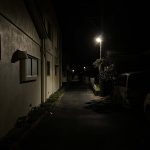
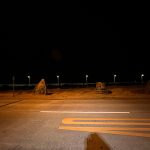
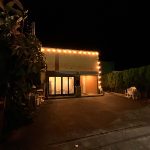
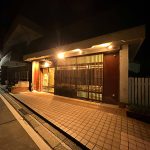
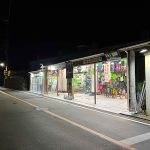
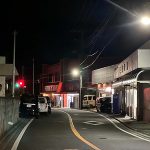
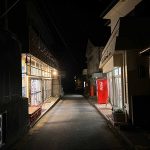
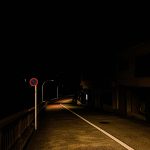
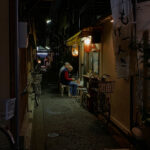
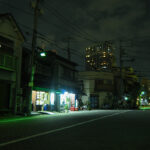
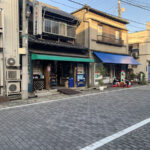
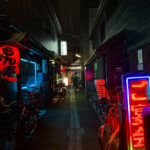
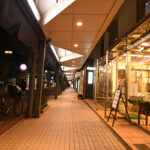
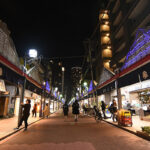
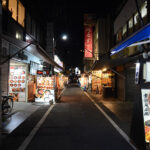
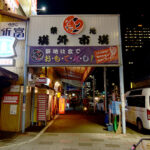
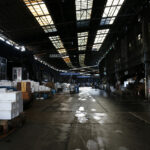
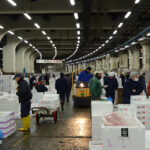
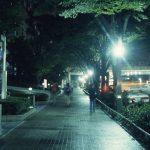
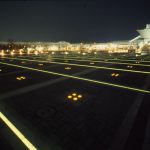
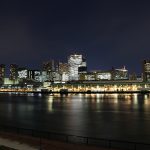
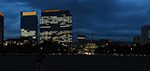
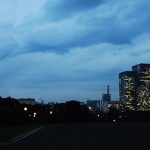
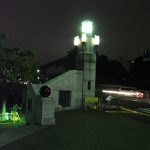
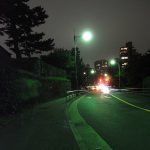
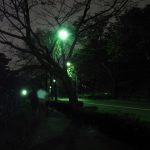
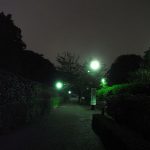
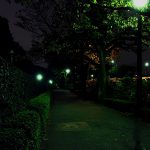
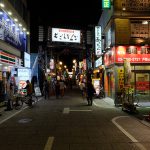
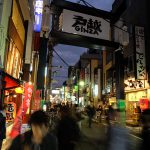
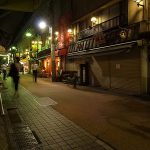
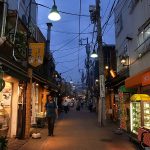
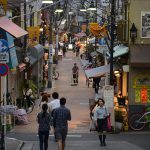
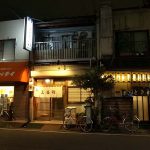
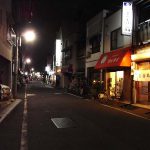
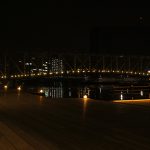
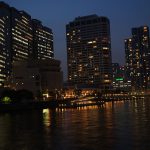
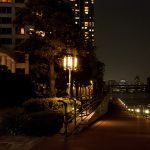
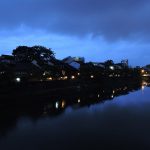
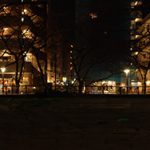
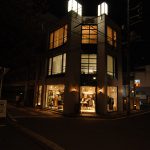
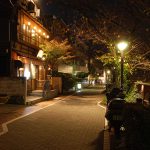
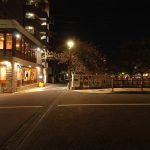
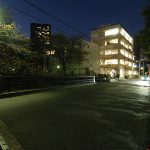
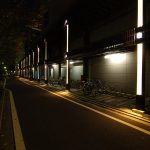
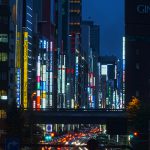
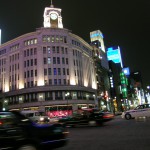
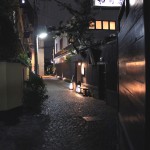
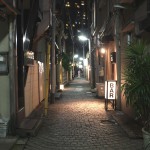
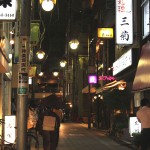
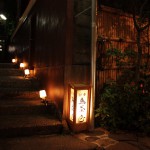
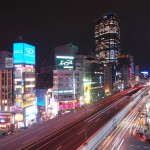
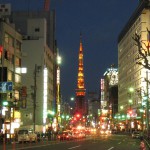
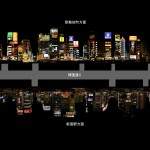
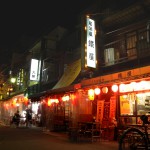
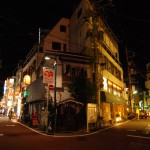
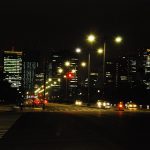
Tokyo Survey: Tsukuda / Tsukishima 2019.11.18 Kyoko Takubo+Yuichi Anzai+Namiko Watanabe An overview of Tsukishima. In contrast to the bright large city buildings, the small alleys and storefronts don’t leak much light Tsukuda is an fisherman island made in Edo-period. Tsukishima was landfilled in Meiji era and now there are still many row houses and small alleys. While the port area of Tokyo is going through mass redevelopment, we investigated the lighting environment of this area filled with intermingling old town houses and large city buildings. Tsukuda Tsukuda 1Chome Mainstreet. Children playing outside the old candy store Tsukuda 1 Chome Mainstreet is mainly lit with mercury lamps Tsukuda Machikado Museum. Its lit with LED3000K with about 134lx. Our investigation started by taking an overview photo from a tall building from the other side of the river. With the hustle and bustle bright lights from the Central area’s cityscape, there was one part that was dark- that is our target of this investigation, Tsukuda・Tsukishima. The dark patch from this area is even more pronounced as it is surrounded by the bright city lights all around. As we get back on the ground, we headed towards Tsukuda 1 chome (Old Tsukuda Island) Mainstreet. On our way we saw the mercury lamp streetlights (4500K) emitting some green tinted white light. The average brightness was around 11lx. In the day you could still see a nostalgic scene with children playing outside the old candy store…
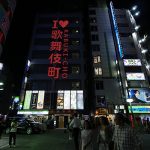
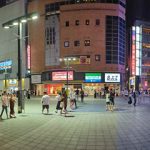
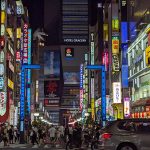
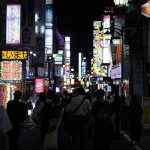
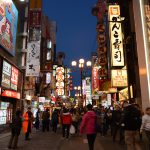
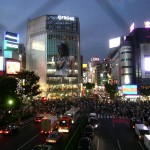
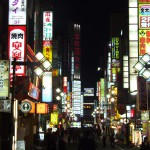
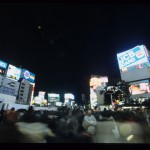
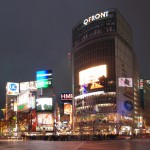
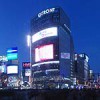
A city for the young and young at heart, Shibuya. The area is composed of a mess of streets all with a different atmosphere, including a few main streets connected by narrower alleyways. Each street has developed its own personality and role, including lighting conditions to create the Shibuya night. From the scramble intersection in front of Shibuya Station, 3 distinctive roads, Dogenzaka, Center Gai, and Koen Dori radiate. After dusk, the lights come on and the personality of each street is even more clearly defined. As the title implies, Center Gai is the center of Shibuya geographically and caters to the young as the center for shopping and entertainment. This street is full of light. Each shop seems to be competing for the brightest facade with infinite amounts of luminous signage and advertising, creating a 3-dimensional playground. Dogenzaka is a festive street with a steady flow of pedestrians, but turn down one of the narrow side streets and the atmosphere changes immensely. The facades of many love hotels packed into the area are saturated with color creating a seedy blend of light and young couples prowling the Maruyama-cho area.
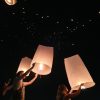
City Night Survey- Chiang Mai Lantern Festival 2023.11.25 – 11.29 Angkana Kongchatri (Tan)+Momoko Muraoka Chiang Mai is the second largest city in Thailand which has special atmosphere tracing from Lannar kingdom period. Tan from Bangkok and Momoko from Tokyo traveled to the city for a survey. ■Back ground of the survey The lantern festival in Chiang Mai has been getting very high attention from international tourists since a couple of decades ago. Due to its visual appeal, the festival has become an explosively hot tourist spot and activity. As number of tourists raise up, the negative side of the festival also becoming a serious issue, such as the risks of fire and abandoned trashes which cause suffering to local people. In this SNS era, the speed and frequency of exchanging information has become extremely heavy than ever. When very local culture gets intensive attention from unidentified crowds, then the one to retain the culture need to face and respond the troubles to come with the anonymous attention which is also happening on the lantern festival in Chiang Mai. Festivals with lights are attractive. However, overlooking the wastes happening materially and culturally cannot be accepted anymore. Through this survey, we aim to observe not only the bright side but also the problems and struggles behind which could relate with many other traditional lighting festivals. We believe that the approach could bring another layer of depth for the lighting detective activity with…
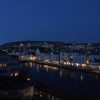
Zurich ⇒ Bern ⇒ Basel2018/04/12-04/17 Yumi Honda + Kyoko Takubo We visited Switzerland in search of places with light where people gather. Celebrating the longawaited arrival of spring, we found that more people than we expected were relaxing outdoors from morning until night. During the day, they enjoyed the abundant nature and beautiful cityscapes, soaking up the natural light. At night, people were chatting and laughing in a soft, gentle light. We climbed a dark hill for an elevated nightscape shot, but even there, it wasn’t tourists but locals who were gazing at the nightscape. We were able to find a city light in Switzerland that makes you want to spend a long, leisurely time there. People enjoying the sunset on the shores of Lake Zurich People Gathering on the Riverside in Basel, with Beers in Hand ■Waterside at DuskOn a warm spring evening, people gather on the shores of Lake Zurich. In open areas with a view, everyone enjoys the passing of time in their own way—a unique luxury. After the sun sets and the sky turns indigo, historical buildings from the Middle Ages are softly lit and reflected on the water’s surface. The reason this atmosphere can be enjoyed comes from a combination of historical background and urban planning.First, the number of cars is overwhelmingly small compared to other cities. The city is not obstructed by wide roads or traffic jams, so you can feel close to the river,…
2025.09.04-09.08 Yonglin Ke + Masashi Kurobe The nights in Honolulu are a diverse blend of resort illumination, residential lights, torches, and night market glows. However, as the city develops, the starry sky is fading, raising concerns about the impact on the local ecosystem. Balancing urban growth with light pollution countermeasures remains a significant challenge. We conducted an on-site night walk survey to explore the balance between the city and nature and to evaluate the current lighting environment. ■Honolulu Honolulu, the capital of the U.S. state of Hawaii, is a prominent tourist destination in the heart of the Pacific Ocean. Simultaneously, it serves as the political and economic hub of the state. In this land where the sea, mountains, and urban areas sit in close proximity, the nightscape reveals a variety of expressions depending on the time and location—blending the glow of resort hotels, the soft lights of residences, traditional fire torches, and the vibrant lights of night markets. Furthermore, the combination of intense sunlight and a tropical climate creates a unique character within the city’s lighting environment. On the other hand, urban development and the growth of the tourism industry have negatively impacted the visibility of the starry sky and affected local ecosystems, such as migratory birds and sea turtles. While the state and city have begun implementing measures to reduce light pollution, finding a balance with the tourism industry remains a challenge. During this night walk survey, we investigated…