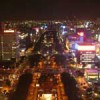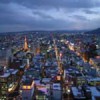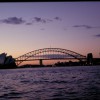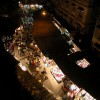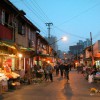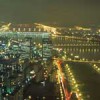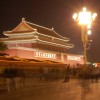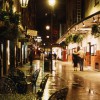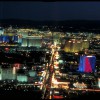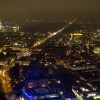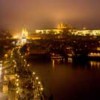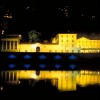
To grasp lighting environments around the world, the Lighting Detectives have continued to survey local and global cities. Over 70 cities have been surveyed and record in “The World Lighting Journey,” which has become an important database for comparing the many lighting environments around the world.

JAPAN

HIROSHIMA

More

It was 8:15 on the morning of August 6, 1945 when the first of two bombs dropped on Hiroshima then Nagasaki. Sixty-one years have passed since this memorable day and every year victims are remembered in a peace memorial ceremony attended by 50,000 people. On this night thousands of lanterns are placed in the Motoyasu River near the Hiroshima Peace Memorial as part of the remembrance and prayer for peace. As the main part of our lighting survey we wanted to see how these lanterns changed the face of city on this one night. We also visited Itsukushima Shinto Shrine and downtown Hiroshima. One of the World Cultural Heritage sites, Itsukushima Shinto Shrine. Unfortunately, the lighting is not the most faltering and lacks punch that could emphasis great architectural detail. However, looking from the bow of a boat past the large shrine gate, the main hall floats elusively in the surrounding darkness. This is the angle for a truly spiritual approach. Hiroshima Peace Memorial, a World Cultural Heritage site and the remains of a symbol of sacrifice and crime committed against humanity. Nearly buried by the surrounding city lights, but this dim gloom cast over the rubble suits its history and expresses it in the present day for all to remember. Full of prayers for peace and a symbol of remembrance, softly lit lanterns were set afloat, creating a new river of light. The lightscape created by the lanterns floating…

JAPAN

TOKYO : NIHONBASHI & SUMIDAGAWA

More

In the heart of Tokyo, Nihonbashi River lies hidden under a system of highway overpasses and the Sumida River is wide and commanding and it cuts through the city. With a variety of bridges, both rivers assert their own unique presence in the Tokyo cityscape. On our own river tour, we encountered the particular water and lightscapes surrounding the bridges and shores of each river. The newly built Nihonbashi Mitsui Tower next to the famous Nihonbashi Bridge. This is the first skyscraper in the Nihonbashi area and as the sun sets, the facade detail is elegantly illuminated. At the historical Nihonbashi District, a variety of lighting methods are on parade, but the highway overpasses keep most of the river hidden from view. Rumors of reconstructing the highway system underground would help revive the scenery along the Nihonbashi River. The main structure of the Chuo-Ohbashi Bridge is beautifully illuminated. The many bridges along the Sumida River compete with each other for top beauty marks, as each is illuminated in a multitude of colors.

JAPAN

KYOTO

More

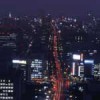
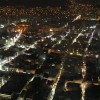
Kyoto is an ancient city of Japan that was planned based on feng shui, or Chinese divination. Although the streets of Kyoto are a typical gridiron pattern, unique spatial conditions derived from the machiya, or Japanese style townhouses, are found all over the city. All of these spatial features nestled into the city’s framework lead us to lighting environments only found in Kyoto. East of Kyoto, a frequented nightscape viewpoint, Shogunzuka looks out over the city. From this birds-eye view, street lights and other ground level lighting softly illuminate the volume of buildings in Kyoto, appearing as of more a cluster of shadows then light in the night. The Gion area of Kyoto. Here, traditional facades and buildings still exist and reflect the intention of the people to preserve and recreate the architectural and lighting atmosphere of this historical place. Instead of bright lights in this area, light is impressively filtered through cracks, crevices, or bamboo lattice of the buildings to spectacularly fulfill this area’s lighting requirements. Kyoto`s rich waterscape. Light from Pontocyo, along the Kamagawa River, filters out and reflects on the surface of the river, one of the many sophisticated nightlight waterscapes of Kyoto.          KYOTO: A Multitude of Autumn Colors (2010.11) Autumn colors decorate the City of Kyoto every year with special illumination displays during the season. Moss, dew and other delicate natural colors standout during the freshness of daylight, compared to the fascinating illumination of fall…

JAPAN

KOBE

More

Kobe, very similar to the port town of Yokohama, is full of great spaces for pedestrians, including, the main strip, Flower Road, many arcades, underground passages, and the Kobe Meriken Park. While most of the lights in this area are white mercury lamps, Kobe Port Tower glows a brilliant orange. Looking from Port Island across the bay towards the Kobe waterfront, Meriken Park and Harbor Park, both places of escape for Kobe residents, are clearly visible. Another great way to enjoy this view is to hop on one of the many night cruises for a tour of Kobe Bay. The stage for the Hanshin Tiger’s victory parade, Sannomiya Station and Flower Road in downtown Kobe, a very a pedestrian friendly area with wide sidewalks for pleasant strolling. From the Rokko Mt. observation deck, one cannot only view the lights of Kobe, but also its neighbor, Osaka, and on a really clear day, the Akashi Strait. Maya Mt. observation deck on the next ridge over, is a local spot, but also an incredible view of the Kobe nightscape.

AMERICAS

DALLAS・FORT WORTH

More

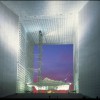
Dallas, the stage for the assassination of President Kennedy and Fort Worth, a city of culture that attracts architects and designers from around the world. However, both cities have to compete under the hot Texas sun, with most buildings fitted with walls of heat reflective glass. This building style leaves only the edge of buildings for accent lighting, which often reflects onto nearby buildings. From Reunion Tower, looking towards the glass skyscrapers in the west end of downtown Dallas. Strong accent light for other buildings is seen reflected in the facade. The interior of Louise Kahn’s Kimbell Art Museum, where his words “Light is the Theme” still echo. Natural light filters in through a slit opened at the top of the vault and reflects off of reflectors fitted into the architecture. The reflected light turns the vaulted ceilings brilliant silver. The Modern Art Museum of Fort Worth designed by Tadao Ando and completed in 2002. The main walls seen from the outside are lightly wall washed without intruding on the art pieces and exhibition space. The outer perimeter of the building reflects clear design intent in the careful composition of high-quality light. In the evening, reflections on the surface of the surrounding pond present another angle to this building.

JAPAN

YOKOHAMA

More

Compared to many cities, Yokohama is a relatively open city. Even with large high-raise buildings close-by you don’t feel enclosed and the added factor of a waterfront can help make anyone feel refreshed. The continually changing point of view from the Cosmos World Ferris wheel is a great way to observe the city. The Landmark Tower is often thought of as the symbol of Yokohama, but the Cosmos World Ferris Wheel could be the runner-up. In the dark night sky the Ferris wheel draws a perfectly beautiful circle of transparent layers of light, adding a deep appeal to the Yokohama nightscape. Looking south from the top of the Yokohama Cosmos World Ferris wheel. The illuminated Red Brick Warehouse expresses its self beautifully as it blends with the surroundings area and the blue twilight settling in on the Yokohama Bay. Ohsanbashi Pier and Yamashita Wharf complete the background. Looking from the vicinity of Yokohama Customs towards the Landmark Tower. In this newly developed area space is comparatively open. With only a few high-raise buildings, and reflection on the water the city seems bigger than it really is.

JAPAN

NAGASAKI

More

Nagasaki is said to be a melting pot of cultures and people, this also describes its city lighting plan. The city is rainbow colored, with streetlights illuminating white light one moment, orange the next, and green the next from all different types of poles and light fixtures. Lighting is predominantly for street surfaces, but another feature of the Nagasaki nightscape is the illumination of many historical buildings including churches, bridges, and the old trading post. Formed in the hills sloping towards Nagasaki bay, the City of Nagasaki as seen from Mt. Inasa. The faint lights dotting the hills are the many lanterns along the numerous stairways and slopes leading up the hillside. A hot nightspot along Nagasaki bay, Nagasaki Dejima Wharf attracts many after hour visitors looking for a late dinner or drink. The cool breeze from the bay and warm light from the many outdoor restaurants provide a relaxing atmosphere on hot summer nights. The network of cars, streetcars, and pedestrians connect at the busy intersection of Tsukimachi Avenue and Kanko Avenue in downtown Nagasaki. But, as the shops close and the city shutsdown for the night, streetlights specific for road surfaces are the main light source remaining.

AMERICAS

NEW YORK 2005

More

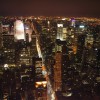
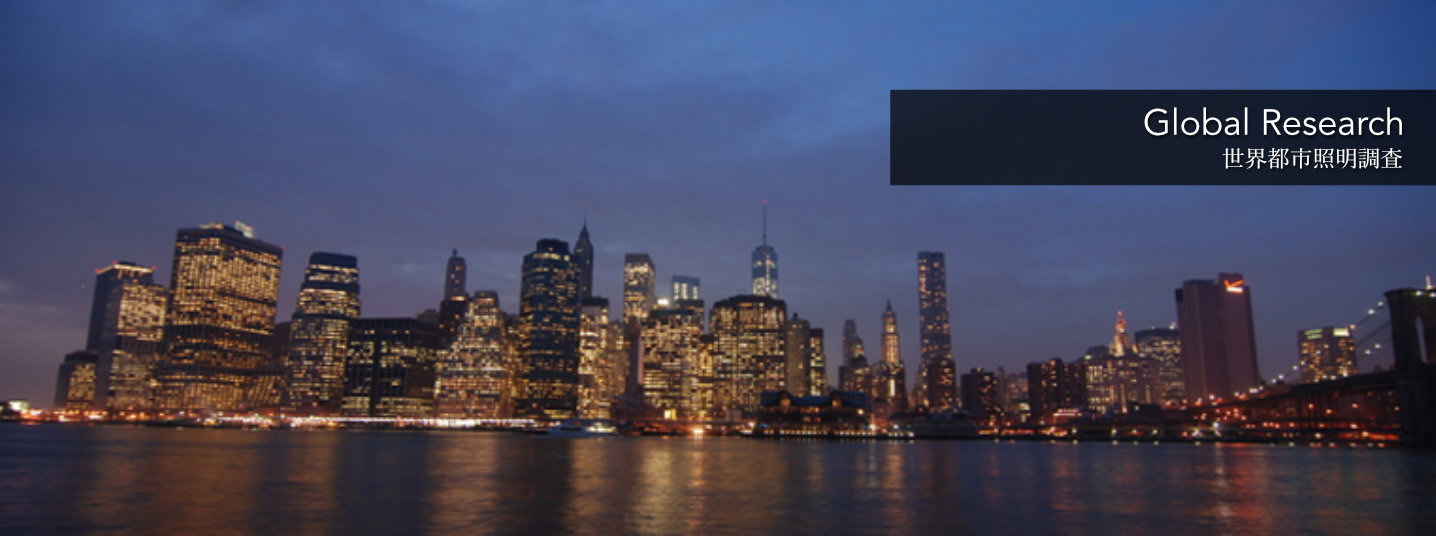
Manhattan is a sleepless city of luminous spectacles, a city everyone dreamed of in the 20th century could have imagined. The energy of the people is transformed into the bright lights of the nightscape, as lights dot the skyscrapers all day and night. The beauty nightscape at New York City is best seen in its skyline from across the river. Looking down on Manhattan from the Empire State Building at dusk. The Streets and Avenues present a rock-solid, ridged foundation. The RCA Building glows a bright white, Fifth Avenue is a yellowish-gold, and the point of the Chrysler building can be seen. Walls of light surround Times Square with the latest technology incorporated into the different interactive lights. The Empire State Building, a well-established icon in the Manhattan skyline with a 360°view from the top.

JAPAN

FUKUOKA

More

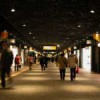
While the streetscape and lighting environment are very individualistic, an overall unity exists throughout Fukuoka. Throughout the city, a skilled balance between lighting for public and private areas is implemented. The lighting in the underground shopping center of Tenjin is composed of intense incandescent lamps, creating a unique atmosphere of warm light for shoppers. The neon lights of the Nakasu District reflect in the Naka River creating a dramatic perspective image of the streetscape. The street vendors are a place for people to relax and a trap for tourists, but they also create a unique nightscape in the city.

AMERICAS

CHICAGO 1995

More

Orange lights brighten the plains and continue on towards the horizon, creating the Chicago nightscape. Notorious for cold winds, the Chicago nightscape was unified early on with high-pressure sodium streetlights. For crime prevention, the amount of light slowly increased with each passing decade, but outdoor lighting technology in Chicago is considered very progressive. Orange axes of light extend toward the horizon. High pressure sodium streetlamps are used beautifully throughout the citystreets of Chicago. The highmast lighting pole at the base of the John Hancock building is functional and glareless. Highly efficient streetlights illuminate State Street, creating a unified environment.