2016.10.16-10.23 Isao Nemoto + Kouki Iwanaga
Paris, France, surveyed for the first time in about 12 years, is a tourist city that boasts the highest number of annual foreign tourists in the world. We investigated how its cityscape, which preserves many historical buildings, maintains its charm alongside evolving lighting technologies.
Meanwhile, London, UK—a metropolis in a tumultuous country that had just decided to exit the EU. We surveyed how the night is colored along the continuously developing Thames River and in the grand city where historical structures and cutting-edge architecture stand side by side.
PARIS
Paris, the capital of France, is one of the world’s leading metropolises and a renowned tourist destination that draws millions of visitors each year. It is filled with captivating attractions, including historical landmarks, grand art museums, luxury brand boutiques, and world-class restaurants. Known as the “City of Light,” we explore what kind of illumination Paris wears to continuously fascinate people from around the globe.
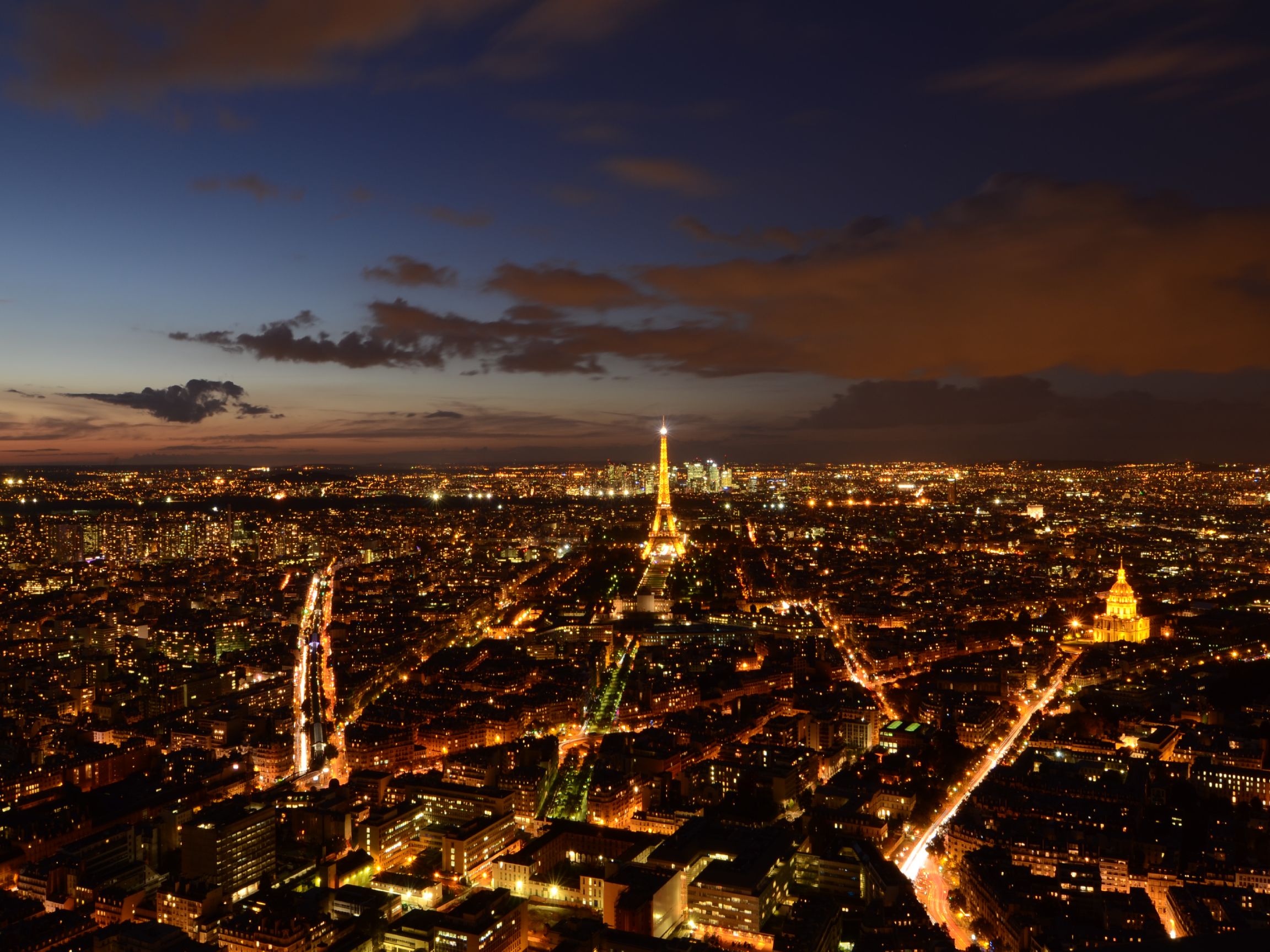
The nightscape of Paris viewed from the Montparnasse Tower
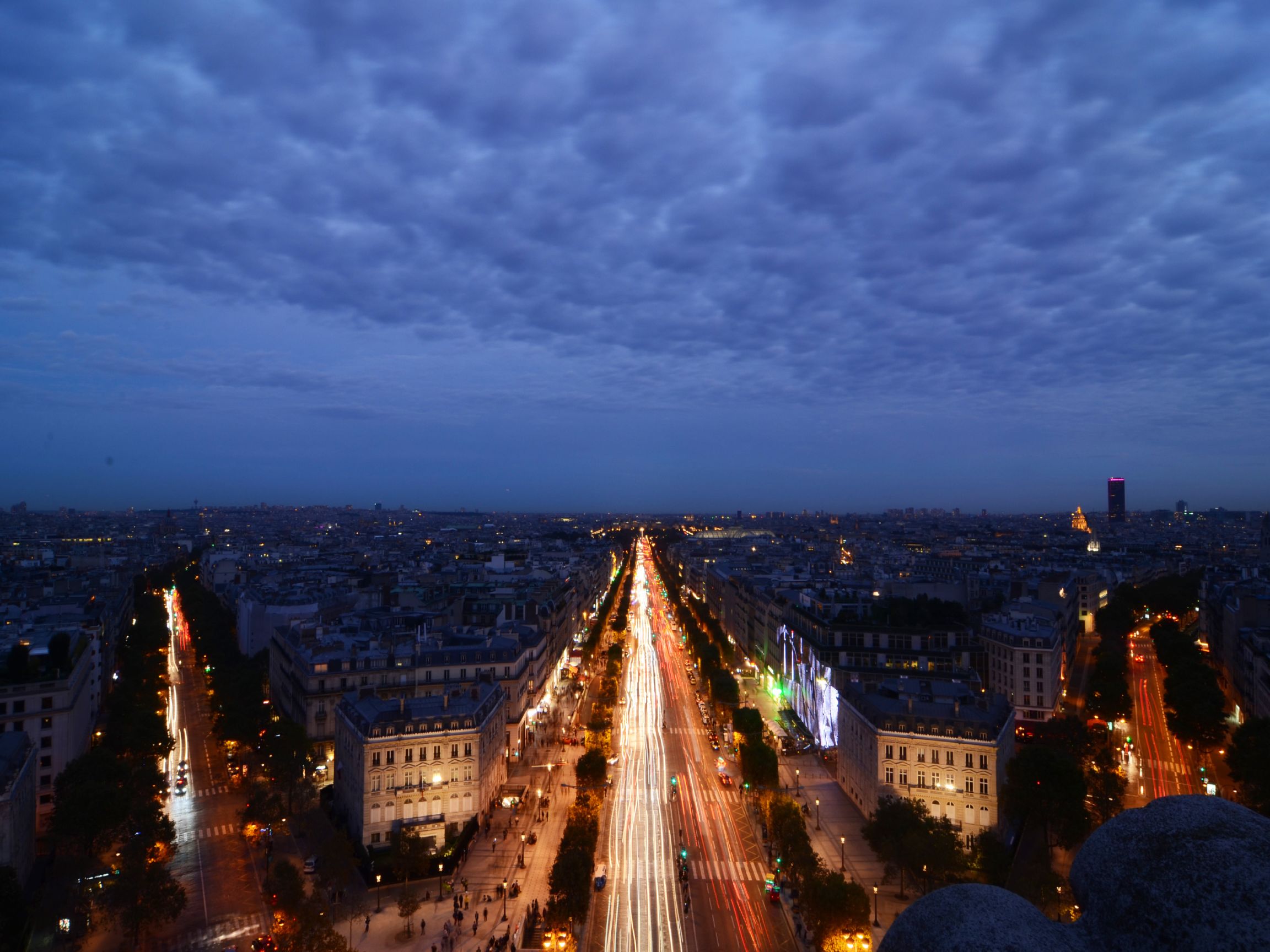 The Champs-Élysées viewed from the rooftop of the Arc de Triomphe
  Cross-section diagram of the Champs-Élysées
■The Arc de Triomphe and the Champs-Élysées
From the rooftop of the 50-meter-high Arc de Triomphe, one can enjoy a 360-degree panoramic view of Paris, with 12 avenues radiating outwards from this focal point. This layout is a result of the 19th-century “Haussmann’s Renovation of Paris” led by Georges-Eugène Haussmann, the Prefect of the Seine. Looking toward the east, the Champs-Élysées, often called “the most beautiful avenue in the world,” stretches out into the distance.
The Champs-Élysées spans approximately 2 kilometers from Place Charles de Gaulle to Place de la Concorde and is a bustling boulevard crowded with locals and tourists. This avenue is about 70 meters wide, consisting of a four-lane roadway in each direction and two pedestrian spaces. The street lighting featured 10-meter-high fixtures to illuminate both the roadway and walkways, paired with 4-meter-high fixtures dedicated to the sidewalks. The pedestrian streetlights utilized LEDs and were arranged in a staggered pattern, effectively preventing severe dark spots on the ground.
Additionally, both sides of the avenue are lined with buildings of uniform height, with the ground floors serving as storefronts. The ground illuminance in the pedestrian zones was 80 lux directly beneath the pole lights and 25 lux between them, with a color temperature ranging from 1900K to 2300K. In front of the shops, the light level was a comfortable 100 lux (3000K), allowing each store to elegantly express its unique character while further enlivening the atmosphere of this grand avenue.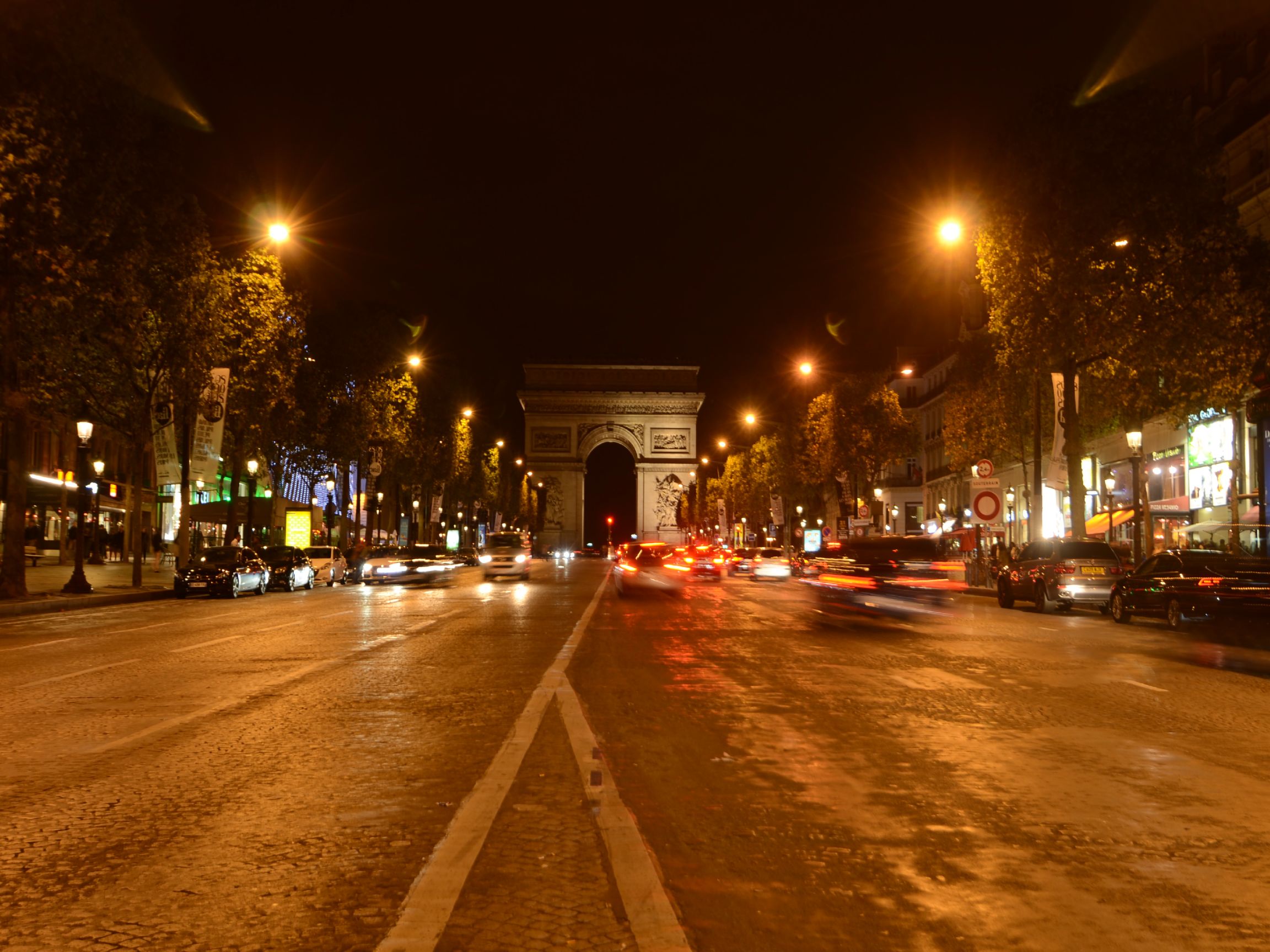
Looking toward the Arc de Triomphe from the center of the Champs-Élysées. There were no hanging signs, and there were hardly any stores with flashy neon signs.
■The Symbol of Paris: The Eiffel Tower
Built for the 1889 Paris Exposition, the Eiffel Tower has become the iconic landmark of Paris. Its iron latticework is painted in a custom shade known as “Eiffel Tower Brown,” using three different tones that progress from darker at the bottom to lighter at the top. Perhaps because of this subdued palette, it blends harmoniously into the calm Parisian cityscape by day, but by night, it radiates a powerful presence.
The standard illumination bathes the tower in a warm, amber glow from light bulbs. This warm light casts a natural gradient that softens as it reaches higher up the structure. Rather than aiming for uniform brightness, this deliberate play of light and shadow felt distinctively Parisian and was exceptionally beautiful.
Additionally, for the first five minutes of every hour, a sparkling display known as the “Diamond Flash” takes place, featuring 20,000 LEDs flashing frantically in a brilliant white. This is a rare, extravagant style of show lighting for the otherwise reserved city of Paris, turning the elegant and tranquil Parisian night into an exciting, shimmering spectacle for just five minutes.
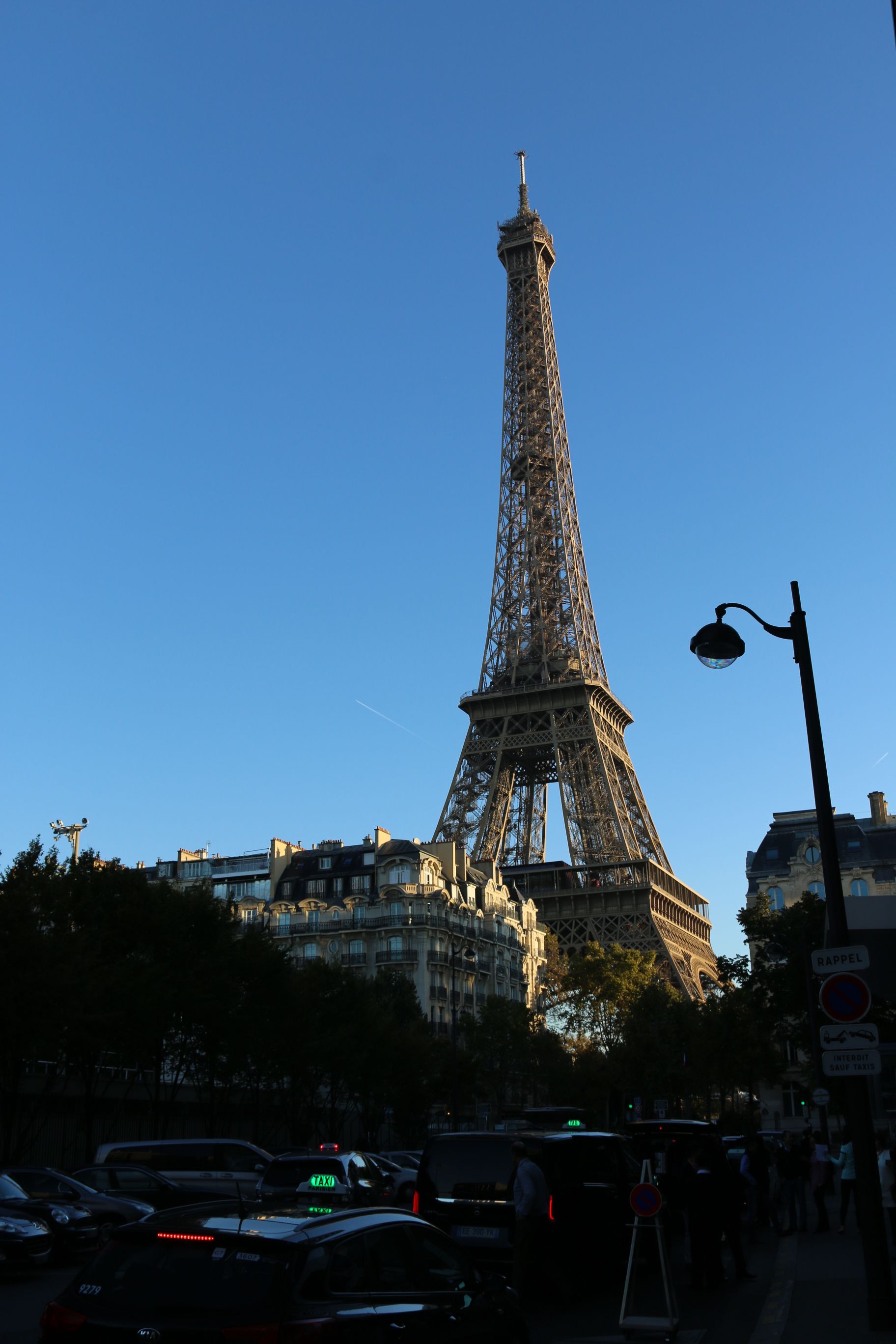 The Eiffel Tower by day
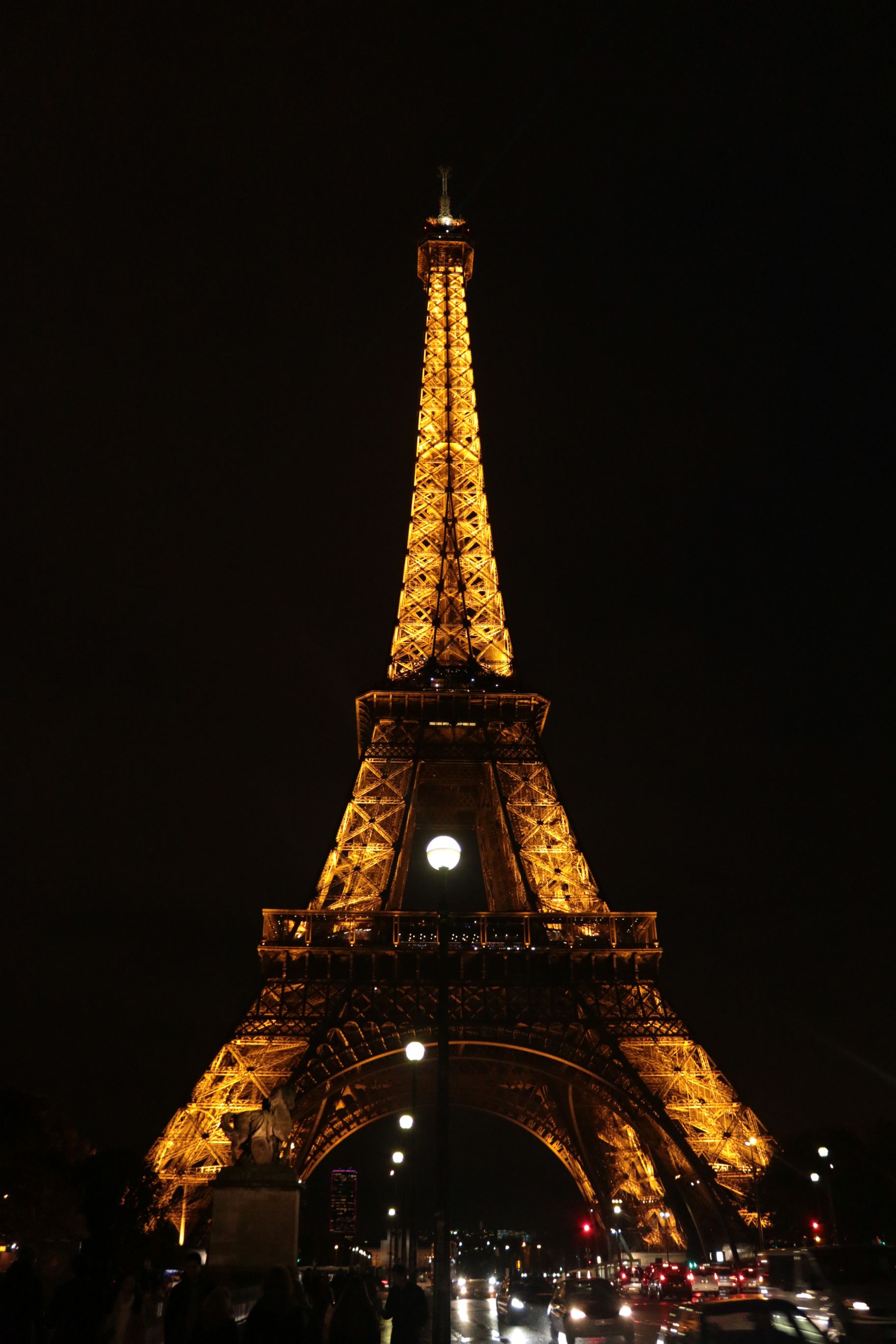 The Eiffel Tower by night
■Modern Architecture: The Montparnasse Tower
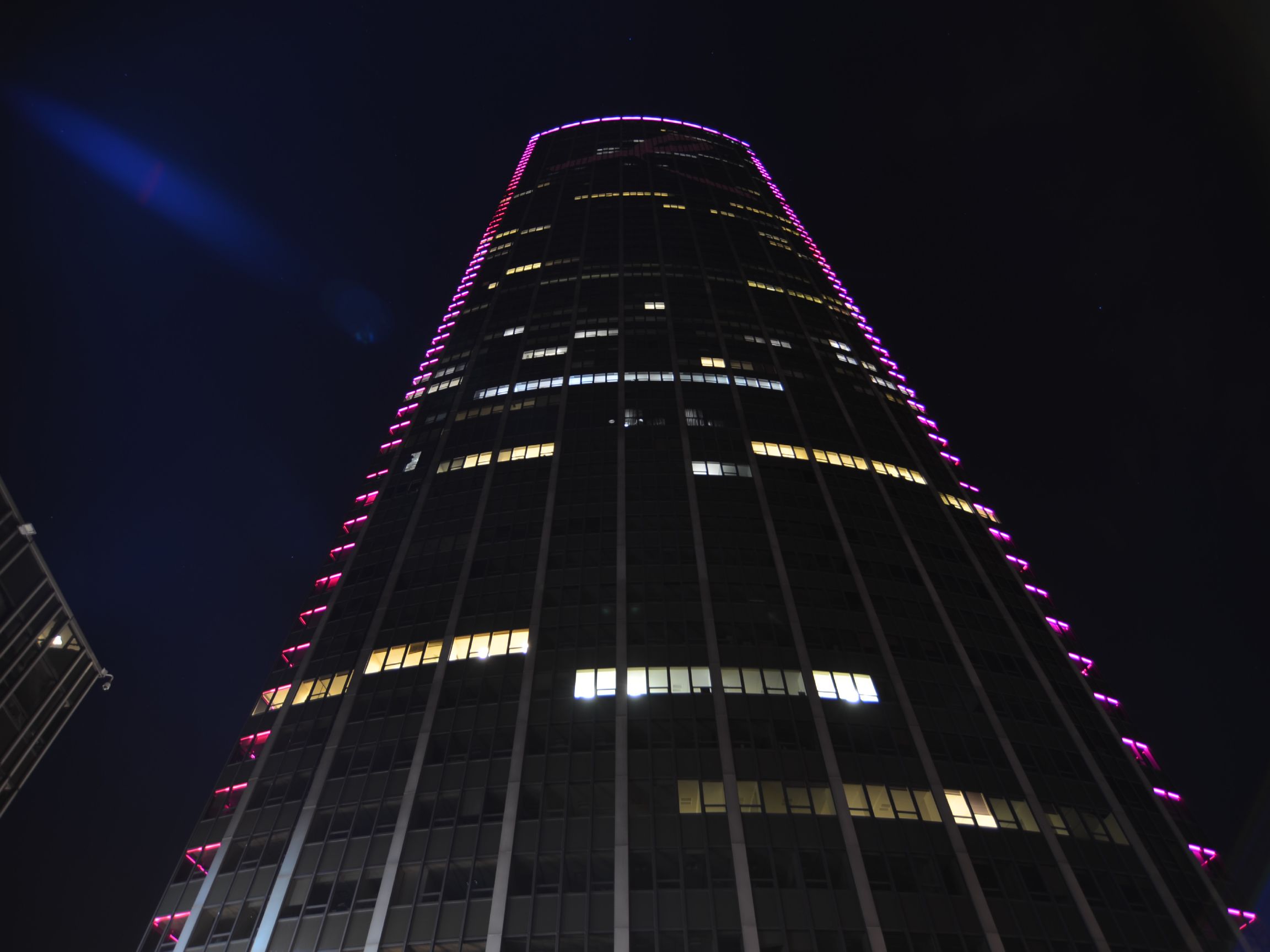
Built in 1972 on the site of the former Montparnasse Station, this 59-story building stands at a height of 210 meters, making it the tallest skyscraper in France. However, it sparked intense landscape controversies, with many arguing that such a tall structure ruins the historic cityscape of Paris. While the tower admittedly stands out in a way that feels incompatible with the surrounding traditional architecture, its observation deck offers a complete panoramic view of Paris—a spectacular vantage point from which landmarks like the Eiffel Tower, the Louvre Museum, and Notre-Dame Cathedral can all be seen.
Gazing at the Parisian nightscape from here, it’s easily noticeable that the vast majority of the city glows in a warm orange hue. This uniform coloration is likely one of the key factors that creates the calm, inviting atmosphere characteristic of Paris.
■Active Daylight Utilization and the Shift to LED Light Sources
While surveying the streets of Paris, we noticed that many spaces actively utilize daylight. At both the Musée d’Orsay and the Louvre Museum, skylights are integrated not only in the entrance halls but also throughout the exhibition galleries, combining natural daylight with artificial lighting. At Galeries Lafayette Paris Haussmann, one of the largest department stores in Europe, daylight is drawn into the atrium from above through a magnificent Art Nouveau glass dome. Furthermore, the downlights installed across the retail floors have already been converted to LEDs. As for streetlights, while we observed that light sources were being replaced with LEDs in various locations, the traditional, historic designs of the fixtures themselves were preserved and kept intact in most cases.
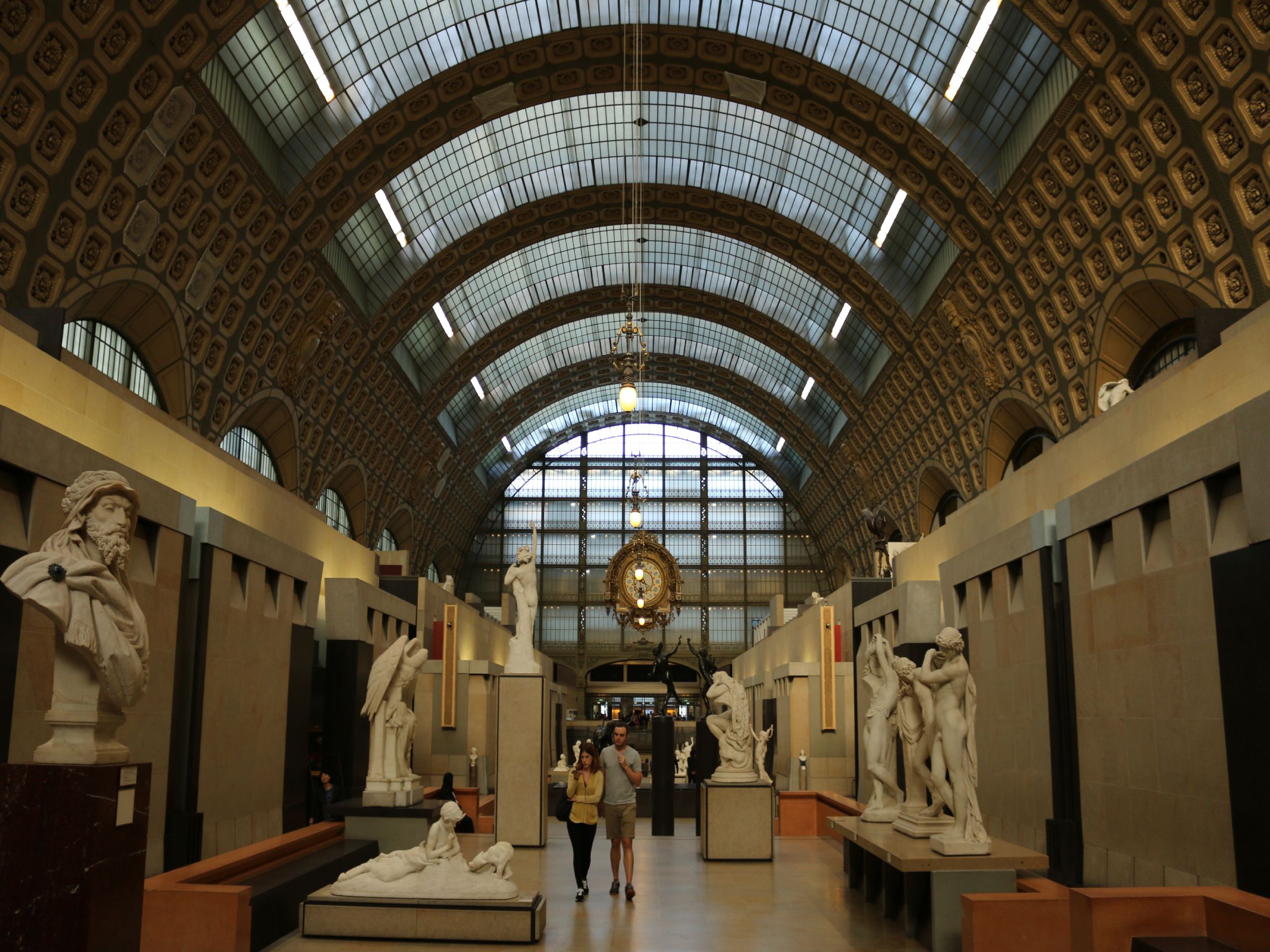 Musée d’Orsay, featuring a large top-light.
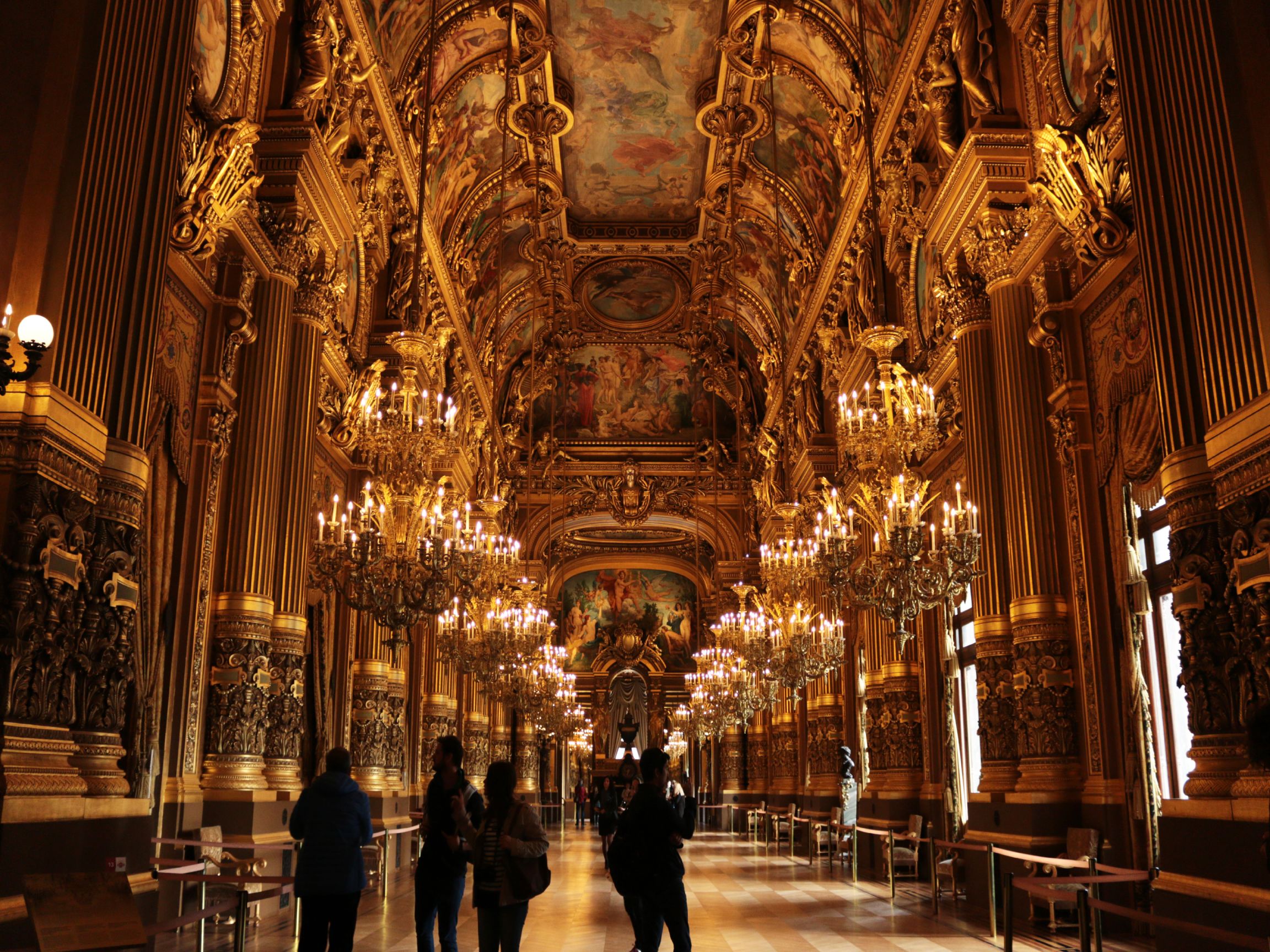 The Palais Garnier, illuminated by an LED chandelier.
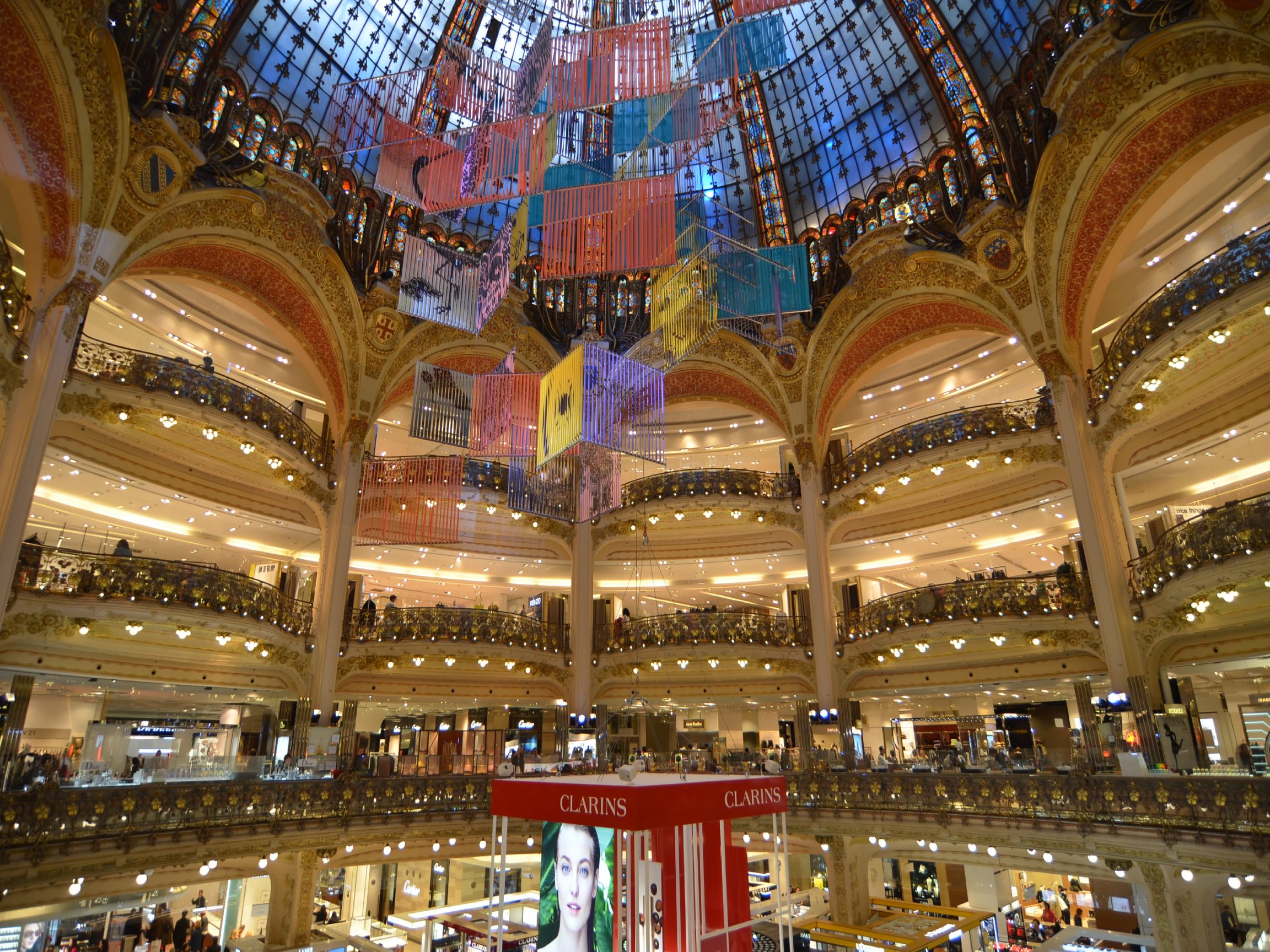 Galeries Lafayette Paris, one of Europe’s largest department stores.
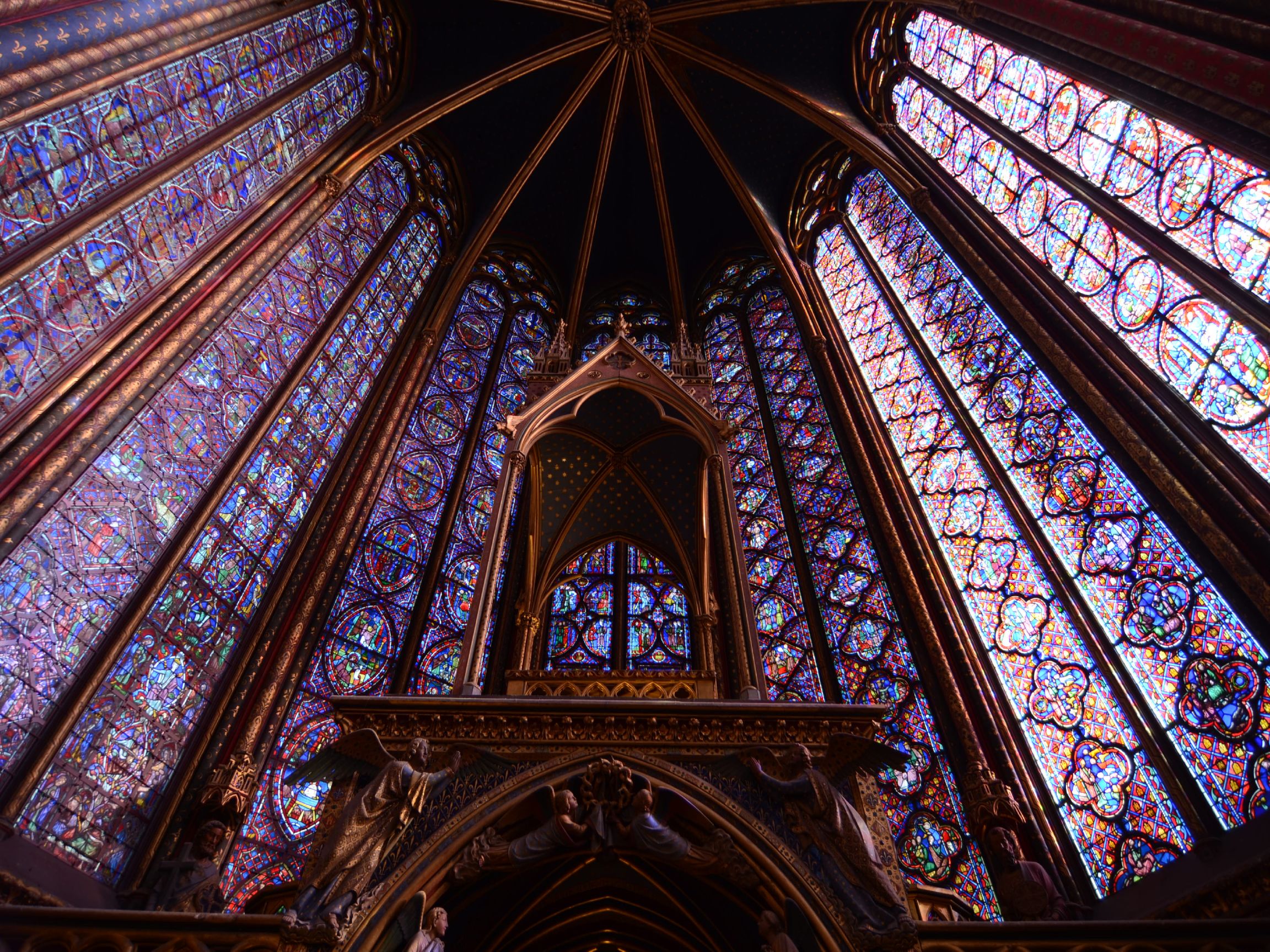 The Sainte-Chapelle, adorned with exquisite stained glass.
■The Future of Parisian Illumination
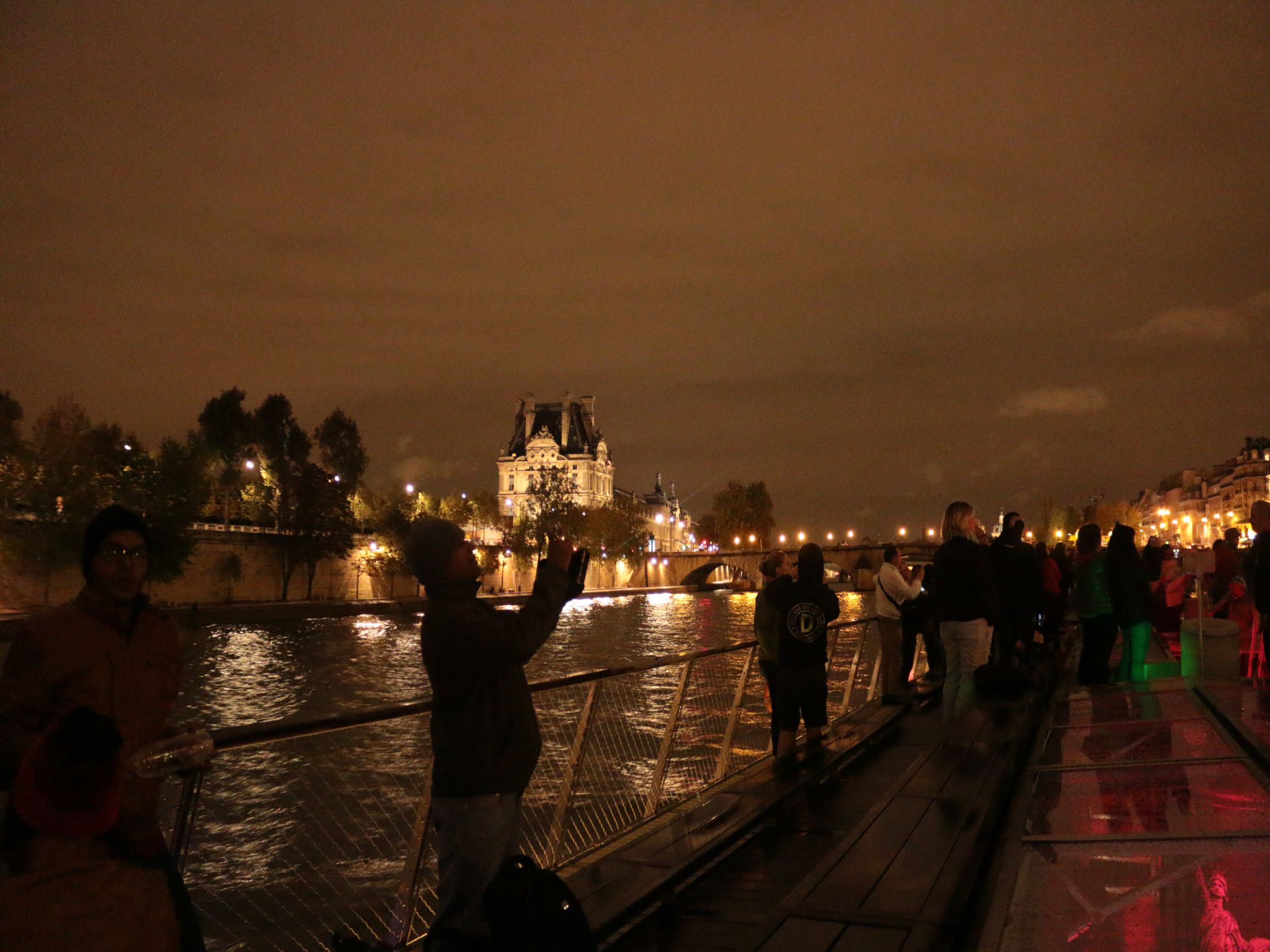 Gazing at the riverbanks from a boat cruising along the Seine
The diverse, programmed LED show lighting on the Eiffel Tower during special events. The control technologies that maintain consistent illuminance and color temperatures to faithfully reproduce the true colors of paintings in exhibition galleries. The decorative streetlights where energy-efficient LED light sources are being introduced while fully preserving their traditional, historic designs.
As these examples demonstrate, I felt that Paris will continue to skillfully embrace advancements in lighting technology while ensuring their distinct aesthetic sense remains uncompromised, thereby maintaining its captivating status as the “City of Light.” (Isao Nemoto)
LONDON
London is a leading global city that wields strong influence across a wide range of fields, including art, entertainment, fashion, and media, and stands alongside New York as a premier global financial center. As a result, people with diverse purposes converge on London, making it the world’s most visited city and the city with the highest volume of aviation passenger traffic in the world. Beyond tourism, it possesses many faces, including business and lifestyle. We investigated what kind of illumination composes the nightscape of this metropolis, woven together by historical landmarks and contemporary architectural clusters.
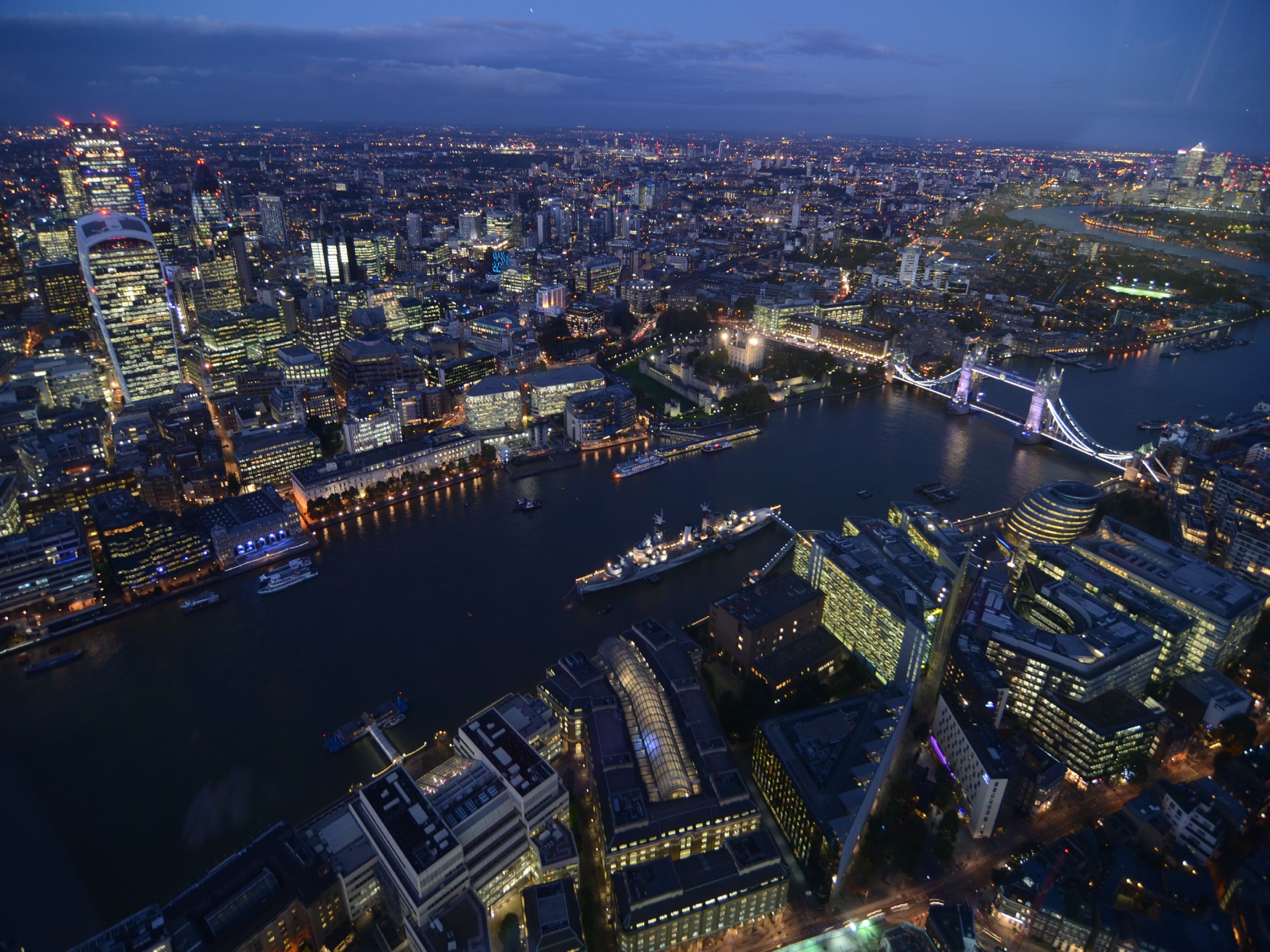
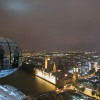
The nightscape of London viewed from the observation deck of The Shard
■Viewing London’s Light from High Above
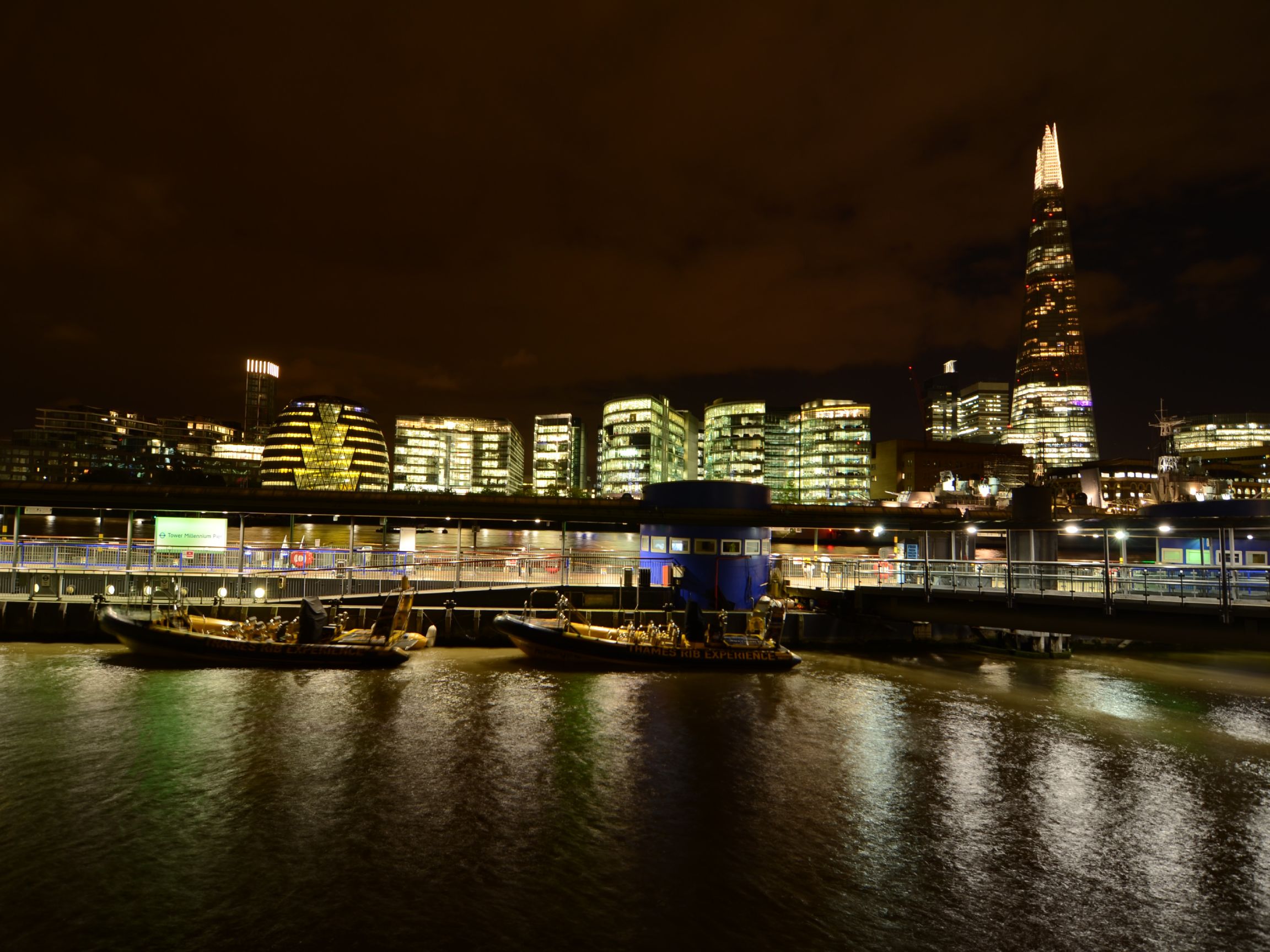 The London City Hall and The Shard across the Thames
When looking out over the London cityscape from the observation deck of “The Shard”—the tallest building in the EU designed by Renzo Piano—one can see that the vast majority of the landscape is dominated by office building illumination with a color temperature of 3500K to 4000K. Weaving through those window lights, high-pressure sodium streetlights with a color temperature of approximately 2000K cast their glow at regular intervals. While the tops of the skyscrapers are dotted with red aviation obstruction lights, color changing lights also assert their presence as a distinct visual element here and there. While the area surrounding The Shard observation deck is primarily an office district, a broader takeaway is that London’s regions possess clearly defined characteristics, with each quarter featuring its own tailored lighting scheme.
■Viewing London’s Light from Eye Level
Exploring the main landmarks that compose London’s nightscape along the Thames River allows one to see the concrete expressions of the distinct lighting characteristics mentioned earlier. The Palace of Westminster and Big Ben are among London’s most iconic vistas, yet these two structures are illuminated by entirely different light sources: the Palace of Westminster utilizes LEDs, while Big Ben is lit by sodium lamps. Even at the Tower of London, a designated World Heritage Site, the outer walls and the battlements are uniformly illuminated using different light sources, which unfortunately diminished the profound sense of dignity unique to such a historic structure. Tower Bridge, a bascule bridge with roughly 120 years of history, was also vividly colored—perhaps a lingering legacy from the Olympics—giving it an atmosphere reminiscent of a theme park attraction.
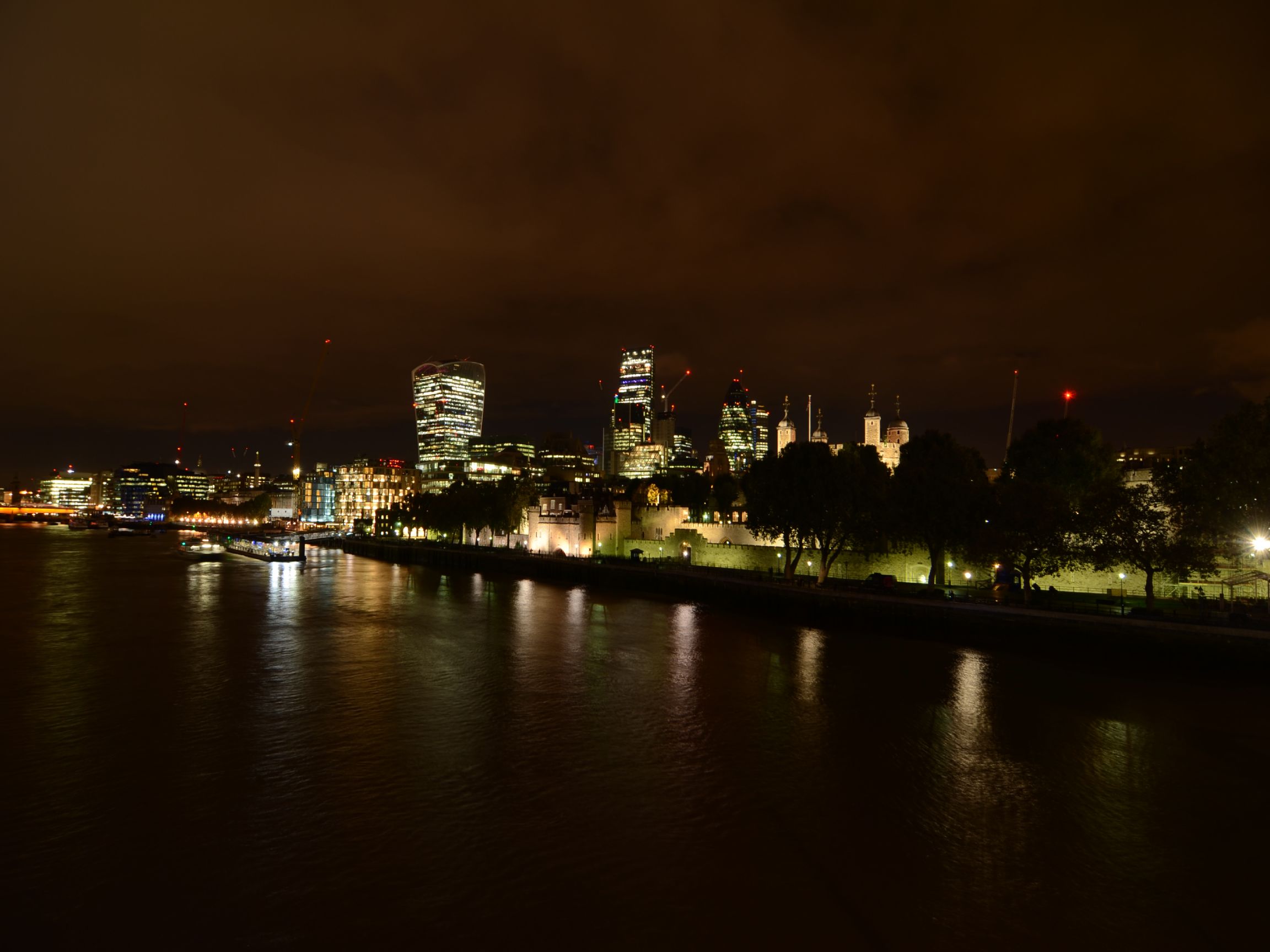 The Tower of London illuminated by two different types of light sources
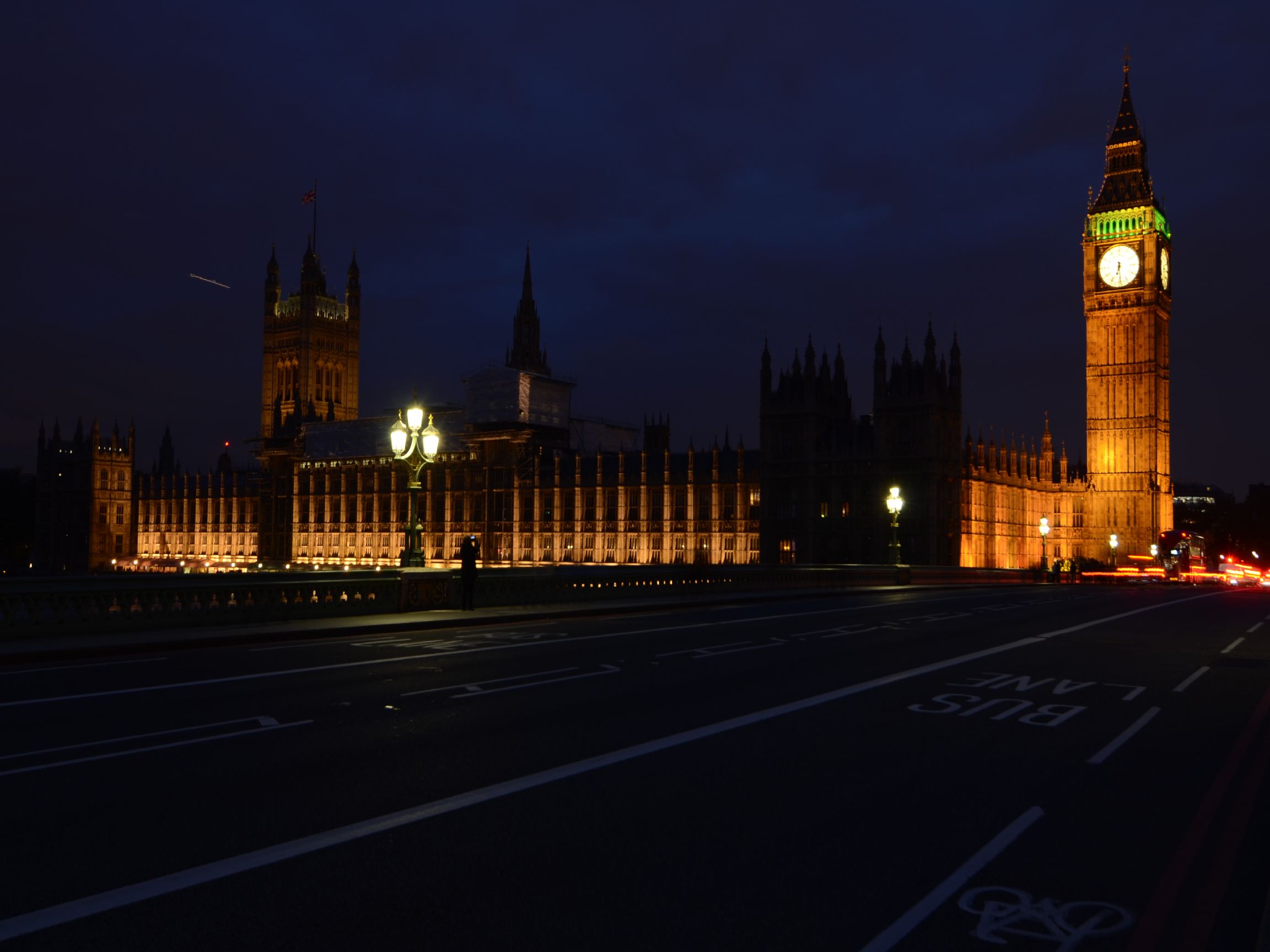 he Palace of Westminster and Big Ben. Tower Bridge adorned with color lighting
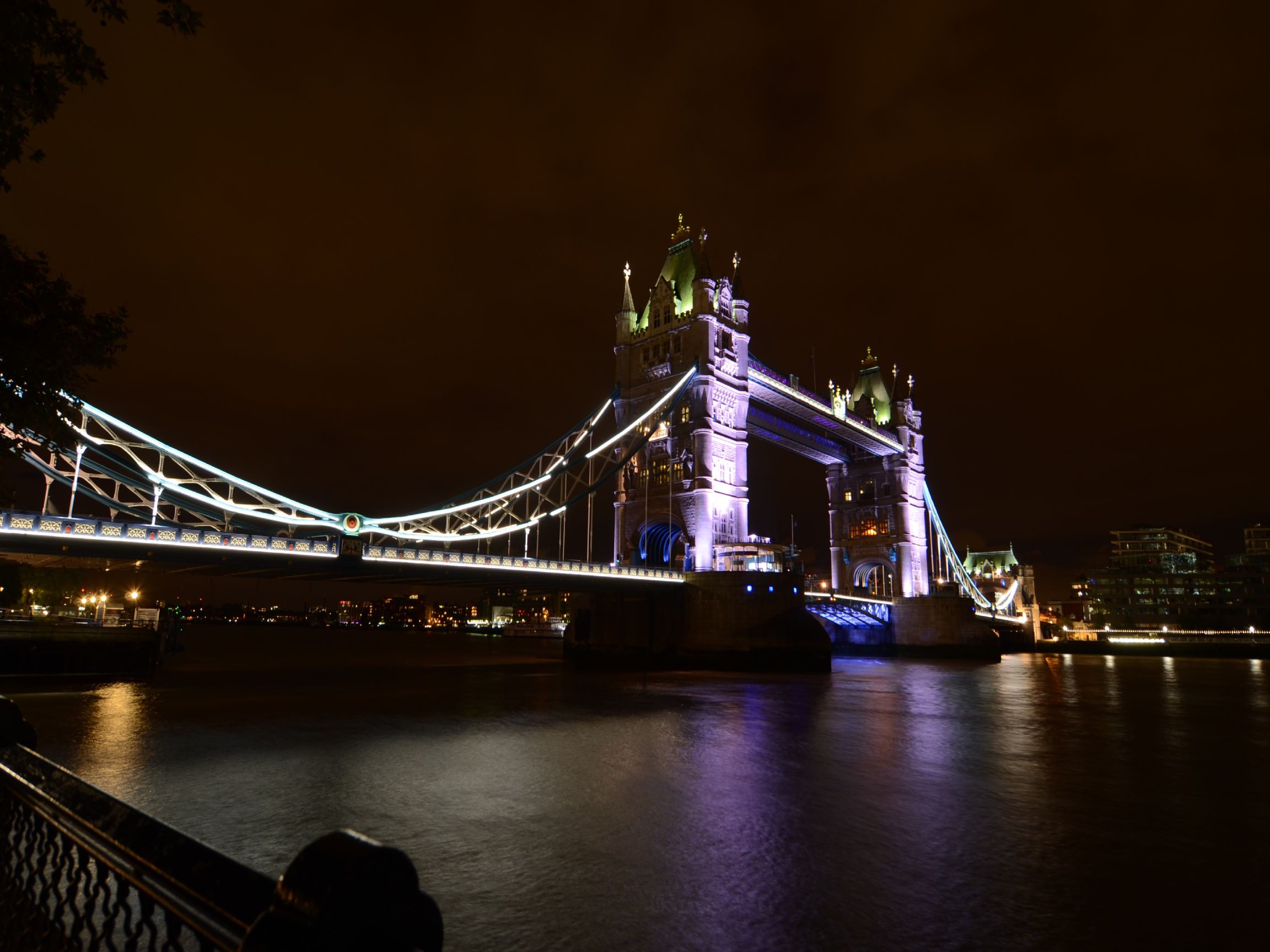 Tower Bridge lit up in colorful lights.
■A Commercial District of Coexisting Chaos and Order
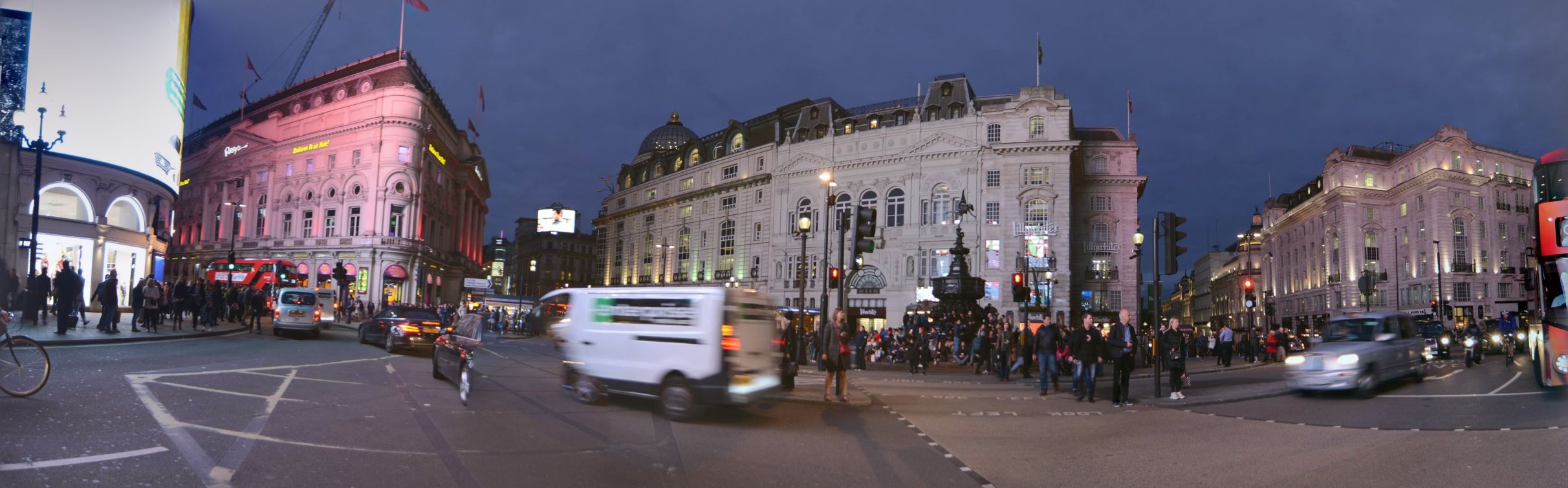
Piccadilly Circus washed in the glow of street-level digital displays
Moving toward “Piccadilly Circus,” the heart of the commercial district, the scene shifts completely from the office areas, revealing yet another new facet of London. Advertisements that once relied on neon signs and incandescent bulbs have now been replaced by massive LED screens, even washing the facades of historical landmarks like the London Pavilion and the Criterion Theatre in their glow. When we measured the ground-level illuminance directly beneath the Shaftesbury Memorial Fountain at the center of Piccadilly Circus during the LED screens’ brightest moment, it recorded 56.6 lux. This lighting environment—composed of giant LED billboards changing expressions by the second, crowds of people bustled past, and the headlights of London buses caught in traffic jams —is chaotic, and it is perhaps this ever-shifting character that fills visitors with a sense of excitement.
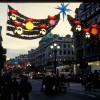
However, stepping away from Piccadilly Circus into Regent Street, a world-famous shopping avenue, one encounters a sleek, elegant space with orderly lighting that stands in stark contrast to the chaos. On Regent Street, the uplights from the third-floor facades of the buildings—which are part of the British Crown Estate—and the linear lights on the upper floors cast a continuous, beautiful arc of light, while the lower floors are lined with displays from long-established fashion brands and jewelers to the Royal Warrant holders, each showcasing its own unique aesthetic. What was truly remarkable was how the lighting environment was built primarily around the brightness of these vertical surfaces, including the shop windows, combined with localized ground illumination and streetlights that were operated only at intersections. Though the pavement was unevenly lit by light spill from the shops and reflections off the vertical surfaces, it did not feel dark, and an illuminance of 23.0 lux was recorded at the center of the sidewalk. The disciplined lighting environment achieved through unified property and land management is likely what makes this dynamic vista possible.
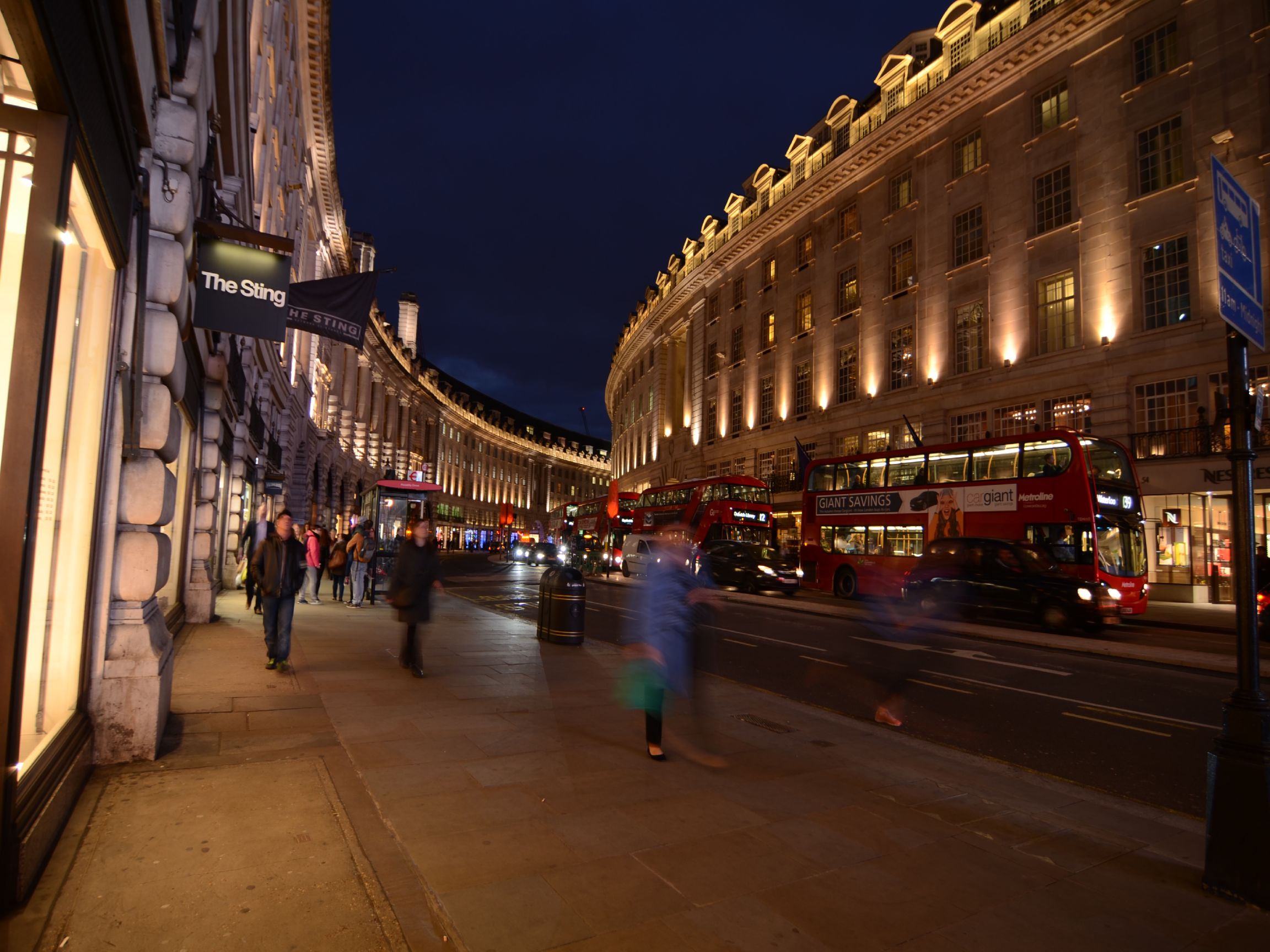 Regent Street, where no lights are turned on except for the streetlights installed at the intersections
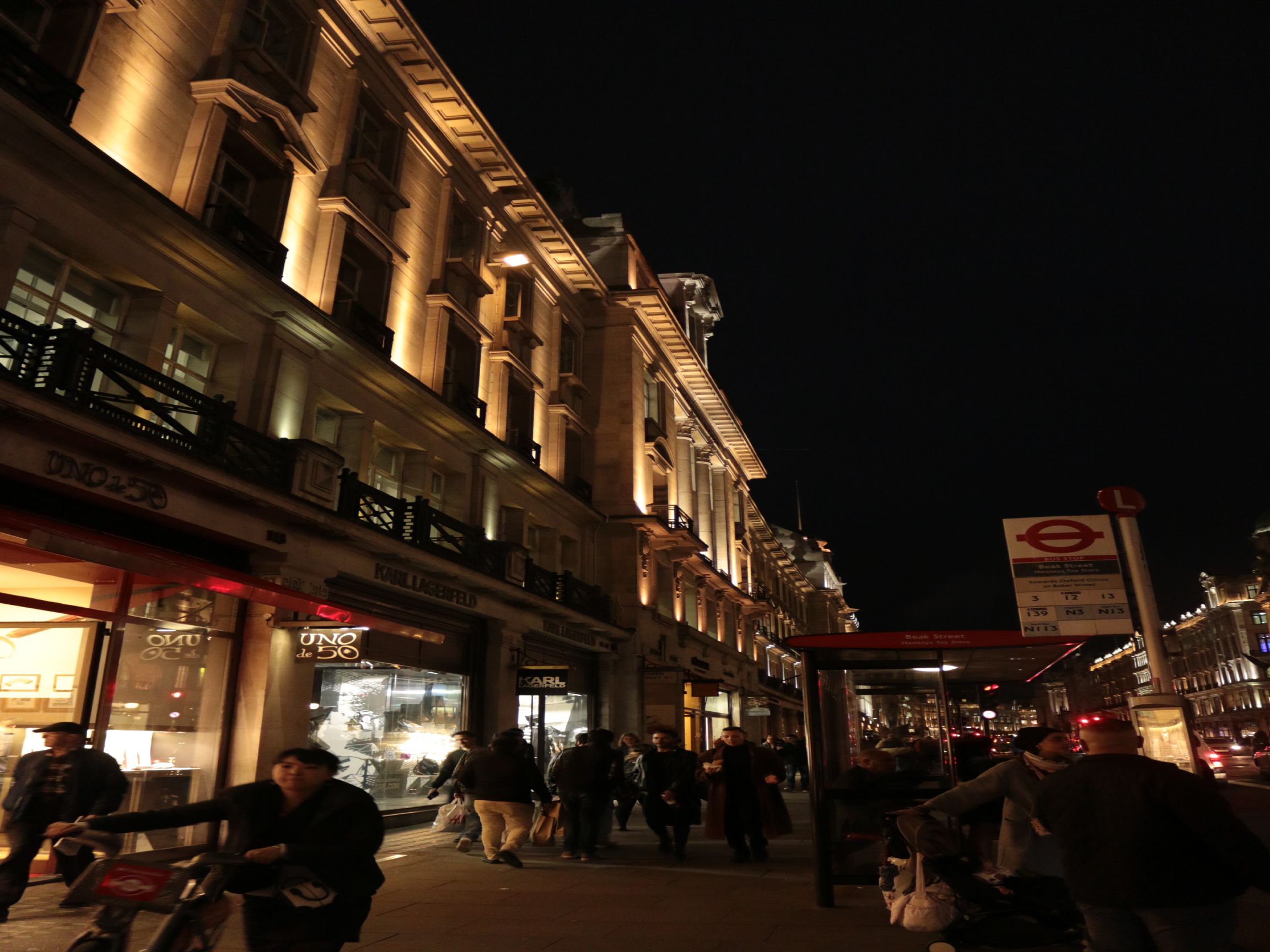 Regent Street: An unilluminated bus stop sign
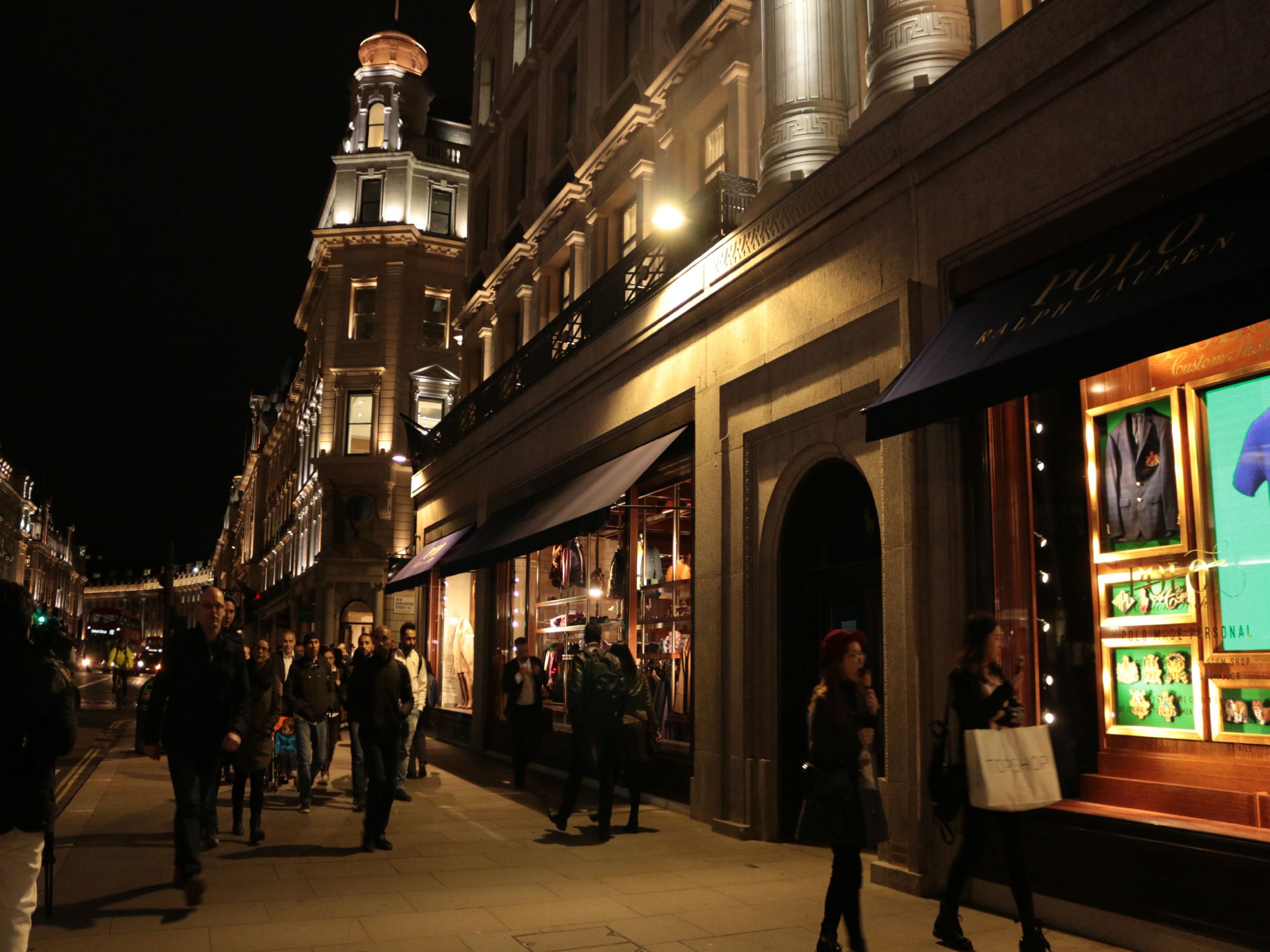 Regent Street: The bare minimum illumination for the ground surface
■London’s Lighting Environment
My initial concern—that the city center would be brilliantly illuminated due to strict illuminance regulations typical of a metropolis—turned out to be completely unfounded. In fact, during this survey, the locations where the lux meter was so dark that it displayed “out of range” (unable to measure) were on Tower Bridge, on the Millennium Bridge, and at the edge of London Bridge. It was not that these measurement points lacked lighting fixtures entirely; rather, they simply felt dimly lit. However, it is certain that partly because of this subdued approach, the streets and architecture of London stood out with greater clarity. London is a city of many faces, where the lighting environment responds dynamically to the unique character of each district. I look forward to seeing yet another new side of the city emerge through future developments. (Koki Iwanaga)
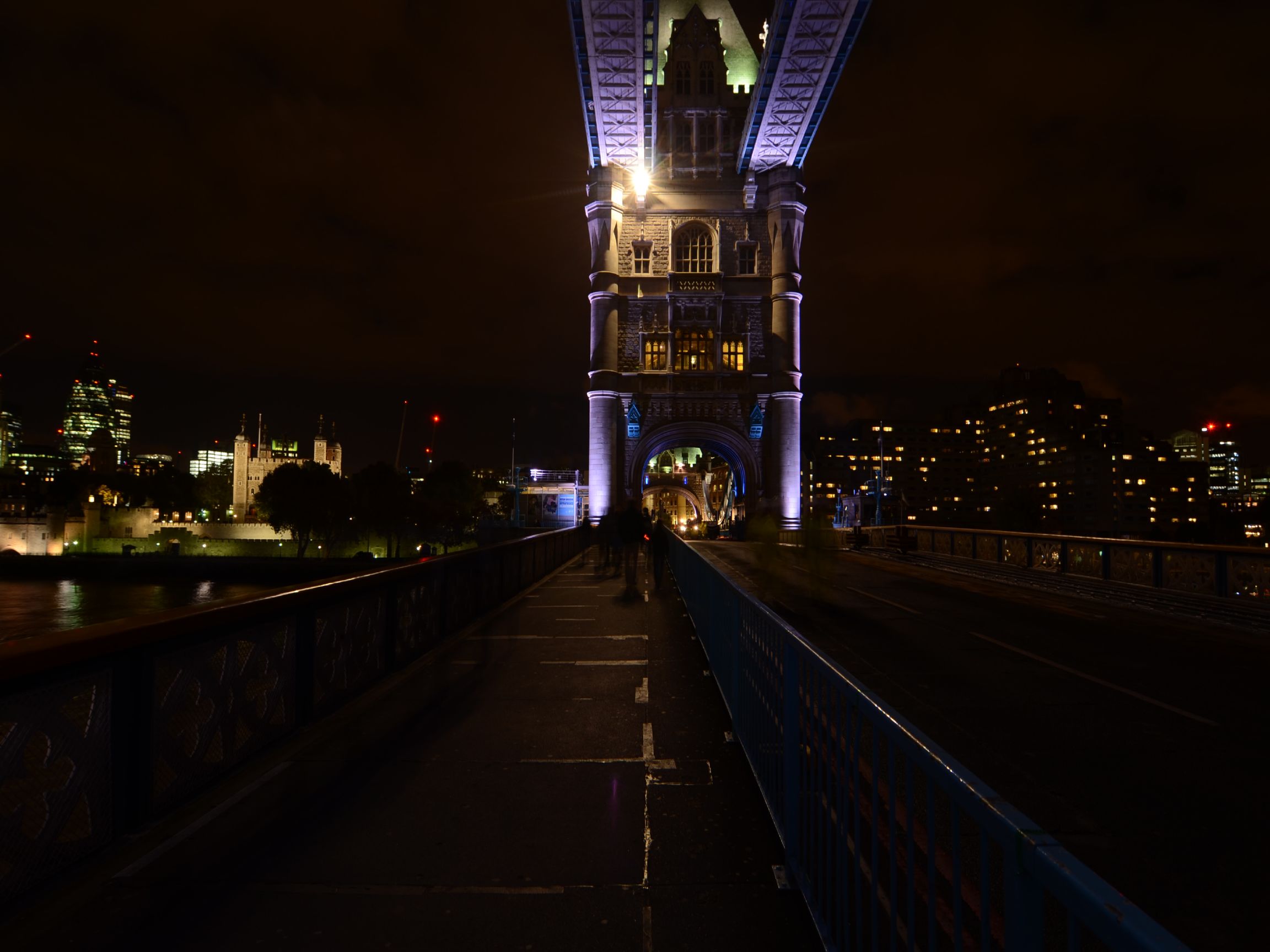 Tower Bridge’s deck lit by a single floodlight
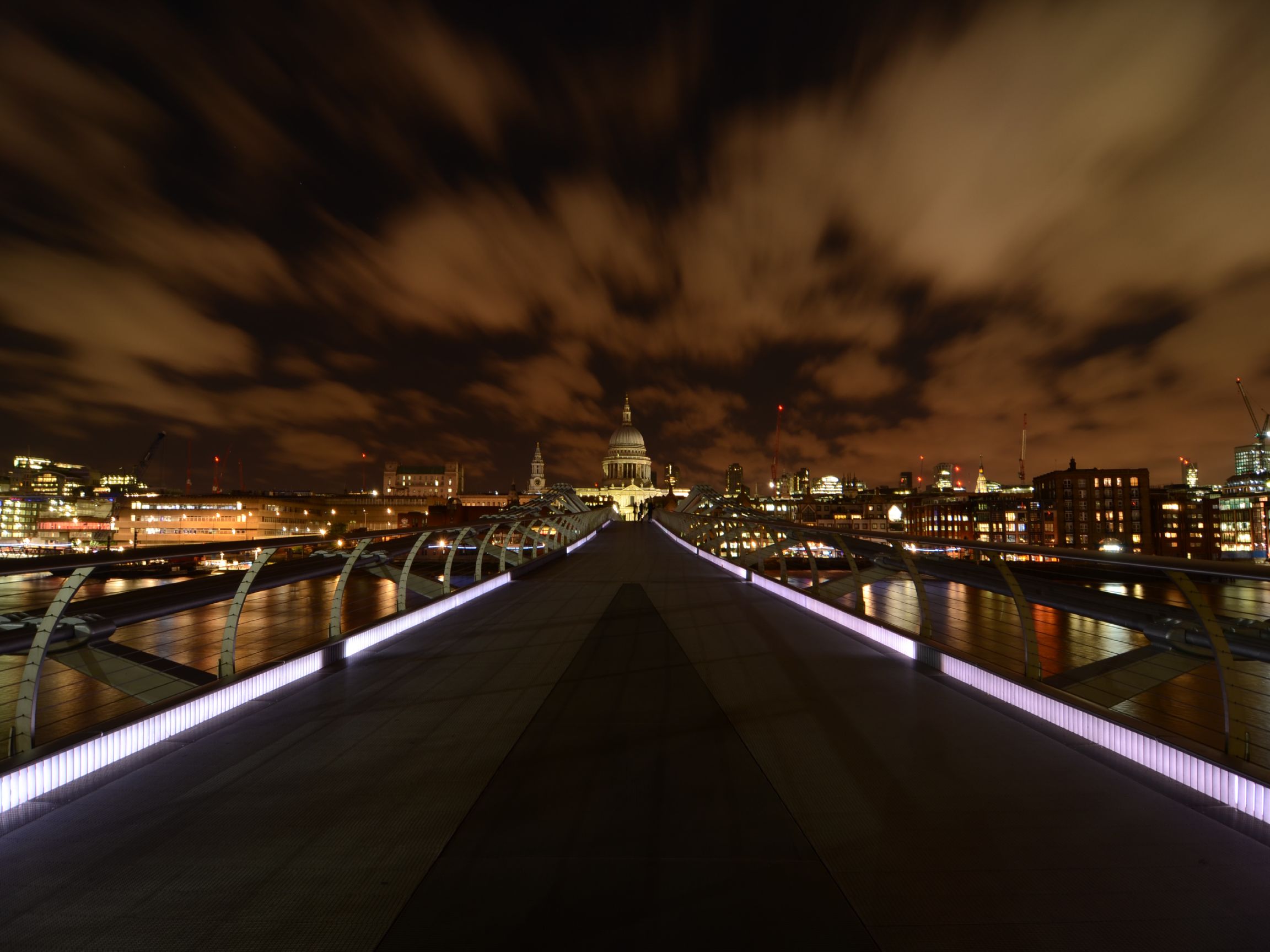 The Millennium Bridge framed by low-brightness indirect lighting