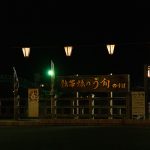
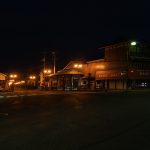
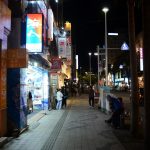
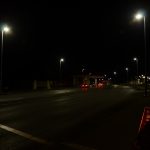
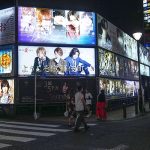
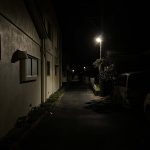
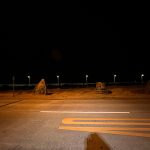
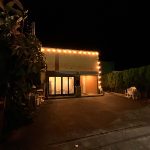
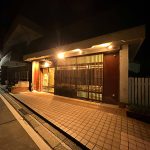
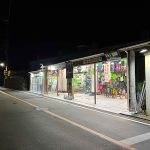
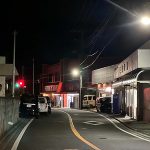
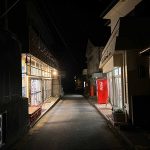
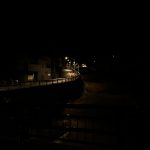
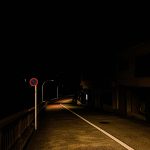
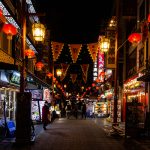
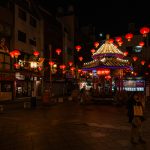
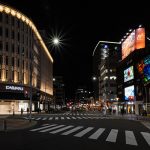
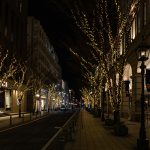
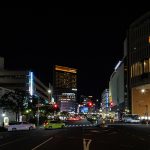
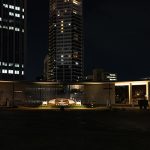
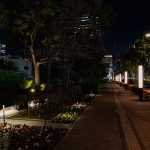
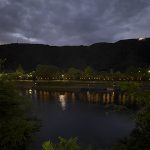
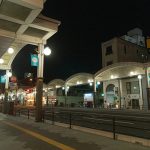
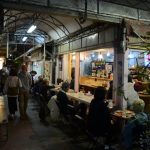
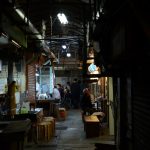
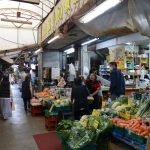
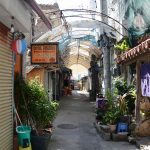
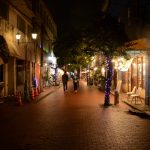
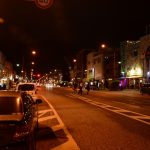
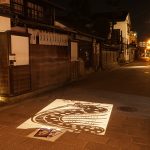
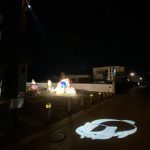
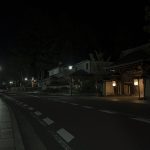
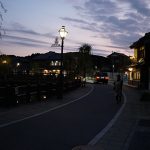
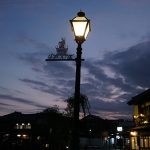
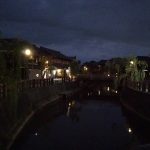
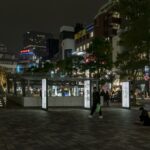
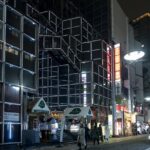
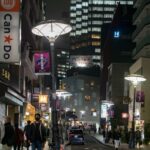
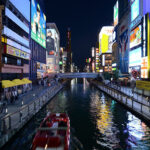
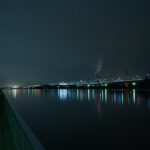
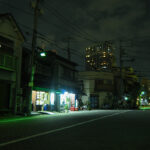
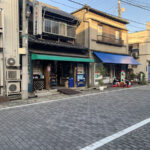
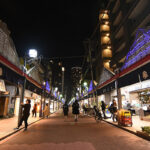
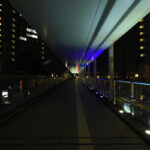
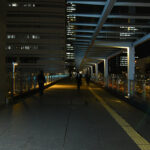
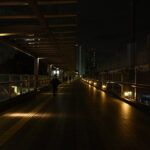
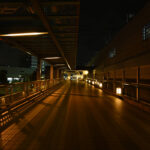
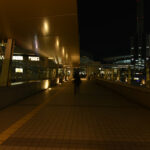
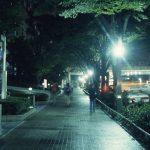
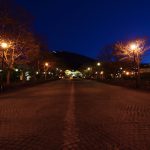
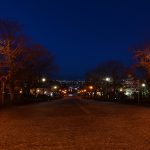
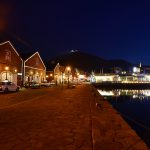
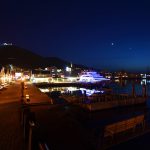
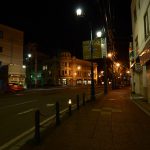
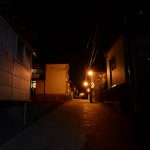
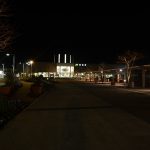
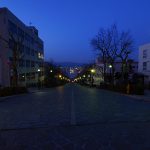
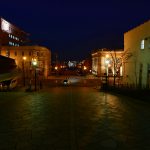
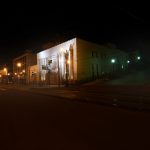
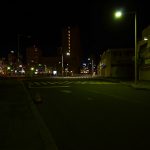
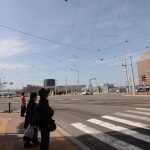
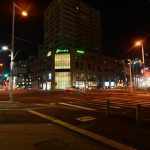
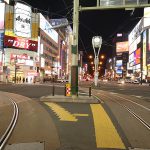
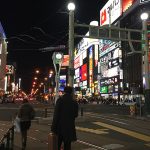
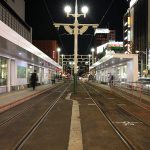
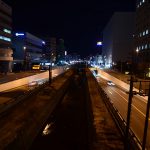
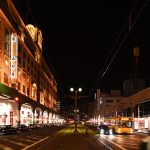
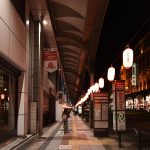
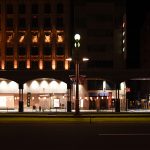
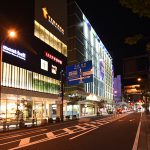
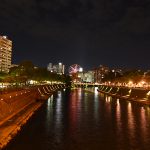
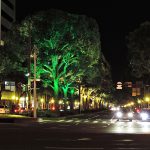
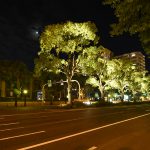
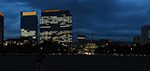
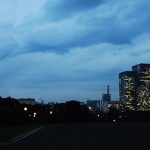
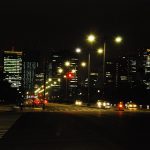
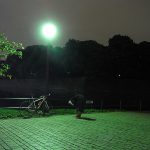
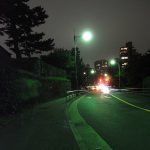
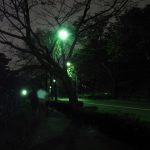
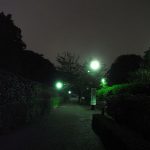
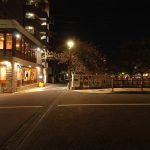
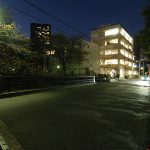
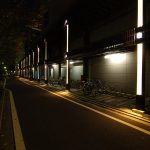
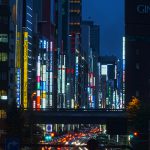
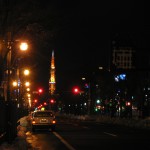
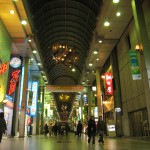
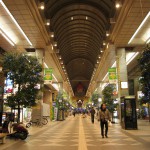
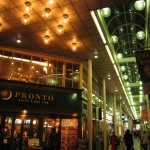
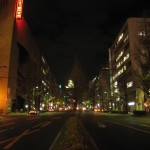
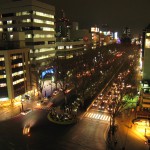
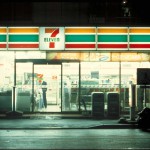
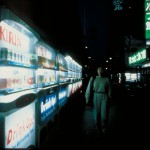
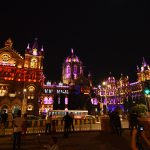
Colombo ⇒ Kandy ⇒ Galle 2018/10/23-28 Momoko Muraoka + Yuri Araki We surveyed the relationship between lighting and people’s lives in the Buddhist nation of Sri Lanka, traveling through three distinct cities: Colombo, which has seen remarkable development in recent years; and Kandy and Galle, both designated as World Heritage Sites. ↑↑The nightscape of Kandy, a World Heritage Site. The illuminated Temple of the Sacred Tooth Relic can be seen on the right, across Kandy Lake ↓With few buildings featuring facade light-up or sign lighting, the nightscape is primarily formed by light spilling out from shop interiors ■What Creates the Night Streetscape of Sri Lanka Kandy is an ancient capital and a World Heritage Site in central Sri Lanka. In the heart of the city, the Temple of the Sacred Tooth Relic—a sacred site for Buddhists—stands by the lake. Directly across from it is the colonial-style Queen’s Hotel, which evokes the British colonial era. During the day, this diverse streetscape allows you to feel the history of Sri Lanka. However, the streetscape takes on a different appearance in the evening. Very few buildings have facade lighting, and even the Queen’s Hotel, a city symbol, is plunged into darkness. Since shop signs lack extravagant electrical decorations, the nightscape is primarily formed by light spilling out from the interiors. Compared to the streetscapes of modern cities, the scene is like a figure-ground reversal. Even the city’s largest road has no streetlights for…
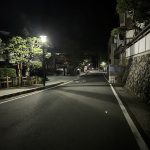
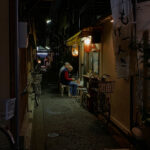
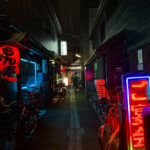
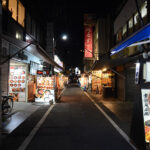
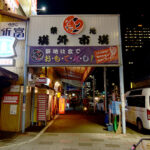
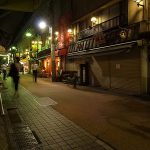
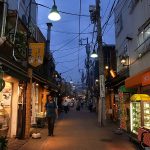
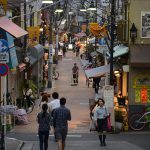
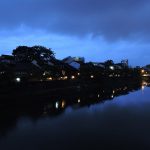
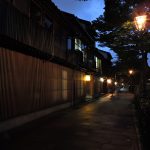
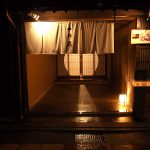
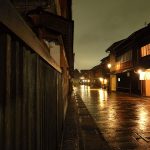
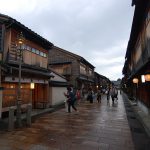
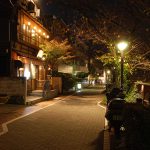
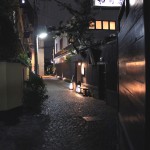
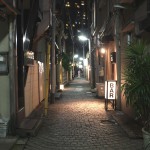
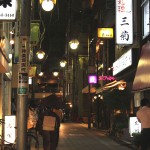
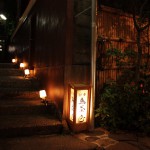
Modern Kagurazaka still conveys the atmosphere of its once flourishing Edo Era streets. Old Japanese restaurants and bars line the narrow alleyways and with softly glowing lantern light and welcome signs to complete the scene, one forgets that this is Shinjuku Ward in the middle of Tokyo. In this historical neighborhood warm lantern light is all but a natural presence. Compared to the white lights of Ikebukuro and Shinjuku glowing brightly in the distance, Kagurazaka is submerged in darkness. Buildings in Kagurazaka are lower and lower color-temperature light also peaks out from the many alleyways. Kagurazaka Street, running down the center of this neighborhood, is the only really bright spot, except for the lights reflecting off the canal along Sotobori Street. A prized neighborhood for shopping and entertainment during the Edo period, the historical Kagurazaka Shopping Street is a 700 meter long living time slip. New and old shops are jumbled together along the street with specially designed, lantern-like street lights placed at intervals along the edge of the sidewalk. From Kaguraza`s main street several narrow alleyways lead to the interior of the neighborhood where the scale of lighting is downsized to human proportions. Outside restaurants on Hyogo Yokocyo, one of the more famous back streets, softly glowing lanterns light the entrance and also reflect of the cobbled street and traditional-style fence for a very old Japanese atmosphere.
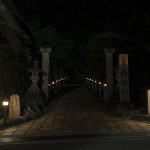
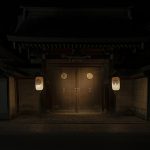
2022.10.01-10.03 Shunichi Ikeda + Genki Watanabe Koyasan (Wakayama Prefecture), a sacred site of Japanese Buddhism with a history of 1,200 years, was inscribed on the UNESCO World Heritage List in 2004 and again in 2016, and is one of the world’s most renowned religious cities. It is also a popular tourist destination, attracting many international visitors prior to the COVID-19 pandemic. Through the distinctive light environment created by the numerous temples and shrines, as well as through the experience of staying at temple lodgings (shukubō), we conducted an investigation into this extraordinary lighting culture from the perspective of the Lighting Detectives. Koyasan is a town situated in a mountain basin at an altitude of 800 meters, surrounded by peaks of around 1,000 meters in northern Wakayama Prefecture. It was founded about 1,200 years ago, in the early Heian period, by the Buddhist monk Kōbō Daishi (Kūkai) as a sacred site of Japanese Buddhism, with Danjō Garan serving as the central temple complex of this religious city.Originally, the entire area of Koyasan was considered part of the grounds of Kongōbu-ji Temple.For us, this was the first time to focus on a religious city in an urban lighting survey. We wanted to examine what the nightscape of this temple town looks like and how the lighting culture of Japan and Buddhism manifests itself in various aspects. ■Okunoin, Kongōbu-ji, Head Temple of Koyasan Shingon Buddhism Okunoin is an expansive cemetery stretching about 2…
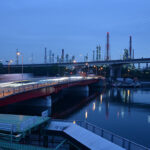
2024.11.21-11.22 Shunichi Ikeda + Yuta Shibata Yokkaichi has developed as an industrial city. The striking contrast between its dazzling factory nightscape and the increasingly organized city center stands out. We conducted a survey of the urban lighting where industry and daily life coexist. ■About Yokkaichi Yokkaichi has a long history, having developed as a port town facing Ise Bay. During the Edo period, it prospered as a post station along the Tokaido route. The city’s name originates from the markets that were held on days ending in “4.”After World War II, Yokkaichi grew as an industrial city with the construction of a petrochemical complex during Japan’s period of rapid economic growth. However, air pollutants emitted from the complex caused a serious pollution-related illness known as Yokkaichi asthma.Today, the city has regained a comfortable living environment. Residential areas, shopping streets, and everyday life now extend right alongside the industrial zones. ■3D Factory Nightscape Yokkaichi, with its history of industrial development, began drawing attention during the early 2000s factory nightscape boom. The expansive factory nightscape of the Yokkaichi petrochemical complex, which stretches about 10 kilometers north to south, is counted among Japan’s five greatest factory nightscapes. What makes it especially unique is that the nightscape can be viewed from the sky, land, and sea—earning it the nickname “3D Nightscape.” Particularly photogenic views of the factory nightscape have gained significant popularity. From the perspective of the Lighting Detectives, we conducted a survey of…
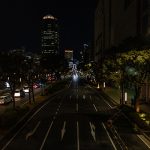
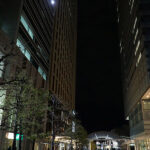
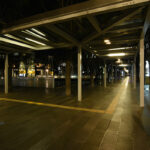
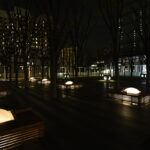
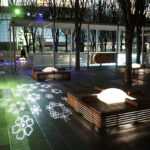
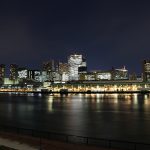
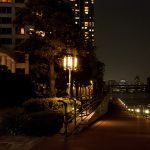
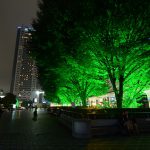
The Diversity of Condominium Lighting in the Tokyo Area Condominiums play a leading role in housing for the Tokyo Area. As the city grew, busy shopping, business, and entertainment districts are supported by the residences, which live in densely populated residential areas. As the population density increased so did the proportion of condominiums for housing. According to reality statistics, condominiums account for 70% of the housing within the 23 wards of Tokyo. For this survey we stepped away from the bustle of the big city and investigated 3 relatively large, densely populated condominium complexes. The three areas all have a different history and commuting distances from the center of Tokyo. What can we discover about the lighting environment of these three totally different condominiums and the surrounding residential area? Toyosu Once an industrial area built on reclaimed land, housing redevelopment started in 2003 and the first of several residential blocks was completed in 2006. Toyosu is a “new city”, built from scratch and popular with younger families and couples. The number of condominiums is astounding, but the development is not just large, but a luxurious residential area as well. Color temperature viewed from the condominium windows: Orange: 80% White: 16% Bluish: 4% The tower condominiums are immediately visible upon leaving the station. Relatively close to the center of Tokyo, these tower condominiums were built during a boom in condominium real estate. Each tower has a luxurious entrance lobby and…