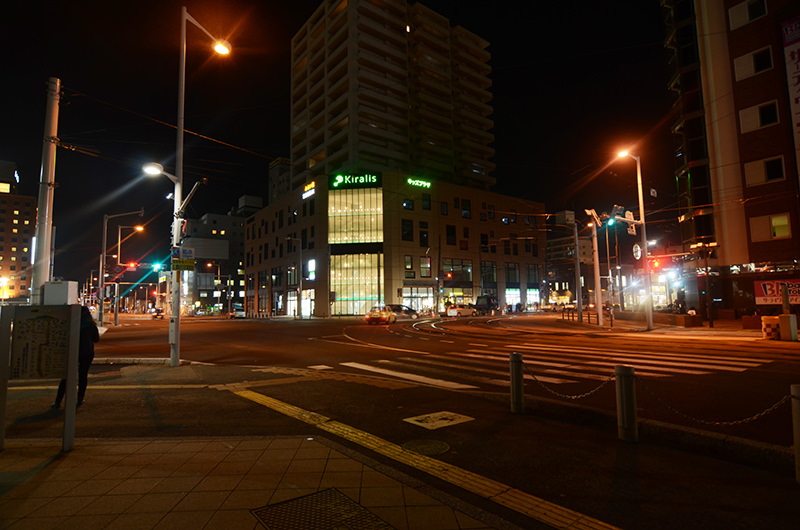
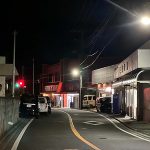
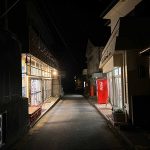
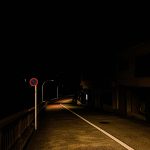
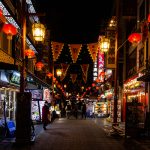
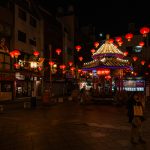
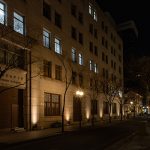
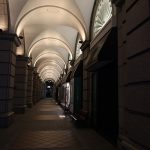
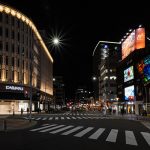
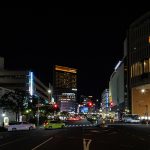
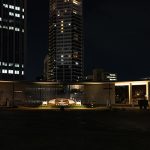
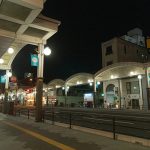
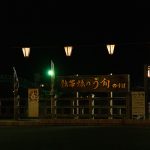
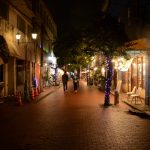
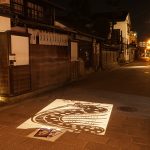
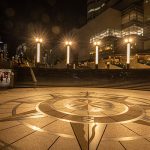
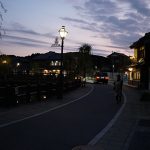
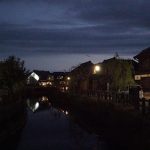
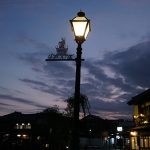
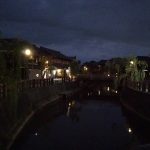
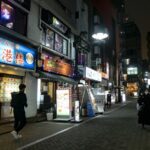
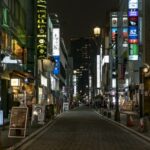
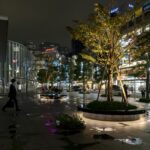
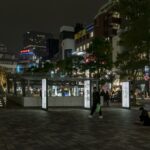
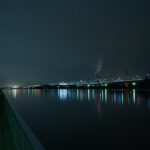
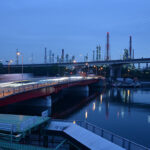
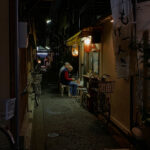
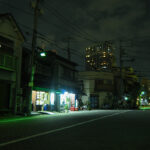
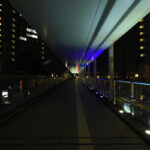
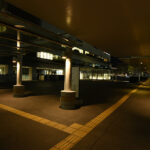
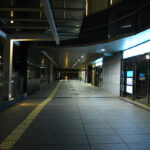
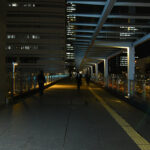
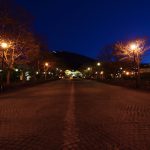
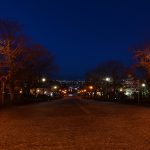
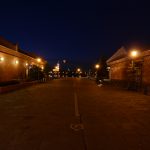
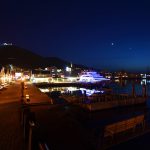
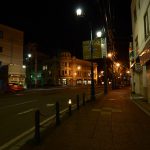
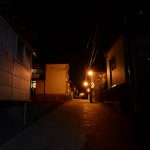
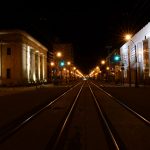
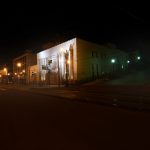
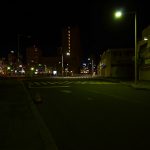
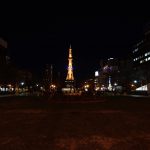
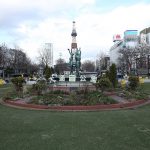
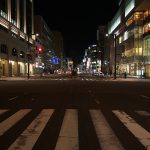
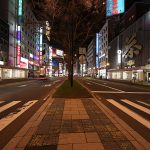
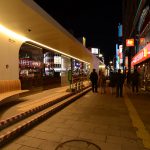
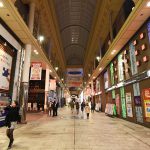
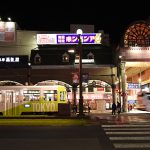
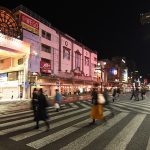
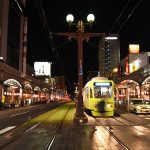
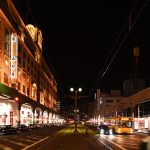
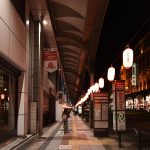
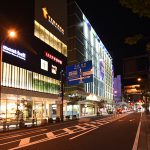
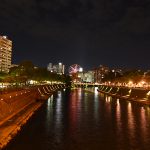
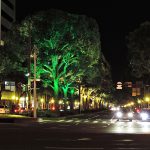
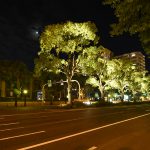
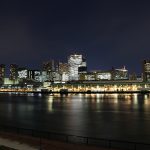
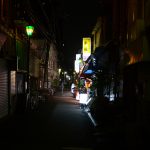
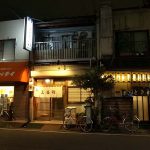
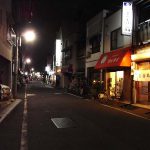
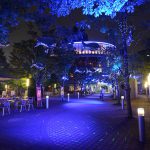
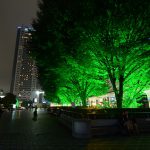
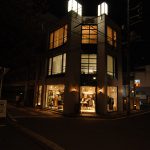
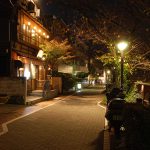
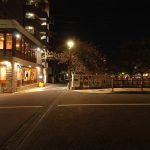
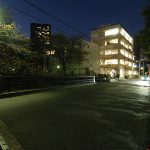
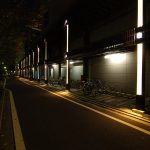
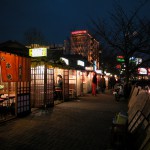
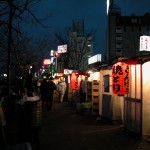
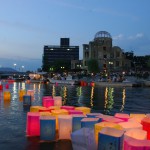
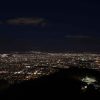
2022.11.10-12 Mari Kubota + Noriko Higashi In July 2020, Hitoyoshi City in Kumamoto Prefecture was devastated by catastrophic flooding caused by heavy rainfall. Since the disaster, the city has made steady efforts toward recovery— efforts in which lighting has played a significant role. To understand how lighting has contributed to the city’s revitalization, we conducted interviews with local stakeholders, including hot spring inn owners and city officials, and followed up with an on-site investigation of the actual lighting projects. From July 3 to 4, 2020, torrential rains caused the Kuma River to overflow, resulting in catastrophic flooding in Hitoyoshi City, Kumamoto Prefecture. Known for its scenic beauty, hot springs, and hospitality centered around local shochu, this tourism-driven city suffered devastating damage—not only from the flooding but also from the impact of the COVID-19 pandemic. In response to the disaster, a local inn owner launched the Hitoyoshi Hikari no Fukkō Project (Hitoyoshi Light Recovery Project), using light as a tool for recovery. In 2021, Hitoyoshi was selected as a model city for Japan’s Cabinet Office-led Super City (SC) initiative, proposing a future-oriented recovery plan. This plan placed lighting as a key component, aiming to promote both disaster resilience and tourism attraction through thoughtful illumination. This survey included interviews with stakeholders such as hot spring inn owners, city officials, and lighting designers involved in the project, examining how “light” became a central theme in the recovery process and evaluating the impact it has…
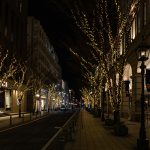
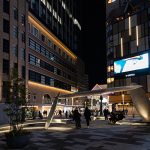
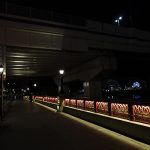
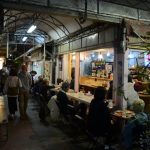
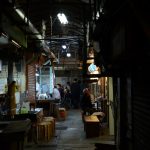
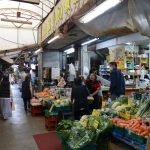
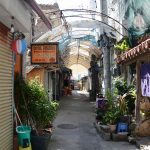
2024.05.16 – 05.19 Mari Kubota+ Noriko Higashi Busan, South Korea’s second-largest city, is one of the world’s major port cities. In recent years, it has also gained fame as a hub for tourism and film. We surveyed the lighting in Busan, which is also a member of LUCI (Lighting Urban Community International). South Korea is a close neighbor, just 1.5 hours from Tokyo by plane, making it a popular destination for quick and affordable trips. Busan, the second-largest city in South Korea, is not only a tourist destination but also a major port and an entertainment center, hosting film festivals. As a member of LUCI, Busan has been focusing on urban lighting as part of its urban planning. In 2015, the city developed an extensive overview of its nightscapes, resulting in the Busan Urban Light Policy for 2030. This policy has been updated several times, reflecting the city’s ongoing efforts in implementation and improvement. The guidelines divide Busan into several zones, each with lighting tailored to its specific characteristics.We traveled to Busan to assess whether the city’s lighting contributes to safety, beauty, attractiveness, and the local economy at night. ■Jagalchi Market Jagalchi Market is South Korea’s largest seafood market, selling both fresh and dried fish. After purchasing seafood on the first floor, visitors can have it cooked and served on the second floor. The market attracts many tourists. White lights are used to illuminate the seafood, making it look as…
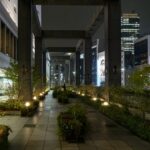
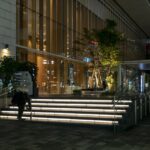
Songdo newcity, Inchon and Seoul city2025.10.22- 2025.10.25 Karen Huang + Xueying Piao + Xianyu Liu The purpose of this Seoul lighting survey is to explore how lighting shapes the city’s identity and cultural expression of the urban landscape in the multiple layers of Seoul.With this purpose in mind, we went to Songdo, Incheon and Seoul for the servey. ■ Songdo InchonOn the first day of our site survey, we visited Songdo International Business District in Incheon. As a flagship planned development in Yeonsu-gu, this new town represents a remarkable urban planning achievement, constructed entirely on reclaimed land – essentially a future-city built from the ground up. The district demonstrates excellent connectivity, with the core area accessible within approximately 90 minutes via bus from Incheon International Airport. By around 8:00 PM, few people are on the street. Our survey focused on the central park area of Songdo. At street level, building facades demonstrated minimal use of decorative flood lighting, relying primarily on internal illumination to create a subdued atmosphere, while the commercial districts utilized abundant illuminated signage to inject vibrancy into the urban landscape. The most critical insight emerged from the view at G Tower: the urban planning framework is distinctly articulated through strategic color temperature zoning, with residential areas at 2700K transitioning to over 5000K for landmark structures, constituting a macro-level “light planning” methodology. Simultaneously, the concentrated application of architectural lighting to tower crowns effectively reinforces skyline identity while minimizing…
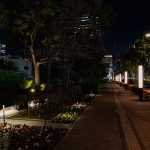
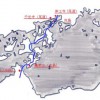
2023.08.02 – 2023.08.04 Yumi Honda+Sachiko Segawa The theme of this survey is “lighting on boats since ancient times”. Cormorant fishing on the Nishiki River in Iwakuni has been practiced for about 400 years. The Kangensai Festival at Miyajima Island has been held since the Heian period (794-1192). We investigated the relationship between water, light, and people in these two different areas. ■Iwakuni The Light of Cormorant Fishing, an Ancient Fishing MethodCormorant fishing has been practiced on the Nishiki River in Iwakuni City, Yamaguchi Prefecture, for about 400 years. The cormorant fishing is still enjoyed today by taking a pleasure boat ride from the foot of Kintai-kyo Bridge, one of the three most famous bridges in Japan. The day we visited was a weekday in mid-summer, and the daytime crowds were sparse, but in the evening, people began to gather along from somewhere the riverbank and board the cormorant fishing boats. In western Japan in summer, it is still light even at 18:00. Looking at the sightseeing boats from the bridge, I could see people enjoying a party on the boats with lanterns hanging down. As it gradually got darker and the lights of Kintai-kyo Bridge and lanterns along the river were lit up, we slowly waited for the cormorant fishing time to start. By the time the pleasure boat landed for a break, the sun had completely set and Iwakuni-jo Castle at the top of the mountain was lit up. Finally, it…
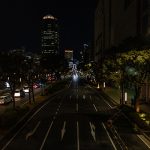
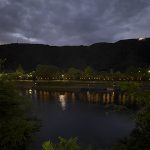
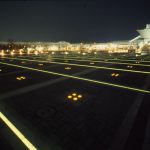
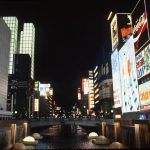
City Survey in Qatar/Azerbaijan 2018/02/12-02/17 Masahiro Iwata + Hikaru Kimura We went to Qatar and Azerbaijan from 12th to 17th February for 6 days for lighting survey. Both of countries are oil producers, and have been developed with oil money. Qatar and Azerbaijan are located on similar longitude, however each urban landscape has been developed in different ways according to their history. Qatar is an emergent country, which benefits from oil money. High-rise buildings has been built on vacant huge desert, and the gulf coast has been developed for attracting wealthy class in around the world. On the other hand, Azerbaijan still faces a problem which a lots of refugees by the past war have hard lives, even it is in bubble boom and it benefits from oil money as much as Qatar. They have redeveloped the old town, which is world heritage. We surveyed lighting in these two countries, where electricity expenses are free by benefit of oil money. Sketch of the road lighting ■Qatar, Capital city Doha Doha used to be described as “the most boring city in the world”, where there were no accommodation and entertainment facilities according to its closed policy. Today luxury hotels and huge shopping malls has been built, and it has become a bustling city. There are lots of buildings painted the current president’s face on the façade. These buildings are by pocket money of president or owned by the government. The buildings along…