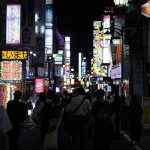
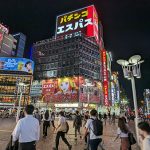
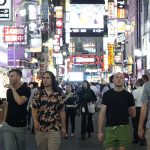
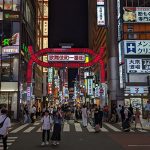
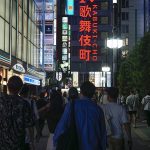
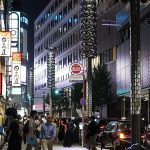
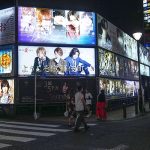
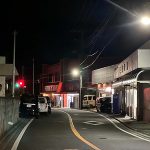
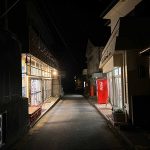
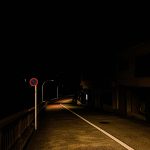
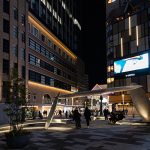
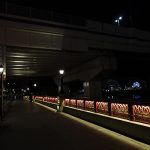
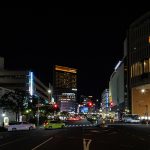
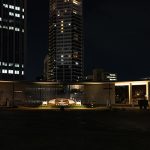
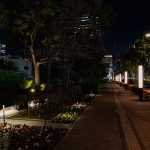
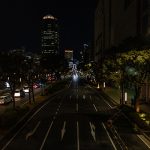
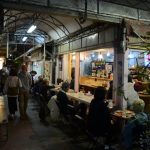
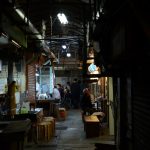
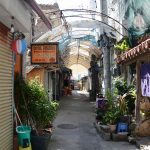
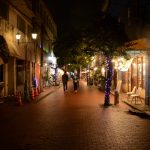
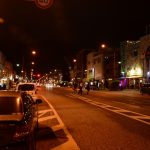
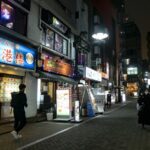
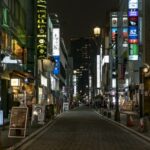
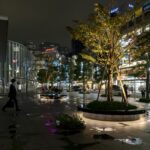
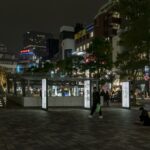
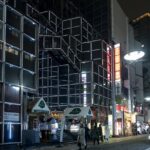
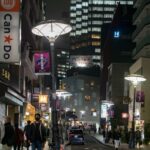
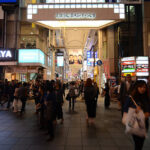
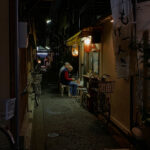
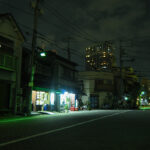
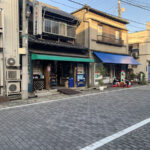
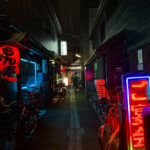
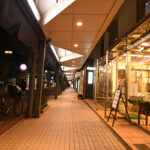
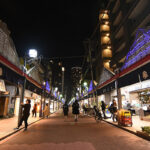
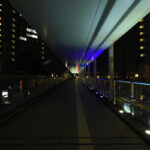
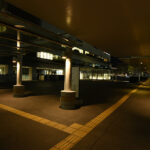
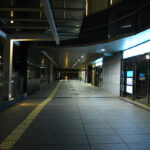
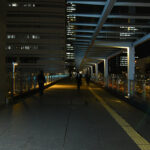
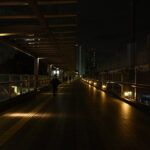
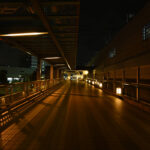
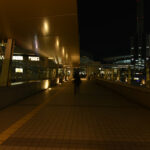
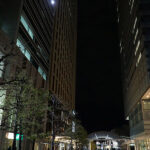
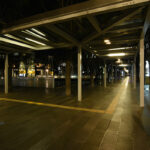
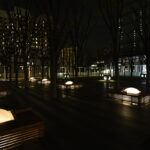
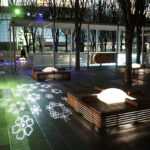
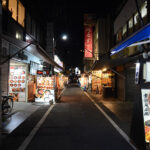
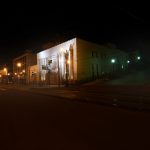
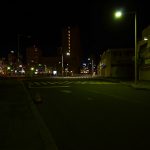
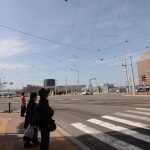
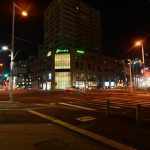
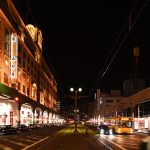
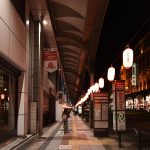
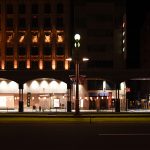
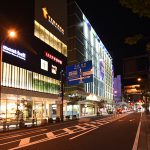
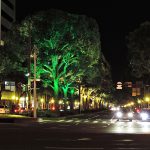
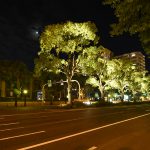
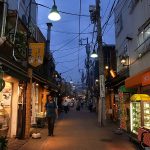
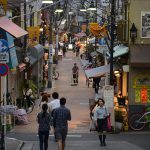
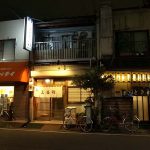
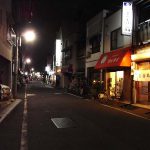
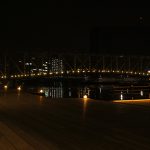
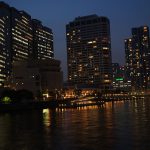
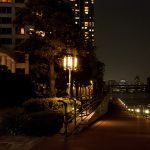
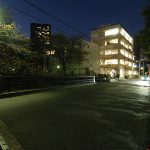
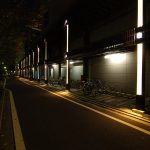
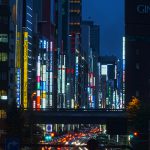
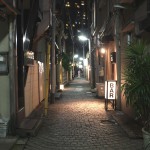
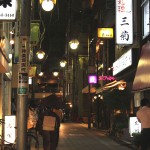
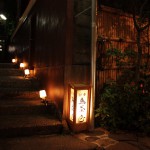
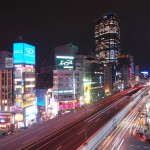
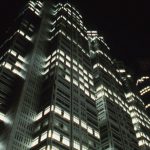
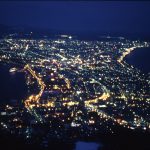
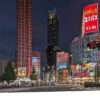
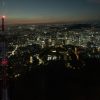
2021.10.27 Shunichi Ikeda + Erina Hosono + Namiko Watanabe About three weeks after the state of emergency in Tokyo was lifted, we conducted our first urban night walk survey since the COVID-19 outbreak, heading to Akasaka. The area between Akasaka and Akasaka-mitsuke features both traditional establishments such as atmospheric ryotei (Japanesestyle restaurants) and neon-lit entertainment districts reminiscent of Kabukicho. At the same time, Akasaka has gained recognition as a tourist destination due to redevelopment centered around Akasaka Sacas. We surveyed the nighttime environment of this area where tradition, business, and nightlife coexist. ■Aerial Nightscape of AkasakaThe central area of Akasaka lies roughly in the middle of the cluster of high-rise buildings. At first glance, the nightscape viewed from above gives a rather subdued impression, due to the lack of prominent building illuminations or large advertising towers. However, upon closer inspection, one can see clusters of commercial lights peeking through the gaps between buildings. While the limited presence of dramatic lighting or decorative illuminations may make it less visually striking, the overall effect is a calm and environmentally friendly nightscape. ■Akasaka Sacas AreaAkasaka Sacas, a multi-use complex directly connected to Akasaka Station, is usually frequented by businesspeople and shoppers. However, likely due to the lingering effects of the COVID-19 pandemic, the number of passersby during our survey was surprisingly low, which was unfortunate. The nighttime lighting around the base of the 179-meter-tall Akasaka Biz Tower is uniformly set to a relatively low…
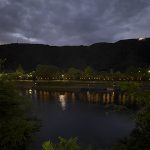
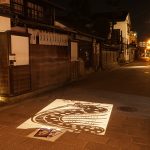
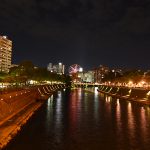
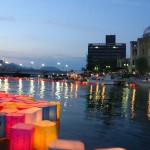
2023.08.02 – 2023.08.04 Yumi Honda+Sachiko Segawa The theme of this survey is “lighting on boats since ancient times”. Cormorant fishing on the Nishiki River in Iwakuni has been practiced for about 400 years. The Kangensai Festival at Miyajima Island has been held since the Heian period (794-1192). We investigated the relationship between water, light, and people in these two different areas. ■Iwakuni The Light of Cormorant Fishing, an Ancient Fishing MethodCormorant fishing has been practiced on the Nishiki River in Iwakuni City, Yamaguchi Prefecture, for about 400 years. The cormorant fishing is still enjoyed today by taking a pleasure boat ride from the foot of Kintai-kyo Bridge, one of the three most famous bridges in Japan. The day we visited was a weekday in mid-summer, and the daytime crowds were sparse, but in the evening, people began to gather along from somewhere the riverbank and board the cormorant fishing boats. In western Japan in summer, it is still light even at 18:00. Looking at the sightseeing boats from the bridge, I could see people enjoying a party on the boats with lanterns hanging down. As it gradually got darker and the lights of Kintai-kyo Bridge and lanterns along the river were lit up, we slowly waited for the cormorant fishing time to start. By the time the pleasure boat landed for a break, the sun had completely set and Iwakuni-jo Castle at the top of the mountain was lit up. Finally, it…
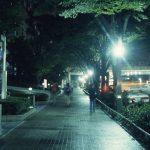
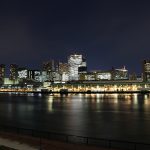
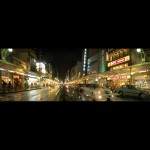
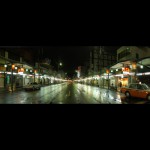
During the day short sleeves are fine, but even the Russian summer nights are cool with a little bit of white breathe after the sun goes down. Many main roads run through the middle of Moscow with classic Stalin style architecture lining the sides of the streets. The detailed, but dynamic lighting is very becoming for this architecture. On the other hand, lighting for roadways and plazas is rougher and not as artistically finished. The Red Square has been the stage for numerous historical events. The entire plaza is beautiful paved in stone, but at night huge floodlights shine huge amounts of light on the plaza and the glare is unbelievable. This beautiful, palace-like subway station platform is not uncommon in Moscow. We didn’t see one naked fluorescent light, very common in Japan, but each platform space was softly lit with indirect lighting. In the suburbs of Moscow along the river is the new “Moscow City,” a large multi-complex project still under construction. The developed area is a whopping 10,000 sqkm! What kind of lighting will this new town have? We’ll have to wait until its finished in 2020.
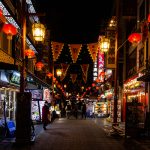
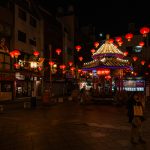
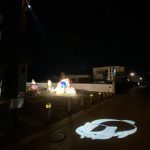
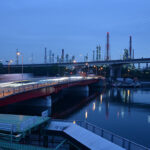
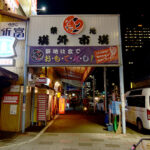
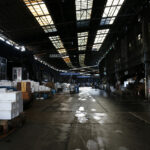
2024.11.21-11.22 Shunichi Ikeda + Yuta Shibata Yokkaichi has developed as an industrial city. The striking contrast between its dazzling factory nightscape and the increasingly organized city center stands out. We conducted a survey of the urban lighting where industry and daily life coexist. ■About Yokkaichi Yokkaichi has a long history, having developed as a port town facing Ise Bay. During the Edo period, it prospered as a post station along the Tokaido route. The city’s name originates from the markets that were held on days ending in “4.”After World War II, Yokkaichi grew as an industrial city with the construction of a petrochemical complex during Japan’s period of rapid economic growth. However, air pollutants emitted from the complex caused a serious pollution-related illness known as Yokkaichi asthma.Today, the city has regained a comfortable living environment. Residential areas, shopping streets, and everyday life now extend right alongside the industrial zones. ■3D Factory Nightscape Yokkaichi, with its history of industrial development, began drawing attention during the early 2000s factory nightscape boom. The expansive factory nightscape of the Yokkaichi petrochemical complex, which stretches about 10 kilometers north to south, is counted among Japan’s five greatest factory nightscapes. What makes it especially unique is that the nightscape can be viewed from the sky, land, and sea—earning it the nickname “3D Nightscape.” Particularly photogenic views of the factory nightscape have gained significant popularity. From the perspective of the Lighting Detectives, we conducted a survey of…
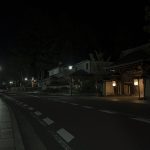
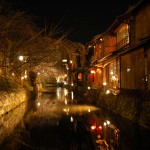
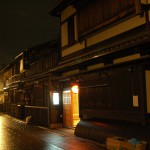
Kyoto is an ancient city of Japan that was planned based on feng shui, or Chinese divination. Although the streets of Kyoto are a typical gridiron pattern, unique spatial conditions derived from the machiya, or Japanese style townhouses, are found all over the city. All of these spatial features nestled into the city’s framework lead us to lighting environments only found in Kyoto. East of Kyoto, a frequented nightscape viewpoint, Shogunzuka looks out over the city. From this birds-eye view, street lights and other ground level lighting softly illuminate the volume of buildings in Kyoto, appearing as of more a cluster of shadows then light in the night. The Gion area of Kyoto. Here, traditional facades and buildings still exist and reflect the intention of the people to preserve and recreate the architectural and lighting atmosphere of this historical place. Instead of bright lights in this area, light is impressively filtered through cracks, crevices, or bamboo lattice of the buildings to spectacularly fulfill this area’s lighting requirements. Kyoto`s rich waterscape. Light from Pontocyo, along the Kamagawa River, filters out and reflects on the surface of the river, one of the many sophisticated nightlight waterscapes of Kyoto. KYOTO: A Multitude of Autumn Colors (2010.11) Autumn colors decorate the City of Kyoto every year with special illumination displays during the season. Moss, dew and other delicate natural colors standout during the freshness of daylight, compared to the fascinating illumination of fall…