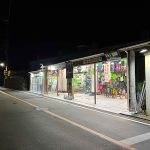
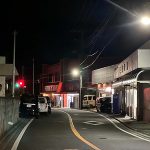
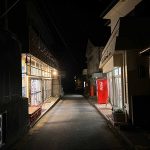
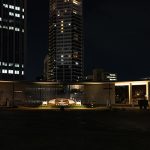
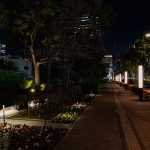
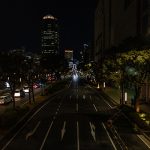
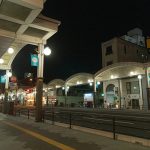
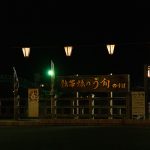
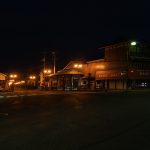
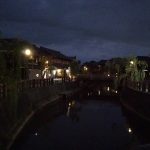
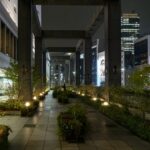
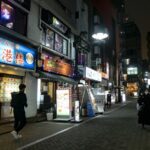
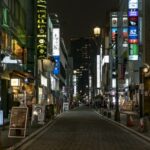
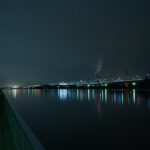
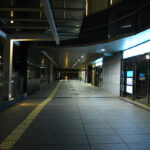
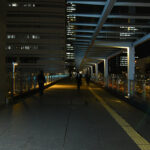
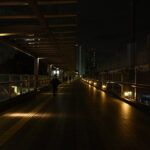
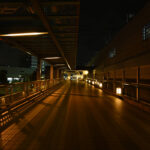
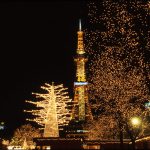
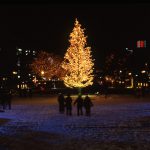
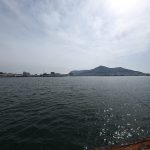
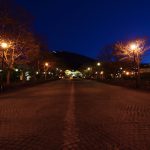
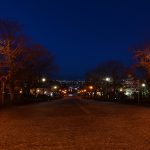
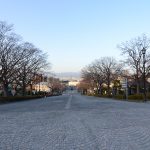
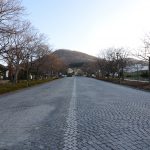
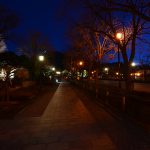
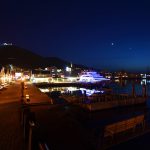
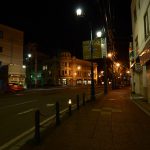
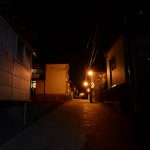
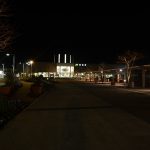
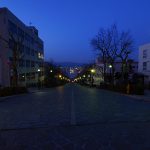
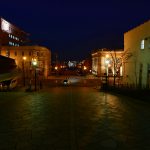
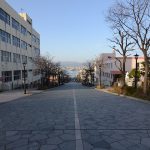
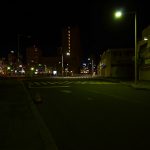
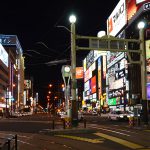
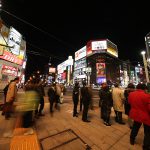
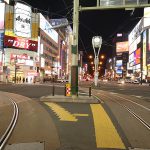
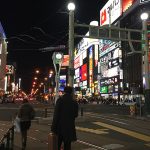
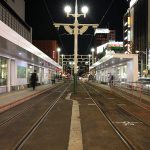
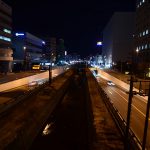
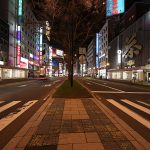
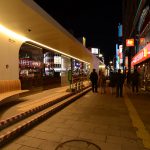
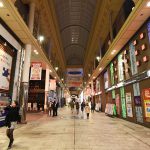
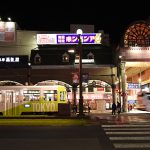
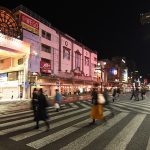
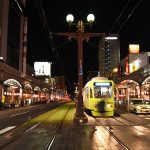
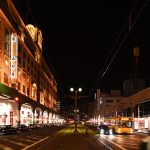
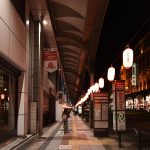
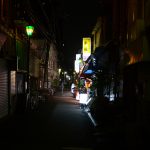
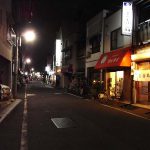
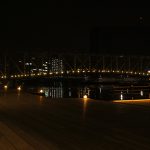
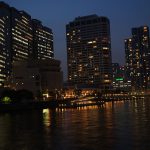
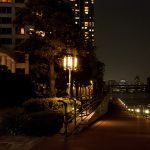
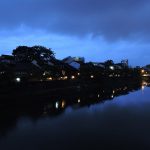
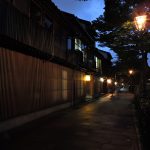
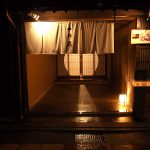
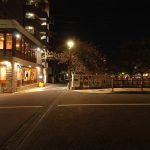
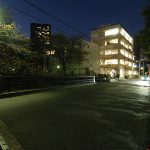
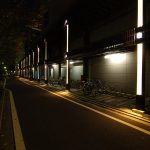
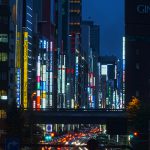
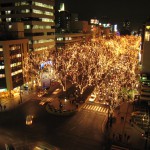
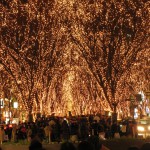
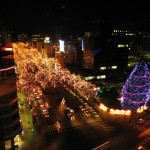
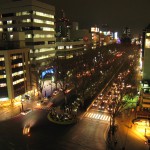
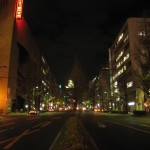
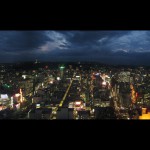
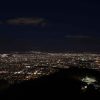
Lighting Survey:Kagoshima 2017/10/25-10/27 Shunichi Ikeda + Yuri Araki Kagoshima city is a city which its urban area is integrated with nature and magnificent scenery, and it is also a tourist attraction that is represented by Sakurajima. It has scenery unique to Kagoshima city such as a view to Sakurajima, Japanese modernization asset like historical buildings, and urban scenery with slanted green area in the background. We researched the light environment of this highly regarding scenery formation area with Sakurajima as a main axis. Night view of Kagoshima seeing Sakurajima. There isn’t any color lighting or building advertisement on city in front of the Sakurajima. It takes 1 hour to get to central area of city from Kagoshima airport. It was very exciting and felt good to have a drive looking at clear sky, rich water and greens, and magnificent Sakurajima with rising smoke. When we arrived at urban area, we started from researching about urbanscape planning, so we visited city hall that is a little walk from statue of Saigou Takamori. After that, we checked up main roadways in central areas and parks, history and culture area, commercial area, etc, and started preparing for a research about lighting environment. Night view of Central Kagoshima station from the same observatory. There are color lightings and building advertisements. ■Night view of Kagoshima When the street lights started to turning on and the city was gradually taking on liveliness of night, Sakurajima gradually…
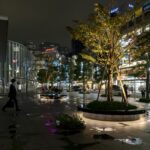
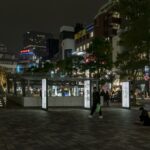
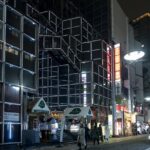
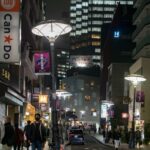
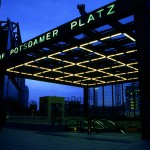
City Night Survey – Taipei & Taichung, Taiwan 2023.10.30 – 11.04 Genki Watanabe+Hikaru Kimura Office of the Governor-General Taiwan is geographically close to Japan and has deep historical ties. It is famous for its skyscrapers such as Taipei 101 and, more recently, for buildings designed by Japanese architects. Renovations of old buildings are also being actively undertaken. We investigated how the mixture of old and new influences the light and human activity in the cities of Taipei and Taichung. Taipei and Taichung The capital of Taiwan, “Taipei” is characterized by world-class skyscrapers such as Taipei 101 and streetscapes that retain historical architecture. In addition to new buildings, there are also many renovations of existing buildings, creating a city with a mixture of old and new architecture. Taichung has become the second largest city in Taiwan in terms of population in 2017 as a result of government-led urban development efforts in recent years to disperse the over concentration of the metropolis in Taipei.We investigated how Taichung, planned as a compact city, affects the city’s light and human activity, and how it differs from Taipei’s light. The nightscape of Old City (west side) from Taipei 101 Taipei’s Urban Area Taipei’s urban area can be roughly divided into two areas. The west side of the city is the Old City, where historical buildings still remain. Many important political centers are still located on the west side, and historical buildings are still used as administrative…
2023.01.20-01.22 Yuichi Anzai+ Chuanyi Liu ■Kozushima Village Kozushima is located about 180 kilometers south of central Tokyo with a population of about 1,800. The terrain is complex, with almost no flat land. The village is located in the center of the island at the foot of Mt. Tenjo. The impetus for the starry sky protection activities on Kozushima came from a comment made during a student internship program by the Tourism Foundation in 2016, that the night sky was as beautiful as a planetarium. The starry sky, a common sight on the island, has become a tourism resource. An island-wide effort to protect the sky began. Specific efforts include replacing streetlights and security lights with fixtures with 0% upward luminous flux and 2,700K color temperature, holding explanatory meetings for residents and regular workshops with experts to gain their understanding and cooperation in light pollution and starry sky protection activities, training islanders as guides, and holding star gazing events to protect the night sky from light pollution and communicate the appeal of the starry sky both on and off the island. The island is also working to protect the night sky from light pollution and convey the charm of the starry sky to the public. The “Light Pollution Prevention Ordinance to Protect the Beautiful Starry Sky of Kozushima Village,” which specifies the responsibilities of residents and businesses to prevent light pollution, will be enacted in 2019, and rules are being developed to…
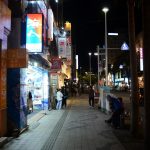
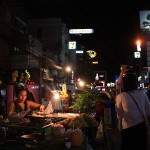
2025.09.04-09.08 Yonglin Ke + Masashi Kurobe The nights in Honolulu are a diverse blend of resort illumination, residential lights, torches, and night market glows. However, as the city develops, the starry sky is fading, raising concerns about the impact on the local ecosystem. Balancing urban growth with light pollution countermeasures remains a significant challenge. We conducted an on-site night walk survey to explore the balance between the city and nature and to evaluate the current lighting environment. ■Honolulu Honolulu, the capital of the U.S. state of Hawaii, is a prominent tourist destination in the heart of the Pacific Ocean. Simultaneously, it serves as the political and economic hub of the state. In this land where the sea, mountains, and urban areas sit in close proximity, the nightscape reveals a variety of expressions depending on the time and location—blending the glow of resort hotels, the soft lights of residences, traditional fire torches, and the vibrant lights of night markets. Furthermore, the combination of intense sunlight and a tropical climate creates a unique character within the city’s lighting environment. On the other hand, urban development and the growth of the tourism industry have negatively impacted the visibility of the starry sky and affected local ecosystems, such as migratory birds and sea turtles. While the state and city have begun implementing measures to reduce light pollution, finding a balance with the tourism industry remains a challenge. During this night walk survey, we investigated…
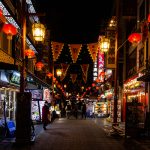
Hoi An was once a flourishing intermediate city of trade. Now, the city is trying to protect the traditional streetscape to appeal as a tourist destination. The nostalgic lantern festival, which was held every full moon, is being reintegrated, as they take on a “back to the basics” attitude towards modern city life. Compared to cities developing vigorously, but blindly economically, Hoi An growth is more diverse. Street vendors line alleyways with festive displays of lanterns. The fantastic atmosphere raises the mood and adds a functional amount of light to these dim side streets with out any street lighting. Built in the 16th century, the Japanese Covered Bridge is a focal point of the old streetscape. Many lanterns hang from the ceiling and spotlights mounted between the roof and bridge softly highlight its features. Inside, cafes are also filled the lanterns, great for creating a relaxing environment. At first glance candles or incandescent lamps seem fitting, but these lanterns are actually all fitted with fluorescent lamps.