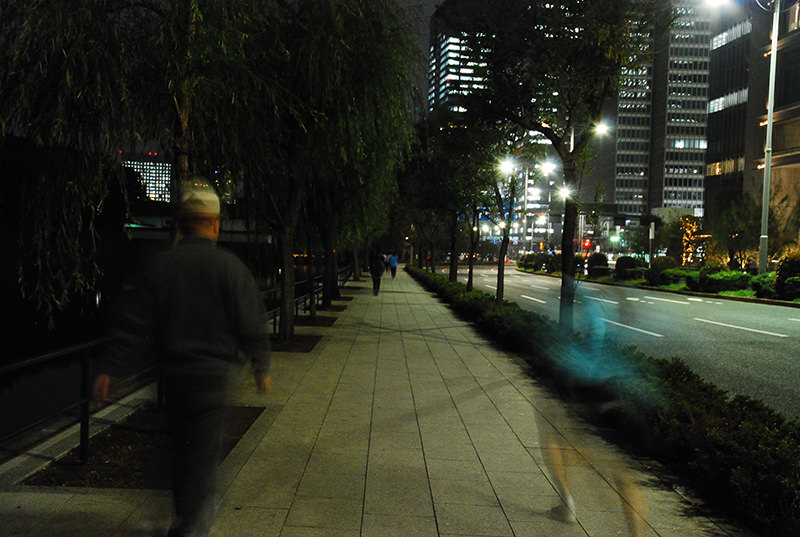
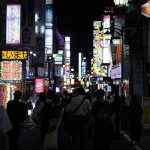
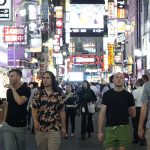
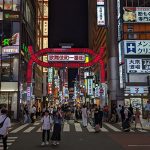
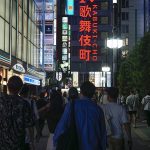
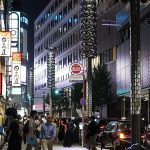
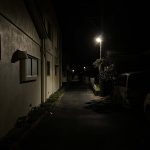
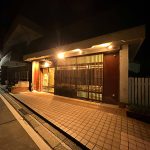
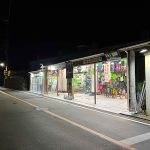
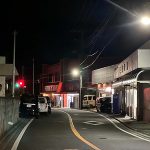
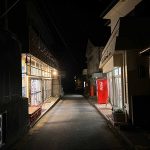
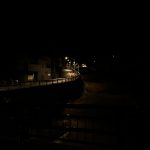
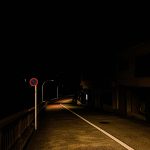
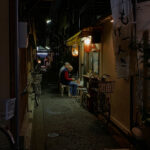
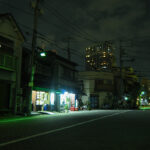
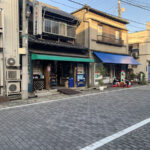
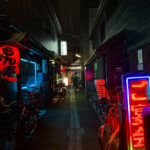
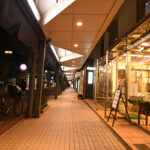
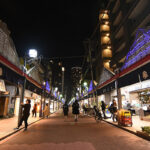
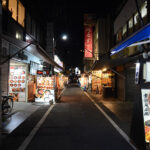
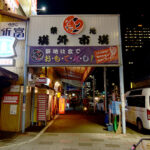
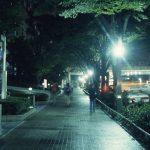
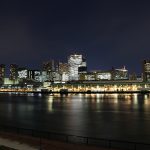
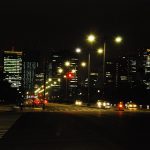
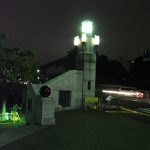
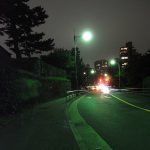
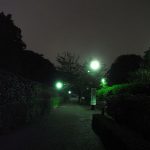
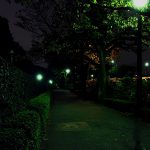
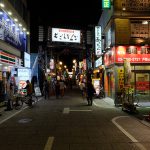
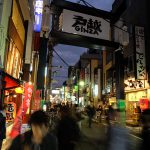
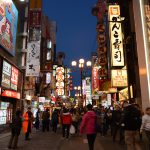
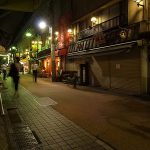
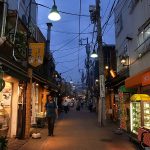
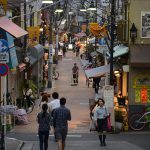
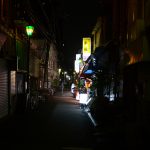
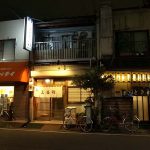
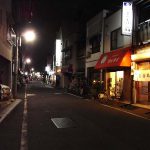
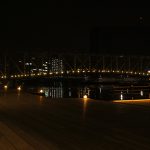
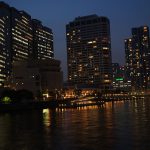
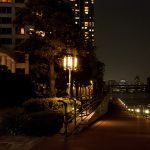
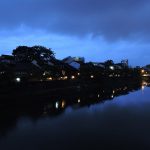
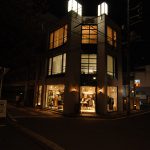
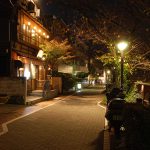
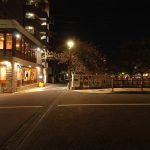
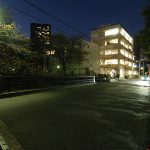
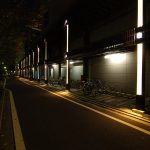
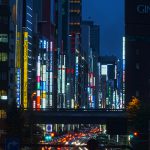
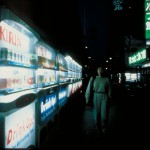
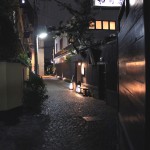
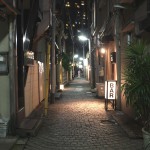
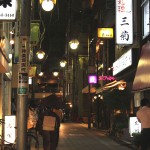
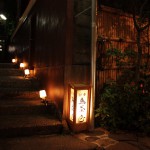
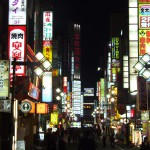
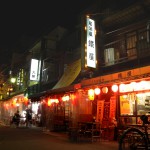
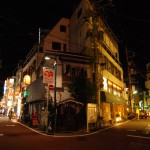
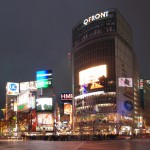
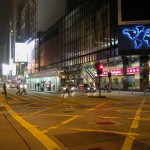
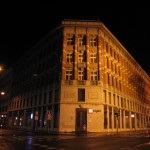
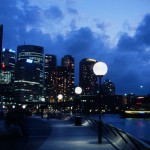
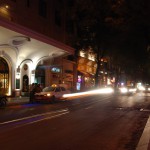
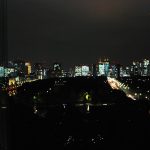
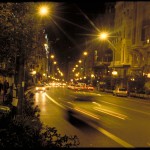
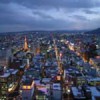
Modern Kagurazaka still conveys the atmosphere of its once flourishing Edo Era streets. Old Japanese restaurants and bars line the narrow alleyways and with softly glowing lantern light and welcome signs to complete the scene, one forgets that this is Shinjuku Ward in the middle of Tokyo. In this historical neighborhood warm lantern light is all but a natural presence. Compared to the white lights of Ikebukuro and Shinjuku glowing brightly in the distance, Kagurazaka is submerged in darkness. Buildings in Kagurazaka are lower and lower color-temperature light also peaks out from the many alleyways. Kagurazaka Street, running down the center of this neighborhood, is the only really bright spot, except for the lights reflecting off the canal along Sotobori Street. A prized neighborhood for shopping and entertainment during the Edo period, the historical Kagurazaka Shopping Street is a 700 meter long living time slip. New and old shops are jumbled together along the street with specially designed, lantern-like street lights placed at intervals along the edge of the sidewalk. From Kaguraza`s main street several narrow alleyways lead to the interior of the neighborhood where the scale of lighting is downsized to human proportions. Outside restaurants on Hyogo Yokocyo, one of the more famous back streets, softly glowing lanterns light the entrance and also reflect of the cobbled street and traditional-style fence for a very old Japanese atmosphere.
2025.09.04-09.08 Yonglin Ke + Masashi Kurobe The nights in Honolulu are a diverse blend of resort illumination, residential lights, torches, and night market glows. However, as the city develops, the starry sky is fading, raising concerns about the impact on the local ecosystem. Balancing urban growth with light pollution countermeasures remains a significant challenge. We conducted an on-site night walk survey to explore the balance between the city and nature and to evaluate the current lighting environment. ■Honolulu Honolulu, the capital of the U.S. state of Hawaii, is a prominent tourist destination in the heart of the Pacific Ocean. Simultaneously, it serves as the political and economic hub of the state. In this land where the sea, mountains, and urban areas sit in close proximity, the nightscape reveals a variety of expressions depending on the time and location—blending the glow of resort hotels, the soft lights of residences, traditional fire torches, and the vibrant lights of night markets. Furthermore, the combination of intense sunlight and a tropical climate creates a unique character within the city’s lighting environment. On the other hand, urban development and the growth of the tourism industry have negatively impacted the visibility of the starry sky and affected local ecosystems, such as migratory birds and sea turtles. While the state and city have begun implementing measures to reduce light pollution, finding a balance with the tourism industry remains a challenge. During this night walk survey, we investigated…
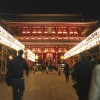
In front of the main gate to Senso-ji Shrine lies the neighborhood of Asakusa. One of Tokyo’s most popular entertainment districts, Asakusa flourished with kabuki, opera, and comic storytelling from the Meiji Era to the end of WWII. The Lighting Detectives discovered a variety of decorative streetlights and a lighting atmosphere fitting for this lively cultural destination. Upon entering the famous Kaminarimon, the Nakamise approach proceeds towards the shrine with bright-white, fluorescent-tube illuminated signage lining both sides. After navigating this corridor, walls of softly glowing lanterns come into view. The lanterns once lit with fire were replaced with incandescent bulbs and now fluorescent lamps. In popular neighborhoods like Shibuya or Roppongi, architectural facade lighting or neon signage fills the vertical space and “street lighting” is virtually non-existent. However, a variety of decorative streetlights festively illuminate the streets of Asakusa for a very fitting lighting environment. Pub signage and lanterns dispersed along the dark streets of Asakusa create an uncanny charm in this neighborhood. Roadway lux levels are a fairly dim 10-16 lx, but the red lanterns hanging from the eaves of establishments dig up affection for this old town.
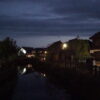
2022.11.4-5 Sachiko Segawa Surprisingly, this survey of the Sawara district marks the first time the Lighting Detectives have conducted an investigation within Chiba Prefecture. The team focused on an area designated both as an Important Preservation District for Groups of Traditional Buildings and as a Landscape Formation District. Here, the townscape of merchant houses, which flourished from the Edo period thanks to river transport on the Tone River, still remains. Located about 70 km from Tokyo Station and slightly inland from the Tone River, the Sawara district of Katori City once thrived as a merchant town, to the point it was said to rival Edo itself. However, the town declined during Japan’s period of rapid economic growth. Following a townscape survey in 1974, the value of its historic scenery was reappraised. Today, leveraging its convenient location—just two hours from Tokyo and one hour by train from Narita Airport—the area is being redeveloped as a tourist destination. For this survey, the team limited their scope to the townscape along the Ono River and conducted a nightscape survey. ■Uniquely Designed Lighting Fixtures From JR Narita Line Sawara Station, as we walked toward the Ono River, we were greeted by a bollard topped with a monkey. “Why a monkey…?” we wondered, but as we continued upstream along the river, we encountered bollards adorned with all sorts of figures: rabbits, carp, children, frogs, Ebisu, and more—each one different, with no two alike. These uniquely…
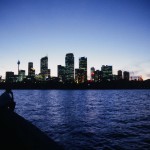
The Television Broadcasting Tower looks down on the orange sodium lamps overflowing from the grid patterned streets of Sapporo. While on assignment in December we were able to view the multi-colored White Illumination set up along Ohdori Park and Sappore Eki Mae Street. Looking towards Ohdori Promenade from the JR Tower. Sapporo is a beautiful city at twilight with orange light from the streets to set off the blue-tinted snow-topped roofs. The tree-lined street, Sapporo Ekimae Avenue is a sight to see with its unique style of looping lights over tree branches. Visitors with cameras and mobile phones converge on the decorated Ohdori Promenade. Sapporo Television Tower, similar to Tokyo Tower and Nagoya Tower, and all designed by the same architect, is also illuminated with the same type of sodium lamp.