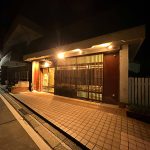
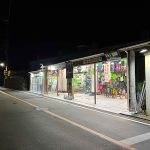
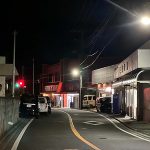
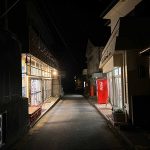
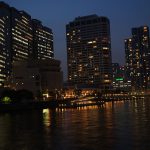
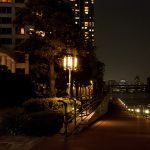
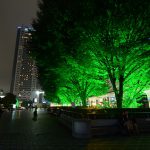
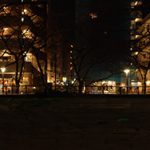
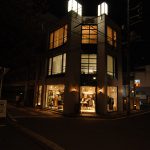
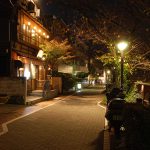
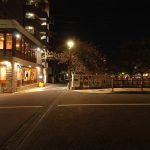
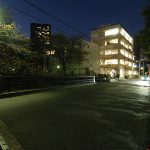
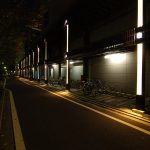
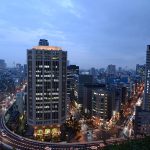
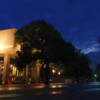
The Diversity of Condominium Lighting in the Tokyo Area Condominiums play a leading role in housing for the Tokyo Area. As the city grew, busy shopping, business, and entertainment districts are supported by the residences, which live in densely populated residential areas. As the population density increased so did the proportion of condominiums for housing. According to reality statistics, condominiums account for 70% of the housing within the 23 wards of Tokyo. For this survey we stepped away from the bustle of the big city and investigated 3 relatively large, densely populated condominium complexes. The three areas all have a different history and commuting distances from the center of Tokyo. What can we discover about the lighting environment of these three totally different condominiums and the surrounding residential area? Toyosu Once an industrial area built on reclaimed land, housing redevelopment started in 2003 and the first of several residential blocks was completed in 2006. Toyosu is a “new city”, built from scratch and popular with younger families and couples. The number of condominiums is astounding, but the development is not just large, but a luxurious residential area as well. Color temperature viewed from the condominium windows: Orange: 80% White: 16% Bluish: 4% The tower condominiums are immediately visible upon leaving the station. Relatively close to the center of Tokyo, these tower condominiums were built during a boom in condominium real estate. Each tower has a luxurious entrance lobby and…
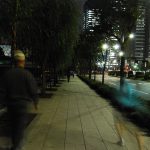
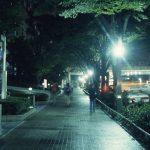
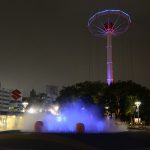
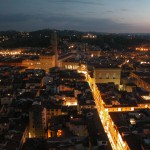
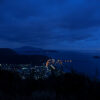
Rich in local history and cultural facilities, Ueno Park covers a large area in the middle of Tokyo. Even though located in an urban setting, we anticipated a lighting environment completely different than the lights of downtown. Between the trees and darkness of the park there are patches of Tokyo`s bright night sky, but the hushed silence is isolated from the city`s hustle and bustle. Ueno Park`s quiet presence gently sleeps next to Tokyo`s vibrant downtown. Approaching Ueno Park from the JR train station. The large overhang of the Tokyo Bunka Kaikan is brightly illuminated in contrast to the surrounding darkness of the park. A view o f northern Tokyo over the Shinobazu Pond from an elevated Ueno terrace. The bright lights of a vibrant downtown are seen in the distance beyond the dark trees of the park. However, through the darkness a bright, orange, sodium lamp illuminates the Benten Shrine near the pond. Looking towards the water fountain plaza from the Tokyo National Museum. A slightly bright night sky, characteristic of most metropolitan areas, opens over head with a dark belt of trees and tiny dots of light below. Young couples seeking a quiet spot away from the lights, snuggle up together on near benches.
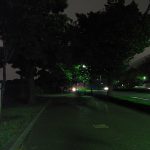
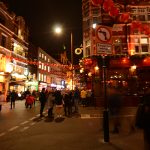
2023.01.20-01.22 Yuichi Anzai+ Chuanyi Liu ■Kozushima Village Kozushima is located about 180 kilometers south of central Tokyo with a population of about 1,800. The terrain is complex, with almost no flat land. The village is located in the center of the island at the foot of Mt. Tenjo. The impetus for the starry sky protection activities on Kozushima came from a comment made during a student internship program by the Tourism Foundation in 2016, that the night sky was as beautiful as a planetarium. The starry sky, a common sight on the island, has become a tourism resource. An island-wide effort to protect the sky began. Specific efforts include replacing streetlights and security lights with fixtures with 0% upward luminous flux and 2,700K color temperature, holding explanatory meetings for residents and regular workshops with experts to gain their understanding and cooperation in light pollution and starry sky protection activities, training islanders as guides, and holding star gazing events to protect the night sky from light pollution and communicate the appeal of the starry sky both on and off the island. The island is also working to protect the night sky from light pollution and convey the charm of the starry sky to the public. The “Light Pollution Prevention Ordinance to Protect the Beautiful Starry Sky of Kozushima Village,” which specifies the responsibilities of residents and businesses to prevent light pollution, will be enacted in 2019, and rules are being developed to…
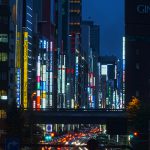
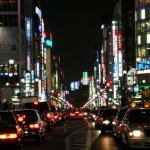
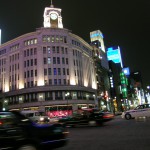
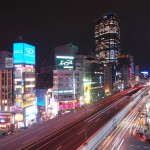
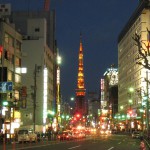
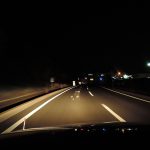
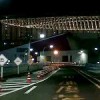
Taking a drive along the Tokyo Metropolitan Expressway is a great experience in the sequence of Tokyo light. In one drive you can catch glimpses of Tokyo Tower in between buildings, awe at the endless Ginza neon signage, and hide in the dark shadows surrounding the emperor’s palace and Tokyo Bay. Close up lights zoom by, but in the distance light is scattered everywhere, creating a complex sequence of overlapping elements. Such a variety of light exists in Tokyo! Rainbow Bridge and Tokyo Tower, Dual Features of the Tokyo Night (Ariake JCT~Shibaura JCT) At night the Rainbow bridge is a bridge of light connecting the Bayshore Route and Tokyo mainland. As we drove across the bridge, the Tokyo Tower that seemed to twinkling in the far distance became a dominating presence. However, all of the distance lights of Tokyo were swallowed by the cluster of buildings waiting for us on the Shibaura side of the bridge. The Lights of the Tokyo Nightscape (Ohi JCT ~ Shibaura JCT) Working from Haneda towards the center of Tokyo, among the rough and tumble lighting for warehouses and factories, is warm light spilling from offices and condominiums. The expressway takes a dive under the Tokyo Monorail for a real peak at Tokyo-style building light and luminous signage. The Expressway in the Ginza Sky (Tokyo Expressway) The Tokyo Expressway is elevated in midair as it cuts through Ginza. Officially, it is not part of the…
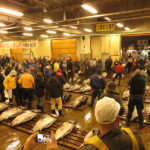
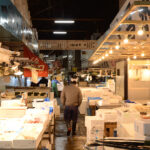
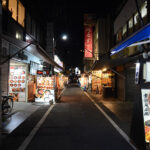
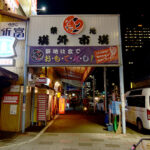
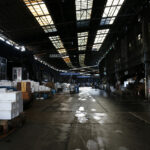
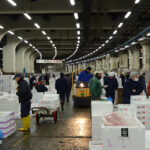
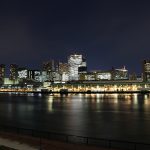
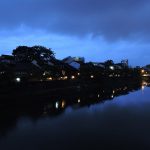
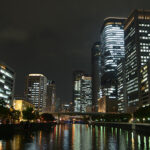
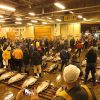
City Survey: Tsukiji, Tokyo 2017/12/14,2018/01/12 Nemoto Isao + Masafumi Yamamoto Night view from the opposite shore of Tsukiji, across the Sumida River. Tsukiji Market on the middle, Tokyo Tower and Tsukiji Bridge on the left, and Kachidoki Bridge on the right. In this Tsukiji survey, we visited the inner market, where mainly wholesale is taking place, the outer market, where visitors can shop and eat, and also the Tsukiji Honganji temple and the Kachidoki Bridge which are popular spots for tourists. ■Luminous Environment around Tukiji Fish Market From the Kachidoki area on the opposite side of the Tsukiji fish market, you can overlook the entire view of the market, buildings such as Kachidoki Bridge and Tokyo Tower across the Sumida River. While we notice white light that comes from the market and surrounded buildings, the warm-colored light of incandescent lamps emitted from the fish handling facility facing the Sumida River on the opposite shore. This view is quite impressive, and creates an emotional and beautiful view during the night.This warm light from the market brings the sense of the history of Tsukiji rooted in this area for a long time. In contrast, the white light emitted from the group of high-rise buildings in the background seems to symbolize the momentum of the rapidly evolving city. Outside the market, there are more than 400 shops, and many shops still remain open after evening.Various light sources and lighting fixtures are used in each…