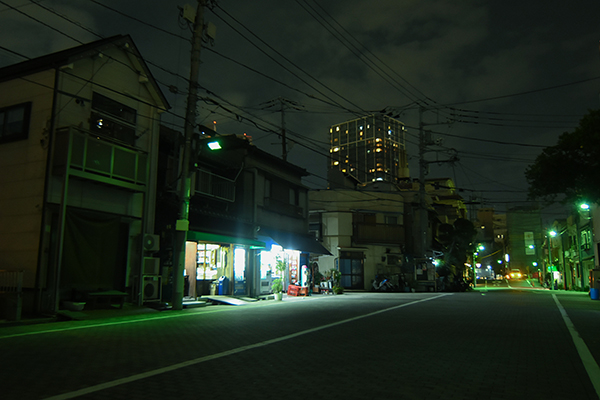
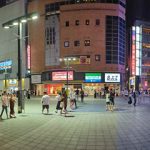
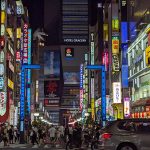
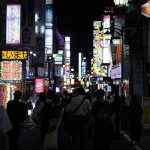
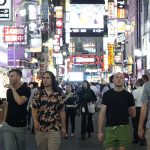
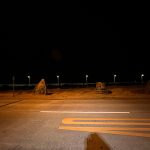
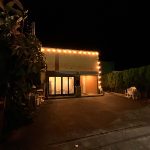
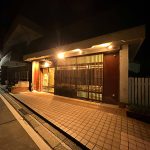
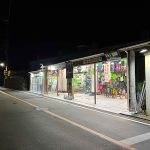
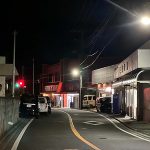
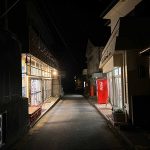
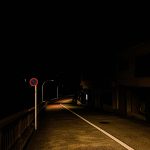
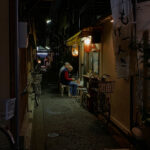
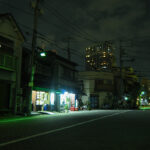
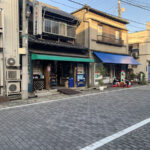
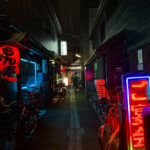
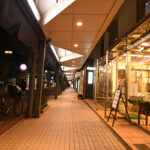
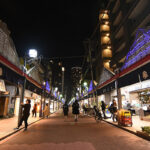
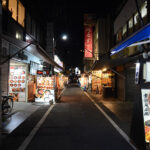
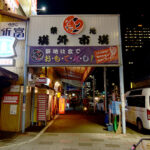
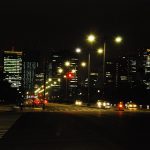
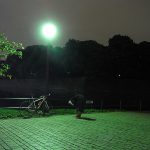
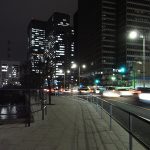
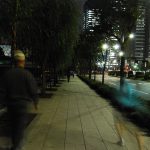
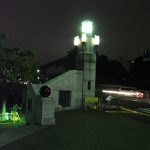
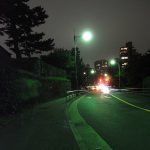
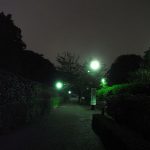
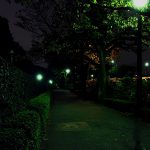
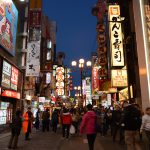
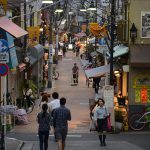
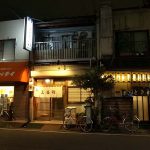
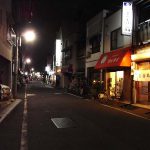
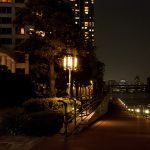
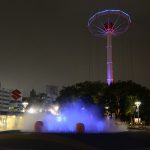
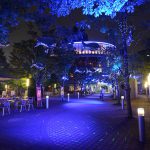
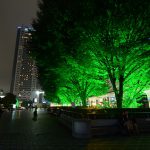
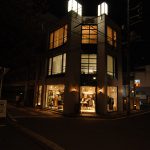
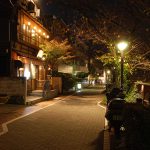
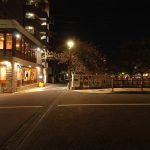
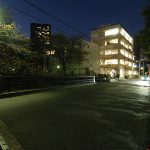
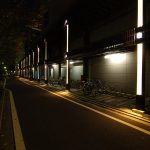
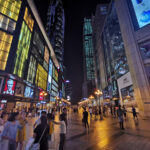
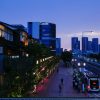
2025.06.26 Yumi Honda +Qiaoxi Wang+ Momoe Nomura We observed and recorded the nighttime light environment of the newly developed commercial complex Senkyaku Banrai in the Tokyo Bay Area and its surrounding public spaces (green plaza, station area, and Gururi Park). We conducted a multifaceted analysis, including the placement of lighting fixtures, illuminance, and the impression of the space, to determine how light affects the atmosphere of the facility and the city in the Toyosu area, which is being developed as a tourist hub. The Toyosu area is a point of interest where the latest urban spaces and the lively atmosphere of shitamachi (old downtown) coexist due to redevelopment. We walked through the area around Toyosu Market Station, the green plaza, and Gururi Park, observing how light design impacts the impression, comfort, and safety of the town. ■Senkyaku Banrai Senkyaku Banrai is a commercial facility that opened in 2024 next to the Toyosu Market. It’s a spot where both tourists and local residents can enjoy the array of restaurants and souvenir shops. Through architecture and lighting design incorporating traditional Japanese motifs, it exudes a uniquely Japanese warmth and vitality, even within the contemporary urban nightscape. The lighting plan inside the facility is unified, as befitting a new commercial complex, and was designed with both aesthetic appeal and functionality in mind. The main path lighting uses warm, incandescent colors, creating a nostalgic atmosphere reminiscent of a Showa-era shopping street. This fosters a…
2024.05.16 – 05.19 Mari Kubota+ Noriko Higashi Busan, South Korea’s second-largest city, is one of the world’s major port cities. In recent years, it has also gained fame as a hub for tourism and film. We surveyed the lighting in Busan, which is also a member of LUCI (Lighting Urban Community International). South Korea is a close neighbor, just 1.5 hours from Tokyo by plane, making it a popular destination for quick and affordable trips. Busan, the second-largest city in South Korea, is not only a tourist destination but also a major port and an entertainment center, hosting film festivals. As a member of LUCI, Busan has been focusing on urban lighting as part of its urban planning. In 2015, the city developed an extensive overview of its nightscapes, resulting in the Busan Urban Light Policy for 2030. This policy has been updated several times, reflecting the city’s ongoing efforts in implementation and improvement. The guidelines divide Busan into several zones, each with lighting tailored to its specific characteristics.We traveled to Busan to assess whether the city’s lighting contributes to safety, beauty, attractiveness, and the local economy at night. ■Jagalchi Market Jagalchi Market is South Korea’s largest seafood market, selling both fresh and dried fish. After purchasing seafood on the first floor, visitors can have it cooked and served on the second floor. The market attracts many tourists. White lights are used to illuminate the seafood, making it look as…
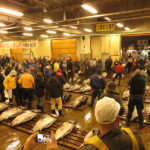
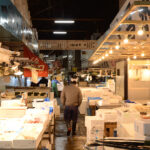
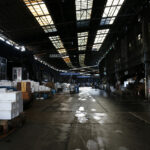
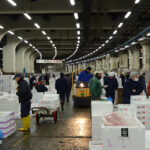
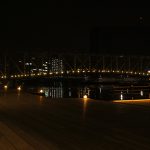
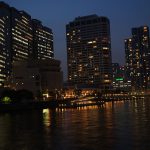
City Survey: Tsukiji, Tokyo 2017/12/14,2018/01/12 Nemoto Isao + Masafumi Yamamoto Night view from the opposite shore of Tsukiji, across the Sumida River. Tsukiji Market on the middle, Tokyo Tower and Tsukiji Bridge on the left, and Kachidoki Bridge on the right. In this Tsukiji survey, we visited the inner market, where mainly wholesale is taking place, the outer market, where visitors can shop and eat, and also the Tsukiji Honganji temple and the Kachidoki Bridge which are popular spots for tourists. ■Luminous Environment around Tukiji Fish Market From the Kachidoki area on the opposite side of the Tsukiji fish market, you can overlook the entire view of the market, buildings such as Kachidoki Bridge and Tokyo Tower across the Sumida River. While we notice white light that comes from the market and surrounded buildings, the warm-colored light of incandescent lamps emitted from the fish handling facility facing the Sumida River on the opposite shore. This view is quite impressive, and creates an emotional and beautiful view during the night.This warm light from the market brings the sense of the history of Tsukiji rooted in this area for a long time. In contrast, the white light emitted from the group of high-rise buildings in the background seems to symbolize the momentum of the rapidly evolving city. Outside the market, there are more than 400 shops, and many shops still remain open after evening.Various light sources and lighting fixtures are used in each…
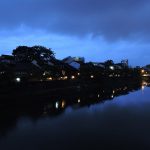
2022.11.4-5 Sachiko Segawa Surprisingly, this survey of the Sawara district marks the first time the Lighting Detectives have conducted an investigation within Chiba Prefecture. The team focused on an area designated both as an Important Preservation District for Groups of Traditional Buildings and as a Landscape Formation District. Here, the townscape of merchant houses, which flourished from the Edo period thanks to river transport on the Tone River, still remains. Located about 70 km from Tokyo Station and slightly inland from the Tone River, the Sawara district of Katori City once thrived as a merchant town, to the point it was said to rival Edo itself. However, the town declined during Japan’s period of rapid economic growth. Following a townscape survey in 1974, the value of its historic scenery was reappraised. Today, leveraging its convenient location—just two hours from Tokyo and one hour by train from Narita Airport—the area is being redeveloped as a tourist destination. For this survey, the team limited their scope to the townscape along the Ono River and conducted a nightscape survey. ■Uniquely Designed Lighting Fixtures From JR Narita Line Sawara Station, as we walked toward the Ono River, we were greeted by a bollard topped with a monkey. “Why a monkey…?” we wondered, but as we continued upstream along the river, we encountered bollards adorned with all sorts of figures: rabbits, carp, children, frogs, Ebisu, and more—each one different, with no two alike. These uniquely…
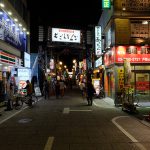
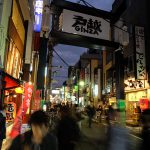
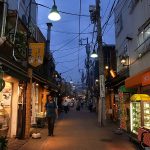
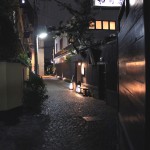
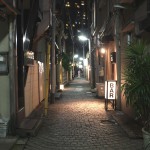
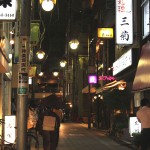
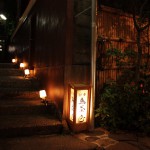
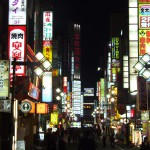
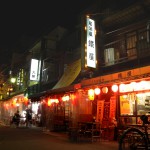
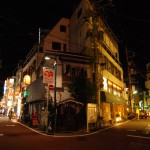
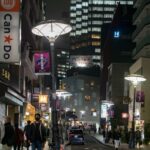
In front of the main gate to Senso-ji Shrine lies the neighborhood of Asakusa. One of Tokyo’s most popular entertainment districts, Asakusa flourished with kabuki, opera, and comic storytelling from the Meiji Era to the end of WWII. The Lighting Detectives discovered a variety of decorative streetlights and a lighting atmosphere fitting for this lively cultural destination. Upon entering the famous Kaminarimon, the Nakamise approach proceeds towards the shrine with bright-white, fluorescent-tube illuminated signage lining both sides. After navigating this corridor, walls of softly glowing lanterns come into view. The lanterns once lit with fire were replaced with incandescent bulbs and now fluorescent lamps. In popular neighborhoods like Shibuya or Roppongi, architectural facade lighting or neon signage fills the vertical space and “street lighting” is virtually non-existent. However, a variety of decorative streetlights festively illuminate the streets of Asakusa for a very fitting lighting environment. Pub signage and lanterns dispersed along the dark streets of Asakusa create an uncanny charm in this neighborhood. Roadway lux levels are a fairly dim 10-16 lx, but the red lanterns hanging from the eaves of establishments dig up affection for this old town.