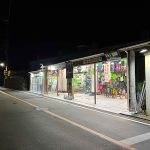
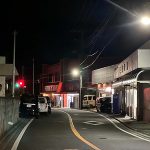
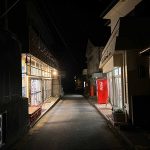
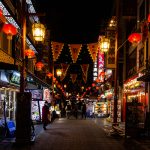
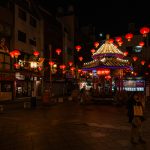
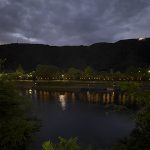
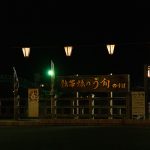
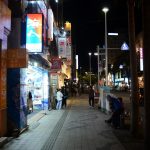
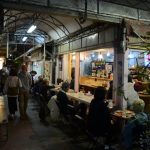
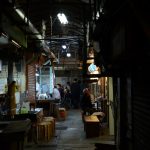
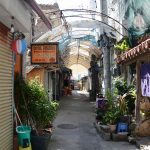
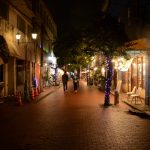
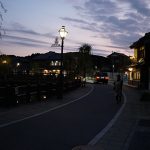
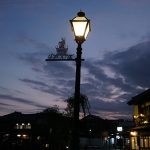
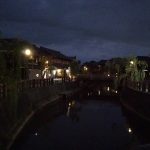
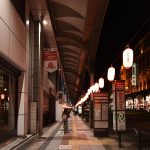
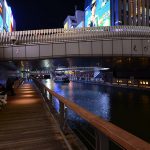
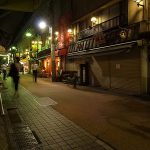
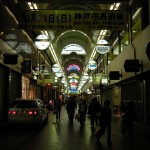
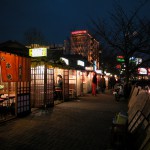
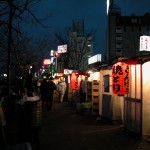
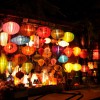
Hoi An was once a flourishing intermediate city of trade. Now, the city is trying to protect the traditional streetscape to appeal as a tourist destination. The nostalgic lantern festival, which was held every full moon, is being reintegrated, as they take on a “back to the basics” attitude towards modern city life. Compared to cities developing vigorously, but blindly economically, Hoi An growth is more diverse. Street vendors line alleyways with festive displays of lanterns. The fantastic atmosphere raises the mood and adds a functional amount of light to these dim side streets with out any street lighting. Built in the 16th century, the Japanese Covered Bridge is a focal point of the old streetscape. Many lanterns hang from the ceiling and spotlights mounted between the roof and bridge softly highlight its features. Inside, cafes are also filled the lanterns, great for creating a relaxing environment. At first glance candles or incandescent lamps seem fitting, but these lanterns are actually all fitted with fluorescent lamps.
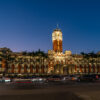
City Night Survey – Taipei & Taichung, Taiwan 2023.10.30 – 11.04 Genki Watanabe+Hikaru Kimura Office of the Governor-General Taiwan is geographically close to Japan and has deep historical ties. It is famous for its skyscrapers such as Taipei 101 and, more recently, for buildings designed by Japanese architects. Renovations of old buildings are also being actively undertaken. We investigated how the mixture of old and new influences the light and human activity in the cities of Taipei and Taichung. Taipei and Taichung The capital of Taiwan, “Taipei” is characterized by world-class skyscrapers such as Taipei 101 and streetscapes that retain historical architecture. In addition to new buildings, there are also many renovations of existing buildings, creating a city with a mixture of old and new architecture. Taichung has become the second largest city in Taiwan in terms of population in 2017 as a result of government-led urban development efforts in recent years to disperse the over concentration of the metropolis in Taipei.We investigated how Taichung, planned as a compact city, affects the city’s light and human activity, and how it differs from Taipei’s light. The nightscape of Old City (west side) from Taipei 101 Taipei’s Urban Area Taipei’s urban area can be roughly divided into two areas. The west side of the city is the Old City, where historical buildings still remain. Many important political centers are still located on the west side, and historical buildings are still used as administrative…
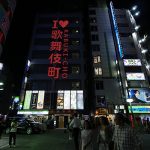
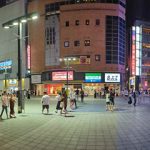
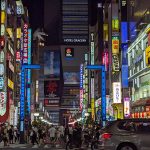
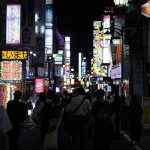
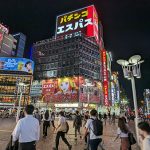
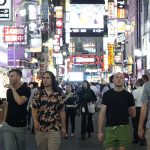
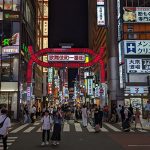
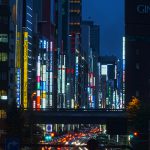
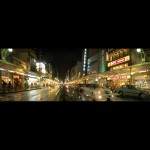
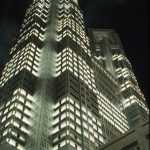
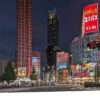
2023.07.19 Shunichi Ikeda + Masashi Kurobe + Yuta Shibata Shinjuku Kabukicho, Japan’s largest entertainment district, is a dazzling neon-lit labyrinth filled with restaurants, movie theaters, and amusement facilities. Its streets are teeming with people all night long. In recent years, however, the district has faced challenges, such as the growing presence of “Toyoko Kids” congregating in Cine City Square and engaging in criminal activities. Despite these issues, the opening of the new iconic Tokyu Kabukicho Tower has brought renewed attention to the area. As lighting detectives, we delve into the current state of Kabuki-cho, examining its lighting environment and cultural significance. ■Kabuki-cho Reborn: A Post-COVID Entertainment DistrictSeventeen years after our lighting survey in Shinjuku in 2006, Kabuki-cho has evolved from large-scale development into a global tourist hotspot. Though deserted during the 2020 state of emergency, the area is now vibrant again with the opening of Tokyu Kabuki-cho Tower. This survey revisits Kabuki-cho, comparing it with the previous survey and analyzing its changing lighting environment. ■Tokyu Kabuki-cho Tower: An All-Out Entertainment ComplexThe Tokyu Kabuki-cho Tower, a 48-story, approximately 225-meter-tall, super high-rise entertainment complex comprising a hotel, movie theater, theater, and more, opened in April 2023.Upon entering the building, I was overwhelmed by the countless glittering lights that filled the space. The small shops and narrow corridors were adorned with an excessive number of paper lanterns, creating an atmosphere reminiscent of an Asian festival. Outside, the building’s digital signage, facade indirect lighting, reflected…
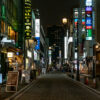
2021.10.27 Shunichi Ikeda + Erina Hosono + Namiko Watanabe About three weeks after the state of emergency in Tokyo was lifted, we conducted our first urban night walk survey since the COVID-19 outbreak, heading to Akasaka. The area between Akasaka and Akasaka-mitsuke features both traditional establishments such as atmospheric ryotei (Japanesestyle restaurants) and neon-lit entertainment districts reminiscent of Kabukicho. At the same time, Akasaka has gained recognition as a tourist destination due to redevelopment centered around Akasaka Sacas. We surveyed the nighttime environment of this area where tradition, business, and nightlife coexist. ■Aerial Nightscape of AkasakaThe central area of Akasaka lies roughly in the middle of the cluster of high-rise buildings. At first glance, the nightscape viewed from above gives a rather subdued impression, due to the lack of prominent building illuminations or large advertising towers. However, upon closer inspection, one can see clusters of commercial lights peeking through the gaps between buildings. While the limited presence of dramatic lighting or decorative illuminations may make it less visually striking, the overall effect is a calm and environmentally friendly nightscape. ■Akasaka Sacas AreaAkasaka Sacas, a multi-use complex directly connected to Akasaka Station, is usually frequented by businesspeople and shoppers. However, likely due to the lingering effects of the COVID-19 pandemic, the number of passersby during our survey was surprisingly low, which was unfortunate. The nighttime lighting around the base of the 179-meter-tall Akasaka Biz Tower is uniformly set to a relatively low…
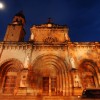
Because of previous colonial rule and occupation by Spain, USA, and Japan, many different cultures are accepted in the Philippines. As with architecture or cuisine, the uniquely arranged culture is also visible in the lighting environment. But behind the bright lights and in the shadows, we also saw a gap in the standard of living. For many people the church is a stronghold in their lives. The walls of this church were brightly lit with fluorescent lights and for relief from the heat several fans are also mounted on the walls, a nightscape very familiar in Asia. The floodlights bath the facade in featureless, flat light. In the area of town where Spanish architecture is still preserved hang sodium lamps, giving everything, walls, ground, and buildings an orangish glow. The dark green vegetation by the day is lost, but the historical atmosphere of the street seems like a scene out of a period movie. In the poorer areas of the city burned out streetlights are everywhere, but in the wealthier areas high-rise apartments and office buildings stand tall and just like in any other big city, there is a lack of individualism in this nightscape. Compared to the intensity of light in adjacent neighborhoods, the economical gap is prominent.