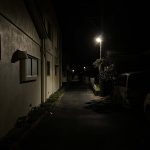
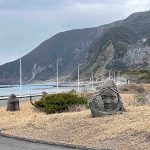
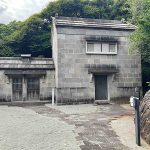
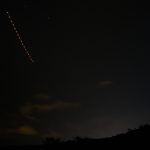
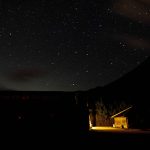
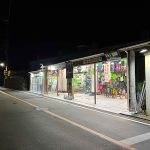
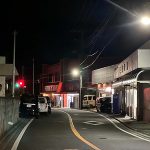
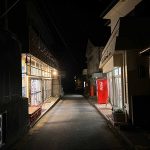
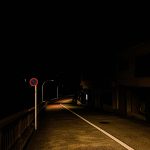
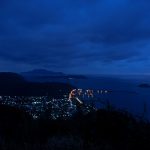
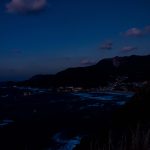
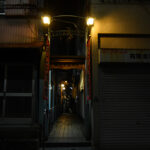
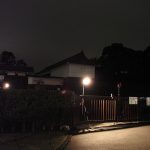
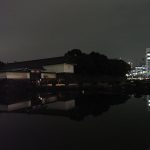
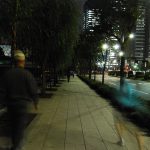
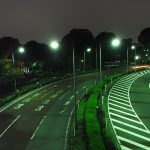
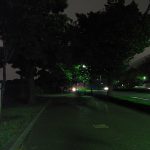
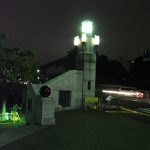
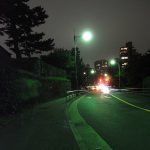
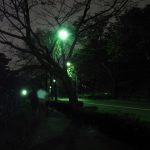
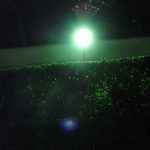
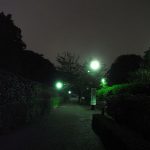
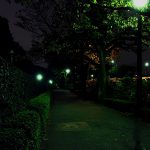
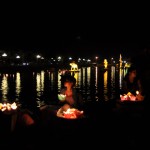
2023.01.20-01.22 Yuichi Anzai+ Chuanyi Liu ■Kozushima Village Kozushima is located about 180 kilometers south of central Tokyo with a population of about 1,800. The terrain is complex, with almost no flat land. The village is located in the center of the island at the foot of Mt. Tenjo. The impetus for the starry sky protection activities on Kozushima came from a comment made during a student internship program by the Tourism Foundation in 2016, that the night sky was as beautiful as a planetarium. The starry sky, a common sight on the island, has become a tourism resource. An island-wide effort to protect the sky began. Specific efforts include replacing streetlights and security lights with fixtures with 0% upward luminous flux and 2,700K color temperature, holding explanatory meetings for residents and regular workshops with experts to gain their understanding and cooperation in light pollution and starry sky protection activities, training islanders as guides, and holding star gazing events to protect the night sky from light pollution and communicate the appeal of the starry sky both on and off the island. The island is also working to protect the night sky from light pollution and convey the charm of the starry sky to the public. The “Light Pollution Prevention Ordinance to Protect the Beautiful Starry Sky of Kozushima Village,” which specifies the responsibilities of residents and businesses to prevent light pollution, will be enacted in 2019, and rules are being developed to…
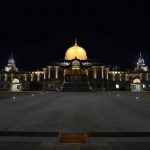
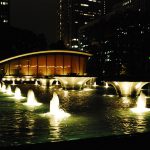
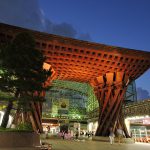
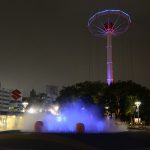
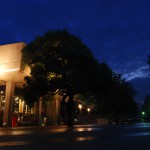
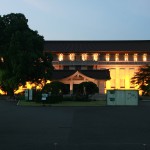
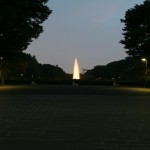
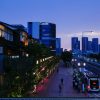
Rich in local history and cultural facilities, Ueno Park covers a large area in the middle of Tokyo. Even though located in an urban setting, we anticipated a lighting environment completely different than the lights of downtown. Between the trees and darkness of the park there are patches of Tokyo`s bright night sky, but the hushed silence is isolated from the city`s hustle and bustle. Ueno Park`s quiet presence gently sleeps next to Tokyo`s vibrant downtown. Approaching Ueno Park from the JR train station. The large overhang of the Tokyo Bunka Kaikan is brightly illuminated in contrast to the surrounding darkness of the park. A view o f northern Tokyo over the Shinobazu Pond from an elevated Ueno terrace. The bright lights of a vibrant downtown are seen in the distance beyond the dark trees of the park. However, through the darkness a bright, orange, sodium lamp illuminates the Benten Shrine near the pond. Looking towards the water fountain plaza from the Tokyo National Museum. A slightly bright night sky, characteristic of most metropolitan areas, opens over head with a dark belt of trees and tiny dots of light below. Young couples seeking a quiet spot away from the lights, snuggle up together on near benches.
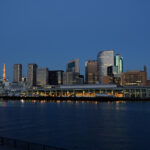
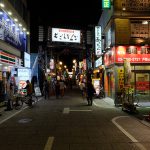
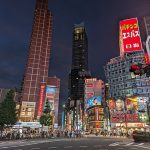
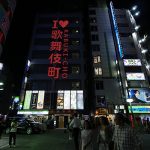
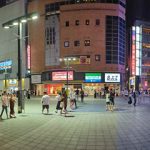
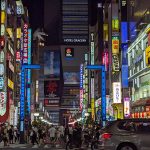
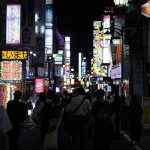
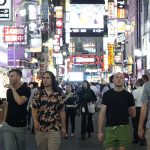
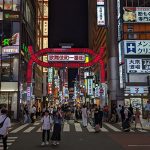
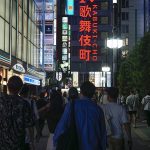
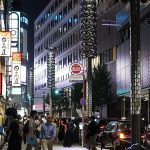
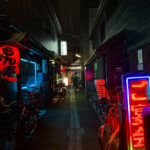
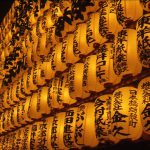
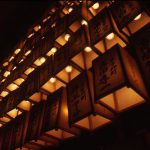
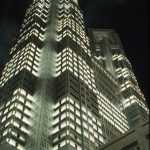
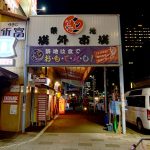
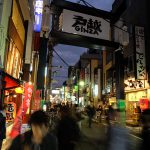
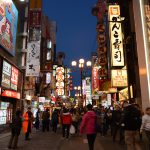
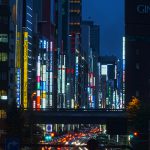
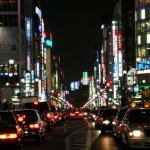
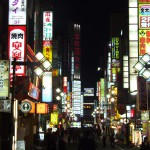
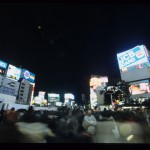
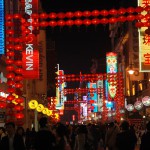
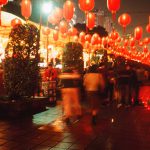
2023.07.19 Shunichi Ikeda + Masashi Kurobe + Yuta Shibata Shinjuku Kabukicho, Japan’s largest entertainment district, is a dazzling neon-lit labyrinth filled with restaurants, movie theaters, and amusement facilities. Its streets are teeming with people all night long. In recent years, however, the district has faced challenges, such as the growing presence of “Toyoko Kids” congregating in Cine City Square and engaging in criminal activities. Despite these issues, the opening of the new iconic Tokyu Kabukicho Tower has brought renewed attention to the area. As lighting detectives, we delve into the current state of Kabuki-cho, examining its lighting environment and cultural significance. ■Kabuki-cho Reborn: A Post-COVID Entertainment DistrictSeventeen years after our lighting survey in Shinjuku in 2006, Kabuki-cho has evolved from large-scale development into a global tourist hotspot. Though deserted during the 2020 state of emergency, the area is now vibrant again with the opening of Tokyu Kabuki-cho Tower. This survey revisits Kabuki-cho, comparing it with the previous survey and analyzing its changing lighting environment. ■Tokyu Kabuki-cho Tower: An All-Out Entertainment ComplexThe Tokyu Kabuki-cho Tower, a 48-story, approximately 225-meter-tall, super high-rise entertainment complex comprising a hotel, movie theater, theater, and more, opened in April 2023.Upon entering the building, I was overwhelmed by the countless glittering lights that filled the space. The small shops and narrow corridors were adorned with an excessive number of paper lanterns, creating an atmosphere reminiscent of an Asian festival. Outside, the building’s digital signage, facade indirect lighting, reflected…
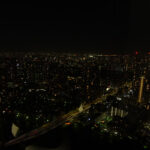
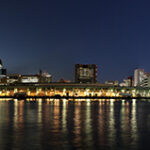
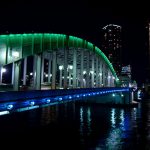
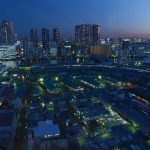
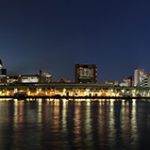
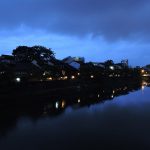
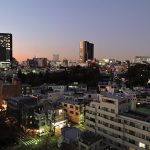
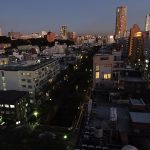
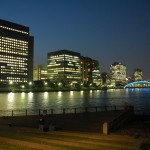
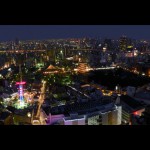
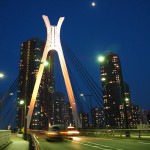
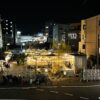
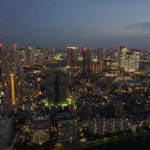
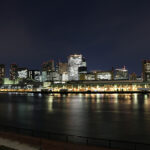
Tokyo Survey: Tsukuda / Tsukishima 2019.11.18 Kyoko Takubo+Yuichi Anzai+Namiko Watanabe An overview of Tsukishima. In contrast to the bright large city buildings, the small alleys and storefronts don’t leak much light Tsukuda is an fisherman island made in Edo-period. Tsukishima was landfilled in Meiji era and now there are still many row houses and small alleys. While the port area of Tokyo is going through mass redevelopment, we investigated the lighting environment of this area filled with intermingling old town houses and large city buildings. Tsukuda Tsukuda 1Chome Mainstreet. Children playing outside the old candy store Tsukuda 1 Chome Mainstreet is mainly lit with mercury lamps Tsukuda Machikado Museum. Its lit with LED3000K with about 134lx. Our investigation started by taking an overview photo from a tall building from the other side of the river. With the hustle and bustle bright lights from the Central area’s cityscape, there was one part that was dark- that is our target of this investigation, Tsukuda・Tsukishima. The dark patch from this area is even more pronounced as it is surrounded by the bright city lights all around. As we get back on the ground, we headed towards Tsukuda 1 chome (Old Tsukuda Island) Mainstreet. On our way we saw the mercury lamp streetlights (4500K) emitting some green tinted white light. The average brightness was around 11lx. In the day you could still see a nostalgic scene with children playing outside the old candy store…
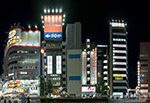
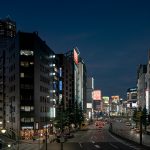
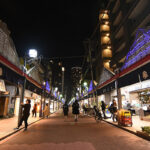
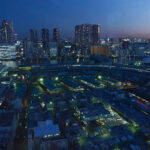
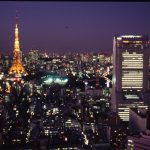
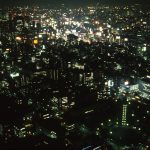
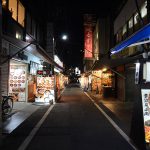
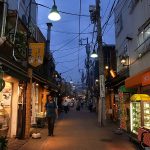
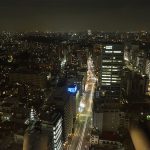
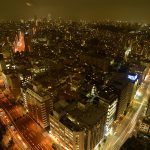
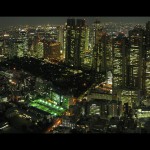
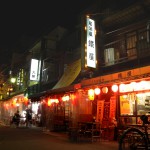
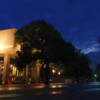
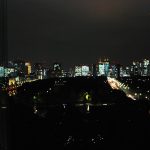
2021.10.27 Shunichi Ikeda + Erina Hosono + Namiko Watanabe About three weeks after the state of emergency in Tokyo was lifted, we conducted our first urban night walk survey since the COVID-19 outbreak, heading to Akasaka. The area between Akasaka and Akasaka-mitsuke features both traditional establishments such as atmospheric ryotei (Japanesestyle restaurants) and neon-lit entertainment districts reminiscent of Kabukicho. At the same time, Akasaka has gained recognition as a tourist destination due to redevelopment centered around Akasaka Sacas. We surveyed the nighttime environment of this area where tradition, business, and nightlife coexist. ■Aerial Nightscape of AkasakaThe central area of Akasaka lies roughly in the middle of the cluster of high-rise buildings. At first glance, the nightscape viewed from above gives a rather subdued impression, due to the lack of prominent building illuminations or large advertising towers. However, upon closer inspection, one can see clusters of commercial lights peeking through the gaps between buildings. While the limited presence of dramatic lighting or decorative illuminations may make it less visually striking, the overall effect is a calm and environmentally friendly nightscape. ■Akasaka Sacas AreaAkasaka Sacas, a multi-use complex directly connected to Akasaka Station, is usually frequented by businesspeople and shoppers. However, likely due to the lingering effects of the COVID-19 pandemic, the number of passersby during our survey was surprisingly low, which was unfortunate. The nighttime lighting around the base of the 179-meter-tall Akasaka Biz Tower is uniformly set to a relatively low…