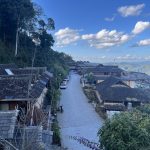
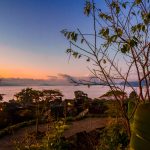
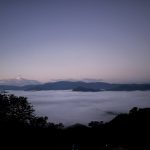
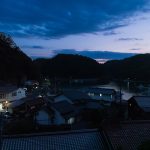
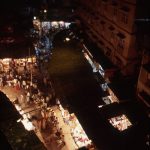
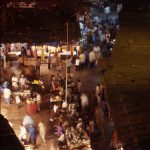
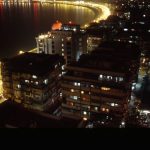
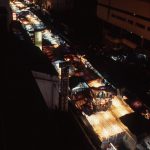
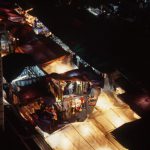
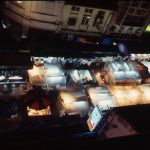
2025.04.19 Hikaru Kimura + Noriko Higashi When we first held a workshop in Hida Furukawa in 2023, city hall staff told us just how deeply the people of Furukawa cherish their festival. At the Hida Furukawa Festival Exhibition Hall, we were given explanations about the history of the festival and the stalls. We also had the opportunity to see the storehouses where each neighborhood keeps its stall, as well as the lantern stands placed in front of individual houses. This inspired us to head to Furukawa with the intent of exploring and documenting the festival scenes that are so important to the local people. The Furukawa Festival, held annually on April 19th and 20th, is designated as a UNESCO Intangible Cultural Heritage and a National Important Intangible Folk Cultural Asset of Japan. It’s a community-wide celebration so deeply rooted in the town’s identity that even former residents living outside the area for school or work return home specifically for the festival. The event centers around two main elements: the “Okoshi Daiko,” a ritual where a giant drum is paraded through the town and beaten throughout the night, and the “Yatai Procession,” where each neighborhood pulls its own stall through the streets. When we first visited Furukawa in April 2022 for a workshop, it happened to be just after the festival had ended. The excitement had slightly faded, and the town was in the midst of cleanup. During that time, we…
2023.09.22 – 2023.09.26 Ke Yonglin + Chuanyi Liu
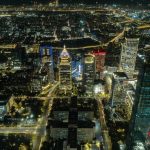
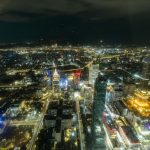
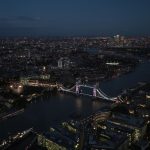
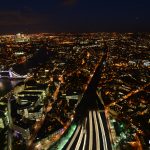
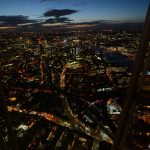
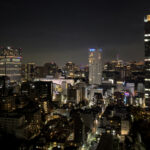
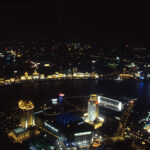
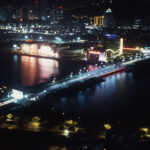
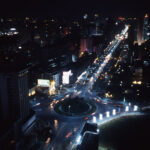
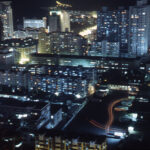
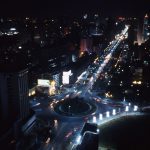
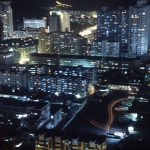
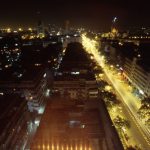
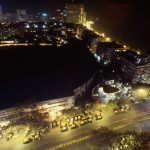
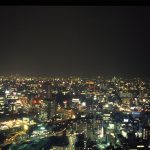
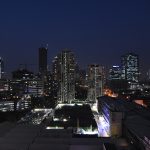
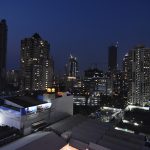
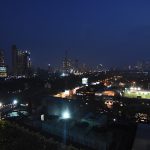
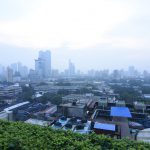
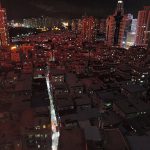
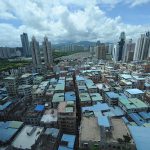
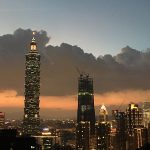
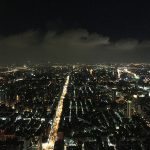
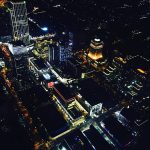
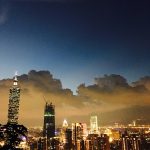
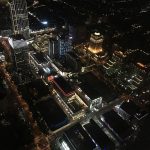
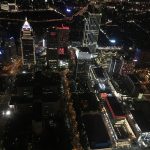
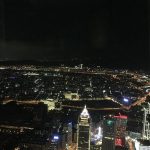
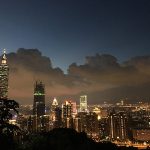
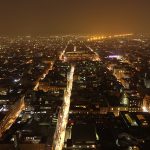
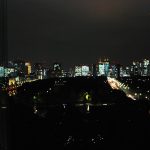
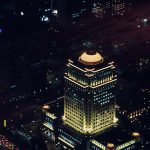
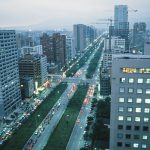
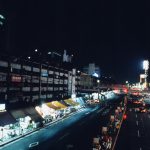
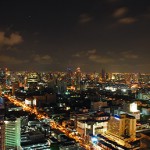
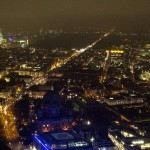
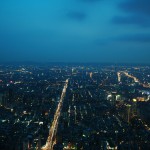
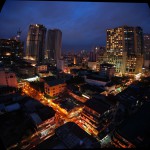
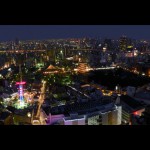
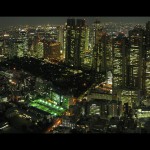
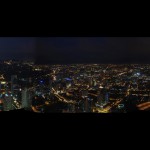
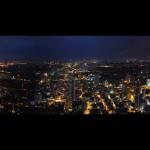
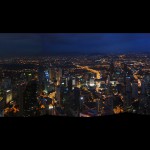
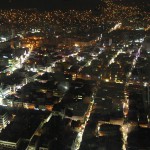
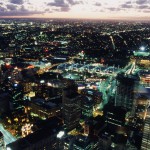
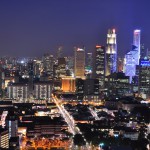
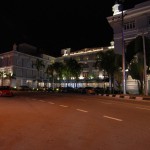
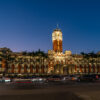
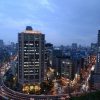
City Night Survey – Taipei & Taichung, Taiwan 2023.10.30 – 11.04 Genki Watanabe+Hikaru Kimura Office of the Governor-General Taiwan is geographically close to Japan and has deep historical ties. It is famous for its skyscrapers such as Taipei 101 and, more recently, for buildings designed by Japanese architects. Renovations of old buildings are also being actively undertaken. We investigated how the mixture of old and new influences the light and human activity in the cities of Taipei and Taichung. Taipei and Taichung The capital of Taiwan, “Taipei” is characterized by world-class skyscrapers such as Taipei 101 and streetscapes that retain historical architecture. In addition to new buildings, there are also many renovations of existing buildings, creating a city with a mixture of old and new architecture. Taichung has become the second largest city in Taiwan in terms of population in 2017 as a result of government-led urban development efforts in recent years to disperse the over concentration of the metropolis in Taipei.We investigated how Taichung, planned as a compact city, affects the city’s light and human activity, and how it differs from Taipei’s light. The nightscape of Old City (west side) from Taipei 101 Taipei’s Urban Area Taipei’s urban area can be roughly divided into two areas. The west side of the city is the Old City, where historical buildings still remain. Many important political centers are still located on the west side, and historical buildings are still used as administrative…
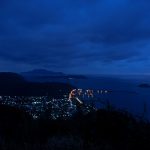
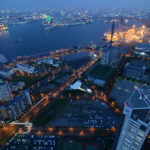
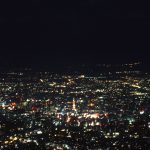
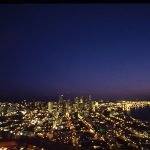
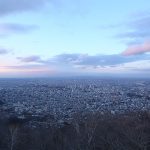
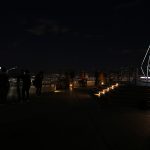
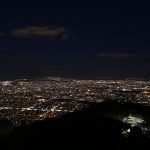
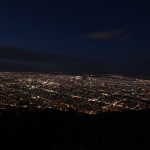
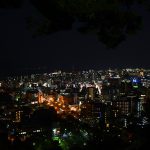
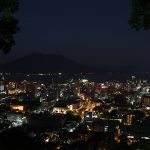
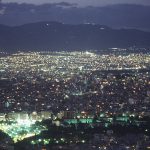
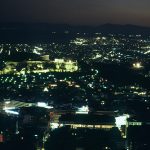
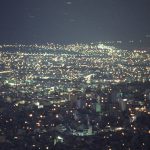
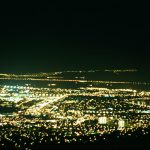
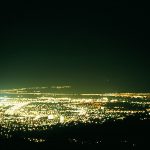
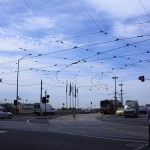
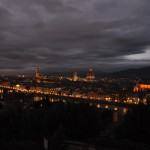
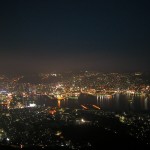
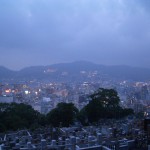
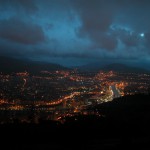
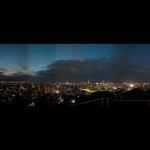
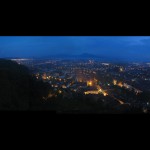
Nagasaki is said to be a melting pot of cultures and people, this also describes its city lighting plan. The city is rainbow colored, with streetlights illuminating white light one moment, orange the next, and green the next from all different types of poles and light fixtures. Lighting is predominantly for street surfaces, but another feature of the Nagasaki nightscape is the illumination of many historical buildings including churches, bridges, and the old trading post. Formed in the hills sloping towards Nagasaki bay, the City of Nagasaki as seen from Mt. Inasa. The faint lights dotting the hills are the many lanterns along the numerous stairways and slopes leading up the hillside. A hot nightspot along Nagasaki bay, Nagasaki Dejima Wharf attracts many after hour visitors looking for a late dinner or drink. The cool breeze from the bay and warm light from the many outdoor restaurants provide a relaxing atmosphere on hot summer nights. The network of cars, streetcars, and pedestrians connect at the busy intersection of Tsukimachi Avenue and Kanko Avenue in downtown Nagasaki. But, as the shops close and the city shutsdown for the night, streetlights specific for road surfaces are the main light source remaining.
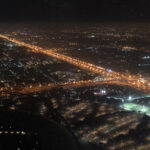
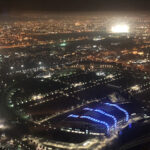
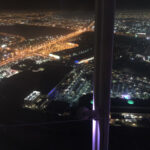
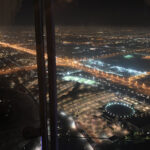
Diriyah, KAFD and Metro stations Riyadh2025.11.16 – 11.18 Gita Listia The purpose of this Riyadh lighting survey is to explore the characteristics of old urban areas and new developments in KAFD Riyadh, with a particular focus on their metro stations. The study aims to understand how each area expresses its identity through public space lighting and how lighting strategies are applied in major infrastructure such as metro station. ■Diriyah Diriyah is a historic area on the north-west side of Riyadh and one of Saudi Arabia’s most important cultural heritage sites. Located along Wadi Hanifah, about 15 km from central Riyadh, it reflects the early history of the city. Today, Diriyah is being developed into a vibrant heritage, cultural, and lifestyle destination, where historic preservation is carefully combined with modern urban design. The lighting in Diriyah is designed to be subtle and heritage-sensitive. Very warm white tones are used to complement the Najdi mud-brick architecture, creating a calm and welcoming night-time atmosphere. Pole lights and bollards in Diriyah feature distinctive shapes, patterns, and warmer colour temperatures compared to typical street lighting in other parts of Riyadh. This traditional lighting character clearly signals that visitors are entering a cultural and heritage area. ■At-Turaif At-Turaif is the birthplace of Saudi history and represents the cultural core of Diriyah. It is recognized as a UNESCO World Heritage Site. Lighting at At-Turaif is highly restrained and conservation-focused. Soft grazing and wall-washing techniques are used to gently…