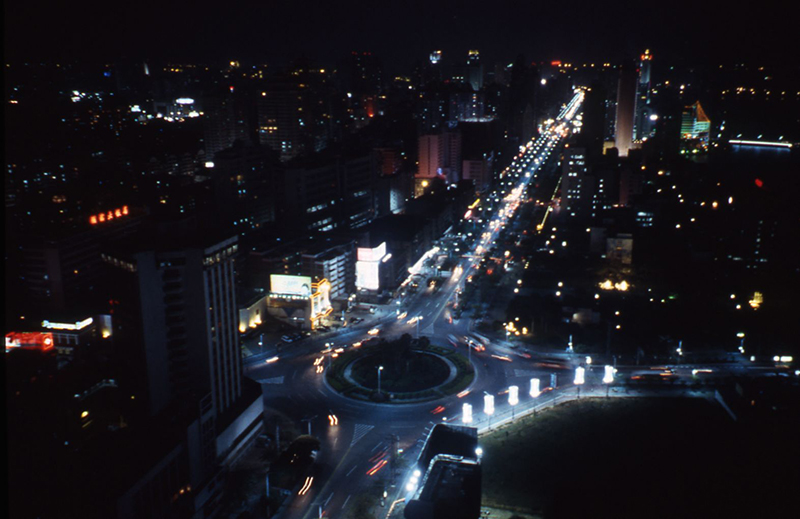
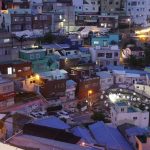
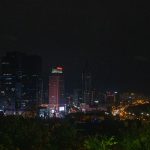
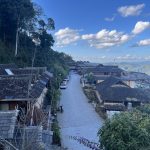
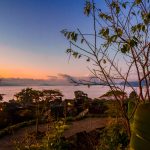
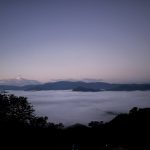
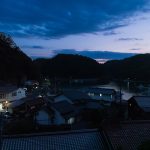
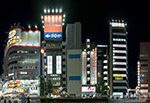
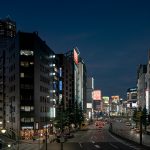
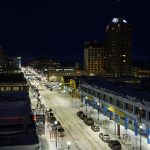
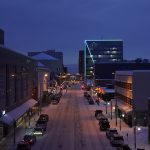
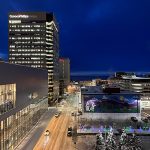
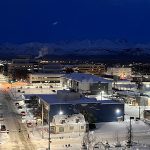
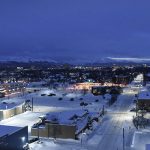
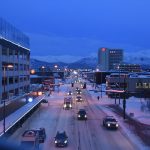
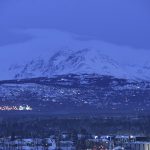
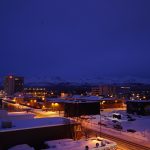
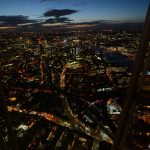
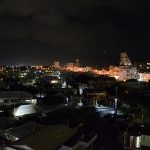
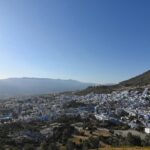
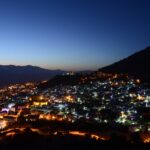
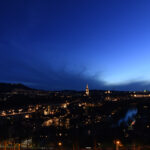
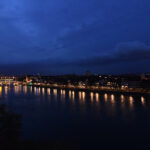
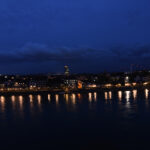
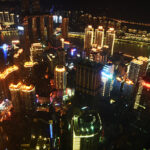
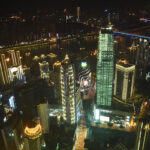
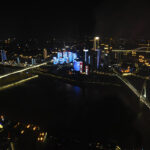
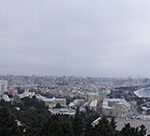
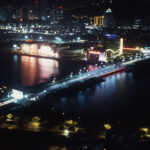
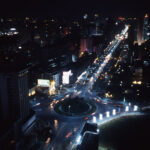
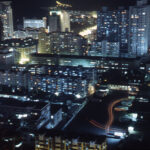
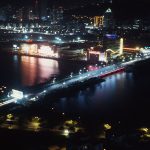
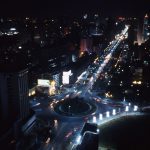
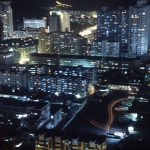
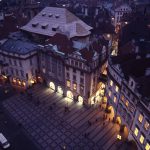
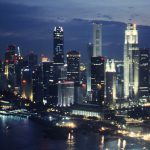
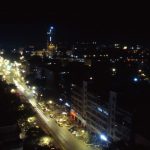
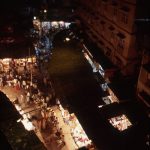
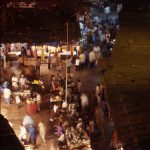
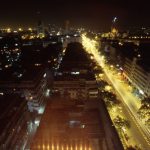
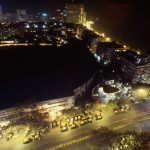
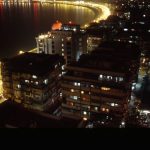
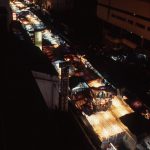
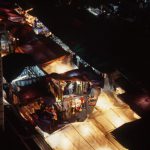
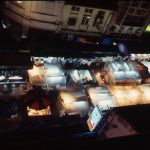
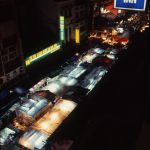
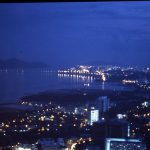
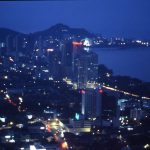
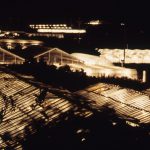
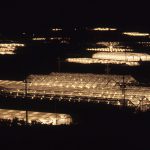
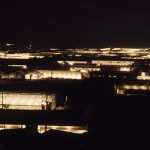
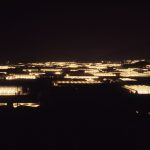
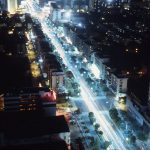
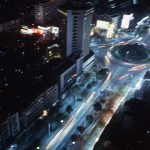
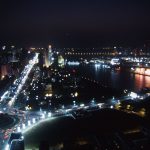
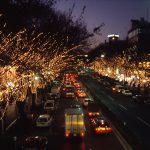
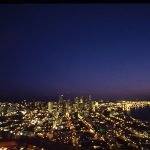
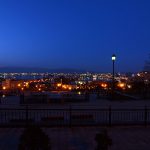
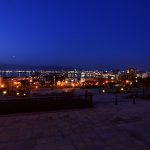
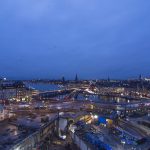
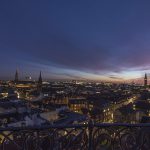
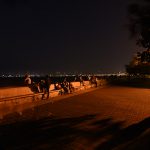
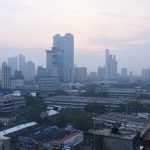
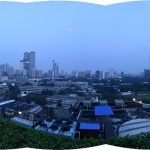
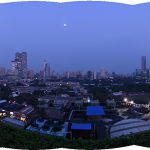
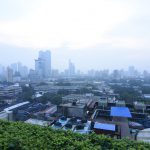
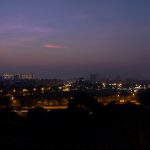
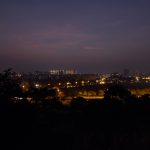
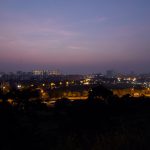
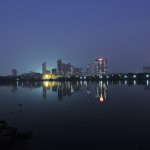
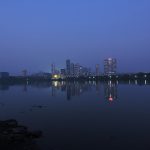
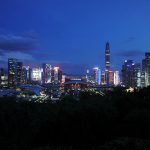
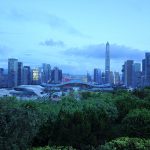
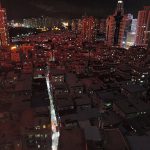
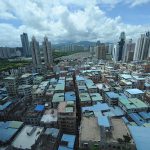
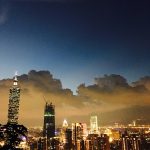
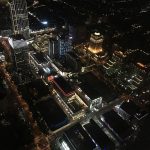
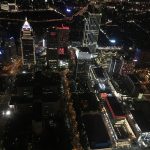
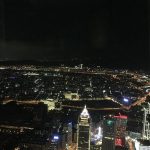
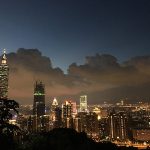
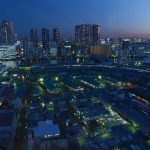
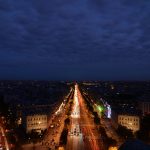
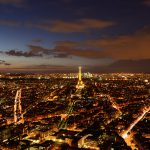
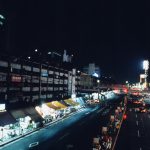
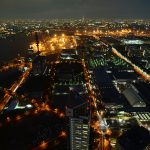
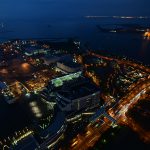
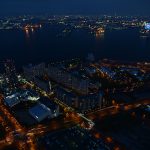
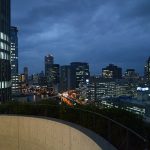
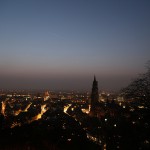
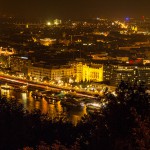
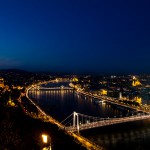
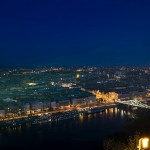
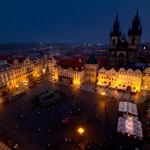
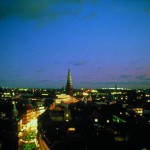
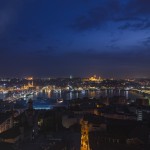
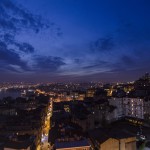
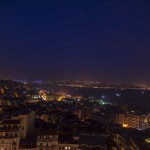
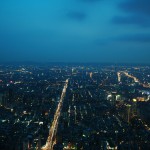
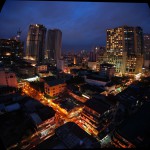
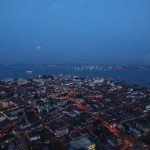
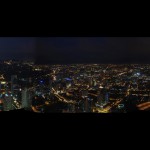
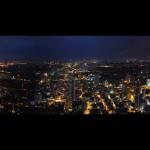
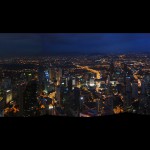
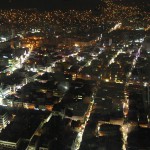
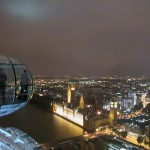
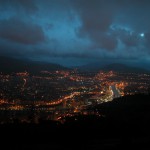
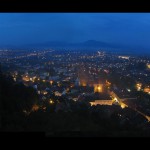
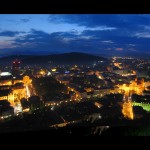
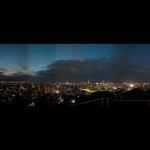
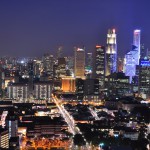
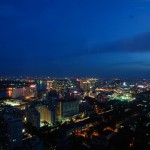
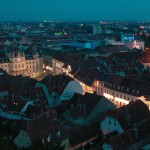
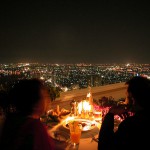
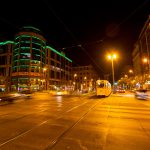
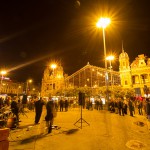
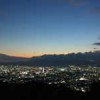
Chong Qing Lighting Survey 重庆史光: Re-Celebrating History of Light 2019.07.04 – 2019.07.05 Clement Lee + Iwata Masahiro Located in the upstream of Yang Tze Basin, Chong Qing serves as one of the manufacturing, transportation and commercial hub of China. Caught within rapid infrastructure changes, this survey seeks to uncover the methods for Architectural and Lighting preservation efforts to reflect the ancient Clement Lee + Iwata Masahiro traditions from the dynasties. Ci Qi Kou Old Town highlighted with linear architecture facade lighting contrasting the light blue canvas sky of the evening Old town of Ci Qi Kou (磁器口): Cultural Hub of Chong Qing Chongqing is a technologically advanced city situated in the mountains of southwest China. With a rich history of being a major economic hub, Chong Qing was propelled to earn a place in the top 13 megalopolises of China. With the theme of understanding and exploring the cultural traditions of Chong Qing, we set out to discover its customs and efforts to preserve the rich traditions which create the unique character that separates this Sze Chuan-influenced province from the other major cities of China. We began at the heart of the city: the old district of Ci Qi Kou. This old town is currently filled with shops sells goods and traditional food of the old Chongqing. A modernized trading hub that reflects the bustling old port to trade porcelain along the Yangtze River. It was a commercial hub for pioneers back in the…
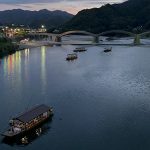
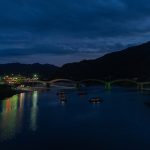
2023.08.02 – 2023.08.04 Yumi Honda+Sachiko Segawa The theme of this survey is “lighting on boats since ancient times”. Cormorant fishing on the Nishiki River in Iwakuni has been practiced for about 400 years. The Kangensai Festival at Miyajima Island has been held since the Heian period (794-1192). We investigated the relationship between water, light, and people in these two different areas. ■Iwakuni The Light of Cormorant Fishing, an Ancient Fishing MethodCormorant fishing has been practiced on the Nishiki River in Iwakuni City, Yamaguchi Prefecture, for about 400 years. The cormorant fishing is still enjoyed today by taking a pleasure boat ride from the foot of Kintai-kyo Bridge, one of the three most famous bridges in Japan. The day we visited was a weekday in mid-summer, and the daytime crowds were sparse, but in the evening, people began to gather along from somewhere the riverbank and board the cormorant fishing boats. In western Japan in summer, it is still light even at 18:00. Looking at the sightseeing boats from the bridge, I could see people enjoying a party on the boats with lanterns hanging down. As it gradually got darker and the lights of Kintai-kyo Bridge and lanterns along the river were lit up, we slowly waited for the cormorant fishing time to start. By the time the pleasure boat landed for a break, the sun had completely set and Iwakuni-jo Castle at the top of the mountain was lit up. Finally, it…
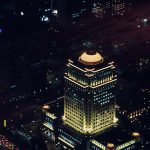
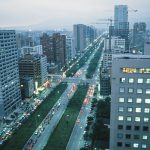
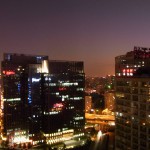
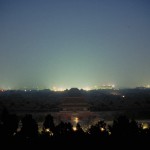
From post-Olympic pride to the celebration of the 60th Anniversary of China as a nation, China is a very vibrant place. In this country where government is central, we discovered elaborate, but regulated lighting, lighting embellished by economic development, and traditional lighting. The old and new intermingle along the streetscape of this constantly changing city. An air of excitement in Tiananmen Square, Beijing. One of the largest plazas in the world, it is brilliantly illuminated and crawling with tourists late into the night. The elaborately controlled lighting is overpowering, a possible symbol of the nation’s authority. A relic alleyway from the Ming Dynasty winds through a residential area. Traditional neighborhoods are built to the human scale with the glow of lantern light dispersed among the alleyways. People are drawn to the lit doorways and their energy spills out into the streets. After 10pm the facade lighting dims and the architectural structure of the National Stadium, or “Birds Nest” is highlighted. The icon seems to be wrapped in a silent kind of glory. Many of the high-rise buildings in the CBD are illuminated at night, a reflection of the recent economic boom.
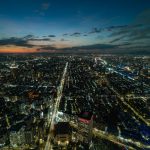
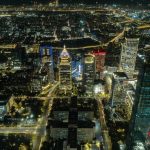
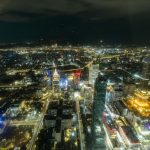
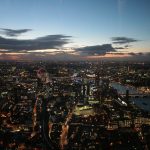
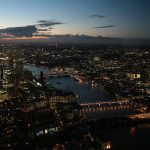
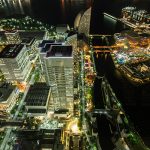
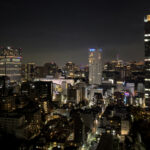
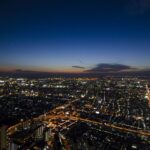
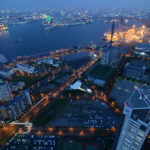
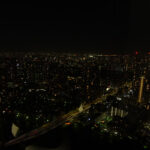
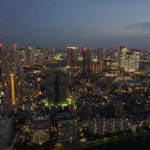
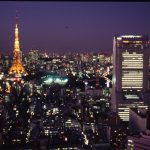
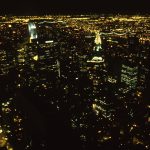
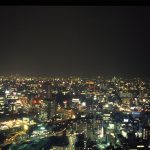
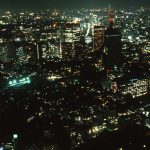
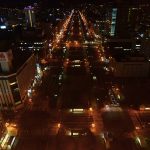
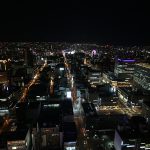
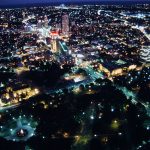
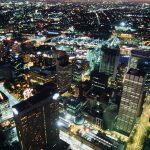
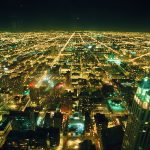
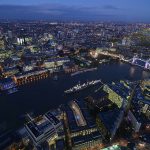
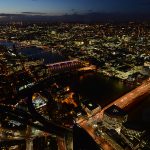
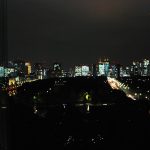
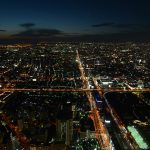
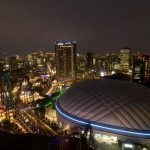
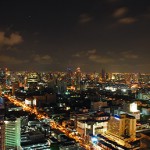
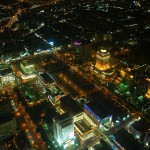
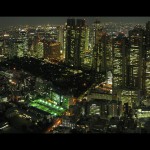
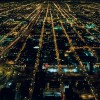
From up above Tokyo looks like an overturn jewelry box, the night streets glitter with lights and it a fairly beautiful sight. Once back on ground, the glitter has turned harsh. It is an economically advanced nightscape, an efficient nightscape with needless light and light pollution. An aerial view of Tokyo at night. The dark area in the center of Tokyo, the Emperor`s Palace, is surrounded by clusters of lights that resemble precious stones. From this view it is unclear where Tokyo begins or ends. The Tokyo nightscape is illuminated in bright white light. Mercury lamps and florescent lights in the background of Tokyo Tower control the nightscape of this city. Old-fashioned houseboats gather in the foreground of the Odaiba District and the Rainbow Bridge.
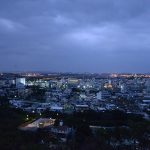
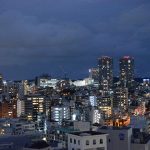
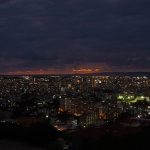
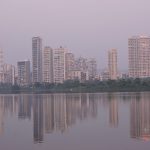
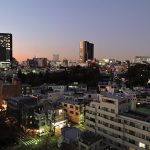
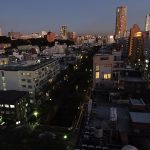
The Diversity of Condominium Lighting in the Tokyo Area Condominiums play a leading role in housing for the Tokyo Area. As the city grew, busy shopping, business, and entertainment districts are supported by the residences, which live in densely populated residential areas. As the population density increased so did the proportion of condominiums for housing. According to reality statistics, condominiums account for 70% of the housing within the 23 wards of Tokyo. For this survey we stepped away from the bustle of the big city and investigated 3 relatively large, densely populated condominium complexes. The three areas all have a different history and commuting distances from the center of Tokyo. What can we discover about the lighting environment of these three totally different condominiums and the surrounding residential area? Toyosu Once an industrial area built on reclaimed land, housing redevelopment started in 2003 and the first of several residential blocks was completed in 2006. Toyosu is a “new city”, built from scratch and popular with younger families and couples. The number of condominiums is astounding, but the development is not just large, but a luxurious residential area as well. Color temperature viewed from the condominium windows: Orange: 80% White: 16% Bluish: 4% The tower condominiums are immediately visible upon leaving the station. Relatively close to the center of Tokyo, these tower condominiums were built during a boom in condominium real estate. Each tower has a luxurious entrance lobby and…