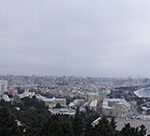
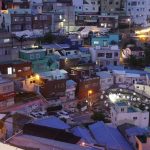
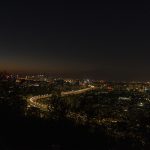
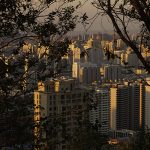
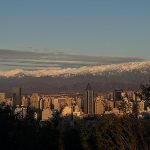
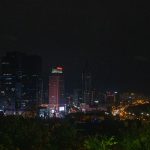
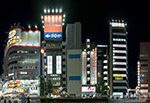
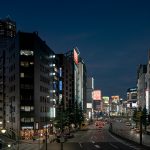
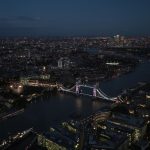
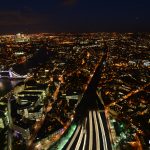
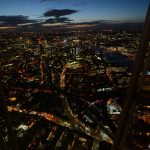
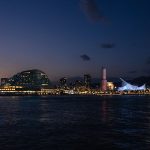
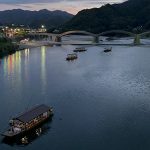
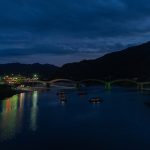
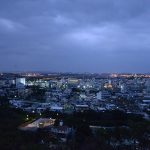
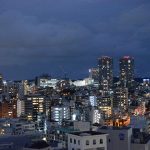
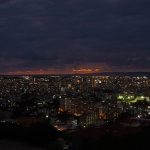
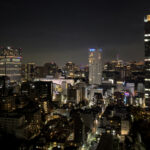
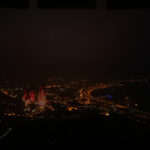
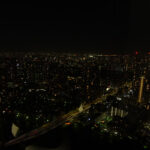
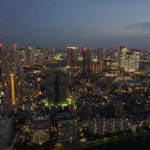
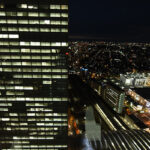
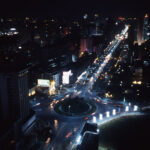
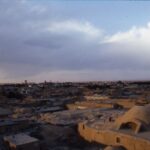
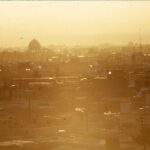
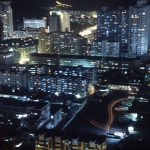
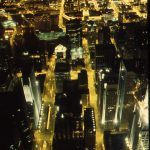
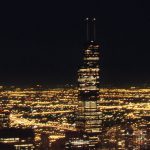
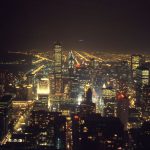
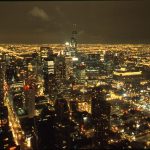
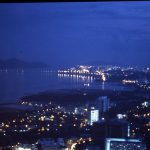
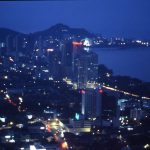
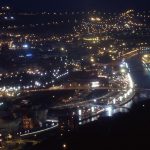
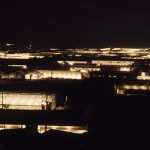
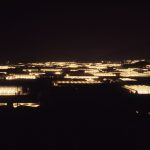
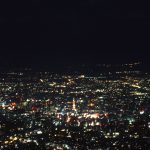
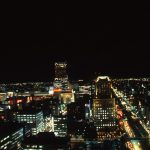
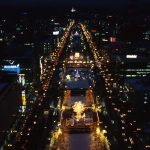
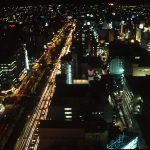
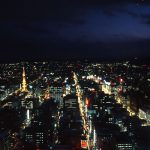
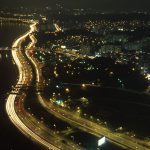
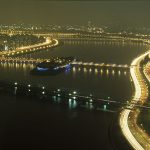
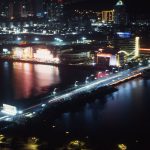
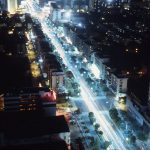
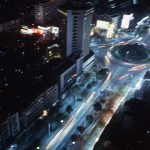
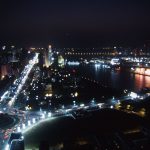
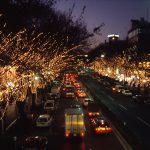
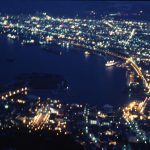
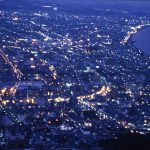
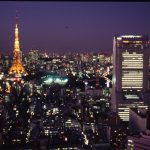
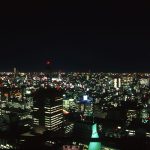
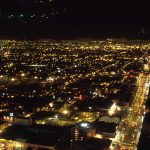
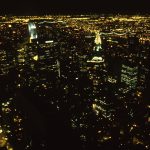
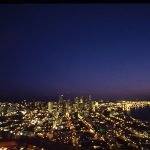
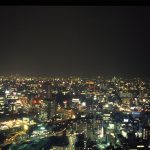
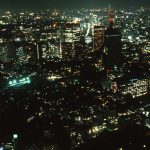
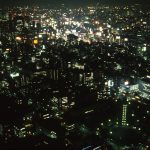
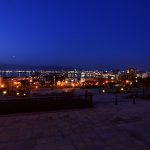
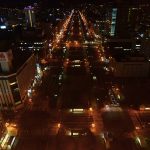
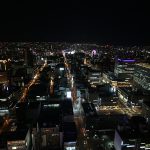
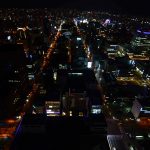
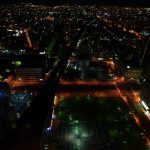
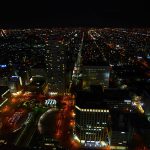
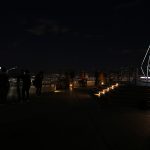
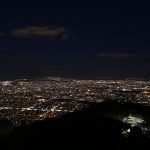
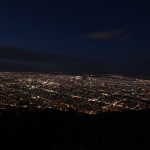
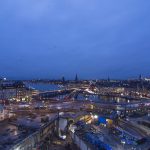
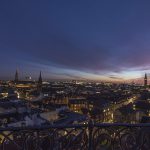
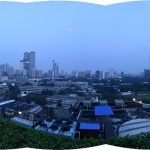
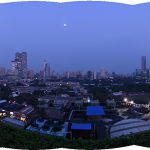
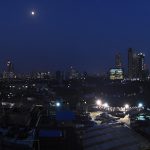
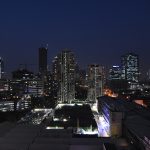
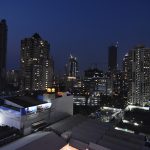
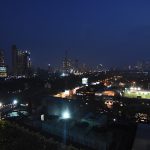
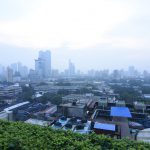
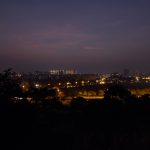
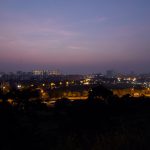
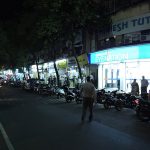
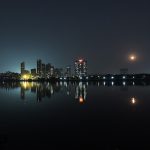
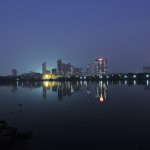
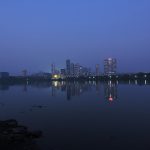
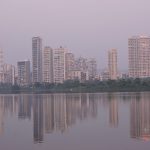
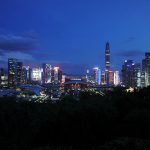
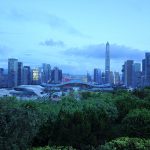
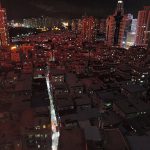
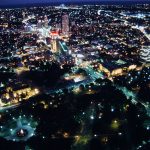
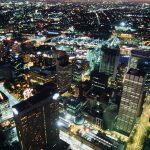
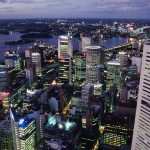
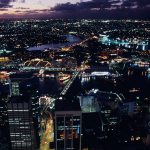
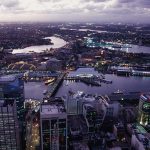
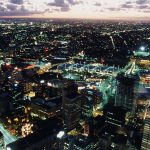
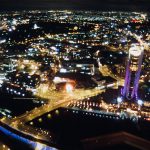
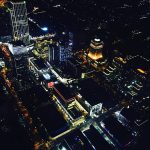
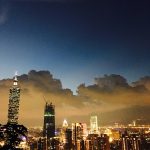
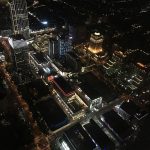
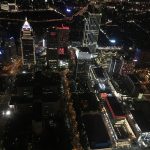
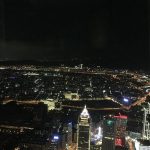
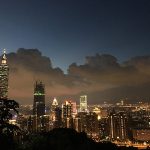
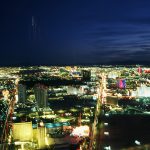
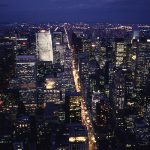
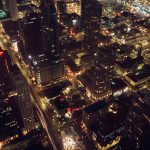
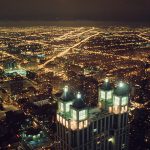
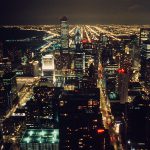
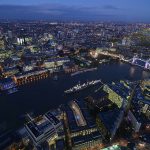
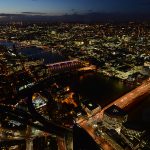
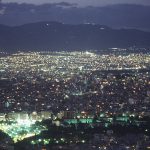
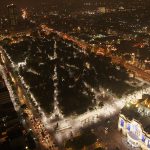
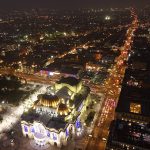
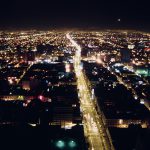
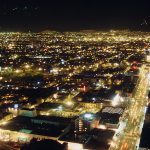
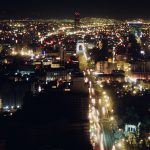
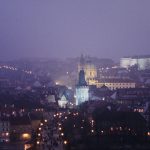
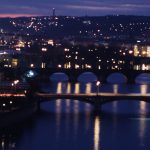
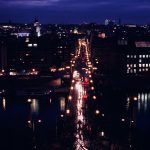
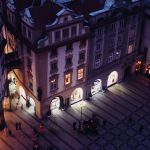
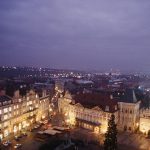
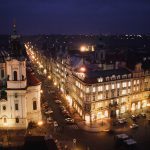
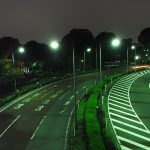
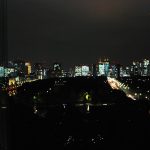
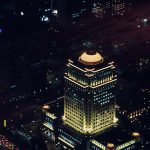
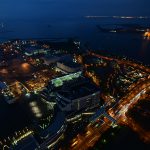
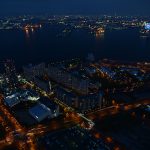
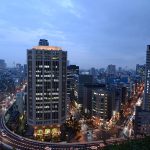
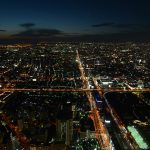
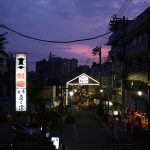
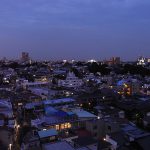
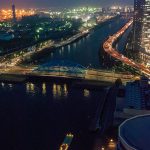
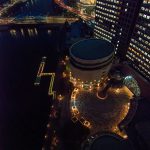
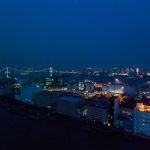
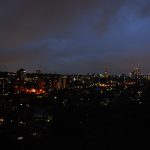
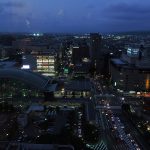
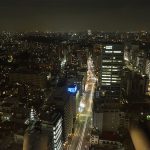
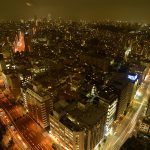
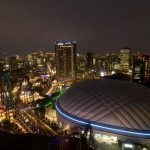
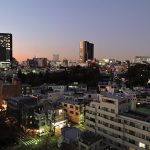
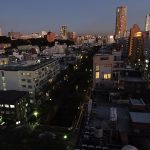
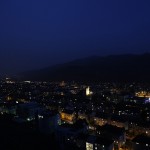
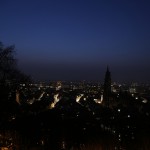
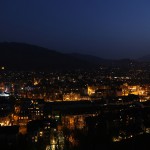
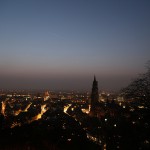
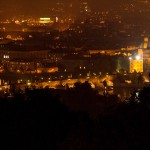
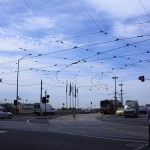
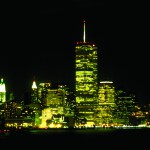
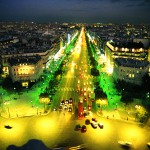
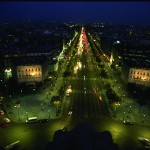
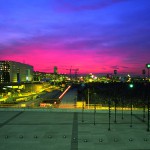
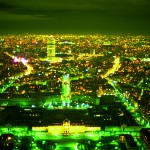
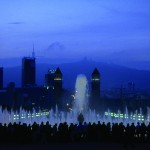
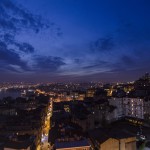
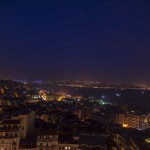
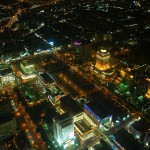
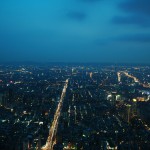
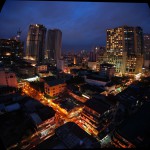
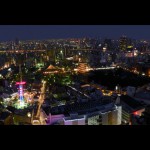
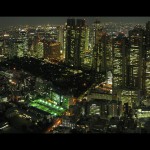
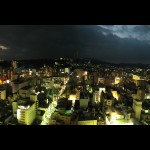
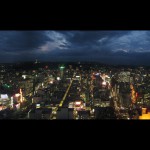
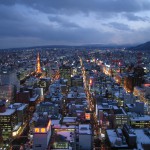
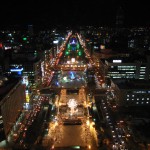
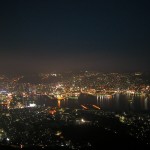
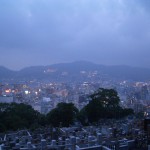
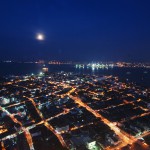
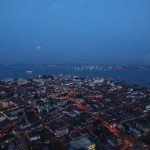
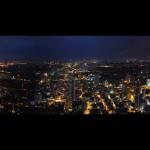
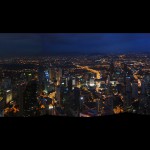
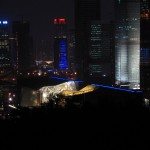
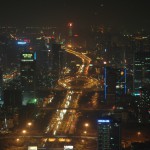
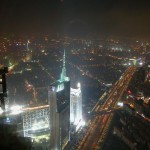
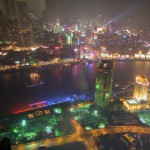
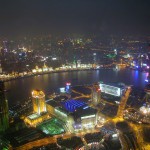
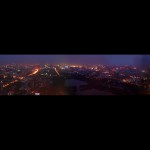
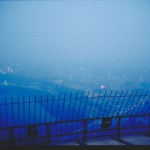
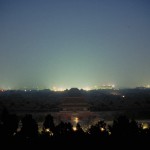
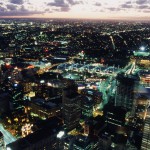
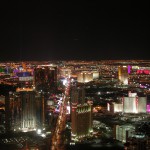
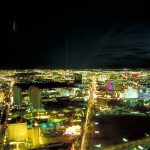
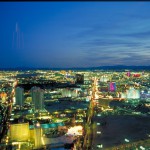
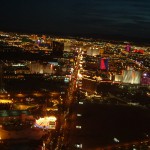
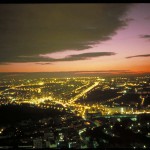
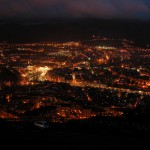
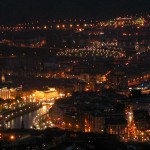
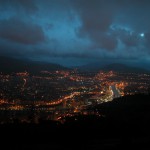
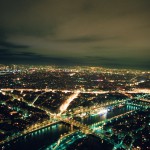
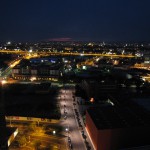
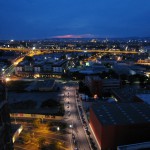
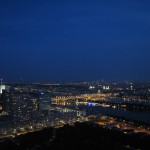
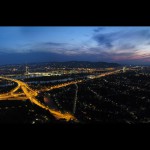
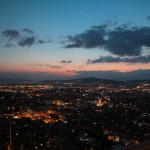
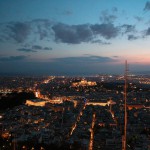
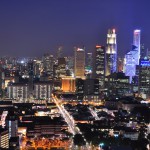
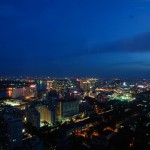
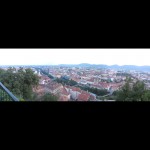
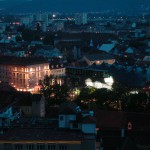
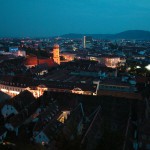
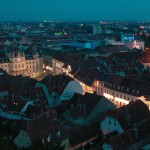
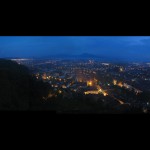
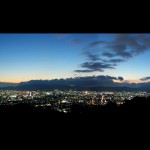
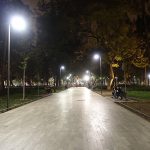
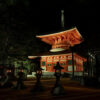
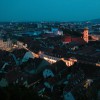
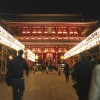
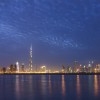
Roppongi has many faces including, an entertainment district with a foreign twist, new offices for daily business, and is developing as a center for the Tokyo art scene. The Lighting Detectives sped around on their bikes in April to discover what kind of light exists in this multi-functional area. The presence of the entertainment district is strongly felt at Roppongi intersection. Most people recognize this intersection as the center of Roppongi, but in recent years new development has created two new areas of focus, leaving the center of Roppongi very ambiguous. Points of reference include Mori Tower, Midtown Tower, Tokyo Tower and the metropolitan expressway, that cuts through, dividing this area of Tokyo. Large-scale luminous signage and a collage of other miscellaneous lighting dominate the view. Looking toward Roppongi from Aoyama Cemetery. The 3 towers that stand pronounced over Roppongi are a product of power and force, but appear alien in this setting. The towers look close and, yet, far off, as this scene can play tricks on your eyes.

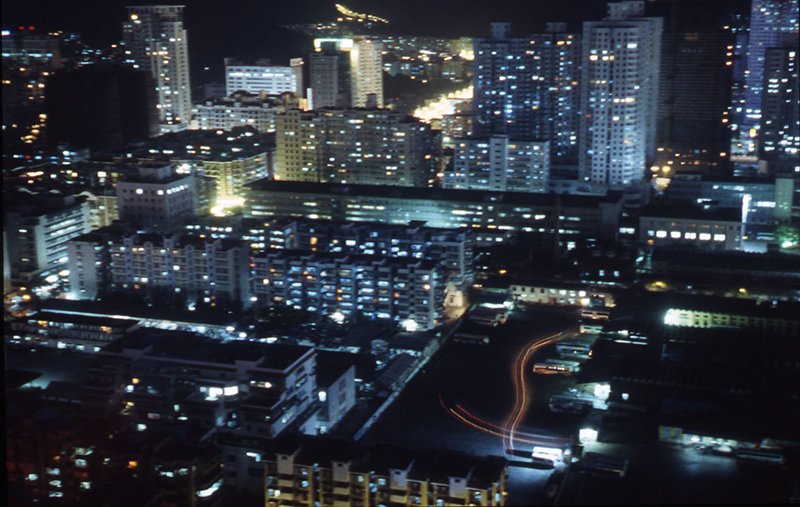
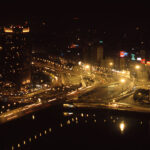
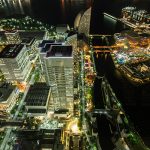
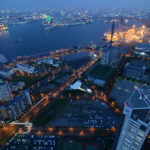
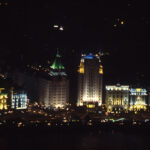
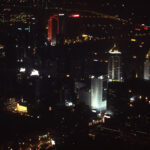
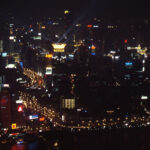
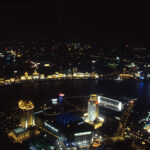
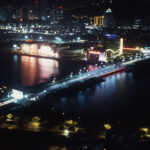
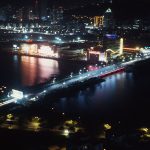
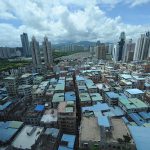
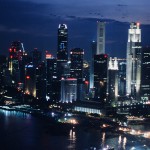
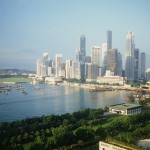
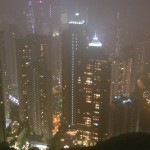
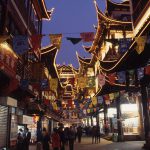
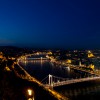
Spring of 2007 in the city-state of Hong Kong; a million dollar nightscape along the waterfront, rows of neon signs create the streetscape, and everywhere you look construction sites for new skyscrapers. The transformation of the city is laid out before your eyes, past present, and the future urban landscape of this small, but powerful city. Along the Hong Kong waterfront a nightly narrated light show thrills tourists with artistic images. Surprisingly, the local government and business community coordinate this show. Streets in the Kowloon District are lined with storefronts that still have an old-fashioned flavor. While walking down these streets I realized that with surrounding buildings and lights of the modern city are out of sight. Is this old street deliberately shielding the buildings to preserve this old district? If so, we have stumbled upon a rare model for urban lighting. Macao, a city in the middle of a construction boom and developer’s dream. Like Hong Kong, large-scale complexes that have taken over entire city blocks are central to the urban layout. Especially on Taipa Island, construction sites are numerous and building not only expand up, but also out. Buildings after building line the streets.
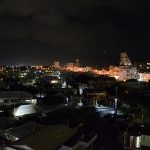
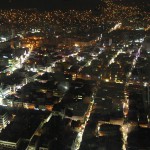
Buenos Aires, aiming to become the Paris of South America, entertains a long siesta in the afternoon leading to a remarkable late nightlife. The atmosphere of these bright, flourishing streets could easily be mistaken for the middle of the afternoon. Where the air of excitement and chaos meet, this is uniquely South American. Diffused, shaded light gives the night scene along Alem Street a pleasant rhythm. The eaves extend out over the sidewalks creating an arcade that acts as a connector from the inside to the outside of buildings. Even at night, the arcades are brightly lit. Bold neon lights attract people to the game center.
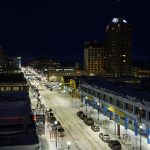
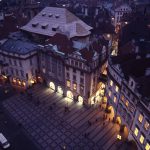
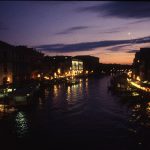
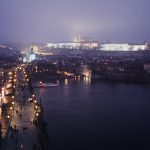
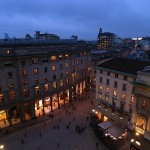
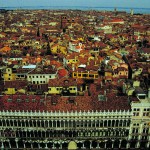
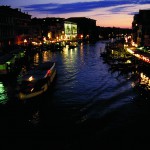
The spirit of light and water reside in Venice. In every corner of the small maze-like alleyways, light and water dance together. During the day it is the sunlight and shadows shining on the water’s surface, at night the small street lamps cast a reflection in the water, Venice creates not only a city of water, but also a city of light. A typical scene along the streets of Venice, a bridge illuminated above the dimly lit canal. Looking from the Ponte di Rialto , the sunset on the Canal Grande unfolds. The people of Venice prefer the waters edge, a boundary between light and shadows along the canals.
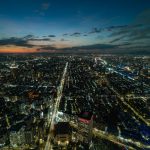
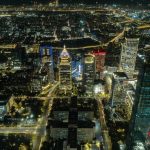
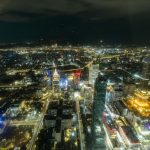
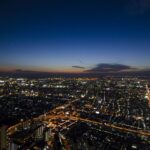
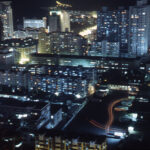
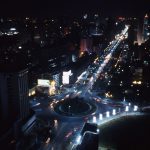
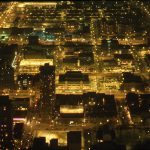
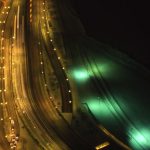
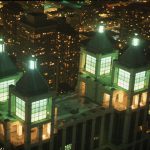
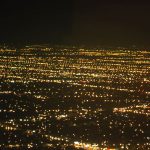
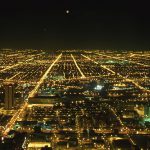
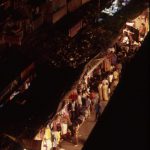
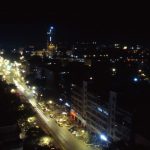
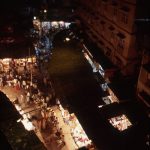
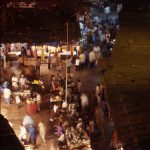
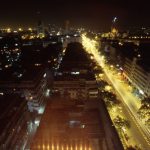
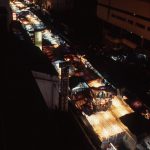
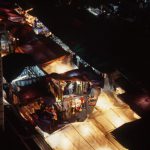
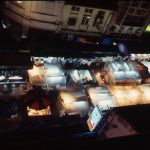
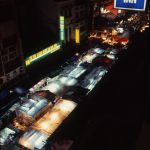
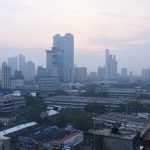
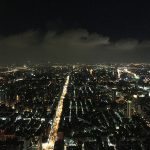
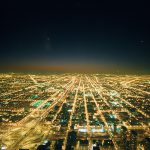
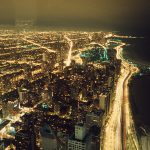
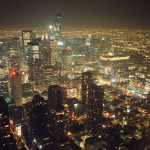
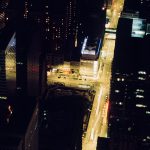
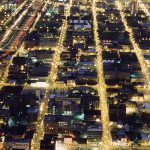
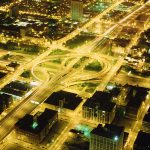
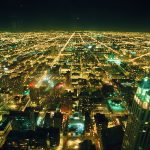
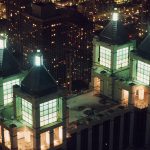
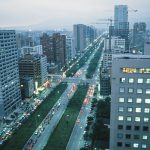
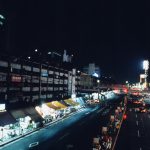
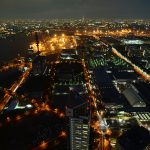
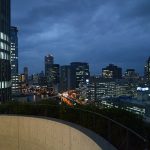
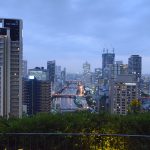
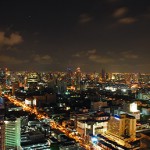
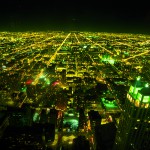
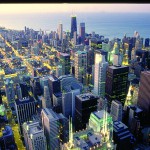
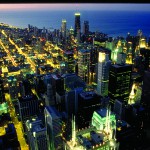
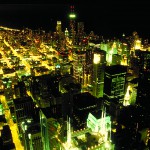
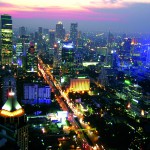
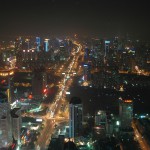
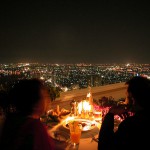
Bangkok is a center of on-going development in Southeast Asia. Solemn Buddhism culture and lively night markets have developed side-by-side to create a modern, but chaotic city full of energy. Amongst the harmonious charm of the old and new along the streets of Bangkok we survived the lighting environment. Open-air restaurants on the top floors of high-rise buildings are very popular nightspots. From the 55 floor the energetic and chaotic atmosphere of the city is absent. Amongst the rows of tall buildings sodium lamps flood the streets with light creating the impression of a sprawling modern city. Street vendors line the sidewalks. Moving deeper into the night market, the booths are covered with various lamps and neon arranged without much thought other than to show off the merchandise. At one booth warm colored lamps were used to showcase warmer tones of accessories and whitish light reflected off the spangled jewelry. An hour’s drive outside of Bangkok is the town of Amphawa, famous for the Amphawa Floating Market. Along the narrow river are many lights that reflect of the surface of the water. The reflections create depth along the Chao Phraya River and a lively buzz along the riverbanks and streets of the town.