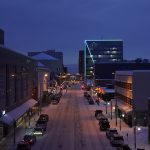
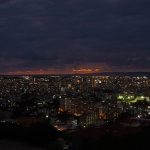
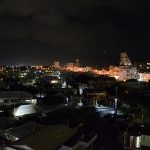
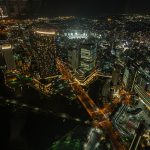
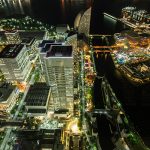
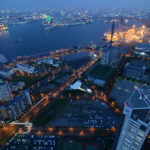
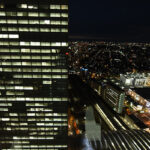
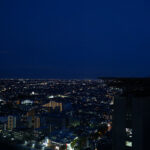
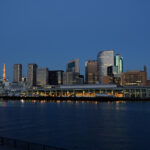
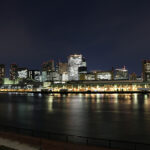
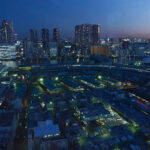
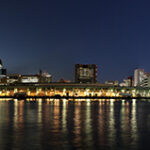
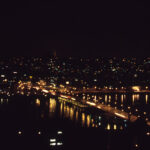
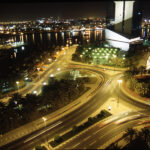
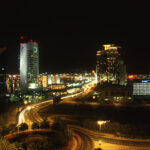
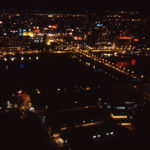
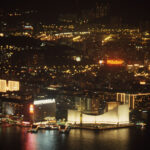
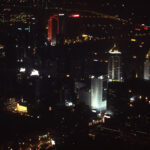
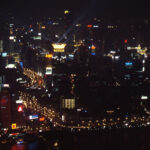
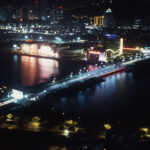
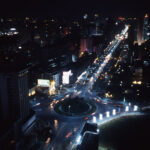
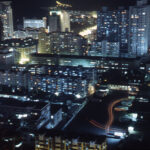
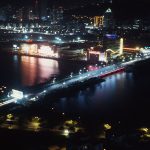
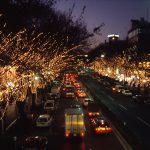
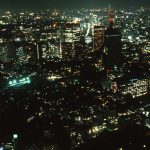
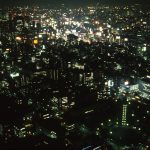
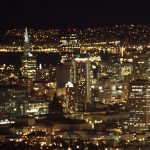
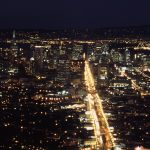
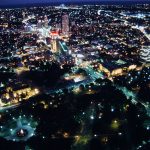
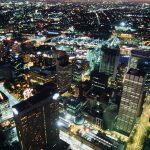
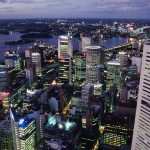
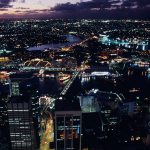
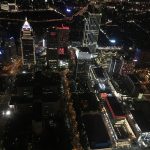
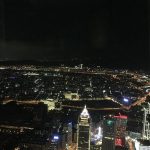
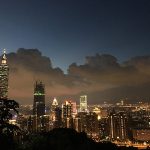
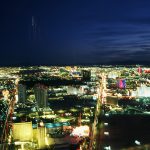
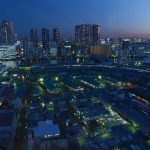
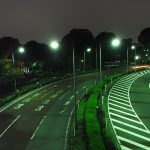
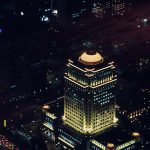
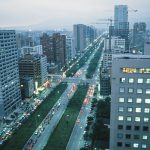
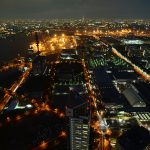
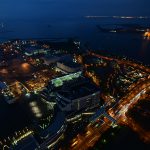
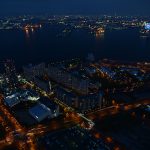
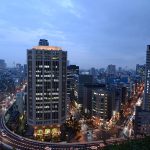
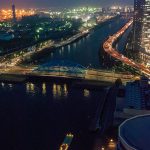
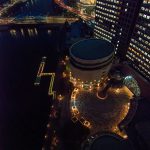
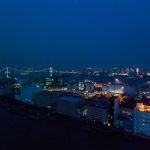
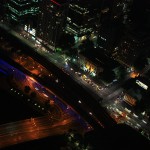
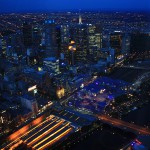
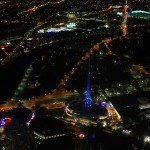
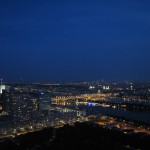
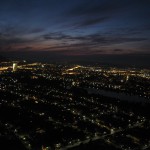
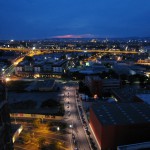
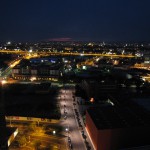
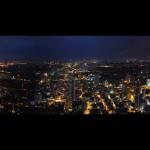
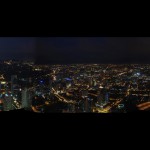
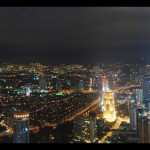
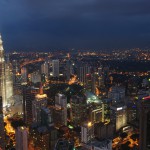
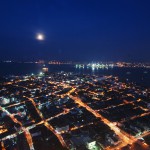
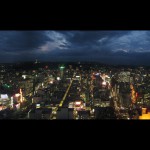
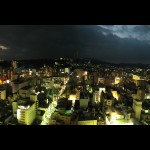
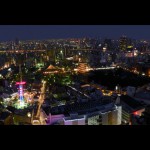
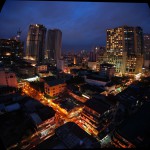
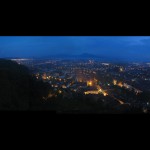
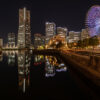
2022.06.28 Kouki Iwanaga+ Xiaoyi Dong+ Hikaru Kawata Yokohama Minato Mirai, which has seen rapid development in recent years with projects such as Japan’s first urban circulation ropeway “YOKOHAMA AIR CABIN” launched last spring, the cruise ship terminal “Yokohama Hammerhead,” and the prestigious Hawaiian luxury resort “The Kahala Hotel & Resort Yokohama.” The purpose was supposed to be to investigate whether the “nightscape of Minato Mirai,” which could be considered a tourism resource in itself, has been well preserved… but. ■Relationship Between Zoning and Street Lighting The Minato Mirai area, which was developed on reclaimed land around Yokohama Port, can be broadly divided into three zones: the “Central District,” the “Shinko District,” and the “Yokohama Station East Exit District.” Among these, our survey focused on the Central District—with its high-rise buildings such as Landmark Tower and Queen’s Square Towers—and the Shinko District, which features many commercial and cultural facilities such as the Red Brick Warehouse and Yokohama Hammerhead. When examining the street lighting in these two districts, it was found that the streets running parallel to the Rinko trunk road and the Metropolitan Expressway were lit with sodium-colored lamps, while the streets leading toward the port, such as Icho Street and Keyaki Street, were illuminated with streetlights at a color temperature of 4000–5000K. At first glance, this color temperature plan, which changes according to the direction of the streets, appears well-organized. However, according to the building color scheme guidelines for the Minato…
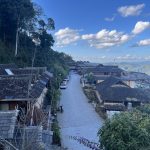
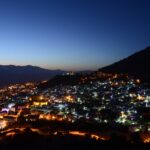
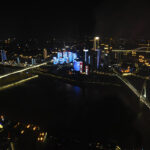
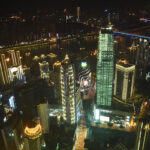
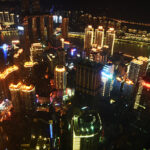
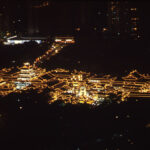
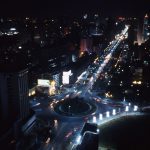
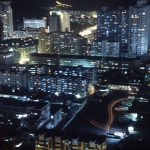
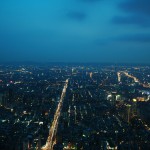
Chong Qing Lighting Survey 重庆史光: Re-Celebrating History of Light 2019.07.04 – 2019.07.05 Clement Lee + Iwata Masahiro Located in the upstream of Yang Tze Basin, Chong Qing serves as one of the manufacturing, transportation and commercial hub of China. Caught within rapid infrastructure changes, this survey seeks to uncover the methods for Architectural and Lighting preservation efforts to reflect the ancient Clement Lee + Iwata Masahiro traditions from the dynasties. Ci Qi Kou Old Town highlighted with linear architecture facade lighting contrasting the light blue canvas sky of the evening Old town of Ci Qi Kou (磁器口): Cultural Hub of Chong Qing Chongqing is a technologically advanced city situated in the mountains of southwest China. With a rich history of being a major economic hub, Chong Qing was propelled to earn a place in the top 13 megalopolises of China. With the theme of understanding and exploring the cultural traditions of Chong Qing, we set out to discover its customs and efforts to preserve the rich traditions which create the unique character that separates this Sze Chuan-influenced province from the other major cities of China. We began at the heart of the city: the old district of Ci Qi Kou. This old town is currently filled with shops sells goods and traditional food of the old Chongqing. A modernized trading hub that reflects the bustling old port to trade porcelain along the Yangtze River. It was a commercial hub for pioneers back in the…
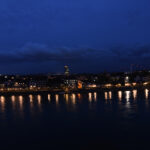
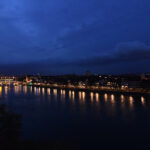
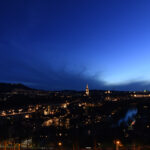
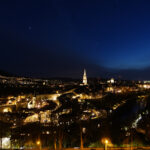
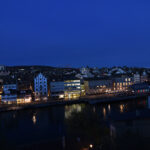
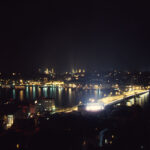
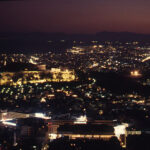
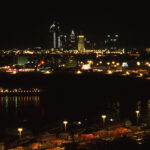
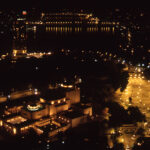
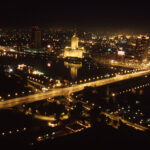
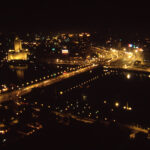
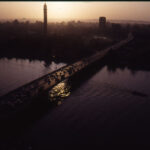
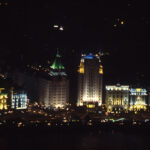
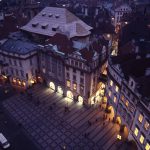
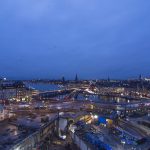
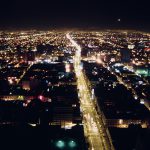
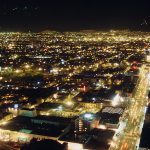
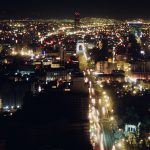
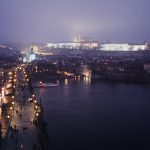
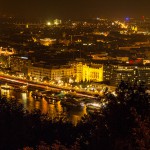
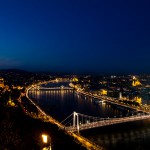
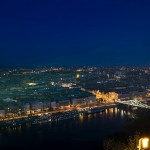
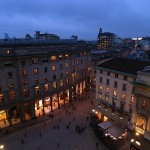
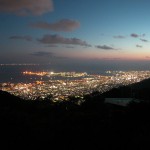
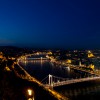
Even as the busy capital of Hungary, this city is almost free of fancy colored-lighting and flashy signage. Overall there is not much facade lighting or the glamorous atmosphere associated with many larger cities in Western Europe. However, amongst the quiet streets, historical buildings here and there are illuminated and color temperatures are roughly unified for a very comfortable nightscape with an added sense of security. View of the Danube River from Gellert Hill. On the left bank, several historic buildings are built into the hilly terrain and along the right bank, the city spreads across the flat land. Illuminated buildings over two-stories high are very few with a hand-full of buildings and bridges standing out against the dark night. View of the Royal Palace and Chain Bridge, named for the rows of lamps along the suspension cables that resemble links of chain. At night, the reflection in the Danube River creates a beautiful nightscape. Most arterial roads in the city are lit with high-pressure sodium lamps, but fixtures are adjusted for roadways, pedestrians, and tram platforms. Smaller streets intertwined between buildings are lit manly by catenary lighting.
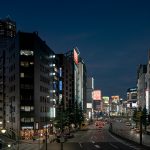
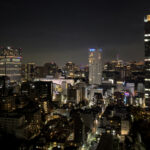
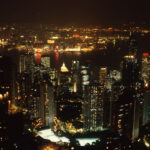
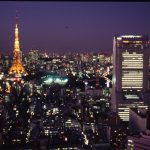
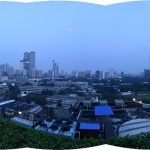
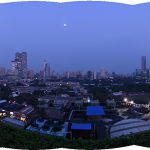
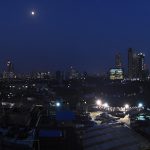
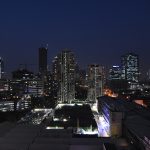
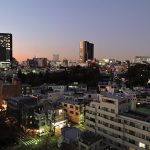
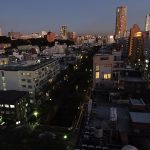
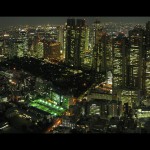
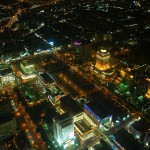
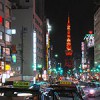
Roppongi has many faces including, an entertainment district with a foreign twist, new offices for daily business, and is developing as a center for the Tokyo art scene. The Lighting Detectives sped around on their bikes in April to discover what kind of light exists in this multi-functional area. The presence of the entertainment district is strongly felt at Roppongi intersection. Most people recognize this intersection as the center of Roppongi, but in recent years new development has created two new areas of focus, leaving the center of Roppongi very ambiguous. Points of reference include Mori Tower, Midtown Tower, Tokyo Tower and the metropolitan expressway, that cuts through, dividing this area of Tokyo. Large-scale luminous signage and a collage of other miscellaneous lighting dominate the view. Looking toward Roppongi from Aoyama Cemetery. The 3 towers that stand pronounced over Roppongi are a product of power and force, but appear alien in this setting. The towers look close and, yet, far off, as this scene can play tricks on your eyes.
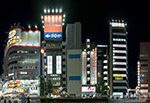
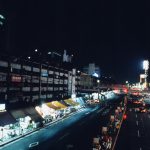
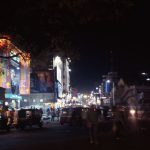
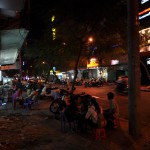
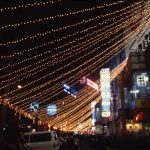
2024.9.9 Yonglin Ke + Kunzhi Jinag + Linxi Chen The brightness (luminance) of signage lighting is key to shape the overall lighting of a city. This survey conducted in Akihabara, a globally famous district, focused on the renowned Akihabara Electric Town (Chuo-dori), analyzing the evolution of the city’s lighting composition by comparing it to the survey from 19 years ago. ■Akihabara Electric TownAkihabara is the heart of electronics in Tokyo and a globally famous hub for otaku culture. While it is bustling with tourists daily, the colors of the signs, filled with anime and game culture, are much more diverse compared to upscale commercial areas like Ginza or other shopping districts. In 2020, Chiyoda Ward released guidelines for outdoor advertising and urban development, leading to changes in Akihabara’s streetscape. This survey investigates the current night view of Akihabara Electric Town, comparing it to a survey conducted 19 years ago. (Kunzhi Jiang) ■What kind of lights shape Akihabara?The main lighting elements in Akihabara’s key districts include streetlights, signage lighting, building façade lighting, and lighting from store entrances and spillover light.Compared to the picture from 19 years ago, the most noticeable green and red lights from EDION were not illuminated due to the store’s closure. The ONODEN sign is now an LED screen, and the surrounding lighting has a more subdued feel. Previously, the area behind the bridge was completely dark, but now, with the bright lighting from a drugstore’s interior and…