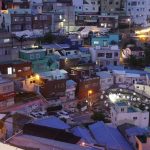
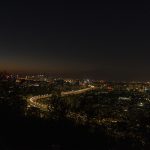
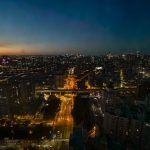
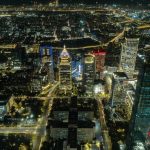
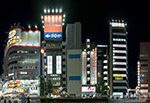
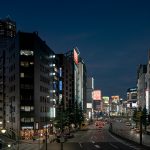
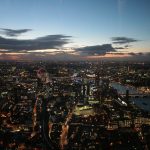
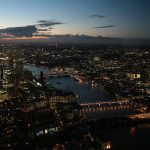
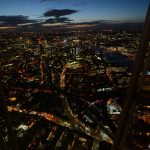
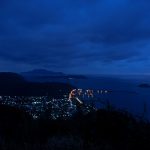
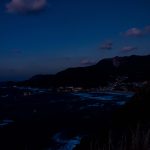
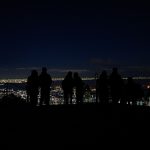
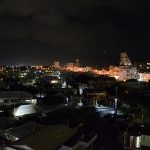
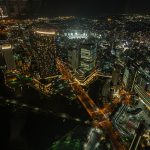
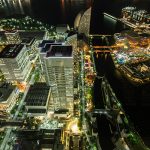
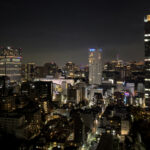
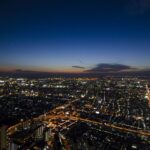
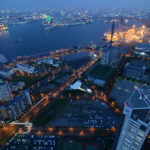
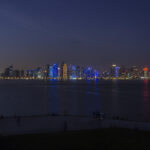
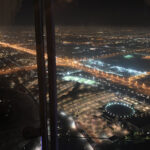
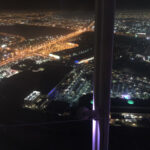
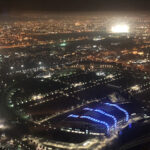
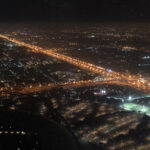
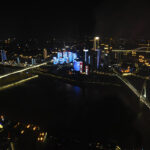
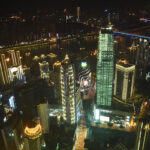
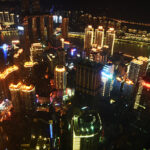
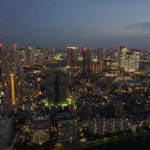
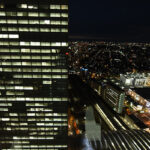
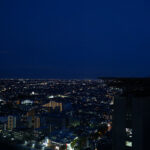
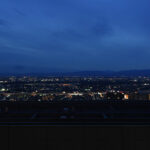
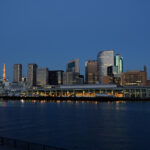
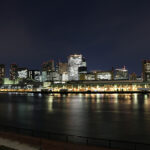
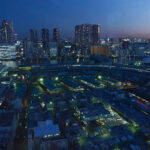
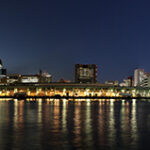
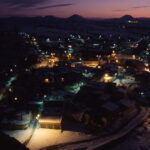
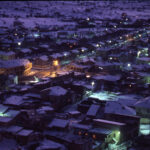
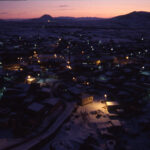
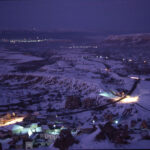
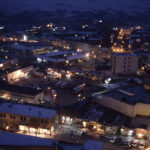
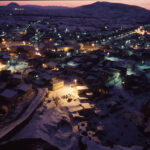
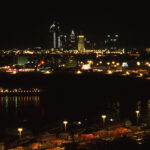
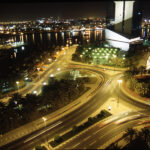
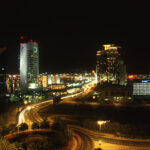
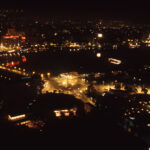
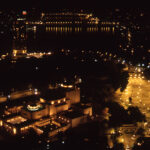
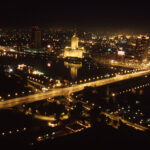
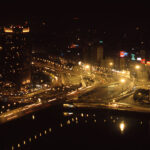
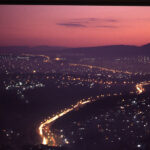
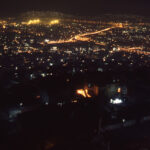
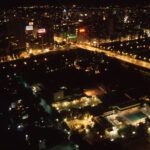
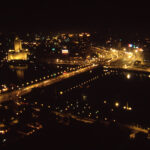
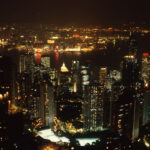
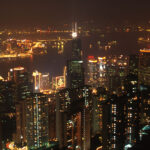
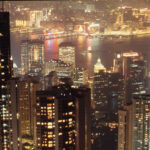
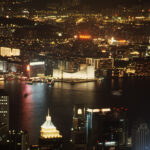
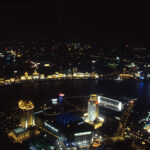
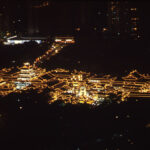
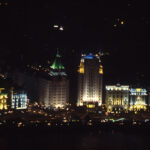
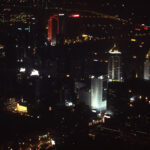
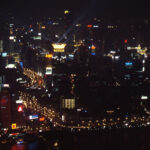
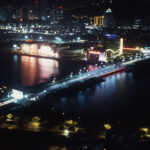
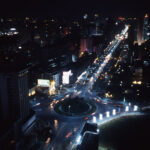
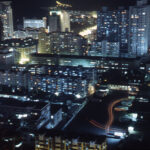
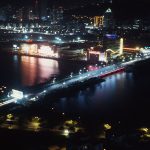
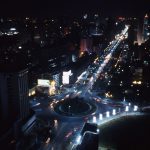
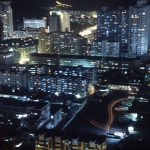
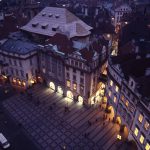
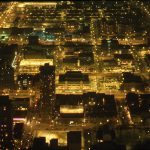
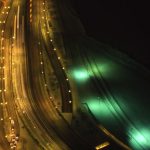
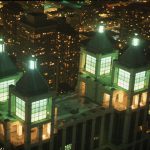
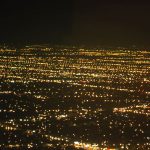
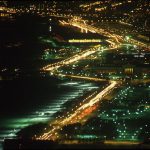
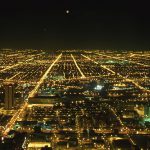
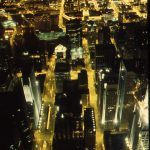
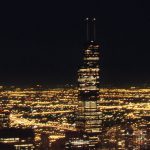
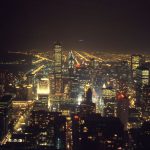
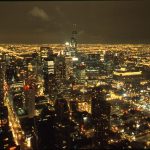
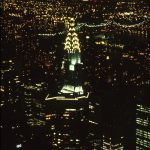
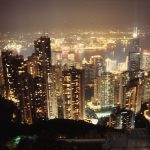
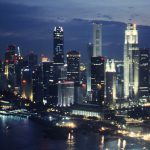
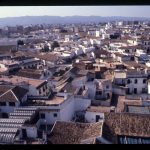
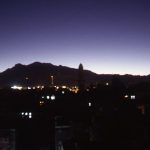
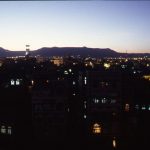
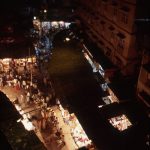
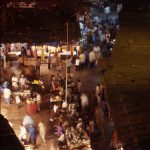
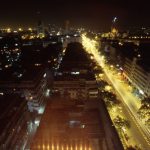
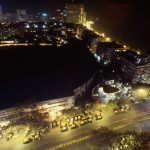
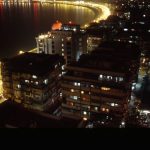
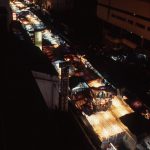
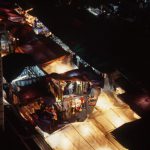
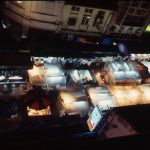
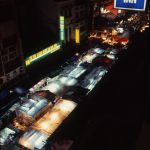
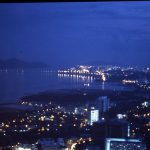
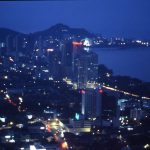
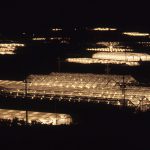
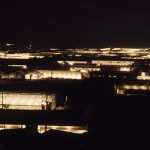
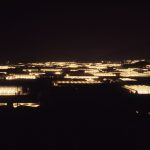
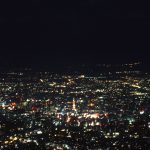
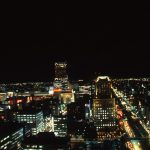
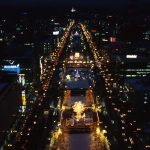
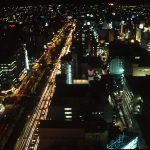
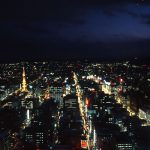
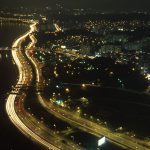
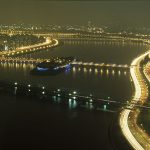
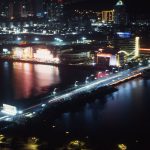
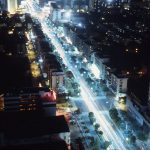
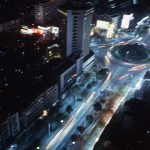
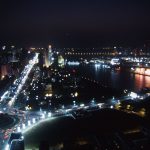
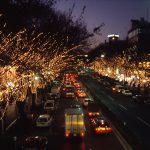
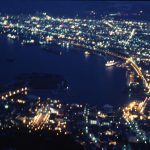
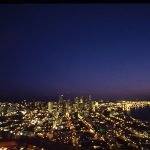
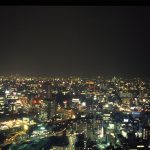
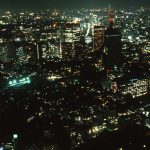
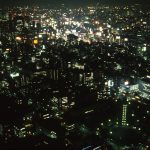
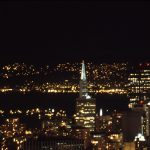
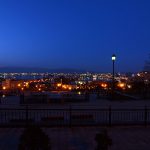
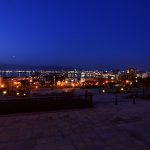
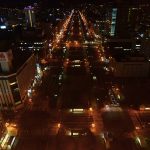
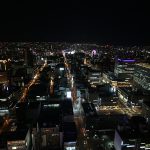
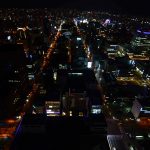
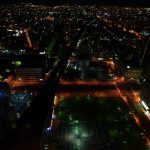
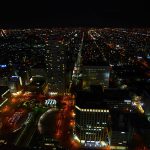
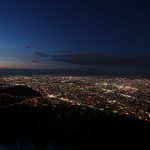
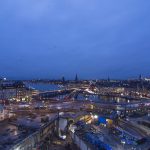
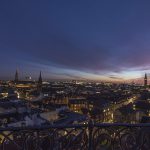
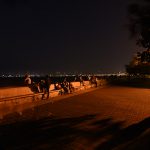
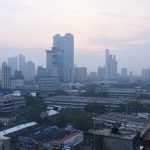
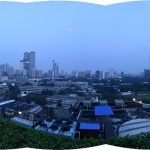
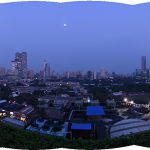
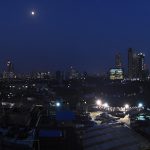
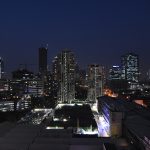
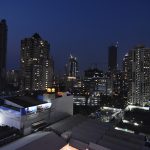
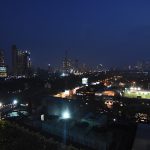
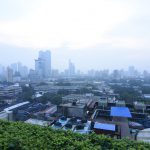
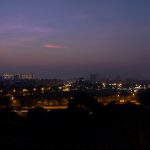
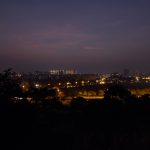
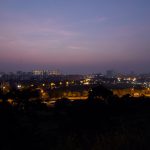
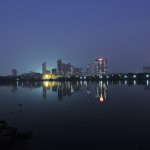
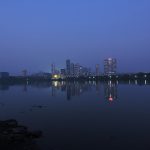
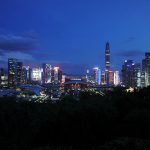
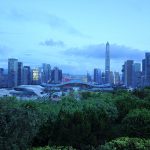
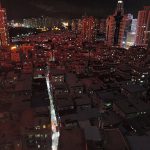
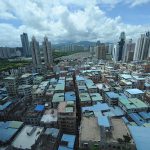
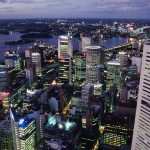
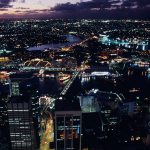
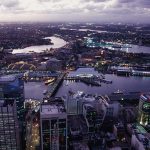
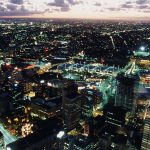
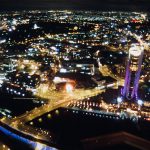
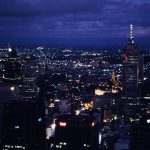
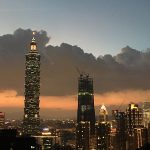
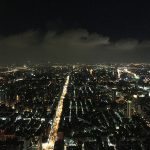
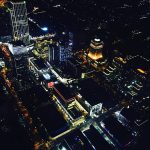
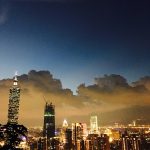
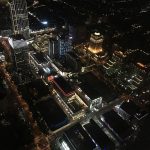
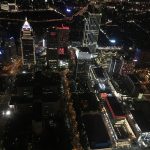
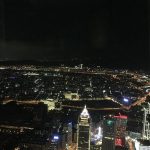
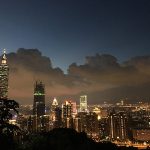
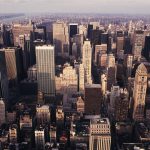
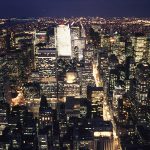
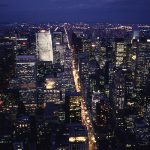
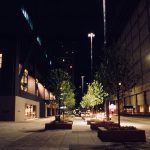
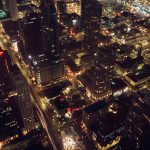
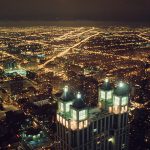
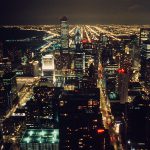
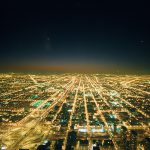
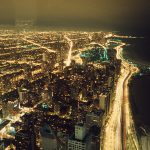
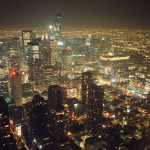
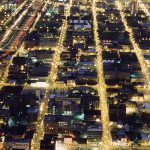
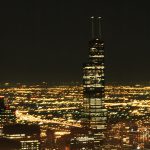
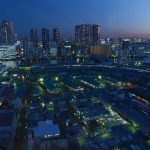
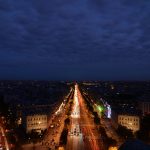
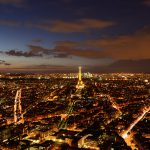
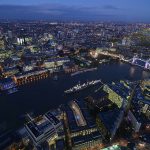
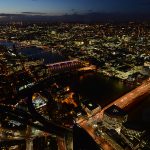
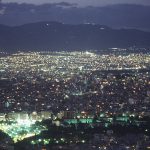
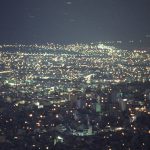
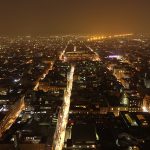
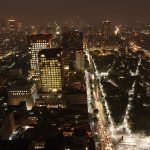
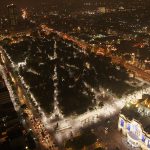
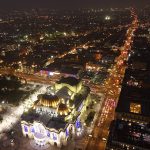
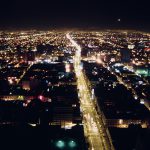
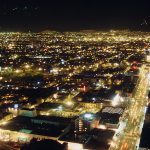
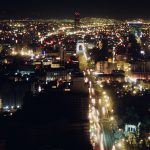
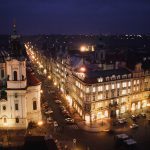
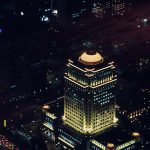
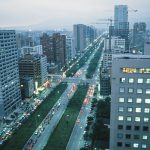
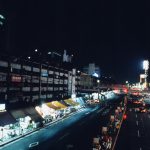
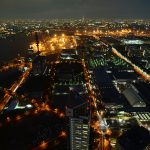
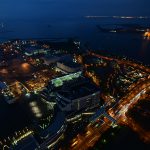
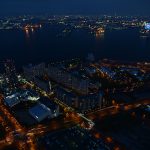
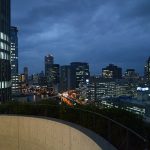
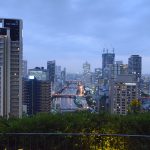
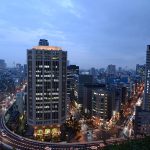
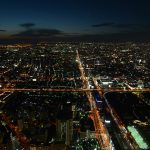
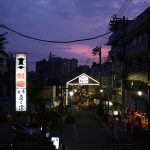
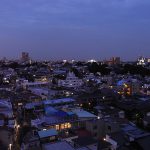
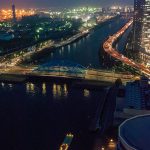
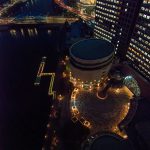
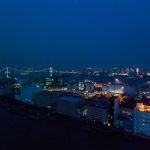
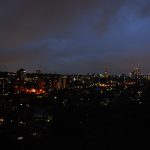
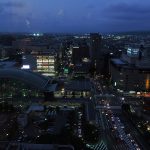
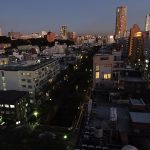
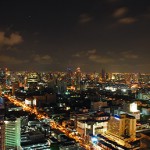
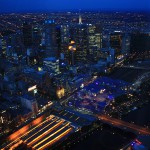
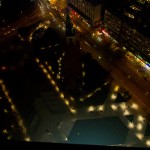
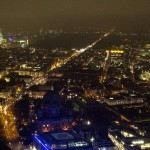
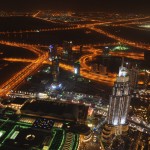
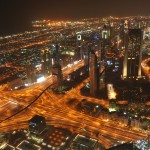
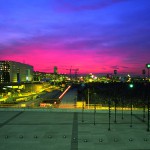
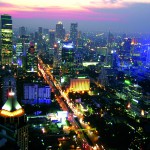
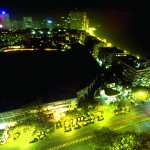
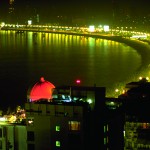
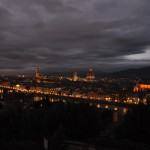
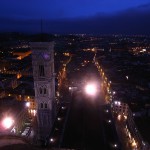
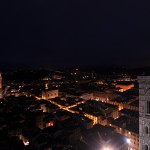
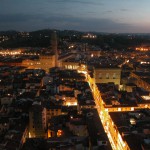
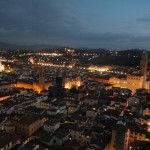
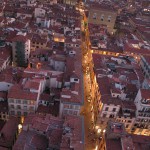
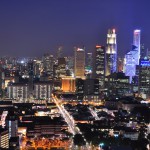
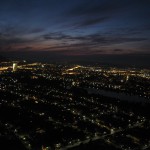
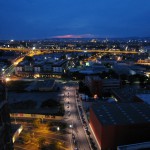
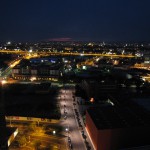
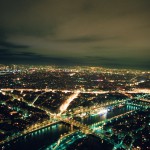
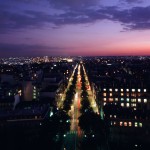
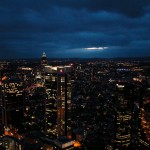
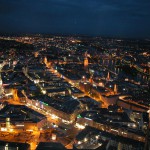
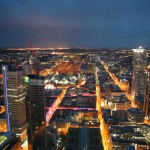
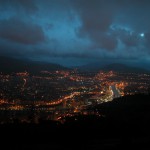
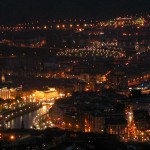
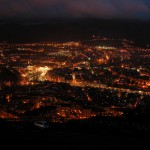
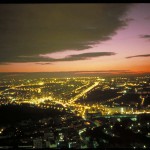
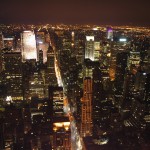
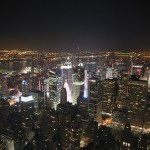
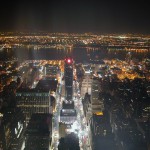
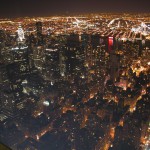
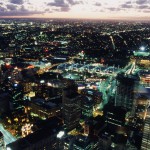
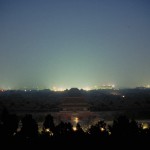
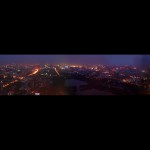
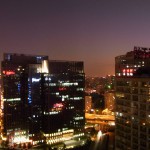
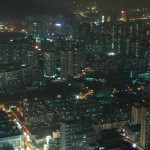
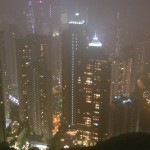
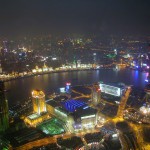
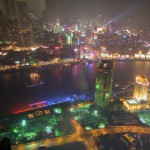
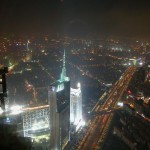
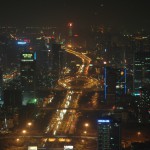
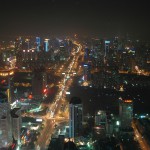
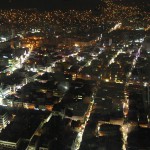
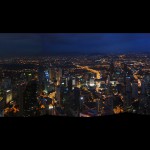
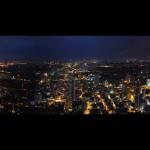
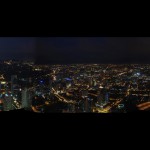
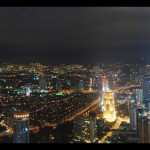
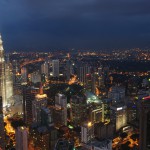
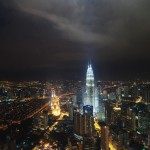
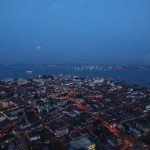
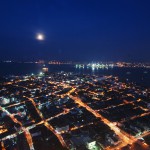
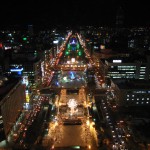
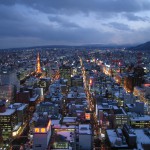
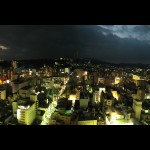
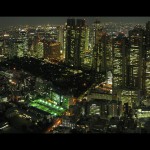
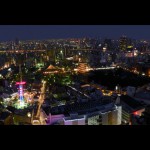
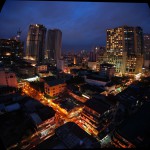
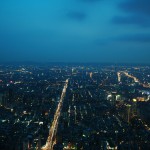
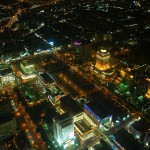
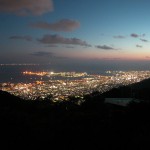
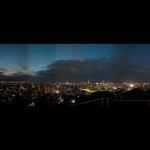
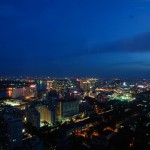
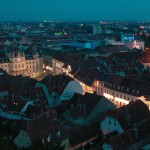
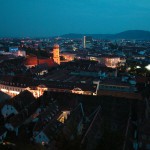
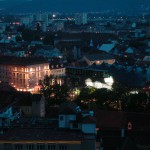
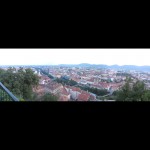
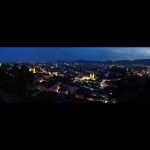
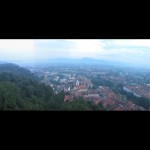
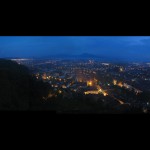
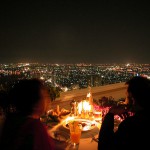
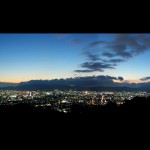
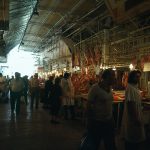
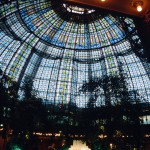
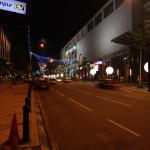
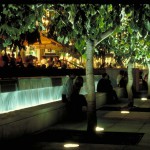
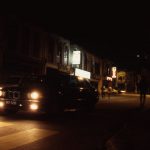
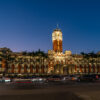
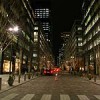
City Night Survey – Taipei & Taichung, Taiwan 2023.10.30 – 11.04 Genki Watanabe+Hikaru Kimura Office of the Governor-General Taiwan is geographically close to Japan and has deep historical ties. It is famous for its skyscrapers such as Taipei 101 and, more recently, for buildings designed by Japanese architects. Renovations of old buildings are also being actively undertaken. We investigated how the mixture of old and new influences the light and human activity in the cities of Taipei and Taichung. Taipei and Taichung The capital of Taiwan, “Taipei” is characterized by world-class skyscrapers such as Taipei 101 and streetscapes that retain historical architecture. In addition to new buildings, there are also many renovations of existing buildings, creating a city with a mixture of old and new architecture. Taichung has become the second largest city in Taiwan in terms of population in 2017 as a result of government-led urban development efforts in recent years to disperse the over concentration of the metropolis in Taipei.We investigated how Taichung, planned as a compact city, affects the city’s light and human activity, and how it differs from Taipei’s light. The nightscape of Old City (west side) from Taipei 101 Taipei’s Urban Area Taipei’s urban area can be roughly divided into two areas. The west side of the city is the Old City, where historical buildings still remain. Many important political centers are still located on the west side, and historical buildings are still used as administrative…
Rich in local history and cultural facilities, Ueno Park covers a large area in the middle of Tokyo. Even though located in an urban setting, we anticipated a lighting environment completely different than the lights of downtown. Between the trees and darkness of the park there are patches of Tokyo`s bright night sky, but the hushed silence is isolated from the city`s hustle and bustle. Ueno Park`s quiet presence gently sleeps next to Tokyo`s vibrant downtown. Approaching Ueno Park from the JR train station. The large overhang of the Tokyo Bunka Kaikan is brightly illuminated in contrast to the surrounding darkness of the park. A view o f northern Tokyo over the Shinobazu Pond from an elevated Ueno terrace. The bright lights of a vibrant downtown are seen in the distance beyond the dark trees of the park. However, through the darkness a bright, orange, sodium lamp illuminates the Benten Shrine near the pond. Looking towards the water fountain plaza from the Tokyo National Museum. A slightly bright night sky, characteristic of most metropolitan areas, opens over head with a dark belt of trees and tiny dots of light below. Young couples seeking a quiet spot away from the lights, snuggle up together on near benches.
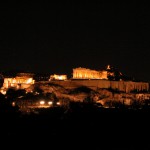
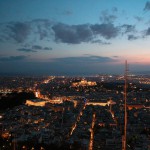
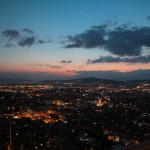
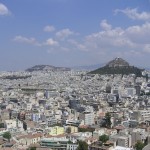
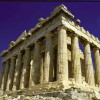
Our survey took place after the dust settled from the construction rush to finish infrastructure for the 2004 Athens Olympics. Around the main tourist attractions the lighting atmosphere was very orderly, but in Athens the ancient and modern co-habitat to create a charming townscape, possibly found in no other city. Under a perfect blue sky, the Parthenon stands surrounded by Doric columns. Over the years under direct sunlight, weathering has taken its toll on the building, but its presence still gives the illusion of a slip back in time. An illuminated Parthenon as viewed from the historic district of Plaka. Seeing the historic townscape, as it must have been in ancient times intertwined with modern adaptations, is one of the attractions of the Athens nightscape. To the eye, significant contrasts in light and dark are apparent in Sintagma Square. Some of the most brightly lit places in the plaza registering 300lx and the places like the stairs leading down to the plaza completely dark. Some fixtures also seem as bright as the sun, almost like afternoon daylight.
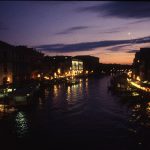
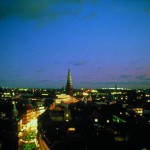
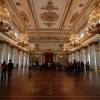
Saint Petersburg is a city of deep imperial and artistic culture. As the city was once the capital of the Russian Empire, many impressive palaces and cathedrals convey this great history. Although, there are not many newly constructed buildings in the city and it doesn’t seem that the economic growth of recent years has improved the lighting environment of the city. Once a secret hide-a-way of the empress this building is now the State Hermitage Museum. As a former private art museum to royalty and aristocracy, the luxuriousness of the interior is a little overwhelming, but the lighting environment is absolutely beautiful. Pleasure boats run tours on the Neva Heba River at night to view the river nightscape cutting though the middle of the city. The shimmer of lights on the water’s surface is awe-inspiring. The fancily decorated palaces and cathedrals are symbols of this once imperial culture. At night most are light up to emphasis their beauty. However, the city also has many waterways and the nightscape along these canals is a lonelier story.
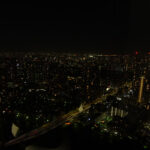
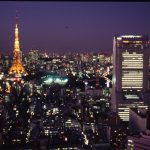
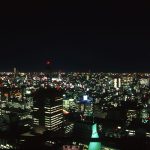
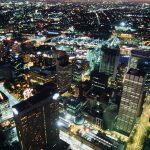
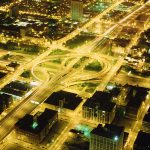
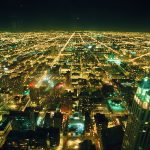
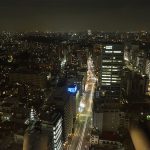
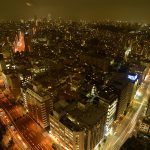
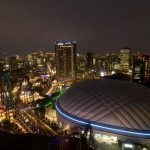
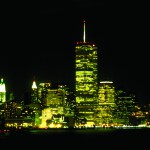
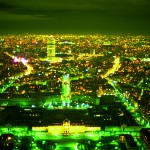
The Marunouchi district in the center of Tokyo has been transformed in recent years from a business and financial center to the latest redevelopment to intertwine commercial and office space. Our survey started in Marunouchi, as we closed in on the infamous Tokyo Tower to view the sprawling Tokyo nightscape. Marunouchi Central Street is enclosed on both sides by buildings all at the same height of 31 meters. Facade lighting and streetlights throw an even light over the street, creating a flat nightscape with no rhythm of light and shadow. Quite possibly occupying the staring role in the production of the Tokyo nightscape is the Tokyo Tower. The ironworks structure of this tower is illuminated from underneath, beautifully generating a glowing symbol for the city. At 250 meters, looking down on Tokyo from the tower is a beautiful site. Glare is blinding and there is no visible unified pattern to the lights of Tokyo, but lights twinkle all over the city and continue as far as the horizon. Things always look better from a distance and the Tokyo nightscape is one of them!