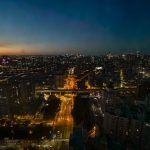
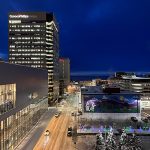
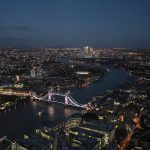
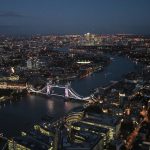
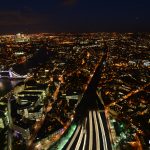
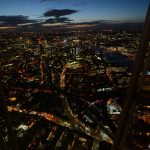
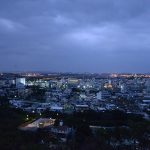
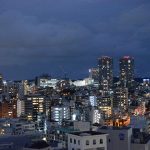
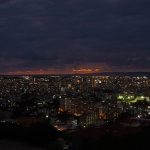
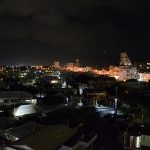
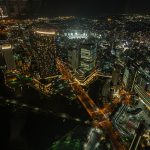
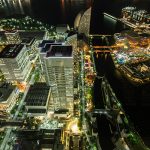
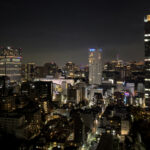
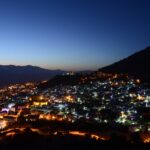
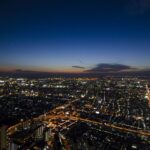
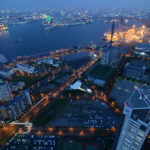
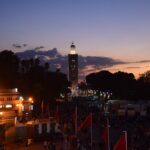
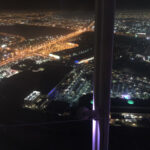
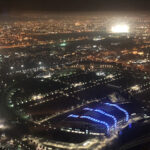
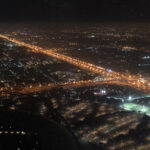
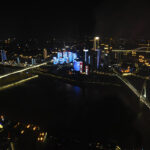
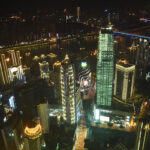
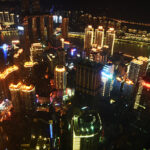
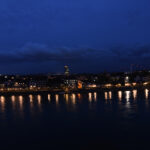
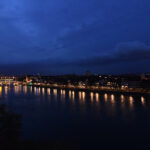
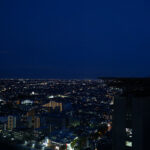
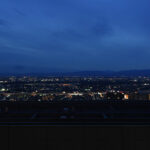
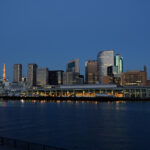
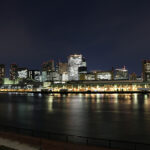
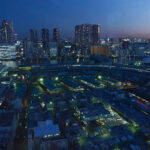
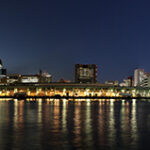
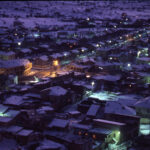
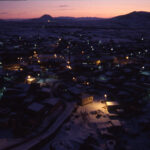
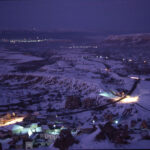
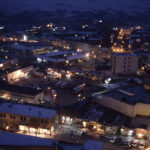
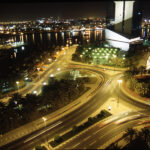
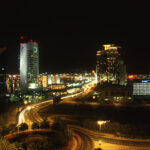
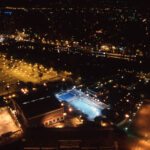
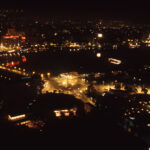
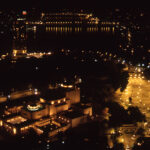
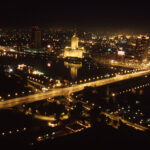
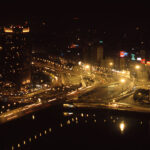
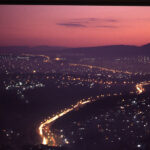
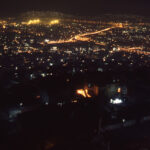
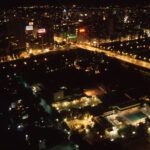
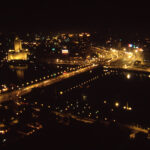
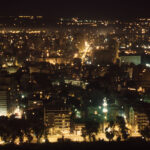
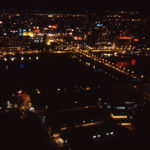
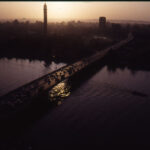
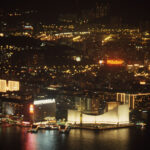
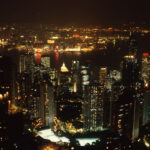
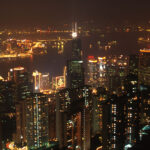
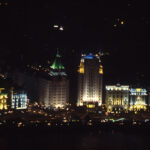
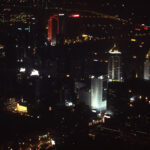
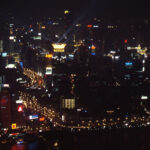
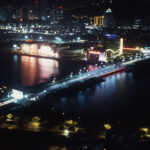
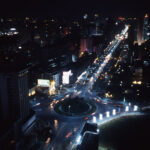
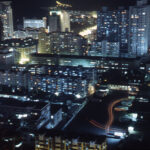
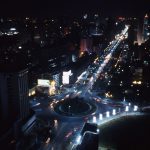
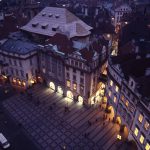
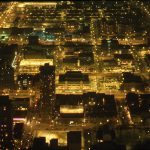
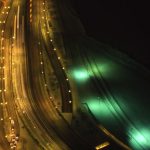
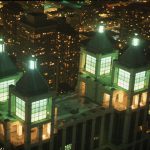
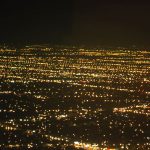
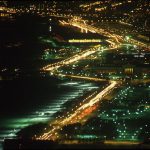
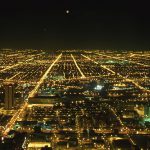
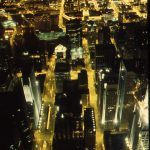
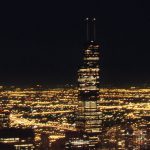
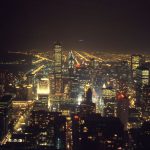
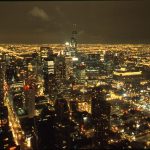
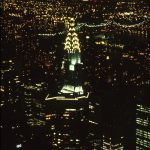
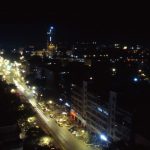
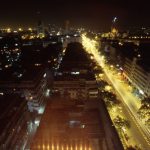
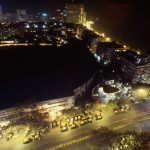
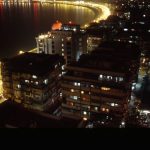
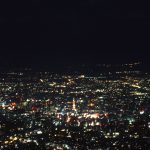
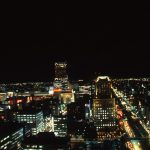
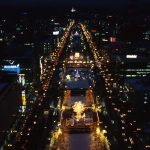
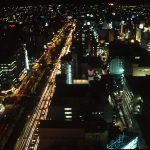
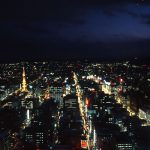
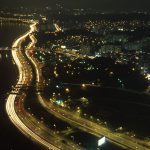
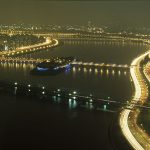
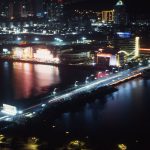
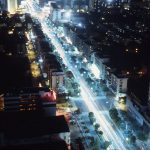
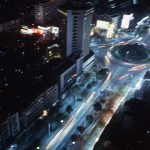
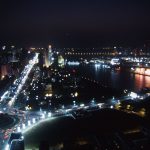
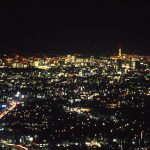
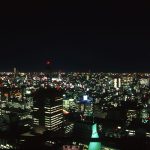
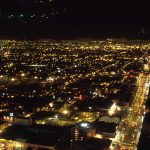
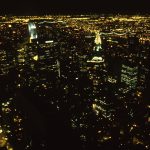
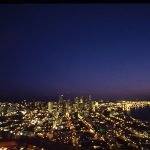
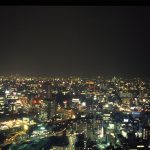
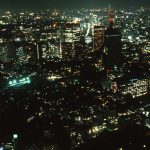
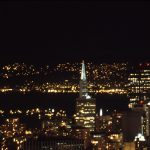
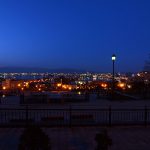
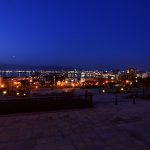
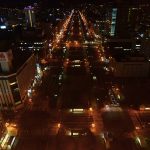
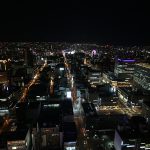
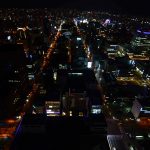
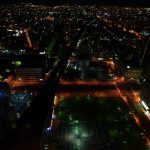
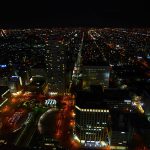
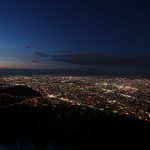
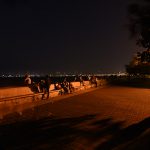
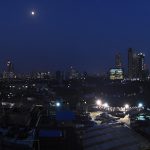
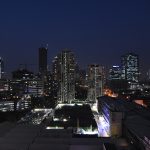
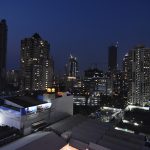
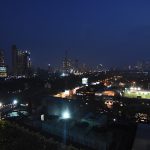
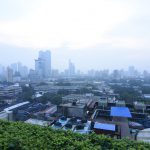
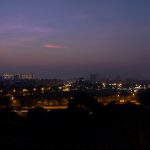
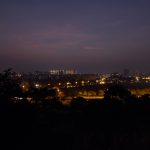
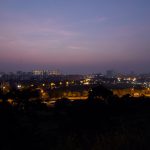
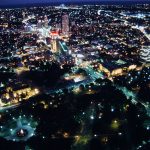
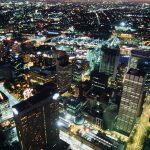
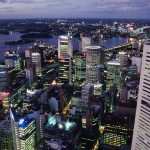
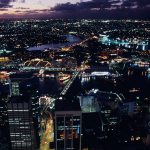
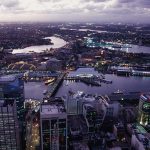
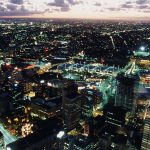
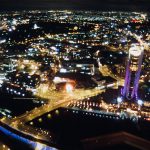
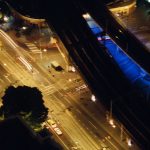
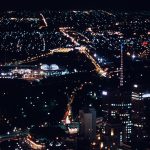
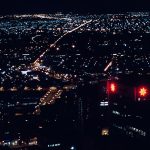
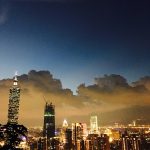
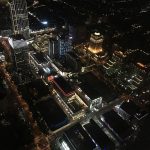
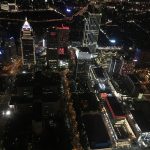
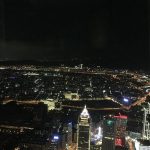
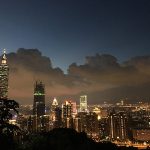
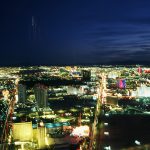
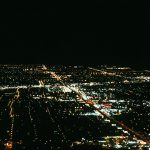
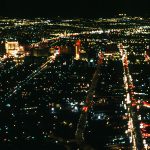
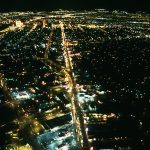
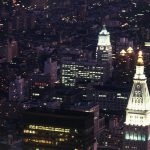
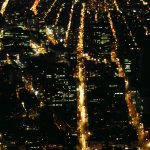
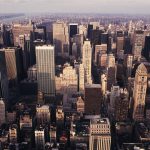
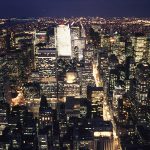
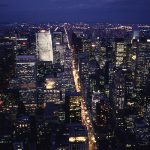
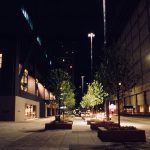
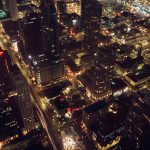
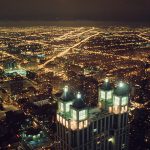
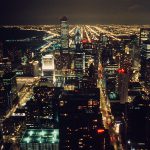
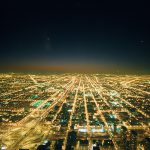
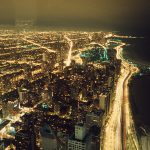
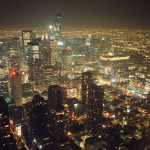
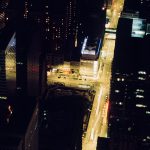
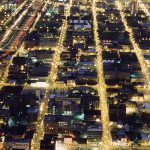
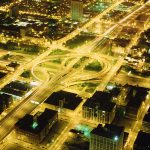
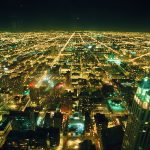
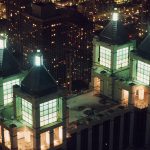
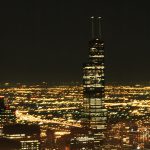
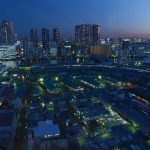
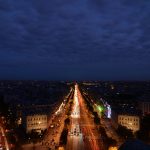
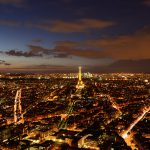
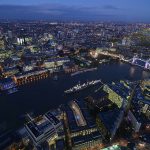
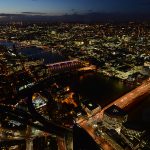
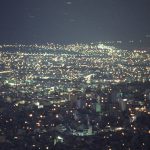
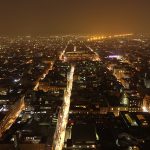
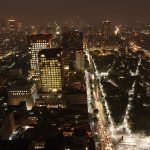
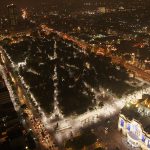
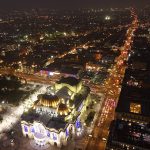
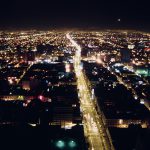
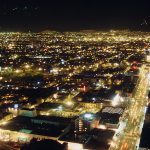
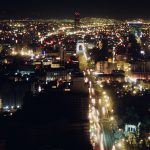
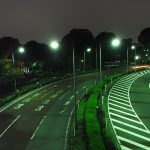
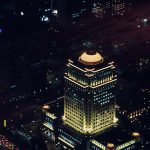
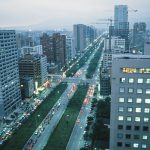
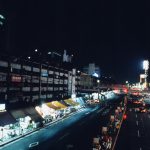
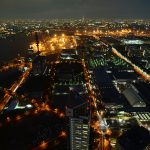
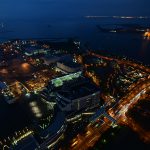
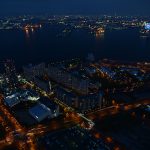
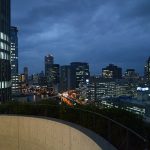
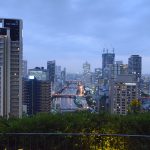
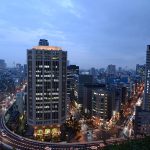
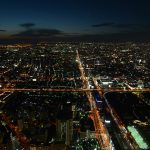
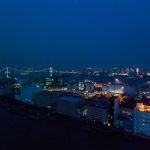
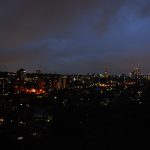
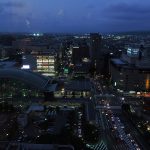
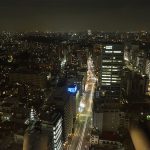
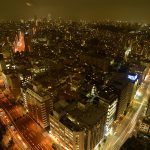
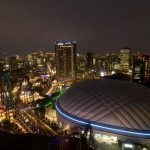
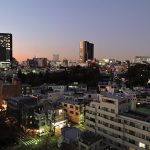
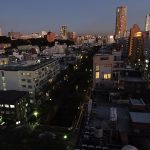
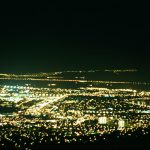
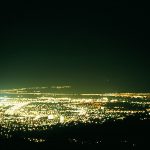
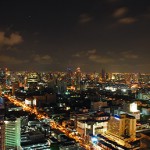
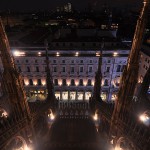
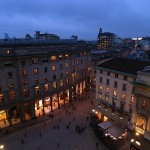
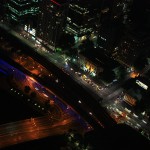
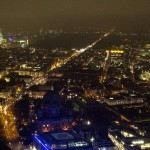
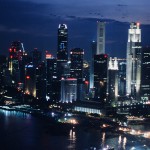
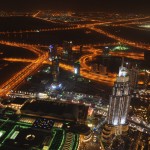
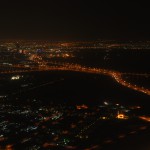
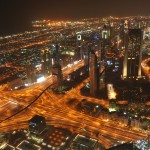
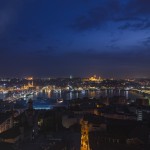
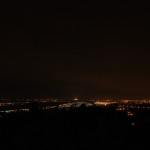
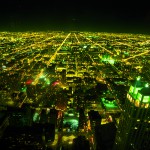
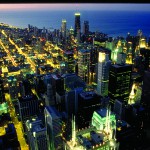
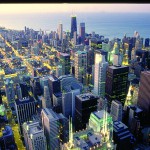
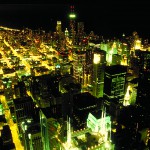
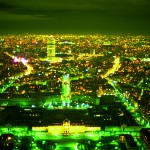
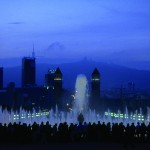
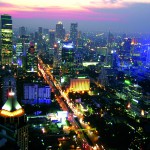
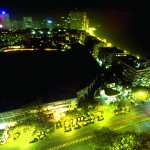
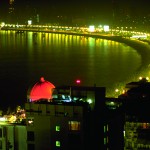
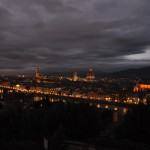
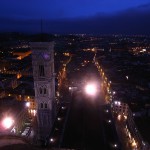
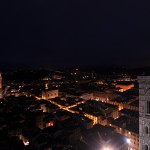
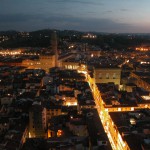
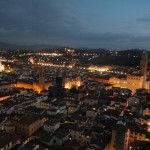
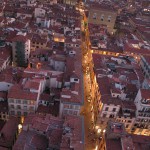
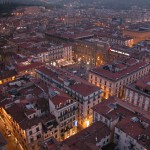
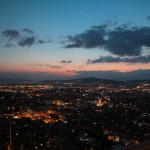
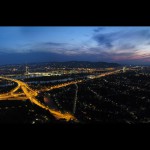
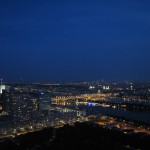
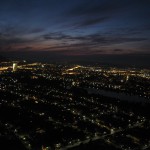
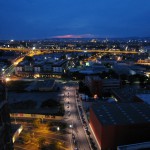
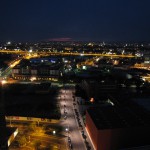
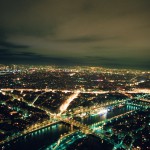
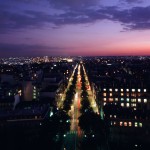
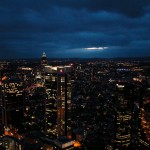
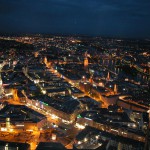
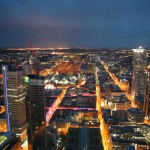
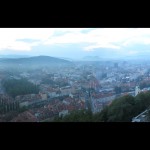
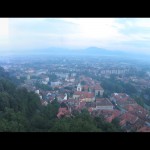
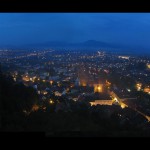
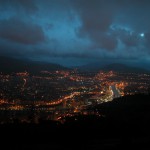
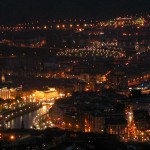
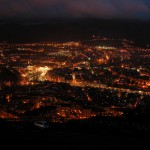
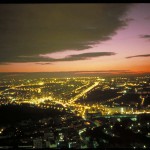
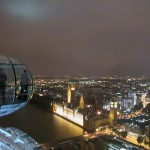
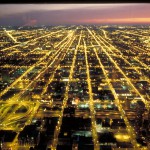
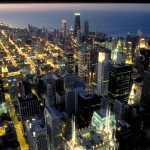
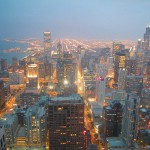
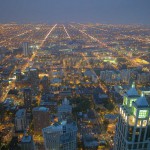
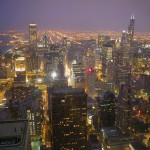
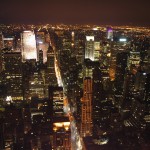
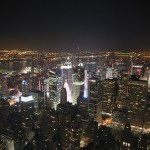
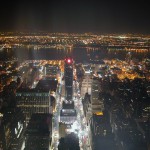
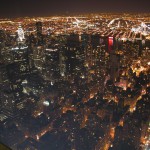
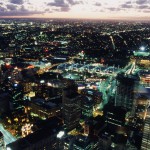
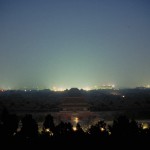
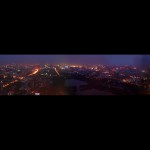
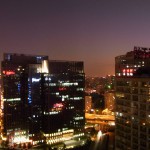
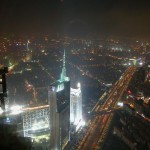
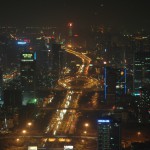
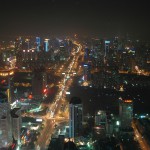
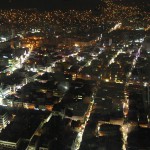
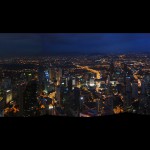
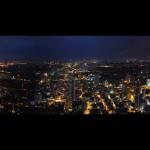
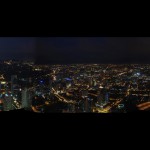
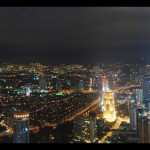
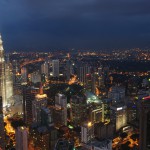
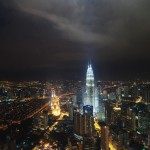
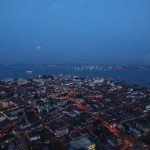
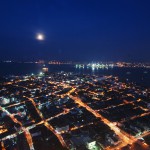
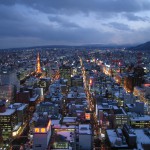
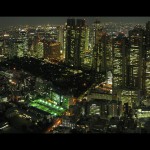
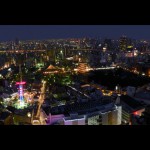
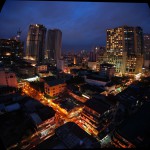
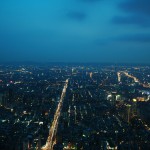
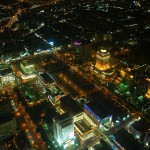
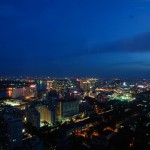
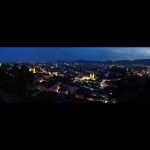
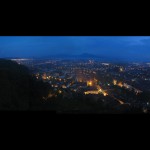
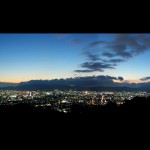
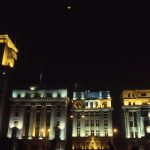
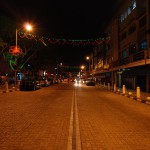
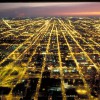
Orange lights brighten the plains and continue on towards the horizon, creating the Chicago nightscape. Notorious for cold winds, the Chicago nightscape was unified early on with high-pressure sodium streetlights. For crime prevention, the amount of light slowly increased with each passing decade, but outdoor lighting technology in Chicago is considered very progressive. Orange axes of light extend toward the horizon. High pressure sodium streetlamps are used beautifully throughout the citystreets of Chicago. The highmast lighting pole at the base of the John Hancock building is functional and glareless. Highly efficient streetlights illuminate State Street, creating a unified environment.
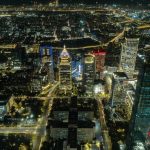
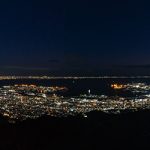
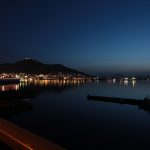
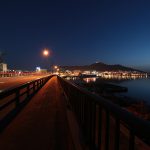
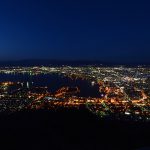
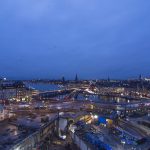
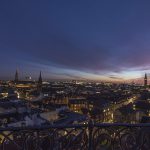
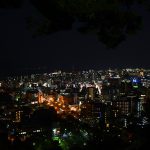
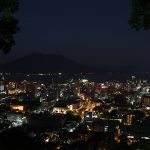
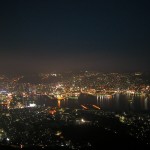
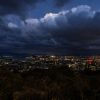
2025.01.08-01.11 Misuzu Nakamura + Sachiko Segawa Kitakyushu City was finally ranked No.1 in the latest “New Three Great Nightscapes of Japan” by the Night View Tourism Convention Bureau. The city has actively utilized its local assets—such as the industrial landscapes developed from the Yahata Steel Works, historic streetscapes, and a terrain of hills and bays—to enhance its nightscape. Surprisingly, this city had not yet been surveyed by the Lighting Detectives, so we set out to rediscover its unique allure. ■Learning What Makes a Compelling Nightscape Before beginning our survey, we visited Ms. Miki Matsushita, a lighting designer who has long been involved in Kitakyushu city’s nightscape—from formulating the nightscape guidelines for the Kokura city center to planning lighting for various facilities both in and outside the city. We visited her lighting design office in Fukuoka City, which felt as comfortable and refined as an art museum. There, we had the opportunity to hear a wide range of storie—from the time she spent developing the guidelines to her mindset as a lighting designer. One thing that left a lasting impression was her comment that guidelines shouldn’t become manuals, but rather serve as guidebooks. It became clear that her approach, rooted in deep empathy for the local community, allowed her to foster unique charm through the application of the guidelines in ways that reflect the distinct character of each area. (Misuzu Nakamura) ■Kokura Station Area: The Gateway to Kitakyushu and a Hub…
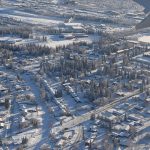
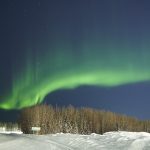
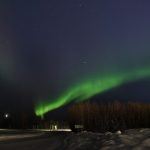
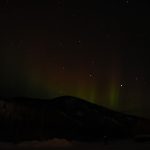
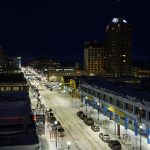
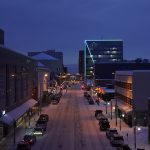
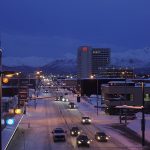
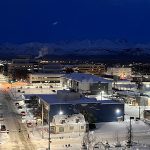
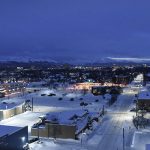
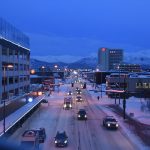
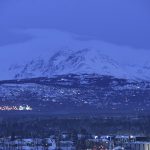
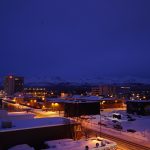
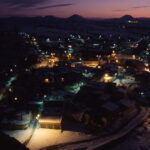
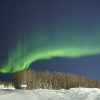
2024.02.06-02.12 Masafumi Yamamoto + Yuki Ito We visited Alaska at the beginning of February. The purpose was to investigate the light environment in the Arctic under the theme of ‘Mother Nature’, focusing on urban areas, living environments, Eskimo life, and the wilderness. In this study, we stayed in Anchorage, the largest city in Alaska, and Fairbanks, a citysurrounded by nature. In Fairbanks, we stayed at a lodge in the mountains and observed the northern lights. ■Arctic City After noon in Fairbanks, a city as close to the Arctic Circle as you can reach. The weather is clear. The sun has risen close to the horizon and is about to set. Houses and trees cast long shadows on the ground. It is a beautiful scene, as if I had dipped the tip of my paintbrush in dark blue watercolor paint and carefully traced a stroke on a white canvas covered with snow. The temperature here is minus 20°C (68°F). Still, I can feel the warmth of the sun on my skin. The temperature can reach minus 40°C (-40°F) during the harshest season, while the four seasons are rich in variety. The temperature drops even further when the wind blows. This is the kind of Alaska I wanted to visit. The flora and fauna live in such a harsh natural environment. Human life right next to them. We would like to investigate the lighting culture while unraveling the reasons for this. ■Closing…
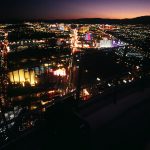
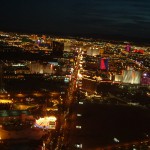
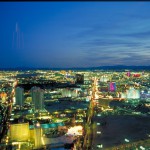
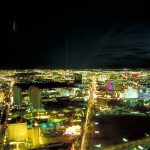
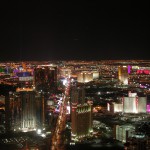
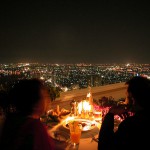
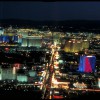
It is an island of light floating in the desert. Lighting technology in Las Vegas is not sedentary, but reinventing itself daily. How can we seize the inviting eyes of visitors? What is attractive lighting? In this place, day is night and night is day. Everybody’s internal clock has goes haywire. From the top of the Stratosphere Tower, the lights of The Strip appear out of the black desert, like the lights of a spacestation. Exterior lighting of the Venetian Resort Hotel. Tourists sit in front of casino slot machines 24 hours a day with no perception of time, since even during the day the interior is keep fairly dark.
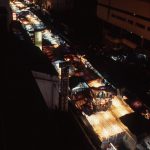
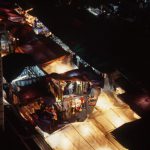
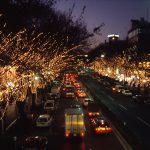
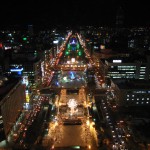
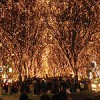
After WW II, Sendai was rebuilt into a modern city with streets perfectly aligned in a gridiron pattern, but mixed with covered arcades. We surveyed the covered arcades and their daily activity along with the annual lighting event Sendai Hikari Pageant. Whole boulevards are just covered in little lights. The overwhelming brilliance is impressive and takes your breath away. When standing in the middle of the road between the rows of illuminated trees, there is no end in sight. The lighting “tunnel” is endless and for a little while we forgot to blink or even breathe. One characteristic of Sendai, the covered arcade, is shown in the middle of the picture to the right. The milky-glass dome running down the center of the arcade reveals the nonuniformity of lamp color temperature and intensity of light. We found excessive amounts of light fixtures in a number of places around the city, a characteristic of the lighting environment that create the nightscape for this city.