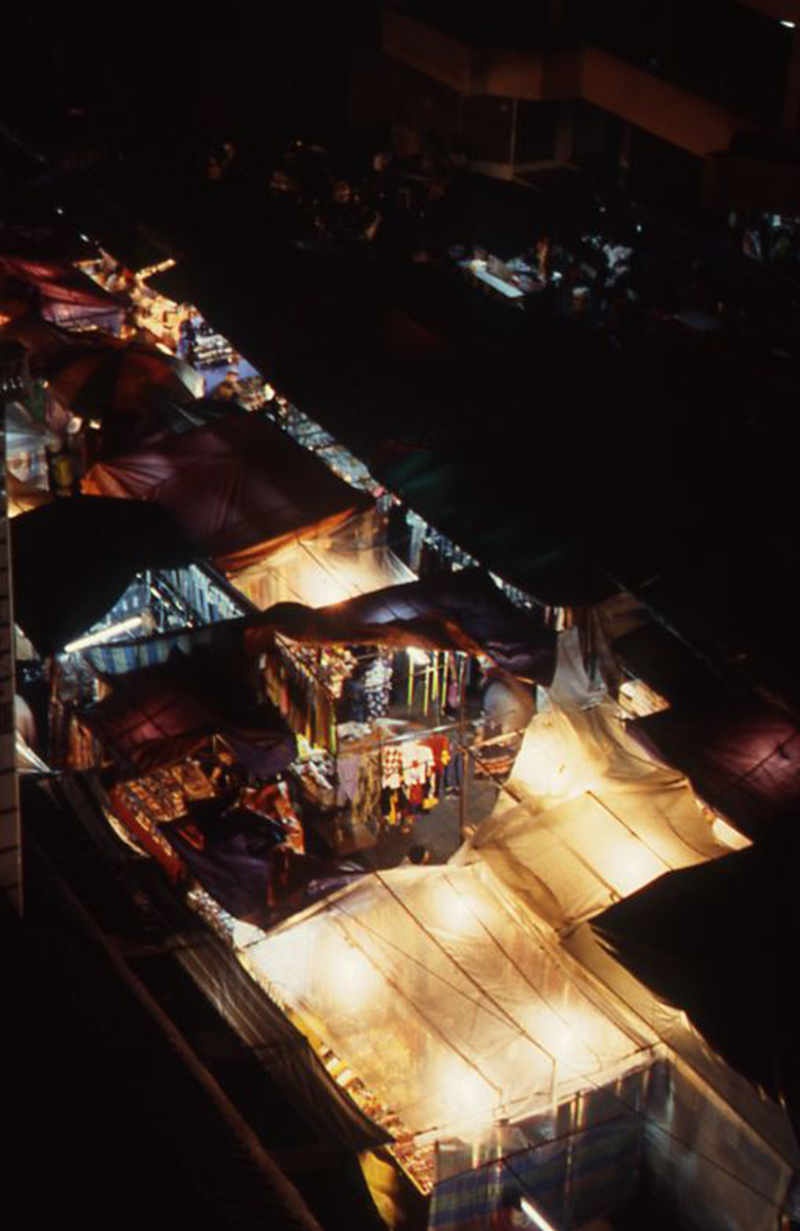
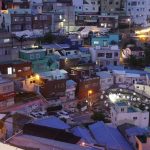
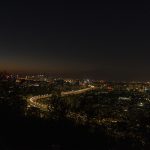
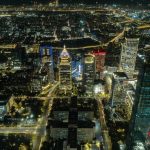
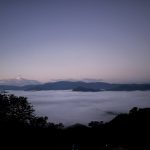
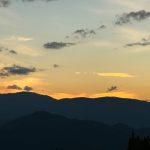
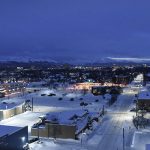
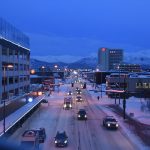
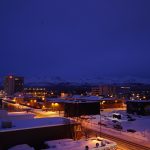
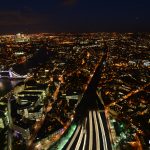
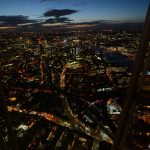
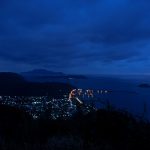
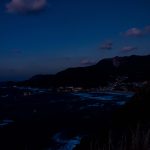
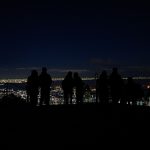
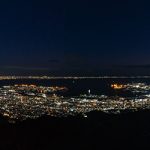
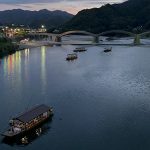
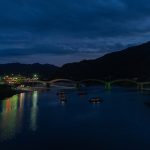
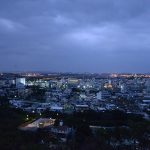
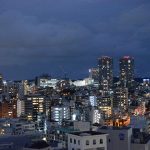
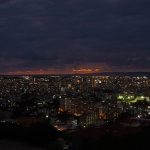
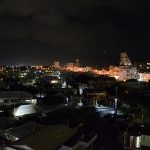
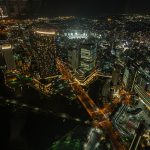
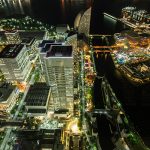
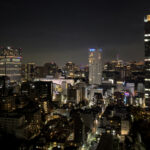
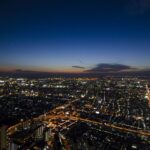
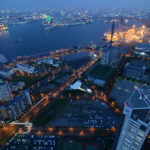
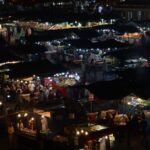
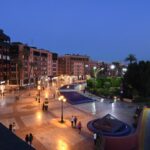
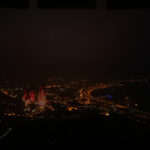
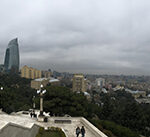
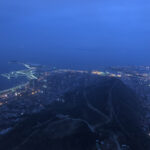
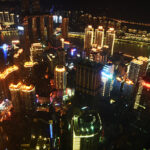
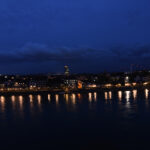
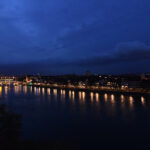
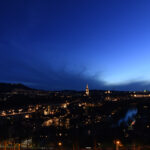
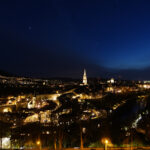
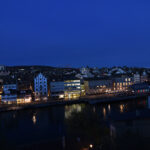
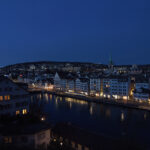
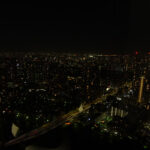
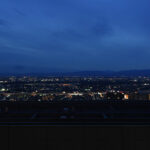
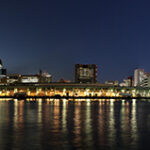
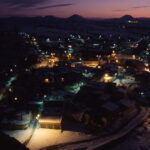
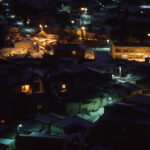
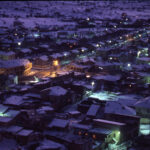
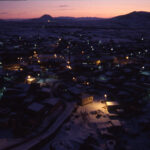
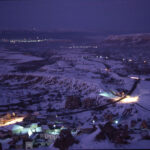
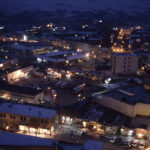
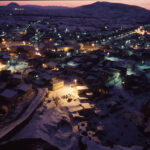
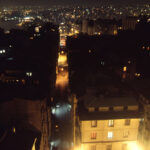
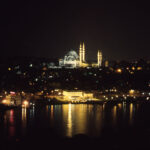
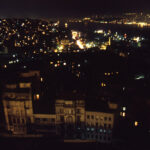
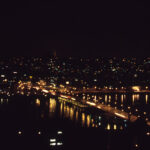
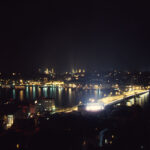
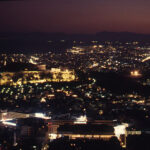
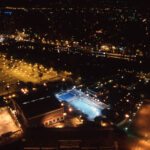
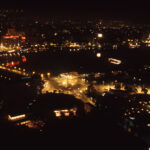
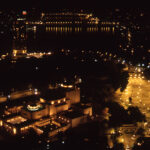
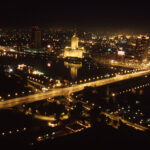
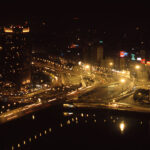
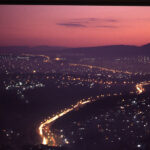
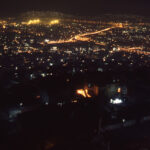
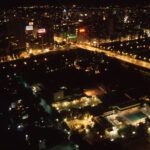
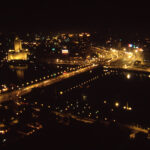
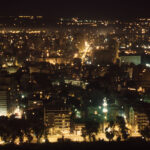
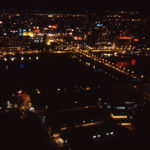
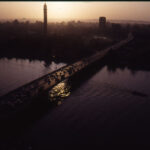
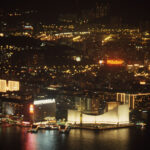
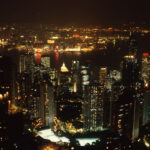
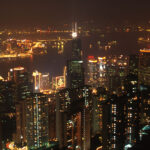
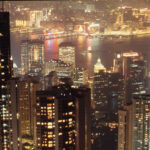
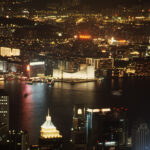
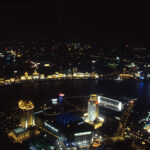
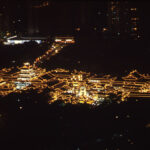
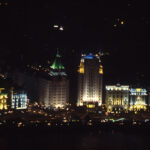
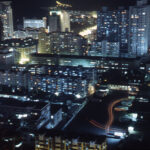
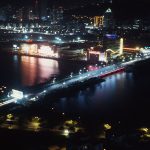
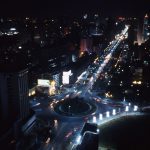
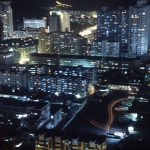
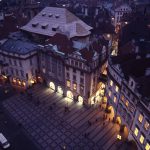
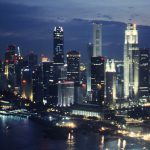
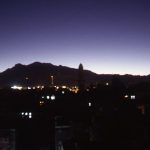
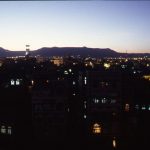
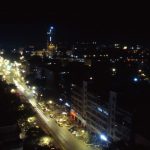
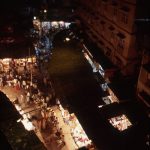
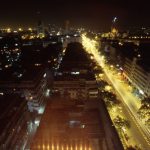
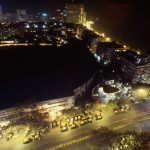
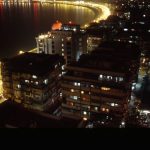
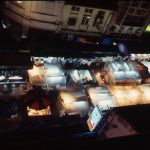
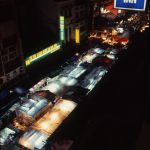
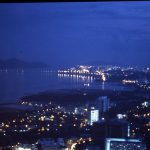
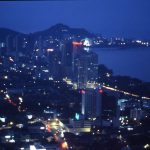
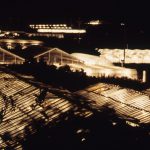
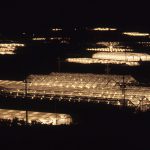
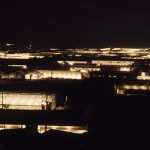
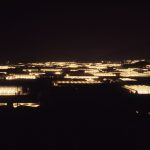
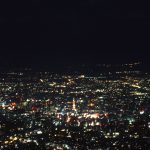
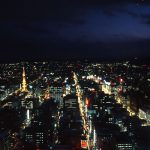
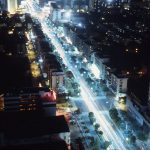
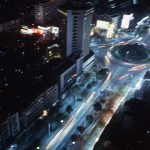
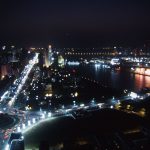
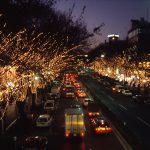
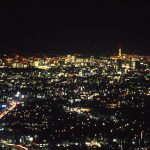
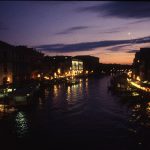
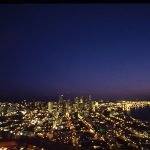
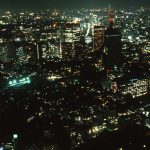
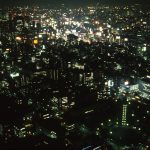
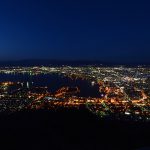
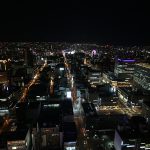
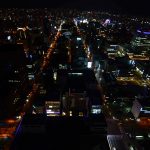
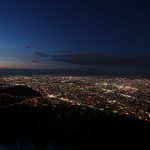
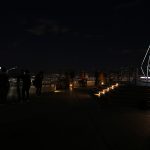
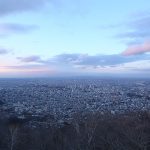
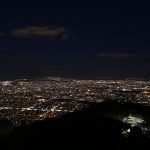
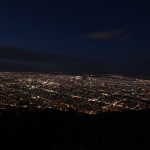
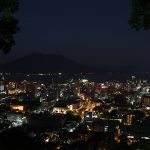
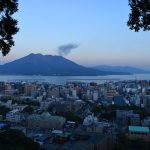
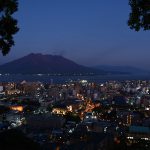
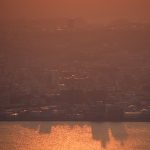
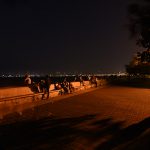
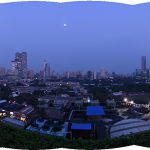
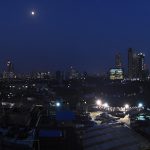
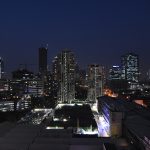
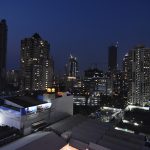
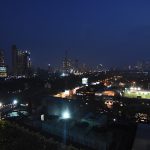
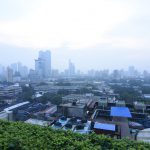
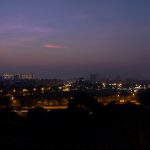
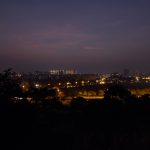
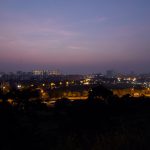
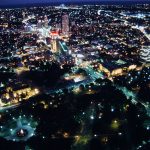
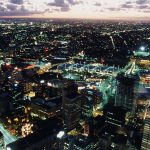
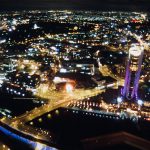
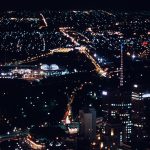
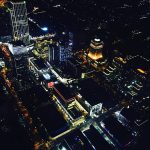
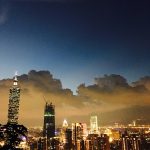
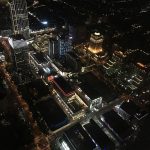
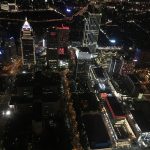
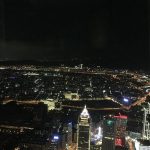
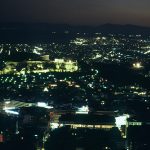
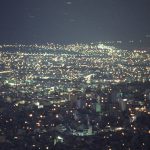
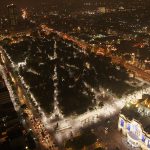
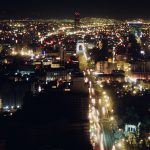
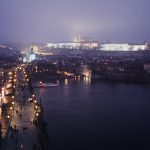
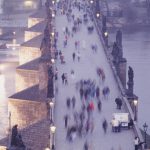
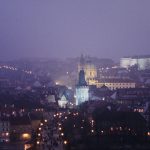
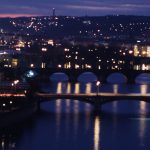
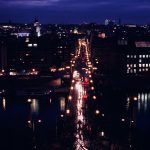
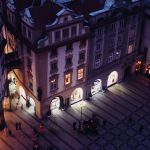
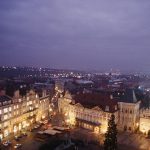
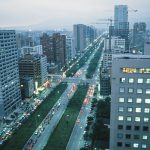
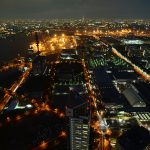
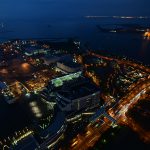
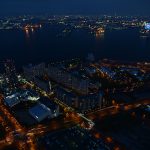
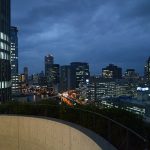
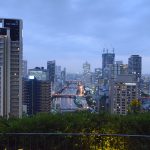
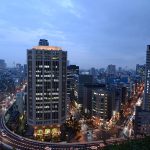
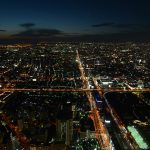
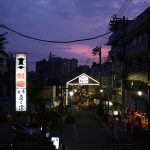
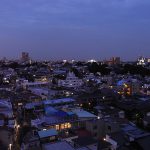
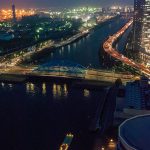
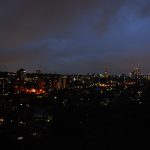
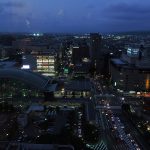
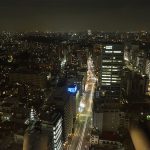
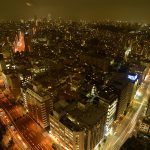
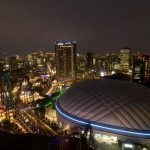
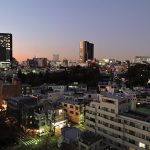
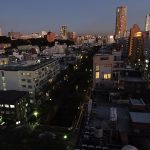
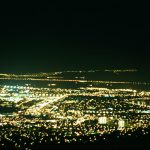
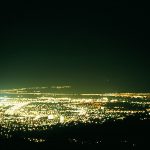
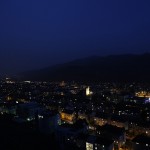
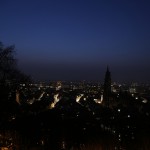
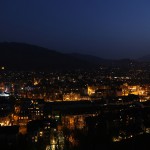
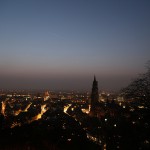
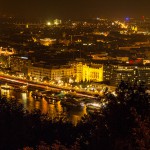
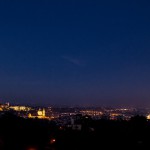
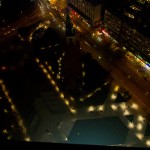
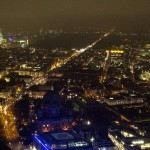
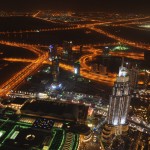
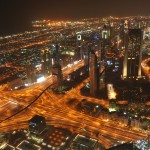
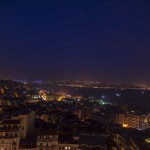
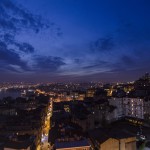
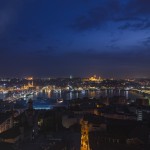
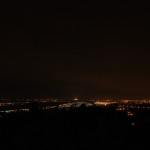
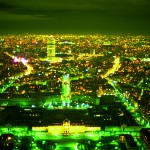
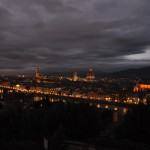
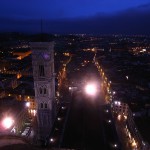
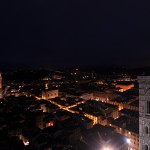
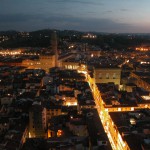
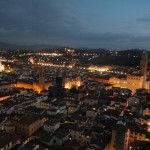
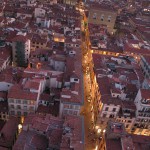
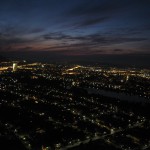
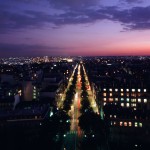
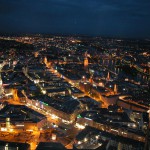
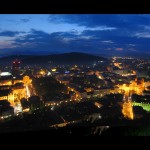
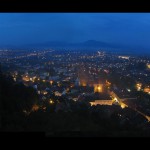
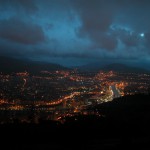
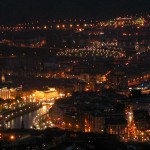
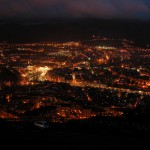
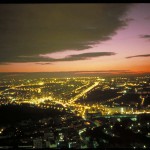
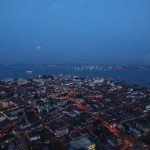
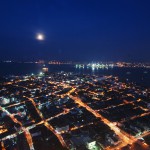
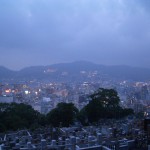
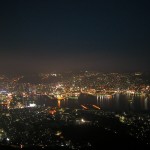
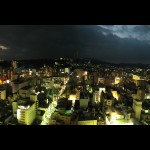
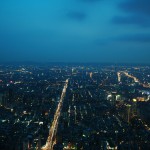
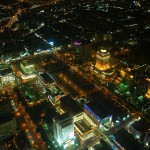
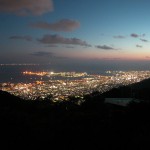
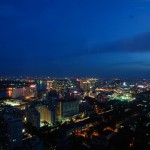
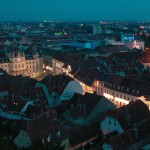
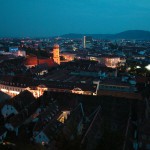
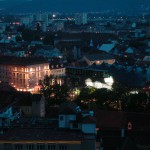
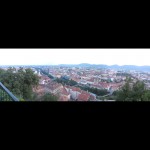
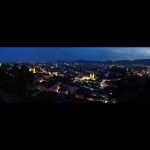
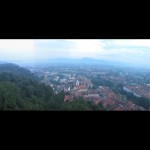
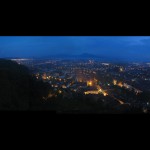
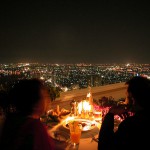
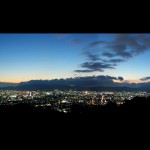
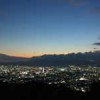
Kyoto is an ancient city of Japan that was planned based on feng shui, or Chinese divination. Although the streets of Kyoto are a typical gridiron pattern, unique spatial conditions derived from the machiya, or Japanese style townhouses, are found all over the city. All of these spatial features nestled into the city’s framework lead us to lighting environments only found in Kyoto. East of Kyoto, a frequented nightscape viewpoint, Shogunzuka looks out over the city. From this birds-eye view, street lights and other ground level lighting softly illuminate the volume of buildings in Kyoto, appearing as of more a cluster of shadows then light in the night. The Gion area of Kyoto. Here, traditional facades and buildings still exist and reflect the intention of the people to preserve and recreate the architectural and lighting atmosphere of this historical place. Instead of bright lights in this area, light is impressively filtered through cracks, crevices, or bamboo lattice of the buildings to spectacularly fulfill this area’s lighting requirements. Kyoto`s rich waterscape. Light from Pontocyo, along the Kamagawa River, filters out and reflects on the surface of the river, one of the many sophisticated nightlight waterscapes of Kyoto. KYOTO: A Multitude of Autumn Colors (2010.11) Autumn colors decorate the City of Kyoto every year with special illumination displays during the season. Moss, dew and other delicate natural colors standout during the freshness of daylight, compared to the fascinating illumination of fall…
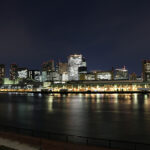
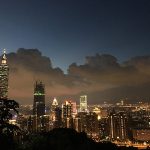
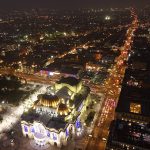
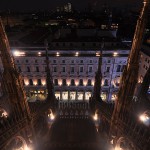
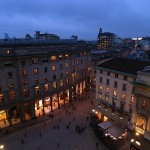
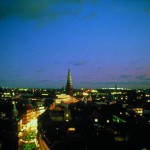
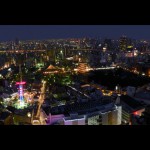
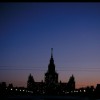
The streets of Moscow are mostly buried in shadows except for a few groups of lucent buildings, maybe an expression of authority. During the intense commercial time bawdy lights are lost, along with street activity, and stillness returns to the city. Now, towering lights dot the cold winter landscape. Looking towards Moskva University at dusk. The Bolshoi Theatre rebuilt in 1856. The upper lights set off the detail of this Greek-style Architecture. Christmas illumination at Tsum Department Store next to Bolshoi Theatre.
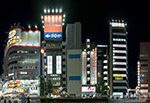
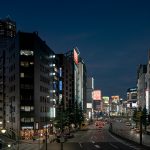
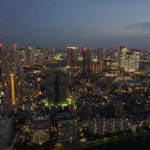
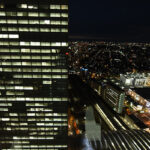
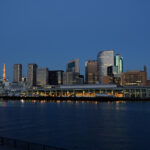
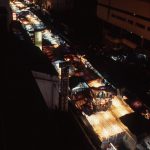
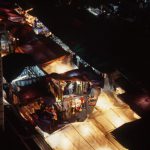
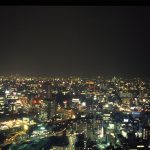
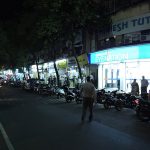
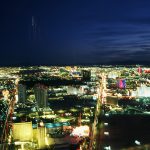
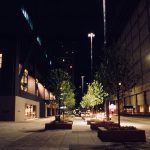
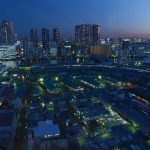
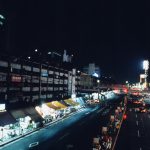
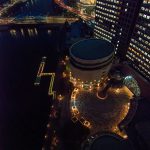
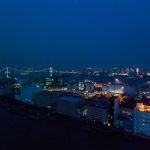
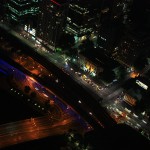
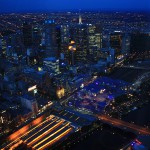
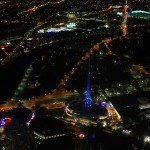
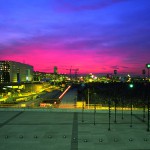
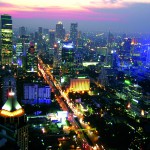
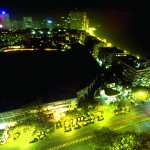
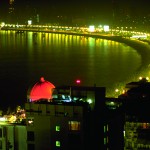
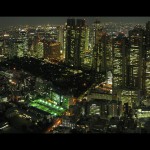
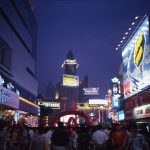
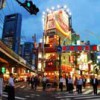
Shiodome Sio-Site was a joint public and private sector redevelopment project completed in 2006. In nearby Shinbashi, eateries and bars built under and into the brick structure of the elevated railway tracks during the Meiji era have become a famous cityscape of this area. We set out to discover what kind of lighting environment exists in this conflicting neighborhood of Tokyo. Red lanterns, single light bulbs hanging under the eaves, colorful luminous signage…All the lighting is warm and inviting. The lighting environment along the streets of Shinbashi is wide and varied, but somehow closes the distance between strangers. Lighting for an elevated pedestrian deck connecting high-rise buildings in the area. The warm colored lighting creates a comfortable atmosphere for a nighttime stroll. The Shiodome high-rise buildings are not showy, and along with the interior office lighting, only a few have facade lighting on the building crowns.
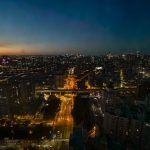
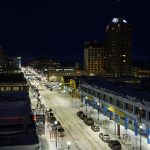
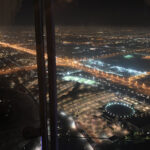
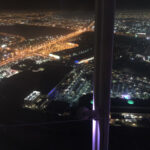
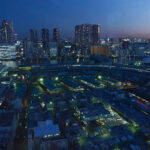
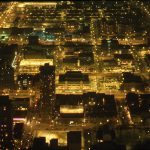
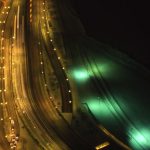
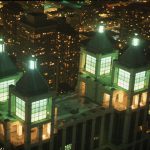
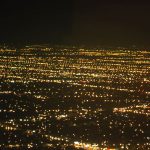
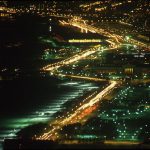
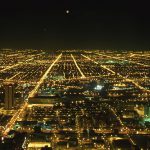
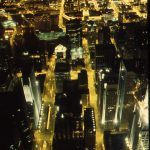
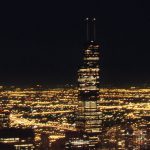
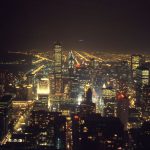
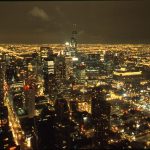
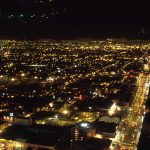
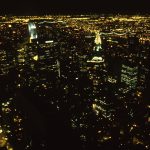
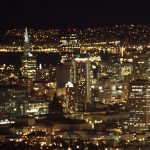
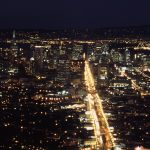
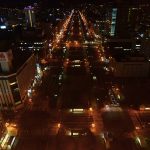
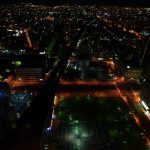
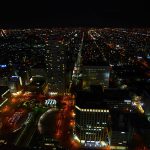
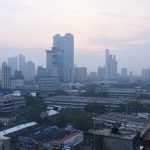
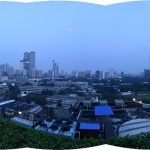
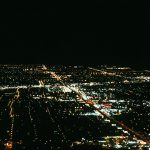
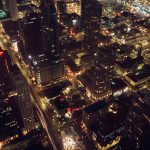
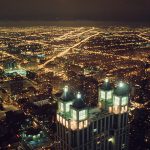
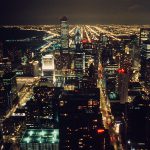
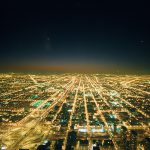
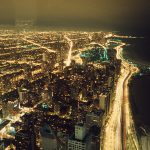
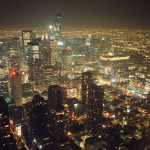
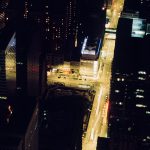
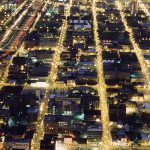
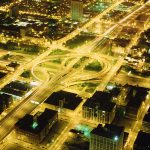
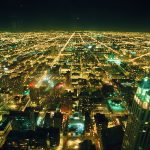
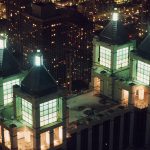
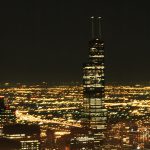
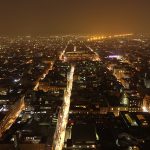
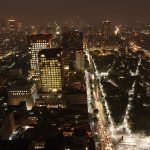
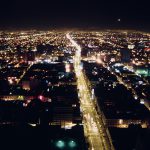
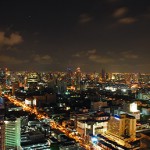
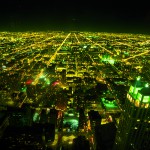
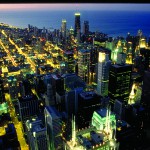
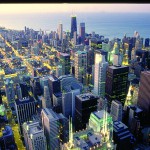
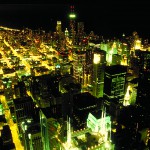
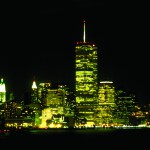
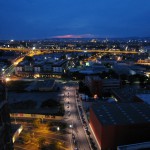
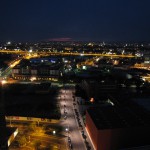
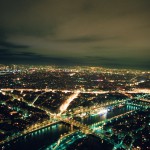
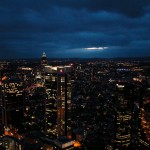
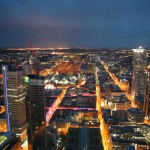
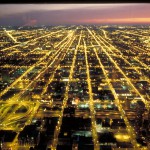
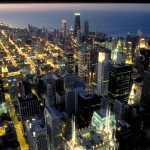
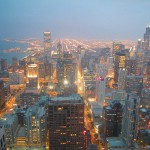
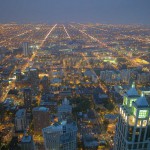
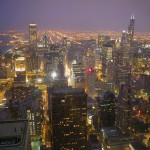
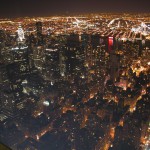
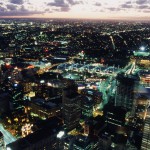
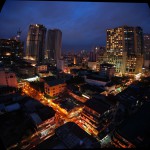
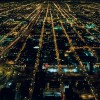
Chicago is the birthplace of the skyscraper and a city with a refined style of its own. However, the nightscape is basically assembled for crime-prevention with streets over powered by high-pressure sodium lamps and wrapped in an orange haze. We can only hope to see a more stylish Chicago nightscape in the near future. High-pressure sodium lamps create yellow lines of light across the Chicago landscape as viewed from the 103 floor of the Wills Tower. The lines of light extend as far as the eye can see, but it is not all that beautiful of a landscape, but more of a reflection of the fear and concern of criminal activity that might lie in the shadows. The view along N Michigan Ave. Trendy, retro street lamps line the avenue, but the light is diffused and not directed for a flat, blanket of light everywhere. Some of the more classic architecture has flood lighting along the ground level, but when combined with this method of street lighting it is not very effective. The lux level directly below a street lamp in 105lux, halfway between is 56lux and in the middle of an intersection we recorded 80lux. These numbers are too high, but maybe give residents and sense of security. Crown Fountain at night. In the park, artwork is lit up at night creating a vibrant area in the city.
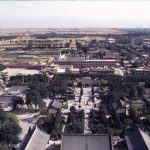
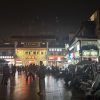
Muslim District within New Development Context2025.11.06-11.09 Quratuaini Jamil + Xu Sunny The survey aims to examine the Muslim Quarter District with a focus on its religious, cultural, and urban context, while assessing how it integrates with the emerging modern development within Xi’an. ■ Brief Summary of Lighting SurveyWith a vast metropolitan population of 12.9 million—of which 4.45% reside in the urban center—Xi’an is a renowned historical and cultural hub in China that pursues an urban planning strategy blending tradition with modernity. The city integrates its rich heritage with the demands of contemporary development while carefully safeguarding key cultural areas. A prime example is the Muslim Quarter, which plays a crucial role in preserving living heritage, ethnic diversity, and the traditional urban fabric. Xi’an’s planning approach emphasizes “development within preservation and preservation within development,” reflected in the harmonious coexistence of new growth and historic architecture. Accordingly, this research focuses on how the old and new parts of the city—particularly distinct areas like the Muslim Quarter—are effectively integrated. ■Xi’An Muslim QuarterOn the first day, we observed the Friday congregational prayer at the Great Mosque of Xi’an. This visit provided a valuable opportunity to study the mosque’s internal spatial organization and architectural characteristics. The Great Mosque of Xi’an is distinctive for its unique synthesis of traditional Chinese architectural language and Islamic religious functions. It differs markedly from the Middle Eastern style—characterized by prominent domes and tall minarets—commonly seen in places like Singapore. Instead,…